Noticed The Fancy Top Banner On This Page? Set A Featured Image To Add This On Any Page You Want.
Commercial real estate leasing Montreal professional property management services

\n\n

Commercial leasing is not limited to placing a sign on a vacant property. For Montreal owners, the quality of tenant prospecting, lease structure, negotiation, and ongoing coordination can influence income stability, risk exposure, and the long-term performance of an asset. A professional leasing strategy brings these decisions together instead of treating each vacancy as an isolated transaction.

Request a proposal for a commercial leasing approach that reflects your property’s operations, tenant profile, and long-term objectives.

Professional commercial real estate leasing Montreal services help owners identify and qualify suitable tenants, structure appropriate lease terms, negotiate from an informed position, and reduce avoidable vacancy risk. PGK Realty Services supports these priorities through bilingual, full-service property management and established systems developed since 1986.

The Role of Tenant Prospecting in Commercial Real Estate Leasing

Effective tenant prospecting in commercial real estate leasing Montreal involves matching qualified businesses to the right property. Conducting thorough financial and operational screening, and maintaining a disciplined process from initial outreach to lease execution. This early-stage work directly affects income stability and long-term asset performance.

Tenant prospecting is more than filling an available unit. It is the disciplined process of identifying businesses whose activities, financial profile, space requirements, and operating plans are compatible with the property and the owner’s objectives. In commercial real estate leasing, this early work influences the quality of the tenancy, the stability of income, and the property’s long-term positioning.

Matching tenants to the property

A professional leasing service begins by understanding the asset before approaching the market. An office building may require tenants that value accessibility, professional amenities, and an appropriate workplace configuration. Retail space must be assessed in relation to visibility, customer access, surrounding uses, and the intended tenant mix. Mixed-use properties require additional care because commercial activity must function alongside other occupants and the building’s broader operating requirements.

Prospecting can then focus on businesses suitable for the space rather than on generating a large volume of unqualified enquiries. The process may include identifying potential tenants, presenting the property’s strengths, coordinating viewings, and keeping a structured record of discussions. PGK identifies tenant prospecting and lease negotiation among its commercial property management services, supporting a coordinated path from initial outreach to documented lease terms.

Qualification protects the leasing decision

Interest alone is not enough to establish a sound tenancy. Qualification should consider the tenant’s intended use, required area, timing, business fit, ability to meet proposed obligations, and expectations regarding improvements or operating arrangements. It should also account for how the proposed use may affect neighbouring tenants, building operations, and the owner’s investment plan.

That evaluation helps distinguish a promising prospect from an applicant whose requirements or risk profile may create avoidable complications later. Owners considering the scope of professional representation can review the practical value of hiring a leasing agent before appointing a provider.

From prospect to sustainable occupancy

Once a suitable prospect is identified, careful communication and structured negotiation help establish realistic expectations around possession, permitted use, responsibilities, and lease conditions. The right partner does not simply seek a signature. It creates a repeatable process for finding, evaluating, and advancing tenants who can support the property’s performance over time.

Understanding Commercial Lease Types: NNN, Gross, and Modified Gross

Commercial lease structures in Montreal determine how operating costs, maintenance, taxes, and insurance are allocated between owner and tenant. The three main types are triple net (NNN), gross or full-service, and modified gross, each offering a different balance of cost predictability and responsibility for the parties involved.

Lease structure determines how occupancy costs, operating expenses, maintenance, and risk are allocated between a commercial property owner and tenant. In Montreal, the right structure depends on the asset, the tenant’s operations, the owner’s investment objectives, and the level of cost predictability each party requires.

Comparison of common commercial lease structures in Montreal
Lease type How costs are allocated Key consideration
NNN or triple net The tenant generally pays base rent plus specified property expenses, commonly including taxes, insurance, and maintenance or operating costs. Expense definitions, allocation methods, reconciliations, and audit rights need to be clear.
Gross or full service The tenant pays agreed rent while the owner typically pays or coordinates the operating expenses included in the lease. The agreement should identify included services, exclusions, expense controls, and permitted adjustments.
Modified gross The parties divide expenses through a negotiated arrangement, with the tenant paying selected costs and the owner retaining others. Repairs, utilities, common areas, and capital work require especially precise drafting.

Whatever structure is selected, the business understanding should be translated into a written agreement executed by authorized representatives. Standard terms establish mutual expectations, while schedules can define budgets, services, measurement methods, renewal options, and expense reconciliations. A lease should be reviewed with qualified Quebec legal counsel to confirm that its provisions reflect the parties’ agreement and applicable requirements.

For property owners managing multiple commercial assets, understanding the distinctions between NNN, gross, and modified gross structures is essential to making informed commercial real estate leasing Montreal decisions. Longer arrangements may require carefully considered termination rights, renewal mechanics, notice periods, remedies, and assignment provisions. Owners and tenants should ensure every negotiated allocation is reflected consistently across the lease, schedules, and operating procedures.

For coordinated leasing, inspections, rent collection, bookkeeping, and tenant management, PGK provides property management services tailored to the property and agreed scope of responsibility.

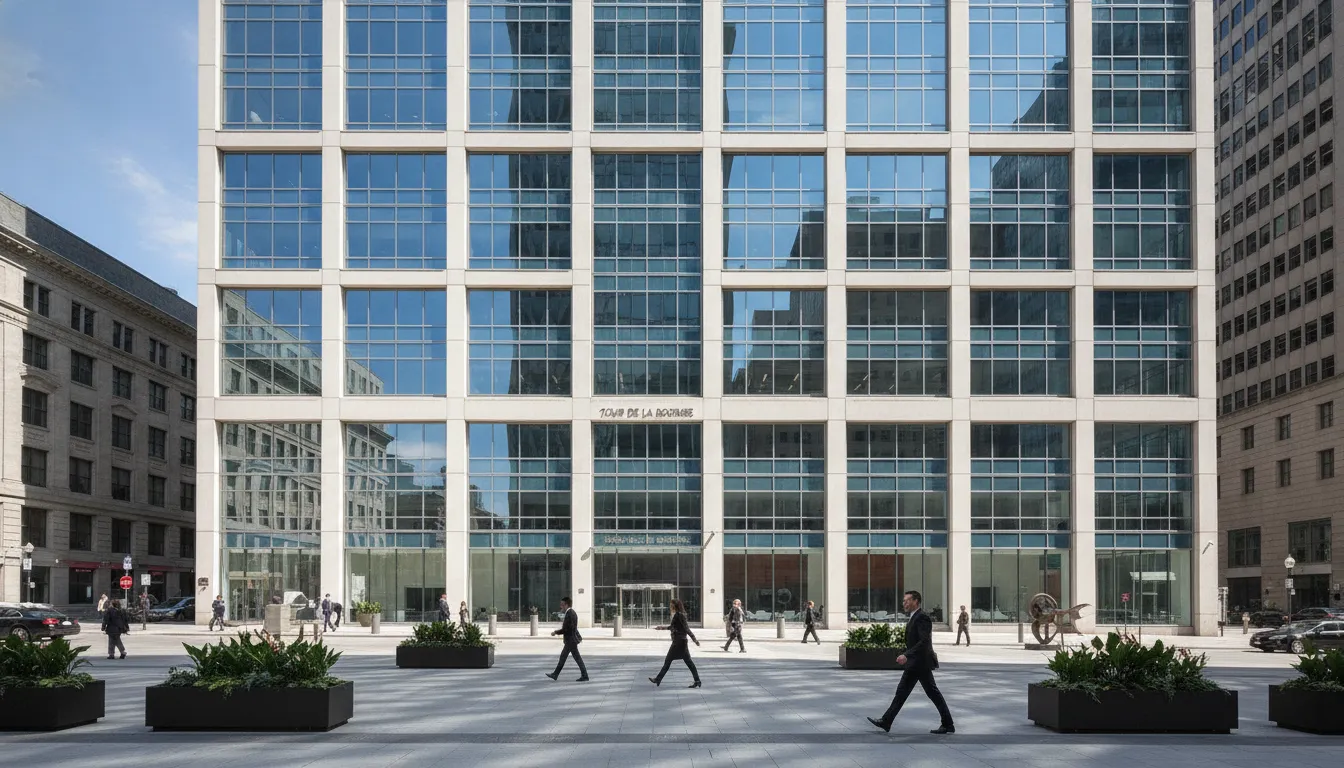
Professional commercial office building interior showcasing well-maintained commercial property space suitable for leasing in Montreal

Navigating Lease Negotiation and Structuring in Montreal

Professional lease negotiation in Montreal involves more than agreeing on rental rates. It requires aligning lease terms, renewal options, operating cost provisions, maintenance obligations, and tenant improvement allowances with the property’s operational plan and the owner’s financial objectives.

A commercial lease should do more than record rent and occupancy dates. It should establish a workable framework for the building, the tenant’s operations, and the owner’s financial objectives. Professional leasing support brings discipline to that process by identifying suitable tenants, coordinating discussions, and structuring terms around the property’s requirements.

Protecting the owner’s position during negotiations

Representation helps an owner evaluate more than the headline rental rate. Depending on the property and intended use, negotiations may address the lease term, renewal options. Rent escalation, operating costs, maintenance obligations, tenant improvements, signage, permitted use, assignment rights, insurance, security, and termination provisions. Each term can affect future income, operating flexibility, and exposure to disputes.

The negotiation process should also reflect the owner’s objectives and the tenant’s financial and operational profile. Market analysis and lease negotiation are connected decisions. The terms accepted today should work with the asset’s operating plan, not obstruct it. For office-building owners, commercial property management Montreal support should connect lease administration to the broader plan for the asset.

Structuring documentation for long-term clarity

Clear documentation is a protection mechanism. The final agreement should define responsibilities in language that the owner, tenant, property manager, accountants, and other stakeholders can apply consistently. Schedules, work letters, renewal mechanics, notices, operating-cost provisions, and approval requirements should be reviewed together rather than treated as administrative afterthoughts.

For financial institutions, trusts, and other owners with fiduciary-grade expectations, documentation must support professional reporting, compliance-minded administration, and an auditable record of decisions. A carefully structured lease gives the management team a stronger basis for rent administration, inspections, tenant communication, and future renewal discussions.

What Should a Rent Escalation Clause Cover?

A well-drafted rent escalation clause should address the mechanism for increases such as CPI indexing. Fixed step-ups, or operating expense pass-throughs, along with the reference period, calculation method, caps, floors, and reconciliation procedures. Clear escalation provisions protect income predictability over the lease term.

Well-structured rent escalation and renewal provisions give owners a more predictable income stream while preserving flexibility as operating conditions change. The appropriate approach depends on the property type, tenant covenant, lease duration, and expenses the owner is expected to carry. These provisions should be documented clearly and reviewed before the lease reaches a decision point.

Choose an escalation mechanism that matches the lease

Common structures include CPI-indexed increases, fixed step-up increases, and operating expense pass-throughs. A CPI-indexed clause adjusts rent according to an agreed consumer price index and should specify the reference period, calculation method, floor, cap, and treatment of unusual index movements. A step-up clause establishes predetermined increases at defined intervals, making future obligations easier for both parties to budget.

With an operating expense pass-through, the tenant contributes to specified costs such as common-area maintenance, taxes, utilities, or insurance. The lease should identify recoverable expenses, exclusions, reconciliation procedures, audit rights, and notice requirements. Clear drafting reduces disputes and helps owners evaluate the actual net income produced by the space rather than focusing only on headline rent.

Start renewal discussions before leverage narrows

Renewal planning should begin well before the formal option or notice deadline. Review the tenant’s payment history, space requirements, maintenance concerns, business outlook, and contribution to the property’s stability. At the same time, assess alternative leasing scenarios, expected downtime, improvement requirements, and the cost of replacing the tenant. This creates a sound basis for deciding whether to offer an extension, restructure terms, or pursue a new occupant.

Owners of industrial assets can benefit from specialized industrial property management when lease administration must be aligned with the property’s operational requirements.

How Professional Management Prevents Vacancy in Commercial Properties

Vacancy prevention in commercial properties requires a continuous program of proactive maintenance, responsive emergency support, early renewal planning, market-aligned pricing, and proactive tenant prospecting. Professional property management integrates these activities into a coordinated approach that reduces downtime between tenants.

Preventing vacancy is a continuous management discipline, not an activity reserved for the moment a tenant gives notice. In Montreal’s varied office, retail, mixed-use, and industrial markets, owners need a coordinated approach that protects the building, supports existing occupants, and keeps future leasing opportunities active.

  1. Establish a proactive maintenance program. Regular inspections and scheduled maintenance help identify building issues before they disrupt operations or affect a tenant’s confidence in the property.
  2. Provide responsive emergency support. Commercial tenants need to know urgent issues will be addressed promptly. PGK’s 24-hour superintendent or emergency-response capability helps limit disruption and shows that ownership takes tenant operations seriously.
  3. Start retention conversations before renewal. Regular communication gives the manager time to understand changing space requirements, operational concerns, and potential expansion or contraction plans.
  4. Keep pricing and terms market-aligned. A realistic strategy should reflect the property’s condition, location, permitted uses, and competing inventory while preserving appropriate value.
  5. Market anticipated availability professionally. Prepare the property, documentation, positioning, and outreach plan before a former tenant leaves, so qualified prospects can be engaged without avoidable delay.
  6. Review related operating risks. An insurance evaluation may identify opportunities for savings, subject to the individual property’s coverage and policy review.

For owners asking how to prevent vacancies in Montreal commercial properties, the practical answer is an integrated program: maintain the asset. Respond quickly, understand tenants, price intelligently, and keep qualified prospects engaged before vacancy becomes urgent.

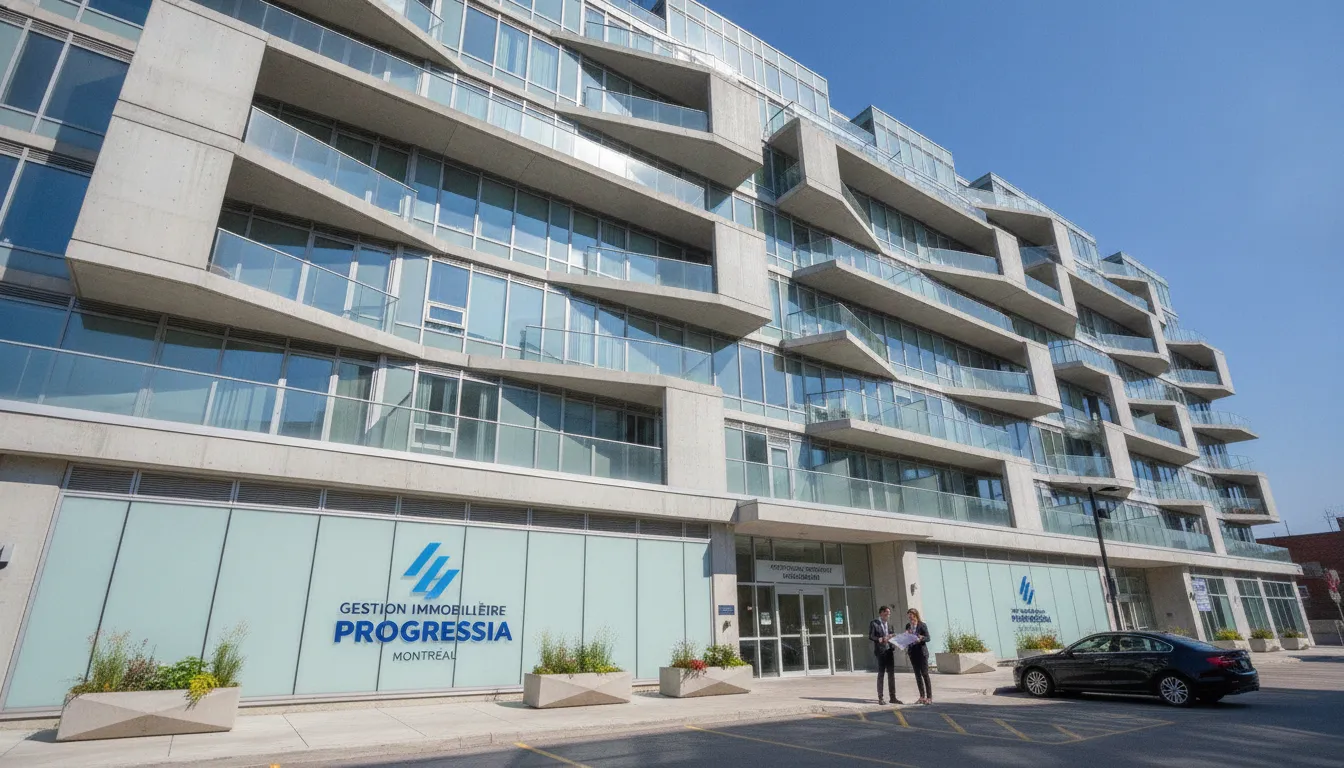
Modern retail storefront and commercial property in Montreal available for commercial leasing with professional property management

Why Hire a Professional for Commercial Real Estate Leasing in Montreal?

Hiring a professional for commercial real estate leasing Montreal provides coordinated tenant prospecting, lease negotiation, documentation management, and ongoing property administration. This integrated approach supports owners with clear records, fewer operational handoffs, and a stronger basis for renewal and vacancy decisions.

Professional leasing management joins activities that are often handled separately: positioning the property, prospecting for suitable tenants. Reviewing the commercial fit of an opportunity, negotiating terms, preparing for occupancy, and administering the agreement after signature. This coordinated approach gives owners clearer records, fewer operational handoffs, and a more deliberate basis for renewal and vacancy decisions.

For international owners and institutional stakeholders, bilingual communication and disciplined reporting can be particularly important. PGK Montreal serves commercial, residential, and industrial property owners across Greater Montreal with full or selective management services. The aim is simple: reduce the daily operating burden without losing control of the standards that protect the asset.

Property owners evaluating professional support for commercial real estate leasing Montreal should consider whether the provider has experience with their specific property type. Established maintenance and inspection systems, bilingual capability for Montreal tenants, and a track record of working with institutional or international stakeholders. PGK Montreal has served property owners since 1986, with systems for 24-hour emergency response, weekly vacant-property inspections, and fiduciary-grade reporting suitable for financial institutions and trusts.

Frequently Asked Questions About Commercial Leasing

What services do commercial leasing agencies provide?

Services may include property positioning, tenant prospecting, qualification support, lease negotiation, coordination of occupancy requirements, rent collection, bookkeeping, inspections, and ongoing tenant management. The exact scope should be defined in the management proposal.

What is involved in commercial lease negotiation in Montreal?

Negotiation typically addresses rent, term, renewals, operating costs, maintenance obligations, tenant improvements, permitted use, insurance, security, assignment rights, and notice provisions. The final terms should be documented clearly and reviewed with appropriate legal advisers.

How can owners reduce commercial vacancy risk?

Owners can reduce avoidable vacancy risk through proactive maintenance, responsive tenant communication, early renewal planning, realistic property positioning, and targeted prospecting for qualified tenants.

What should I consider when choosing a commercial property manager?

Consider the manager’s experience with your property type, its systems for communication and reporting. Its ability to provide bilingual service when needed, and whether it can offer the precise leasing and operational support your asset requires.

How are triple net leases different from gross leases?

In a triple net lease, the tenant pays base rent plus a share of property expenses such as taxes, insurance, and maintenance. In a gross lease, the owner covers most operating expenses from the rent received. Modified gross leases split expenses through a negotiated arrangement. Each structure offers different trade-offs between cost predictability and responsibility.

Contact PGK Montreal About Your Leasing Strategy

A structured leasing approach can help align tenant prospecting, lease terms, and ongoing property priorities. PGK Montreal can assess your needs and define a professional management approach for your commercial property. With over 35 years of experience serving property owners in Greater Montreal, PGK brings established systems, bilingual service, and institutional-grade reporting to every engagement.

Request a proposal from PGK Montreal.

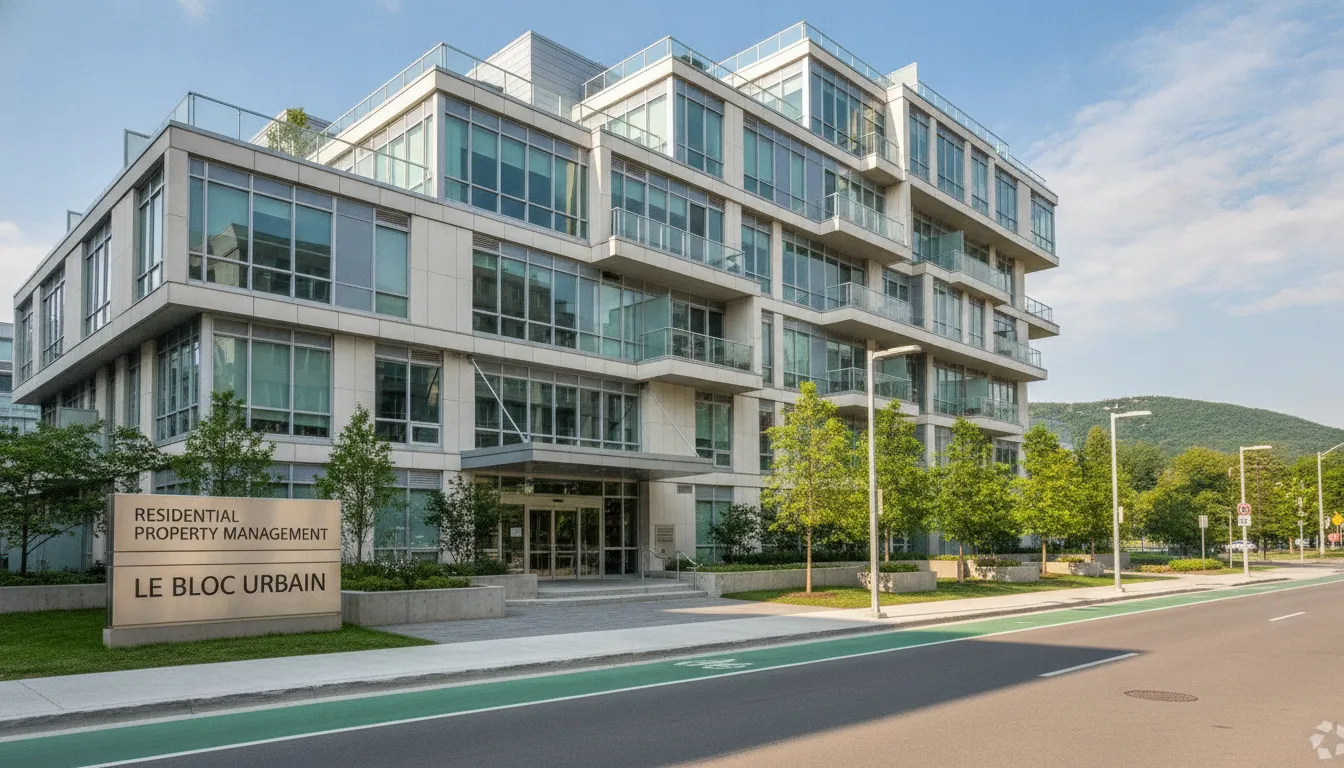
Modern multi-family apartment building exterior in Montreal with professional property management

exit_code: 0
stdout:

Managing an apartment building takes more than collecting rent and calling a contractor when something breaks. Multi-unit properties come with ongoing demands: tenant turnover, building systems that serve multiple households, regulatory requirements specific to Quebec, and the financial complexity of managing multiple revenue streams under one roof.

For owners, each missed repair or unresolved tenant concern can affect cash flow, asset value, and peace of mind. The difference between a well-managed building and one that struggles often comes down to having the right operational structure in place.

Multi family property management Montreal gives apartment building owners professional support for the daily work that keeps a property stable and profitable. This includes rent collection, bookkeeping, tenant management, leasing, maintenance coordination, and regular property inspections. A capable manager also helps organize repairs, respond to urgent issues, track operating costs, and support tenant retention. PGK Realty Services has served property owners since 1986 with bilingual service across Greater Montreal. Its team manages the operational burden for residential, commercial, and industrial properties, with services shaped around each owner’s needs. The goal is simple: protect the building, support its residents, and give owners clear oversight without requiring them to manage every detail themselves.

Ready to request a proposal for your building? Contact PGK Montreal today to discuss professional multi-family property management.

What should owners expect from this type of support, and where does professional oversight create the most value? The answer begins with What Is Multi-Family Property Management? Here is how a professional management approach changes the experience of owning multi-family real estate in Montreal.

What Is Multi Family Property Management Montreal?

A portfolio of connected rental units

Multi-family property management is the organized care of a building or group of rental units under one ownership structure. In Montreal, this can include a duplex, triplex, apartment building, or small apartment complex. It can also cover other revenue properties when one manager oversees several units and shared building needs.

The goal is not only to collect rent. A manager coordinates the daily work that keeps the asset safe, occupied, and financially sound. This work may include tenant communication, leasing, inspections, rent collection, records, and repair planning. Owners receive one clear operating system instead of managing each unit as a separate task.

For owners seeking a focused service, multi-family property management brings these duties together for apartment buildings and revenue properties across Greater Montreal.

What the manager oversees

A multi-family building has needs that reach beyond the walls of one apartment. Shared halls, entrances, roofs, heating systems, parking areas, and other common parts need a planned approach. Building-wide maintenance helps protect the condition of the asset and supports a consistent tenant experience.

This model also helps owners track the link between operations and returns. A manager can review rent income, operating costs, repair needs, and unit status across the full property. That view makes it easier to spot a gap in service or a cost that needs attention.

  • Unit condition and tenant requests
  • Common-area care and repair schedules
  • Leasing, rent collection, and vacancy follow-up
  • Property records and owner reports

Management and investment risk

Multi-family management also supports sound investment review. Research from the University of Florida Warrington College of Business identifies loan-to-value and debt service coverage ratios as key measures of credit risk in multi-family investments. These measures do not replace sound management, but they show why owners need a clear view of income, costs, and debt.

Strong oversight can help protect returns by reducing missed work, delayed repairs, and unclear records. It can also give owners better information when they plan a refinance, sale, upgrade, or change in strategy. The manager acts as the link between the building’s daily needs and the owner’s long-term goals.

PGK Realty Services brings more than 35 years of experience, established maintenance systems, and English and French service to this work. The approach is suited to private owners, investors, institutions, and trusts that need dependable care for Montreal revenue properties.

Core Services Included in Multi-Family Property Management

Professional multi-family property management in Montreal brings several daily tasks under one clear system. The scope often includes maintenance coordination, bookkeeping, rent collection, tenant management, inspections, and property leasing. These services must work together, because a delay in one area can affect cash flow, tenant trust, and the condition of the building.

Maintenance and emergency response

Maintenance coordination starts with a clear record of repairs, vendors, schedules, and open work orders. A manager can plan upkeep for shared halls, building systems, and units while also tracking urgent needs. This approach supports steady care of the asset instead of a cycle of last-minute fixes.

Service coordination is a core part of sound multi-family operations, as described in this HUD multifamily housing report. Owners should also confirm how a firm handles events that cannot wait until morning. A 24-hour superintendent or emergency response capability can help address leaks, loss of heat, lockouts, and other urgent issues when they arise.

Financial control and rent collection

Bookkeeping turns rent and expense data into a usable record of the building’s performance. The process may include rent collection, invoice review, account tracking, and reports on operating costs. Clear records help an owner see what came in, what was spent, and which items need review.

For a closer look at this part of the service, review PGK’s financial reporting and bookkeeping guide. Professional reports also support owners who need a clear view of each building, unit, or expense group. This level of detail is useful for private owners, trusts, and institutions that need a sound record for each decision.

Tenants, leasing, and inspections

Tenant management covers day-to-day contact, rent questions, repair requests, and the fair handling of concerns. It may also include property leasing, from listing a unit and answering inquiries to arranging visits and preparing for a new tenancy. A steady process helps reduce gaps between tenancies and keeps communication clear.

For a multi-family building, this work must be repeatable across many units. The manager can keep records of requests, set clear next steps, and pass key issues to the owner. This helps limit missed messages and gives tenants one reliable point of contact.

Inspections add another layer of control. Managers can check units and shared areas, note wear, and set follow-up work before small issues grow. Weekly vacant-property inspections are also useful for checking that an empty home or apartment stays clean, secure, and ready for the next step.

Together, these services give owners one operating framework for a complex asset. The manager handles the daily details, while the owner receives the records and updates needed to guide the property with confidence.

Managing Tenant Turnover in Multi-Family Buildings

Tenant turnover needs a clear plan. In a multi-family building, several units may turn over at once, while shared spaces and building systems still need care. A set process helps owners limit delay, keep records clear, and prepare each unit for its next resident. This approach reflects the specialized needs of multi-family properties, where high-volume turnover must work alongside building-wide maintenance.

The process below also helps separate small-unit work from larger building operations. A provider such as Benoline may focus on buildings with one to five units. Larger multi-family properties need a wider system for many notices, repairs, showings, lease files, and tenant needs at the same time. Service coordination guidance also highlights the value of planned work across multi-family properties.

Notice, inspection, and make-ready work

  1. Confirm notice and inspect the unit. Record the move-out date, review the lease, and set a clear time for the final inspection. Note the state of the unit, fixtures, appliances, and any damage. Check shared areas as well when a move affects access, storage, parking, or building systems. A written record gives the owner and tenant a clear basis for the next steps.
  2. Plan repairs and prepare the unit. Sort each task by type and urgency. Common work may include cleaning, paint, small repairs, lock changes, appliance checks, and safety reviews. A standard checklist helps the team avoid missed work when many units are vacant. It also lets the manager group work across the building, which can improve scheduling and limit delays. Keep the unit status current from inspection through completion, tracking who owns each task and when it is due.

Leasing and applicant review

  1. Market the unit and manage showings. Set the asking rent, prepare clear listing details, and use current photos when available. Answer inquiries in a timely way. Group showings when practical, but protect the privacy of current residents and follow agreed access rules. Consistent listing details help reduce confusion and support a steady leasing process.
  2. Screen applicants with a consistent process. Apply the same stated criteria to each applicant. Review identity, income, rental history, references, and credit information with the required consent. Keep a record of the steps taken and the decision made. Tenant management includes leasing, inquiries, and conflict resolution, so good records support a fair and calm process.

Move-in and tenant relations

  1. Sign the lease and plan the move-in. Confirm the lease terms, required documents, payment details, keys, and move-in date. Give the tenant practical information about building rules, waste, parking, repairs, and emergency contact steps. A move-in record, including the unit condition, helps both sides start with the same facts.
  2. Maintain contact after move-in. Respond to repair requests, track follow-up, and address concerns before they grow into disputes. In a larger building, clear channels help the manager spot patterns, such as repeated repairs or common questions. Owners comparing hiring professional property managers with self-management should weigh this ongoing work, not only the first lease.

A consistent turnover process supports tenant retention and protects the owner’s time. It gives each unit a clear path from notice to occupancy while keeping the wider building in view. It also gives owners a useful record of costs, delays, repairs, and tenant concerns. Those records can guide future work and help the team improve its process.

Maintenance Economies of Scale in Apartment Buildings

Multi-unit buildings gain a clear operating advantage when maintenance is planned at the property level. A single schedule can cover shared systems, common areas, and several suites at once. This approach helps owners control work, limit delays, and keep building conditions more consistent. Research on multifamily service coordination also highlights the value of systematic planning across property services, as described by the U.S. Department of Housing and Urban Development.

Building-wide maintenance planning

Routine work is easier to manage when it follows a set calendar. A manager can group inspections, filter changes, seasonal checks, and minor repairs by building or system. The same vendor may complete work in several units during one visit, rather than returning for separate calls.

This model can reduce travel time, repeat setup, and gaps between related tasks. It also gives the manager one record of work completed across the property. Owners gain a clearer view of open items, planned costs, and risks that need action.

Lower repair costs over time

Proactive scheduling helps find wear before it becomes a major failure. A small leak, worn seal, or weak component can often be addressed during planned work. If it is left alone, the same issue may damage other units or shared parts of the building.

Standard schedules also support consistent checks from one floor or unit to the next. This makes it less likely that a task will be missed during a busy turnover period. For owners comparing multi-family property management options, this control over upkeep is a key part of long-term asset care.

Vendor coordination and emergency response

Professional managers often have established vendor networks for plumbing, heating, electrical work, cleaning, and other building needs. A known vendor can learn the property layout and service history. That knowledge may help speed up diagnosis and reduce the time a unit or shared area remains out of service.

Planned work does not remove the need for urgent support. A burst pipe, heating failure, or serious lock issue may need action at any hour. A 24-hour superintendent or emergency response system gives tenants and owners a clear path when urgent maintenance occurs.

Marsik, a Montreal competitor, also promotes 24/7 emergency maintenance. This shows that around-the-clock response is a known service need in the market.

For a multi-unit property, scale is not only about volume. It is about using one coordinated process for many units, systems, and vendors. That structure supports steadier upkeep and helps owners make informed decisions before small defects become costly repairs.

Rent Optimization and Vacancy Reduction for Multi-Family Properties

Market-Based Rent Positioning

Rent optimization starts with a clear view of the local market. Owners should review nearby buildings, unit features, lease terms, and tenant demand before setting or changing rents. The goal is not to chase the highest asking rent. It is to set a rate that supports steady occupancy and sound long-term income.

For a multi-unit portfolio, this work must be repeated as conditions change. A professional manager can compare leasing results across units and spot patterns in inquiries, showings, renewals, and move-outs. This creates a sound basis for rent decisions without relying on guesswork or an invented market average.

Strong results also depend on service coordination. A HUD guide to multifamily service coordination describes the value of organized property operations. In practice, leasing, maintenance, rent collection, and tenant care must work as one system.

Professional Leasing and Tenant Quality

Professional leasing helps reduce the time a unit stays empty. It includes clear listings, prompt replies, organized showings, careful review of applications, and timely lease preparation. A consistent process can also help owners attract tenants who are a better fit for the building and its rules.

Leasing should begin before a unit is vacant whenever possible. Managers can track notice periods, plan repairs, prepare marketing, and set a showing schedule in advance. This reduces the gap between one tenancy and the next, while helping protect the condition of the unit.

Market knowledge can strengthen this process. Marsik Management states that it manages more than 400 properties across Montreal and uses local data to support market performance. That claim shows why owners should assess a manager’s local reach, process, and reporting before assigning a portfolio.

Vacancy Control and Property Checks

Vacancy management does not end when a unit is listed. Empty apartments need regular checks for leaks, heat issues, damage, cleanliness, and signs of unauthorized entry. PGK’s service model includes weekly vacant-property inspection protocols, which help owners detect problems before they grow.

These checks also support a faster handoff to the next tenant. The manager can confirm that repairs are complete, document the unit’s condition, and keep the leasing team informed. For owners seeking broader oversight, Montreal property management services can connect leasing work with maintenance, inspections, and rent administration.

Other cost controls may support net income as well. PGK offers a free insurance evaluation, with documented savings of up to 40% in some cases. Any savings depend on the property and policy, so owners should treat the review as a lead-in service rather than a guaranteed result. Together, disciplined pricing, professional leasing, and weekly checks can reduce vacancy risk across a multi-family portfolio.

How Much Does Property Management Cost in Montreal?

Why pricing varies by property

There is no single fee for multi family property management Montreal owners can apply to every building. A custom proposal is needed because each property has its own needs, risks, and workload. Unit count, building size, age, condition, location, and tenant profile can all affect the scope of work.

The service plan also shapes the price. An owner may need rent collection and basic reporting, or a full plan that includes leasing, tenant care, inspections, maintenance calls, bookkeeping, and emergency response. This approach reflects the need for systematic service coordination in multi-family housing.

What a management fee may cover

A proposal should state which tasks are included and which costs sit outside the base fee. Common services include maintenance coordination, rent collection, tenant management, property inspections, leasing, and bookkeeping. Clear terms help an owner compare proposals on service value, not just the fee line.

Ask whether the proposal covers routine communication, after-hours calls, vacant-unit checks, lease-up work, and financial reports. Also ask how repair work, legal files, special projects, and major capital work are billed. For broader context, review this guide to Montreal property management services.

Percentage and flat-fee models

Property management firms may structure fees as a share of rent collected, a flat monthly fee, or a mix of both. A percentage model can link the fee to rent flow. A flat fee can make the monthly cost easier to track. Neither model is right for every building.

The best choice depends on the work required and the owner’s goals. Compare the full service scope, response standards, reporting, and extra charges before choosing a plan. A low base fee may not be the lowest total cost if key tasks are billed separately.

Other ways to assess the total cost

Management cost should be viewed beside the work it may help control. Strong rent collection, timely repairs, careful inspections, and sound tenant care can support stable operations. Owners should also ask whether the firm can review related property costs.

For example, PGK offers a free insurance evaluation that may identify documented savings of up to 40% on premiums. The result varies by property and policy, so it should be treated as an evaluation, not a promised saving. Request a custom proposal with a clear list of included services, optional services, and pass-through costs.

Quebec Regulations for Multi-Unit Building Owners

Owning a multi-unit building in Quebec means managing more than rent and repairs. Owners must follow provincial housing rules, municipal standards, and the procedures that govern landlord and tenant matters. This section is informational, not legal advice. A lawyer or the Tribunal administratif du logement (TAL) should be consulted for a matter that affects your property.

The role of the TAL

The TAL handles many disputes between landlords and tenants in Quebec. Its work may include lease issues, rent setting, unpaid rent, repairs, and other housing matters. Owners should keep lease records, notices, inspection notes, payment records, and key communications in an orderly file.

Lease transfers also need care. A tenant may seek to transfer a lease to another person, and the landlord must follow the rules that apply to the request. Rent increases must also follow Quebec’s process and timing rules. The right response can depend on the lease, the building, and the facts of the case, so owners should not rely on a broad rule of thumb.

Municipal standards in Montreal

Provincial rules are only one part of the picture. Montreal and its boroughs may set local standards for housing quality, safety, maintenance, permits, waste, and building use. These rules can affect shared areas, exterior work, repairs, and the way a building is operated.

Local knowledge matters because municipal standards may vary by location and by the work planned. Professional investing in Montreal multi-family properties requires a clear view of both the asset and the local rules that affect it.

Records, reporting, and compliance

Strong records help an owner show what was done, when it was done, and why. They also support clear reporting on rent, costs, repairs, notices, inspections, and tenant matters. This level of detail is especially important for financial institutions, trusts, and owners who live outside Quebec.

PGK has served property owners since 1986 and understands the local regulatory setting. Its approach combines fiduciary-grade reporting with compliance-minded oversight. More broadly, systematic service coordination supports steady operations across a multi-unit asset.

A professional manager can track deadlines, coordinate repairs, keep files current, and flag issues that need legal review. That does not replace legal counsel. It gives owners a structured process for meeting their responsibilities and reducing avoidable gaps in day-to-day management.

For example, a manager can keep a central record of lease dates, notices, work orders, inspection findings, and vendor invoices. The same record can help an owner review open issues before a renewal, a sale, a financing request, or a formal hearing.

Compliance is also an ongoing task, not a single check at the start of ownership. Rules, building conditions, and tenant concerns can change over time. A regular review helps the owner spot missing records, delayed repairs, or a need for specialist advice before the issue grows.

For owners outside Montreal, this structure can be even more useful. Bilingual communication, clear reports, and prompt notice of material issues make it easier to oversee a local asset without managing each daily task from a distance.

Why Hire a Professional Manager for Your Montreal Multi-Family Building?

Owning a multi-family building can create steady income, but it also brings daily work. A professional manager takes care of rent collection, tenant needs, repairs, inspections, and vendor calls. This gives owners more control over the asset without carrying each task alone. It also helps keep the building ready for both tenants and future investors.

More time and less daily strain

Self-management may seem simple when a building has only a few units. The workload grows with each lease, repair request, late payment, and move-out. A manager can set clear work flows for leasing, tenant screening, rent collection, and maintenance. Owners can then focus on asset plans, financing, and long-term growth.

That support matters when issues arise outside normal work hours. PGK’s established systems include maintenance coordination and emergency response support. Its bilingual team has served Montreal property owners since 1986. This local depth can help owners gain peace of mind while daily work stays on track.

Professional oversight at building scale

Multi-family buildings need more than one-off fixes. They need a set plan for shared areas, unit turns, records, and tenant care. Professional management can help reduce avoidable delays, support tenant retention, and protect the building’s income. Learn more about professional property management when weighing expert oversight against a do-it-yourself model.

Management also supports sound risk review. Owners and lenders may assess factors such as loan-to-value and debt service coverage when they review a multi-family asset. The University of Florida’s research on multi-family credit risk identifies these measures as key predictors of default risk. Clear records and timely action give owners better facts for those decisions.

Professional management versus self-management

The right choice depends on the owner’s time, skill, location, and building needs. The following comparison can clarify the trade-off between self-management and professional oversight for multi-family properties in Montreal:

Aspect Self-Management Professional Management
Time commitment Owner handles every call, repair request, and lease issue directly. Manager assigns, tracks, and completes the work, freeing the owner’s schedule.
Tenant care Owner manages screening, disputes, and move-outs alone. Professional team follows a set process for leasing, tenant support, and conflict resolution.
Maintenance Owner must find and vet contractors as problems arise. Manager uses an established vendor network with planned service schedules across units.
Records and compliance Owner maintains files and monitors Quebec rules personally. Professional oversight adds structured financial reports, inspection records, and regulatory tracking.

Scale is one reason professional management is common in Montreal. Marsik reports managing more than 400 properties, while Gestion Lameer reports more than 2,300 residential units and over 25 years in the field. These examples show how specialized systems support larger portfolios. PGK brings more than 35 years of Montreal experience, bilingual service, institutional knowledge, and experience with international investors. For owners abroad or financial institutions, that fiduciary-grade approach can make oversight more clear and consistent.

Frequently Asked Questions

How much does property management cost in Montreal?

There is no single fee for multi-family property management in Montreal. Cost depends on building size, service scope, condition, tenant needs, and reporting requirements. A proposal should state which services are included and which costs are billed separately. Owners should compare the full scope, response standards, inspection plans, and financial reporting, not only the headline fee.

What is the 1% rule in multifamily property management?

The 1% rule is a rough screening tool, not a pricing rule or a guarantee of profit. It suggests that monthly rent may equal about one percent of a property’s purchase price. Local taxes, financing, repairs, vacancies, insurance, and management costs can change the result. Owners should review actual income and expenses before making an investment decision.

What services are included in multi-family property management?

Services commonly include rent collection, bookkeeping, tenant management, leasing, maintenance coordination, inspections, and vacant-unit checks. The exact scope depends on the owner’s needs and the building’s operating plan. For example, a larger complex may need detailed financial reports, planned maintenance, and emergency response. Confirm each service in writing before signing a management agreement.

How do property management companies handle tenant screening in Montreal?

Tenant screening usually combines an application, identity checks, income review, rental references, and consent-based credit information. The manager should apply the same process to each applicant and follow Quebec privacy and housing rules. Screening is only one part of tenant management. Clear lease terms, prompt repairs, and steady communication also help support stable occupancy.

What are the legal requirements for property management in Quebec?

Property owners must follow Quebec rules that affect leases, rent changes, privacy, repairs, records, and tenant rights. Municipal standards may also apply to building safety and upkeep. Requirements can vary by situation, so owners should use current guidance or qualified legal advice. Accurate records and clear reporting are especially important for financial institutions and trusts. See PGK Montreal for local property management context.

Ready to Request a Proposal for Your Building?

Delaying a management decision can leave small issues to grow into missed rent, tenant strain, or costly repairs. Starting now gives you time to review your building’s needs, set clear priorities, and put reliable systems in place before the next vacancy or urgent maintenance call. Early planning also makes it easier to share records, clarify responsibilities, and avoid rushed choices when a problem needs quick action. You can move forward with a plan that fits your property, your reporting needs, and your long-term goals.

Ready to request a custom proposal? Contact PGK Montreal to discuss professional management for your multi-family property.

Property management bookkeeping Montreal financial reporting guide

A single missed invoice can ruin the cash flow of a Montreal apartment building. Busy owners often waste hours on spreadsheets and struggle to balance their books.

Smart property management bookkeeping montreal systems keep all financial records for real estate portfolios to ensure complete accuracy, compliance, and peace of mind. By tracking rent checks, repair bills, and trust transactions, expert services build a clear audit trail and produce exact monthly reports for property owners. This clean process prevents costly mistakes, protects client trust funds, and helps global or institutional investors track their Montreal real estate assets from anywhere. Trusting a skilled bilingual firm like PGK Realty Services ensures accounts stay audit-ready, letting you focus on big decisions instead of spreadsheets. Our professional team handles all daily administrative burdens, allowing you to enjoy passive income from your valuable local investments without any hassle.

Many landlords wonder what tasks are required to maintain a clean set of books for their properties. To clear up this doubt, we must answer the main question: What Does Property Management Bookkeeping Include? Understanding these essential tasks is the first step toward a profitable portfolio, and the path begins with

Property Management Bookkeeping Montreal: What Does Property Management Bookkeeping Include?

Managing a rental building in Quebec is a major task. To keep things running well, owners need a clear financial system. Professional accounting and bookkeeping services make sure that every dollar is tracked with care. Choosing the right partner for property management bookkeeping montreal is the first step toward long-term success.

Core Financial Services

A complete financial service handles the daily flow of cash. This work includes rent collection, expense management, and detailed financial reports. For many real estate owners, these tasks form the core of the management team’s value. When a team handles these duties well, owners can focus on growing their wealth.

Regular owner reporting is also a vital piece of the bookkeeping cycle. Owners should get clear monthly financial statements and year-end summaries of all activity. These reports show how the asset is performing and help owners plan for the future with confidence.

In Montreal, bookkeeping must follow strict rules from both the Canada Revenue Agency and Revenu Quebec. Managers must track all cash flowing in and out of the building. This helps owners avoid tax problems and ensures they have all the paperwork ready for audits.

The Cash Journal and Ledger

A professional bookkeeping system relies on two main parts. First, a cash journal records every single payment in order of date. Second, a ledger organizes this data to show the cash flow for each specific transaction. This standard setup is described in detail in the Wisconsin state rules compiled by Cornell Law School.

Every ledger entry must include details like the names of all parties, dates, and amounts received. This deep level of detail ensures that nothing gets lost. Clear ledgers also show exactly which tenant paid their rent on time and which accounts are past due.

Trust Fund Handling and Audits

Firms are legally required to keep precise bookkeeping systems to account for all trust funds. When tenant deposits or rents enter a trust account, the law demands strict oversight. Managers must track all money received and paid out, as outlined in trust guidelines from the Canada Revenue Agency.

To build a clear audit trail, property managers must keep several key items on file:

  • Signed lease agreements and management contracts that define all financial terms.
  • Detailed bank statements and monthly reconciliations from financial institutions.
  • All canceled, voided, and unused checks to account for every check number.

Having these files ready ensures that the building is always prepared for an audit by tax agencies.

Monthly Financial Statements: Your Property’s Financial Health at a Glance

To run a successful rental asset, you need accurate property management bookkeeping montreal. These reports show your cash flow. Canadian tax rules require firms to supply property owner financial reports each month to keep you informed about your investment. When you have these facts, you can make smart choices about your real estate assets.

The components of monthly financial statements

Regular updates show how your building performs. A full reporting package includes an income statement, an expense ledger, and a cash flow summary. It also features financial institution statements and reconciliations to prove that every dollar is accounted for. These tools help you track trends, watch your budget, and plan for future repairs.

Many DIY landlords track their money with simple sheets. This manual work often leads to mistakes, missed costs, and tax issues. A minor slip can hide a serious drop in your net income, but standard bookkeeping prevents these costly errors. Experts use secure software to track rent payments and bills each day.

Fiduciary standards and investor peace of mind

Experienced property owners and institutional clients need high-grade financial reporting. They must meet strict audit rules. Because of this, smart owners rely on professional property management bookkeeping. This standard of service ensures that every report is ready for banks, partners, or tax agents.

This professional care gives you complete peace of mind. You do not have to worry about the day-to-day financial details or manual entry. Instead, you can focus on growing your real estate portfolio. Your manager handles the rent collection, pays the bills, and sends you a clean report at the end of every month.

Detailed monthly updates on investment performance

A detailed monthly update helps you track how your property performs over time. You can compare this month’s income and costs to past months or to your annual budget. This variance analysis shows you if you are spending too much on repairs or if utility costs are rising. Finding these trends early helps you protect your cash flow and boost your returns.

A typical monthly financial statement package from a professional firm includes several key reports. These documents work together to show your property’s net income:

  • An income statement that shows your total revenues and expenses.
  • A detailed rent ledger tracking tenant payments and outstanding balances.
  • A bank reconciliation report that matches your ledger with bank statements.
  • A ledger of all repair and maintenance costs with vendor invoices.
Feature DIY Bookkeeping Professional Property Management Bookkeeping
Rent collection tracking Manual spreadsheets, prone to errors and missed payments Automated tenant ledgers with real-time payment status
Monthly financial reports Basic income/expense lists without standardized formats Professional income statements, expense ledgers, and variance analysis
Bank reconciliation Often overlooked until tax season Monthly reconciliation with detailed matching of all transactions
Tax documentation Scrambling for receipts at year-end Year-round organized records ready for CPA or CRA audit
Trust fund compliance No systematic handling of security deposits Regulatory-compliant trust accounting with full audit trail
Owner portal access None or ad-hoc email reports 24/7 digital access to financials and downloadable reports

When you have clear monthly records, tax season becomes much simpler. You do not have to scramble to find lost receipts or explain strange bank transactions. Your accountant can easily read your monthly books and prepare your tax returns. This saves you time and reduces your tax prep fees.

Rent Ledgers and Income Tracking: Maintaining an Accurate Cash Flow Record

Tenant ledger systems

Every real estate asset needs a strong system to track rent income. In Quebec, keeping a clear record of each tenant’s rent is the base of accurate property management bookkeeping. A tenant ledger lists every charge, payment, and balance for a rental unit. Expert teams do not use basic paper logs, but use custom software to update accounts quickly.

This close tracking helps to prevent mistakes and disputes with tenants. Under clear rules, each ledger entry must link funds to each payment to prove where money goes. According to Wisconsin state rules, each ledger row must show the names of all parties and the dates and amounts received. Using these high standards is key for property management bookkeeping montreal, as it creates a clean audit trail.

When ledgers are clear, owners can see the record of their building at a glance. They can track which units make money and which ones have payment issues. Having these facts in order makes it much simpler to plan for future costs.

Efficient rent collection

Getting rent on time is the core of healthy cash flow for any building. Smart systems make this process fast and easy for tenants, which cuts payment delays. When you use online transfers and quick alerts, you get funds much faster. Proper bookkeeping methods support this speed by letting the team spot late payments in real time to keep your income steady.

A strong rent collection setup follows a proven sequence:

  1. Set clear payment terms: Tenants know when and how to pay rent each month, with amounts defined in the lease agreement.
  2. Provide multiple payment options: Tenants can pay online, via bank transfer, or through automatic withdrawals for maximum convenience.
  3. Send automated reminders: Smart notifications alert tenants before the due date, reducing late payments significantly.
  4. Reconcile and record: Each payment is matched to the tenant ledger, with late payments flagged for immediate follow-up.

Deposits and security accounts

Tracking security deposits is another vital part of property accounts. These funds must be held in trust to comply with local laws. A complete system must keep a paper trail of every dollar in these accounts. For instance, rules from the Canada Revenue Agency require managers to keep copies of all deposit slips.

Maintenance Cost Tracking and Security Deposit Accounting

Maintenance cost tracking and vendor records

Keeping track of repair costs is a key part of property management bookkeeping montreal. Every repair must have clear paperwork to back it up. We track all supporting vendor invoices for work done on your site. This helps us check that every bill is correct before we pay it.

Each invoice gets a specific cost code in our system. For example, a plumbing bill is tracked on its own, away from roof repairs. This coding helps us sort your expenses into neat groups. It makes year-end tax filing simple and fast.

Proper bookkeeping matches each bill to the right unit or building. This makes it easy to see where your money goes. Good bookkeeping systems help owners see patterns in repair costs. It also makes sure you do not pay for the same repair twice.

Security deposit holding and compliance

Deposit rules in Quebec depend on the type of property. Under local laws, residential leases do not use security deposits. But commercial and industrial sites use deposits to lower risk. These funds must be tracked in a clear bookkeeping system.

When a tenant pays a deposit, the money must be held in a trust account. It cannot be mixed with regular business cash. When a lease ends, we check the property for any damage. If the site is clean, we return the funds to the tenant quickly.

For large sites, tracking these funds is a core part of industrial property bookkeeping and financial reporting. We record the receipt, holding, and return of each deposit with care. This clean tracking protects owners from legal claims.

We keep a paper trail for every transaction. This trail shows when we received the cash and when we paid it out. In Quebec, clear bookkeeping stops claims over deposit returns. It gives both owners and tenants full peace of mind.

Account reconciliation and audit trails

Expense management is a key part of property bookkeeping. It involves tracking maintenance costs and other running expenses with care. To prevent errors, a robust system must track all payments. This includes keeping a clear record of canceled, voided, and unused checks.

We account for every check number in the ledger. This tight tracking stops errors and keeps your books clean. Our team also reconciles your bank statements with the ledger. This monthly matching gives you complete peace of mind.

We compare your bank records with our ledger each month to find any mismatch. This process confirms that every expense is correct. It helps us find bank errors or missed fees before they affect your bottom line.

Tax Documentation and Year-End Financial Summaries

Tax season can be a hard time for property owners. Working with a firm that provides professional property management bookkeeping montreal keeps you prepared for any audit. Good record keeping ensures you meet all local laws and avoid costly audit mistakes. This reduces your stress and saves time for your accountant during tax season.

Compliance with local tax laws

Every property manager must follow strict rules when they handle trust funds. To meet federal and provincial rules, your books must show how all funds are received and spent. This includes tracking income for both the Canada Revenue Agency and Revenu Quebec. Having clean records makes it simple to file your returns on time each year.

Under local laws, firms must keep exact records of all money in their care. Our team ensures that your trust accounts stay in line with CRA recordkeeping standards. Proper records also help you track deductible expenses. This ensures that you do not pay more tax than you owe while staying fully compliant.

The journal-to-ledger audit trail

To build a clear audit trail, every transaction needs to be linked. Your system must connect daily journal entries directly to each ledger entry. As shown in Wisconsin administrative code, the journal must show each transaction with the name of the client and a clear ID number. This links your books. It proves where every dollar went, which makes year-end tax work much faster.

A good system tracks all money. Sometimes, certain fees or deposits bypass the trust account. When this happens, you must still keep a clear record of these funds to maintain compliance. Proper industrial property bookkeeping and financial reporting tools make tracking these flows simple. This deep care ensures that you never miss a transaction when filing your taxes. It also protects you in the event of a formal government review.

Essential records for tax season

To prepare for tax time, you need more than just a list of costs. You must keep a complete set of business documents to support your deductions. These papers support your tax claims and show the history of your properties. Key items include your management agreements and lease agreements. You also need to keep your checkbooks, bank statements, and reconciliations.

  • Signed lease agreements and management contracts to prove rental terms.
  • All bank statements and monthly bank reconciliations.
  • Canceled, voided, and unused checks to account for every check number.
  • Original or duplicate deposit slips to verify all income.

When you keep these records in order, you protect your business from costly errors. A professional bookkeeping system handles this burden for you so that you can focus on growth. This gives you complete peace of mind and keeps your investment on the path to growth.

Digital Owner Portals: Real-Time Access to Your Property’s Financials

Modern property management is no longer about paper ledgers and delayed monthly reports. Today, property owners can track their assets with online portals. These digital tools give you live access to cash flows, rent rolls, and expense sheets. You can view your files on any screen, at any time.

Live Financial Dashboards

A digital portal acts as a central hub for all financial data. Instead of waiting for a monthly PDF, you can log in to see recent rent payments and approved repair costs. The platform displays your cash position, bills paid, and net income in clear charts. You can also download custom reports for tax prep or partnership meetings.

These systems must track each payment to stay useful and accurate. For instance, legal rules from Cornell Law School show that proper bookkeeping requires strict records. Property teams must track dates, amounts, and names for each payment. When these ledger details are online, you can audit your accounts with full trust.

Oversight for Remote Investors

Managing rental assets from another country can be tough. Many foreign real estate owners live in France, Germany, England, Hong Kong, or the Bahamas. These owners need a reliable way to check their Montreal assets from afar. Clear and detailed financial reports are needed to keep trust with cross-border partners.

An online portal solves this issue by giving you a direct window into your assets. You can check tenant payment records or approve repair bills right away. This clear view ensures that your property management bookkeeping montreal needs are met with high care. It removes the stress of owning assets, giving you complete peace of mind.

Fiduciary-Grade Reporting Standards

Large trusts and finance firms expect a high level of reporting. These clients need expert skills to manage large assets and complex accounts. Expert teams often stand out by providing fiduciary-grade bookkeeping services. This high level of service meets the strict rules of corporate and institutional owners.

A secure portal helps deliver these high standards. It stores your checkbook records, bank files, and lease contracts in one secure space. This neat system creates a clean audit trail that is always ready for review. With these tools, you can track gains and follow rules with ease.

Why Professional Bookkeeping Matters for Montreal Property Owners

Handling property finances is a tough task. Doing it yourself can lead to costly mistakes. For many landlords, choosing professional property management bookkeeping is the best way to keep things in order. Using expert property management bookkeeping montreal setups ensures that all funds are tracked right.

This choice gives you peace of mind by handling the daily and office burdens of owning buildings. Instead of sorting through rent checks and repair bills, you can focus on growing your real estate holdings. This system covers rent collection, expense management, and detailed financial reporting. Professional firms must maintain a precise bookkeeping system to account for all trust funds received and spent.

Bilingual support and local compliance

Montreal is a unique city with strict rules. A fully bilingual English and French staff is vital for clear records and reports in Quebec. PGK Realty has served property owners since 1986.

With over 35 years of local work, we know how to handle Montreal leases and tax laws. We also look for ways to cut your costs. For instance, our team can guide you to savings of up to 40% with a free insurance review.

Expertise for remote and foreign owners

Remote owners face extra challenges when managing local assets. Correct and clear records are key for foreign clients who need solid financial control of their Montreal real estate assets. PGK works with owners from France, Germany, England, Hong Kong, and the Bahamas.

We use clear, detailed reports to keep you updated from afar. This high standard also fits the needs of banks and trusts that need expert, sound reporting.

Established maintenance and cost control systems

Besides rent tracking, property management bookkeeping also covers maintenance costs. We use proven repair systems to plan work and track costs. Every repair job comes with full vendor bills so that you can see where your money goes.

This detailed tracking keeps your property in top shape while stopping budget surprises. You can simply view all costs through our web portals. If you want to simplify your operations, contact us today to request a custom proposal.

Frequently Asked Questions

Does property management include bookkeeping?

Yes. Full-service property management firms usually include complete financial tasks like rent collection, expense tracking, and monthly reporting. Standard guidelines ask firms to use a cash journal and ledger to track all transactions, as shown in the Wisconsin rules on Cornell Law School. For Montreal owners, this keeps rent and repair cash safe and clear.

Why is professional bookkeeping important for Montreal property owners?

Professional bookkeeping is important because it tracks all money in and out of a property to keep things organized. Accurate records are also vital for local tax rules and audits. According to the Canada Revenue Agency, property managers must save rent ledgers, checkbooks, and bank papers to show a clear audit trail. This gives local and overseas investors peace of mind about their assets.

How much does property management cost in Montreal?

Property management fees in Montreal are custom and based on a proposal. Rates depend on the size of your building, the type of property, and the specific services you need. Some owners only want bookkeeping and rent collection, while others want full-service support. Professional managers will look at your property and give you a free custom proposal to outline the exact work and costs.

What are the common property management tax issues in Montreal?

Common tax issues include mixing personal and business cash, missing paper trails, and failing to track repair costs. In Montreal, owners must follow strict local rules. For example, guidelines on the Canada Revenue Agency state that you must save all supporting vendor invoices to claim tax deductions. A bilingual bookkeeping service helps you stay organized and ready for tax time.

Ready to Organize Your Montreal Property Books?

Poor bookkeeping can lead to costly tax errors and lost revenue. If you delay sorting your records, you risk missing deadlines and facing audit penalties from the government. Starting now ensures your financial data is accurate and tax-ready before the year ends. Our team at PGK Realty Services handles the operational burdens of ownership so you do not have to worry about the day-to-day details. This gives you complete peace of mind to focus on growing your business. We can protect your assets with our professional property management bookkeeping. Do not wait for tax season to catch up on your cash journal and ledgers. Let us handle your monthly financial reporting today.

Ready to request a proposal? Call +15149315111 to request a proposal.

Complete versus partial property management Montreal cost benefit guide

Owning rental properties in Greater Montreal brings constant operational demands that can quickly overwhelm a busy investor. Deciding how to manage these assets is a strategic financial choice that directly impacts your yield and peace of mind. Professional support can help keep your assets profitable while reducing your daily workload.

When choosing how to run an investment asset, the choice between complete vs partial property management determines who handles the daily work. Complete property management shifts the entire operational burden of ownership from the owner to a third-party firm. In contrast, partial property management allows owners to outsource specific tasks that exceed their capacity or expertise, while maintaining control over other aspects of their property. According to a Harvard Joint Center for Housing Studies study, third-party management provides a viable alternative to self-management by offering professional expertise and standardized systems. Owners must evaluate their own time, local housing laws, and portfolio goals when selecting a package.

To choose the right path for your portfolio, you must understand what each service level offers. Let us look closely at the full-service model to see if it fits your needs. Our analysis of What Does Complete Property Management Include? shows how this option can help you scale your real estate investments.

Request a custom proposal today to discover whether complete or partial property management fits your Montreal portfolio.

What Does Complete Property Management Include?

For Montreal property owners, choosing a management style is a major business choice. Deciding between complete property management vs partial property management depends on how much daily work you want to handle. Complete management is a full service model that shifts the entire operational burden of ownership from the owner to a professional team. This model is built to give you complete peace of mind while a dedicated team oversees your real estate assets.

Complete Tenant Management and Communication

A core part of full service management is handling the tenant lifecycle from start to finish. This service includes marketing vacant units, vetting potential renters, and drafting lease agreements. Once a tenant moves in, the manager handles all ongoing communication and rent collection. Under this setup, a professional company handles daily resident needs, which helps build positive landlord tenant relationships. This full care reduces tenant turn and keeps your rental income steady.

Maintenance and Asset Protection

Keeping a building in top shape is key to preserving its long term physical value. A full service provider handles all repairs, from daily fixes to emergency middle of the night calls. They use an established vendor network to solve issues fast and at fair rates. According to a Harvard University housing study, third party management offers the professional expertise and standardized systems needed to protect rental property assets. Managers also run routine property checks to find and fix issues before they turn into costly repairs.

Fiduciary Grade Financial Reporting

Complete management is not just about physical work. It also includes professional bookkeeping and financial reporting. Owners receive regular statements that show all income and expenses for their properties. This fiduciary grade reporting gives you clear insight into the financial health of your investment. It ensures your books are clean and ready for tax season without you having to track every receipt.

What Does Partial Property Management Cover?

For many Montreal property owners, the choice between full-service oversight and self-management does not have to be all or nothing. If you prefer to stay involved in daily operations but want professional support for complex tasks, partial management is a practical path. This approach allows you to outsource specific jobs that exceed your time or skills while keeping control of other areas of your rental business. According to research by Harvard University, having professional systems in place is a highly viable alternative to pure self-management, even when applied to only a portion of your operations.

Outsourcing Specific Management Tasks

In a partial service model, you select only the specific services you need. For example, some owners choose to retain daily maintenance tasks but hire a manager solely for tenant placement, lease drafting, and background screening. Others may prefer to handle tenant relations themselves but outsource complex tasks like bookkeeping or emergency repairs. This customizable setup is ideal for landlords who live near their properties and enjoy hands-on work but need a buffer against legal or financial risks.

Customized Support for Evolving Needs

A key advantage of this model is its flexibility. Your needs as a property owner may change as your portfolio grows or as you face new time constraints. Utilizing a customized partial management plan allows you to adapt the level of professional support you receive over time. This dual-service approach means you can start with a basic service, such as rent collection, and scale up to full-service management if your personal schedule becomes too busy to manage the property on your own.

Tailored Solutions for Different Assets

The tasks covered by partial management also depend on the type of real estate you own. Managing an industrial building, for instance, requires specialized maintenance and safety compliance compared to a standard residential property. A custom partial package can be built to handle only these high-risk compliance elements while you manage simpler tasks like landscaping. This ensures you pay only for the specialized help your specific property requires, optimizing your operating budget and protecting your investment.

Complete vs Partial Property Management: A Cost-Benefit Breakdown

Property manager reviewing management contract with property owner in a Montreal office

Every real estate investment requires a clear plan for daily operations. Owners must decide how to balance their time, budget, and control. Choosing between complete property management and partial management packages is a key step in this process. Professional systems are vital to raise the return on investment for any income property. Owners can use third-party experts as a strong alternative to self-management, as noted by the Harvard Joint Center for Housing Studies.

Balancing Financial Costs and Peace of Mind

Complete management gives owners full peace of mind. The management firm handles every daily task, from tenant requests to building upkeep. Consistent rent collection is critical to keep cash flow strong and stable. Full-service firms handle this process with proven, professional workflows. This complete care saves owners hours of hard work each week, but it comes with a standard fee based on the property. For some, the cost is well worth the freedom from daily stress.

Custom Services for Hands-On Owners

Some owners prefer to stay involved in daily choices. Customized partial management lets them outsource specific tasks that exceed their time or skills. An owner might manage rent collection but hire a firm to handle complex maintenance. This model reduces immediate costs while keeping the owner in the driver seat. However, the owner must still spend their own time on tenant disputes, late payments, and legal rules. All pricing for these custom services uses a proposal based on the property type, scope, and operational needs.

Key Differences at a Glance

The table below outlines the core choices for Montreal real estate owners. It compares complete care with partial service models across five main factors.

Factor Complete Management Partial Management
Time commitment Zero hands-on effort for the owner Hands-on role for selected tasks
Financial oversight Full fiduciary reporting and tracking Owner manages most financial duties
Maintenance Proactive and full coordination of repairs Owner directs and approves work
Tenant management End-to-end communication and lease help Limited support for specific steps
Cost structure Custom proposal for full service Custom proposal for smaller scope

When Should Montreal Owners Choose Complete Property Management?

Deciding how to manage your rental assets is a key choice for your business. For many, choosing complete property management is the best way to protect their investments. This full option is perfect for owners who want passive income without the daily stress of building upkeep and tenant requests. It lets you hand over the operational burden so you can focus on other parts of your life or portfolio.

Remote and International Investors

Many real estate investors live far from their local holdings. If you live in another province, or if you are one of the many international investors from Europe, Asia, or the Caribbean, you need local representation. International investors benefit from local professional management that under

Property owner choosing between service options with consultant at desk

stands the specific regulatory and market environment of Montreal, as noted by PGK Montreal. A bilingual management team is essential for effective communication in a diverse market like Montreal, and our team has provided English and French service to domestic and foreign clients since 1986.

Institutional Clients and Fiduciary Standards

Large trusts, financial groups, and banks have complex needs. These institutional clients require fiduciary-grade reporting and compliance to meet strict regulatory rules, as detailed in reports from PGK Realty Services. Meeting these needs requires a partner with deep experience. Complete management provides these high-level reports with clear details on money and operations. By using standardized management systems, a professional manager can track cash flow and asset performance to meet professional standards.

Large Portfolios and Vendor Systems

As your real estate holdings grow, the daily tasks multiply fast. Successful management of large property portfolios relies on standardized operational processes. Managing ten or twenty units on your own can lead to mistakes and high vacancy rates. Professional management companies often have a wider network of vendors to handle property maintenance at competitive rates. This network saves you money and guarantees that licensed trade workers complete all repairs quickly and correctly.

When Does Partial Property Management Make Sense?

Deciding between complete vs partial property management is a key choice for Montreal real estate owners. While full-service management provides absolute peace of mind, it is not the only path to success. Customized packages allow you to delegate specific, time-consuming tasks while you retain control over other everyday operations.

For Hands-On Owners Living Near Their Real Estate

If you live near your rental units and enjoy talking to tenants, customized support can be a great fit. You can manage daily tasks but outsource complex jobs like rent collection or emergency maintenance. This hybrid approach lets you save money while protecting your personal time. Owners should evaluate their own time availability when deciding on their management setup, ensuring they do not burn out.

For Portfolios With Evolving Operational Needs

Your property needs can change as your portfolio grows or as you gain more experience. Working with a company that offers partial management packages provides excellent flexibility. You can start with basic support, like tenant vetting, and add more services later as your needs change. This model ensures you only pay for the exact help you need today while keeping your options open for tomorrow.

For Unique Industrial and Commercial Assets

Industrial properties have very specific operational needs compared to residential apartment buildings. They often require specialized mechanical ma

Well-maintained apartment building exterior in Montreal with property manager walkthrough

intenance and complex safety compliance checks. Instead of paying for a standard, full-service package, industrial owners can use targeted support. This allows you to secure expert help for unique technical systems without paying for unnecessary administrative overhead.

Why PGK Montreal for Complete or Partial Management?

Deciding on complete vs partial property management is a major choice for any real estate investor. PGK Montreal has helped property owners navigate these exact options since 1986. We provide a flexible dual-service model that lets you choose the precise level of support you need for your portfolio. Whether you seek full freedom from daily tasks or a small, targeted package to support your team, our team is built to help.

Bilingual Expertise and Local Market Knowledge

Montreal has a unique regulatory and cultural landscape. To protect your investment, a bilingual management team is essential for effective communication. We serve both local and international investors with fluent English and French services. This ensures clear conversations with tenants, vendors, and local authorities. Foreign owners can trust that their properties comply with Quebec laws and local housing rules without any language barriers.

Fiduciary-Grade Systems and Strong Vendor Networks

Larger portfolios and institutional clients require a high level of organization and compliance. We deliver fiduciary-grade reporting so you can monitor your property’s financial performance with complete transparency. Our operations rely on standardized systems that keep properties running smoothly. We also maintain a wide network of local vendors. This helps us coordinate property maintenance at competitive rates, preserving your asset value over time.

Custom Packages Built for Your Goals

There is no one-size-fits-all path when choosing management services. Some owners need complete peace of mind, while others want customized partial management. All of our pricing is based on a custom proposal tailored to your specific building and goals. We adapt our property management services to your needs, whether you own residential, commercial, or industrial properties. Contact PGK Montreal today to request a custom proposal for your rental assets.

Frequently Asked Questions

What is the difference between complete and partial property management?

Complete property management transfers all operational burdens to a professional firm. They handle leasing, tenant screening, maintenance, and rent collection. In contrast, customized partial property management allows owners to outsource only specific tasks. This helps hands-on owners retain direct control over parts of their investment while offloading difficult administrative work.

When should Montreal property owners choose partial property management?

This model suits hands-on owners who have the time and local expertise to manage daily tasks. If you live close to your rentals and enjoy dealing with tenants but need help with complex tasks like legal bookkeeping or technical maintenance, outsourcing specific duties is ideal. It allows you to protect your asset value while controlling costs through a custom proposal.

What are the benefits of full-service property management?

This approach gives owners total peace of mind and frees their time. Standardized systems and professional teams handle everything from tenant disputes to regular inspections. According to research on third-party property management from Harvard University, professional management provides specialized skills and established structures that help protect the physical asset over the long term.

Is partial property management cost-effective for apartment buildings in Montreal?

Yes, customized services can be highly cost-effective for multi-unit buildings. Owners can keep costs low by managing easy tasks on-site while hiring experts for high-liability needs. Professional firms quote pricing on a case-by-case basis. This ensures owners only pay for the exact level of support required to optimize their investment cash flow and protect building systems.

Ready to Request a Proposal for Your Montreal Property?

Postponing professional oversight can lead to expensive maintenance emergencies, vacant rental units, and unnecessary operational stress. Securing the right management model today protects your building’s physical condition, ensures consistent rental cash flow, and keeps your operations fully compliant. Our experienced, bilingual team is ready to step in and handle your daily real estate burdens on your schedule so you can enjoy complete peace of mind. We offer flexible options designed to meet your specific budget and portfolio needs, whether you own a single rental apartment or a large commercial complex.

Ready to optimize your real estate returns? Call (514) 931-5111 to request a custom proposal for complete or partial property management.

Contact PGK Montreal today to schedule your custom proposal consultation and secure absolute peace of mind.

Industrial property management Montreal operations and compliance guide

Managing an industrial facility in the Greater Montreal Area from a distance introduces complex operational and regulatory risks. Owners must balance specialized facility maintenance, strict local environmental codes, and demanding corporate tenants without being on-site daily. To protect asset value and ensure continuous operations, smart owners use professional systems to handle these heavy daily burdens.

Industrial property management Montreal services provide comprehensive oversight for warehouses, manufacturing plants, and industrial complexes in Quebec. According to Statistics Canada, the industrial real estate sector has seen substantial growth driven by e-commerce and logistics demand. Managing these active properties requires specialized skill. Experienced property management firms handle critical tasks like maintenance coordination, bookkeeping, rent collection, and tenant management. They also oversee strict Quebec environmental compliance, which includes stormwater regulations, waste protocols, and site safety standards. This professional oversight gives international investors and institutional trusts complete peace of mind while protecting their physical assets.

Contact PGK Realty Services today to request a custom proposal for your industrial property management needs in the Greater Montreal Area and ensure your facility meets every operational and environmental standard.

What Is Industrial Property Management and Why Is It Essential for Montreal Industrial Properties?

Industrial property management Montreal is the professional oversight and operational care of buildings built for logistics, storage, and production. These sites form the physical backbone of supply chains and manufacturing. They need distinct expert care because their physical systems are complex and their uses are heavy.

In the Greater Montreal area, this work is vital. The city serves as a major trade and transit hub that connects eastern Canada with the northeast United States. The Port of Montreal and local rail lines create a vast network of shipping routes. This strategic spot creates high demand for well-run industrial spaces. Property owners need specialized management to keep their investments profitable and safe.

Diverse Management Roles for Industrial Property Types

The duties of an industrial manager change based on the type of facility they oversee:

  • Warehouses require detailed logistics support, such as dock scheduling and coordination to keep truck traffic moving and prevent delays at loading bays.
  • Manufacturing plants focus on equipment uptime tracking and scheduling that respects production lines to prevent costly work stoppages during building repairs.
  • Cold storage sites need precise temperature monitoring and verification of backup generators since a short power loss could ruin valuable stock.
  • Distribution centres require active traffic flow management and routine upkeep of conveyor systems to maintain throughput.

Each property type needs a manager who understands these technical steps.

Maintenance Coordination and Local Logistics Demands

Practical maintenance coordination is much more than simple cleaning. It involves scheduling heavy crane inspections and maintaining complex fire suppression systems. It also covers managing waste disposal contracts and clearing snow from large parking and staging areas. This last task is crucial during harsh Quebec winters to keep logistics hubs open. According to Statistics Canada, industrial sector growth was fuelled by e-commerce demand for logistics centres. This growth means spaces must run without stop. Well-run operations protect the building structure and help tenants meet their tight delivery schedules.

Key Differences Between Industrial and Other Property Types

Industrial management differs from residential or commercial management in several clear ways:

  1. Lease complexity: Industrial leases often use triple-net (NNN) terms where tenants pay taxes, insurance, and maintenance in addition to base rent.
  2. Building systems: Industrial facilities require specialized care for heavy electrical feeds, high-capacity floor loads, and complex fire suppression systems rather than simple office HVAC units.
  3. Risk profiles: Industrial tenants may use heavy machinery or store hazardous goods, creating higher liability exposure for property owners.
  4. Tenant relationships: Industrial tenant management focuses on utility capacities, site access, dock scheduling, and waste handling rather than standard office layouts.

These differences show why generic property care is not enough for complex industrial assets. Expert care helps owners secure long-term industrial property management benefits like tenant retention and stable returns.

Environmental Compliance in Quebec: Key Regulations for Industrial Property Operations

Operating industrial assets in the Greater Montreal area requires strict adherence to environmental laws. Under the Quebec Environment Quality Act (Q-2), industrial sites must meet rigorous standards to prevent land and water degradation. Professional property management ensures full compliance and protects owners from severe liabilities and regulatory penalties.

Because property management services for industrial properties involve active chemical and mechanical processes, continuous oversight is essential to maintain long-term asset value.

Quebec Environment Quality Act (Q-2) Compliance

The Quebec Environment Quality Act serves as the primary provincial framework for environmental protection. Under this act, any industrial operation likely to release a contaminant into the environment must obtain a Certificate of Authorization before work starts. This provincial rule applies to warehouses, manufacturing plants, and logistics hubs. According to federal environmental guidelines, industrial property management Montreal assets must undergo environmental assessments to ensure operations do not cause significant adverse environmental effects. Property managers supervise these applications, track emissions limits, and manage mandatory provincial filings for waste management and hazardous material storage.

Montreal Municipal Permits and Standards

Industrial facilities within the Ville de Montreal must comply with strict municipal bylaws. Industrial zones face tight noise limits, with decibel caps enforced at the property line to protect adjacent commercial or residential zones. Municipal air quality permits are mandatory for any process that releases particulate matter. Wastewater discharge standards require careful monitoring, and industrial properties must pre-treat any discharge containing grease, heavy metals, or acidic substances to prevent sewer damage. Skilled managers set up local monitoring systems to verify that all wastewater matches local municipal thresholds.

Aerial view of industrial park in Montreal showing warehouses, manufacturing facilities, and logistics centers

Stormwater and Infrastructure Maintenance

Stormwater management is a critical operational focus for industrial complexes in Quebec. Heavy rains can wash contaminants from large industrial roofs and paved yards into local ecosystems. According to government environmental evaluations, effective property management for industrial sites often involves the use of stormwater systems. These setups include retention ponds, bioswales, and oil-grit separators that filter runoff water. Professional managers organize strict maintenance plans that include semi-annual cleaning of separators, pond depth checks, and structural inspections to comply with Quebec stormwater guidelines.

Common Regulatory Pitfalls in Industrial Operations

Industrial owners frequently face significant operational and legal risks due to simple compliance oversights. The most common pitfalls include:

  • Missing municipal permit renewals that result in lapse of operational authorization
  • Improper storage of hazardous waste in unapproved containers or locations
  • Inadequate spill containment plans for chemical or fuel storage areas
  • Failing to report accidental spills to provincial authorities, which can lead to immediate shutdown orders and substantial fines

To avoid these issues, professional managers implement quarterly audits, use digital compliance calendars, and maintain direct reporting lines to the property owner. This ensures that every operational permit remains active and every safety protocol is fully met.

What Are the Core Operations and Maintenance Requirements for Industrial Properties in Montreal?

Operating large industrial facilities in the Greater Montreal Area requires rigorous attention to physical infrastructure and daily workflows. Professional industrial building management services deliver complete peace of mind by handling the intense operational demands of warehouses, manufacturing plants, and distribution hubs.

Preventive Maintenance and Infrastructure Care

Preventive care is the foundation of asset protection for industrial property management Montreal. Facility managers set up strict schedules for critical building systems to avoid costly downtime:

  • HVAC systems receive quarterly filter changes and detailed seasonal inspections to maintain climate control for sensitive goods and equipment
  • Electrical systems undergo annual thermographic scanning and regular breaker testing to prevent power failures that could halt production
  • Roof management includes semi-annual inspections and rapid leak response protocols to protect valuable stored goods
  • Fire suppression systems receive monthly pump tests and annual certifications to comply with Quebec safety codes

Effective property management often involves the implementation of stormwater management systems to mitigate environmental impacts on industrial sites, as noted by the Canadian Environmental Assessment Agency.

Specialized Vendor Management

Industrial complexes rely on highly technical systems that standard commercial handymen cannot service. Professional managers maintain a pre-vetted network of specialized professionals who understand the unique needs of industrial buildings:

  • Industrial electricians for high-voltage systems and motor controls
  • Millwrights for conveyor systems and heavy machinery maintenance
  • HVAC specialists for industrial-scale climate and ventilation systems
  • Environmental consultants for regulatory compliance audits
  • Structural engineers for floor load assessments and building integrity

Because these vendors are pre-vetted, they respond quickly to urgent needs and keep facilities compliant with local codes. Reliable maintenance coordination, bookkeeping, and rent collection form the core of these operational services, allowing institutional owners to maintain fiduciary-grade standards across their portfolios.

Industrial Tenant Relations and Facility Inspections

Managing tenants in an industrial setting involves coordinating complex daily activities. Industrial property managers handle tenant-specific operational needs such as dock scheduling for shipping and receiving. Utility submetering for heavy power users to ensure fair billing, specialized waste disposal coordination, and compliance oversight for hazardous material storage laws. Regular walk-throughs ensure that tenants do not damage the building or violate environmental rules. According to PGK customer guidelines, tenant management and property inspections are essential to maintain facility standards and ensure lease compliance.

Emergency Response Protocols

When emergencies happen, industrial sites require immediate action to prevent major business losses. Professional property managers set up clear emergency response plans for scenarios like fires, floods, power failures, or chemical spills. An on-call superintendent structure ensures that a qualified expert is available 24 hours a day to handle urgent problems. This structure is backed by formal escalation procedures and standby agreements with key vendors.

Industrial Lease Negotiation and Tenant Relations in Montreal

Negotiating an industrial lease in the Greater Montreal Area requires a deep understanding of commercial real estate structures and local market norms. Unlike residential tenancies, industrial contracts place significant operational and financial duties on the occupant. Professional industrial building management services help owners navigate these complex negotiations while protecting asset value.

Structuring Industrial Leases in Quebec

Most industrial assets in Montreal use a triple net lease (NNN) structure. Under a NNN agreement, the tenant pays a base rent plus their share of property taxes, building insurance, and common area maintenance (CAM) costs. Property managers must carefully calculate and reconcile CAM fees each year. Typical industrial CAM items in Montreal include snow removal from loading docks, parking lot paving, landscaping, exterior lighting upkeep, and site security.

Some complexes use modified gross or industrial gross leases, where the landlord covers certain operating costs up to a set base year. Clearly defining these expenses prevents future billing disputes and ensures financial transparency. Lease agreements also specify how rent increases over time to offset inflation. Industrial contracts typically feature annual rent escalations tied directly to the Consumer Price Index (CPI) or fixed yearly percentage increases, such as two to four percent.

Load-Bearing Clauses and Environmental Compliance

Industrial properties face strict provincial oversight, particularly regarding environmental protection. In Quebec, lease agreements must include robust environmental indemnification clauses. These terms state that the tenant indemnifies the landlord for any soil, water, or air contamination caused by their business activities. This risk management is a core part of Montreal property management services, as industrial sites often handle hazardous materials or heavy machinery. According to the Canadian Environmental Assessment Agency, rigorous environmental assessments and mitigation measures are vital for preventing significant adverse effects on local ecosystems.

To protect the physical asset, the lease must outline strict use clauses that restrict the storage of hazardous waste. Landlords must retain a clear right to inspect the premises with reasonable notice to verify substantial compliance with all local, provincial, and federal environmental laws.

Tenant Improvement Allowances and Facility Fit-Outs

Industrial spaces rarely fit a new occupant’s operational needs perfectly out of the box. Landlords often provide a tenant improvement (TI) allowance to help fund the custom build-out of the warehouse or manufacturing floor. Typical industrial fit-outs involve installing heavy-duty hydraulic dock levellers, modifying ceiling heights to accommodate high-bay racking systems, or converting warehouse space into office areas. A professional manager oversees these fit-outs to ensure all modifications comply with local building codes, load-bearing floor limits, and electrical safety standards.

Maintaining Proactive Tenant Relations

Once the lease is signed, retaining a high-quality tenant requires structured communication and consistent property oversight. Experienced managers run quarterly business reviews and annual property walks alongside the tenant’s facilities managers. These walks help identify wear on concrete floors, roof joints, and utility systems before they become costly emergencies. Routine property management services also rely on systematic tenant management, including detailed maintenance request tracking and clear utility submetering protocols.

The Value of Professional Industrial Property Management for Montreal Property Owners

Managing logistics hubs, manufacturing plants, and storage facilities involves complex operational duties and tight rules. For many owners, handling these tasks alone leads to high vacancy rates, legal issues, and rising costs. Professional industrial property management benefits turn these operational burdens into clear financial gains.

How Professional Management Compares to Self-Management

Operational success in industrial real estate requires constant oversight and specialist skills. Self-management often results in slow response times, missed maintenance tasks, and poor reporting. The comparison table below shows how professional management improves key operational metrics for industrial facilities.

Operational Area Self-Management Approach Professional Management Approach
Average Vacancy Rates Often high due to slow marketing and lack of local networks Minimized through active marketing and tenant retention programs
Regulatory Compliance Reactive updates that increase the risk of local fines Proactive scheduled audits to meet all Quebec standards
Insurance Cost Optimization Standard market rates with no special discounts Free professional safety evaluation to optimize premium costs
Financial Reporting Quality Basic spreadsheets that lack audit trails Fiduciary-grade transparent statements for all transactions
Technology Capabilities Manual tracking of tasks, rent, and lease terms Advanced management software for real-time portfolio tracking
Lease Administration Basic agreements that may miss environmental clauses Custom legally vetted industrial lease contracts

The Institutional Perspective on Industrial Portfolios

Financial institutions, trusts, and funds have strict rules for managing their real estate assets. According to customer standards, these institutional clients expect fiduciary-grade management and professional reporting to protect their investments. They need clear audit trails, robust financial books, and professional liability coverage that self-managed properties rarely have. These large investors must show that their properties meet all local safety and environmental codes. Professional property management companies use advanced software and certified systems to track every detail, satisfying trust audits and lowering liability risks.

Calculating the Return on Investment

Professional oversight is not just an expense; it is a reliable way to boost your bottom line. Owners see a strong return on investment through several direct financial paths:

  • Shorter vacancy periods through active marketing and local tenant networks that fill gaps quickly
  • Optimized lease negotiation that secures higher rental rates and favorable terms reflecting current market demand
  • Lower maintenance costs through preventive care that stops minor issues from becoming costly emergency repairs
  • Regulatory protection that shields owners from costly environmental fines under rules like the Canadian Environmental Assessment Act

These combined savings easily outweigh the cost of management services.

The PGK Montreal Advantage

PGK Montreal has provided elite property oversight for more than 35 years. Since our founding in 1986, we have helped local and international owners secure peace of mind. Our team speaks both English and French to deliver seamless bilingual service to all clients. We use a vast network of vetted local contractors to keep your buildings in top shape. Our deep experience covers international real estate investors from France, Germany, England, Hong Kong, and the Bahamas. We also offer a free insurance evaluation that has shown savings of up to 40% on premiums for qualified properties. Let our team handle your day-to-day operations so you can focus on growing your business.

How Does Professional Industrial Property Management Protect Your Investment?

Professional industrial building management services protect your investment by providing continuous regulatory compliance, specialized maintenance coordination, and proactive tenant management that maximizes property value and minimizes operational risk for Montreal industrial assets.

Industrial properties in the Greater Montreal Area face unique operational demands that go far beyond standard commercial property management. From strict Quebec environmental regulations under the Q-2 Act to the complexities of triple-net lease administration, these assets require specialized expertise. Professional managers ensure that every aspect of your property runs smoothly, from stormwater compliance and preventive maintenance to tenant relations and emergency response.

Key ways professional management protects your investment include:

  • Quarterly compliance audits that identify and resolve regulatory issues before they become violations
  • Preventive maintenance programs that extend equipment life and reduce costly emergency repairs
  • Structured tenant communication that improves retention and reduces vacancy periods
  • Advanced financial reporting with fiduciary-grade transparency for institutional investors and trusts
  • 24-hour emergency response capability with on-call superintendents and vetted vendor networks

When you partner with a full-service property management firm. You gain a dedicated team that treats your industrial assets with the same care and attention as their own portfolio.

Frequently Asked Questions

How much does industrial property management Montreal services cost?

Management rates for industrial sites are priced on a custom proposal basis to match your specific facility needs. Your total cost depends on factors like building size, system complexity, and required environmental compliance monitoring. Contact PGK Realty Services directly for a customized quote based on your property’s specific requirements.

What does environmental compliance involve for industrial property management Montreal owners?

Environmental compliance means keeping your property aligned with local, provincial, and federal laws. In Quebec, this includes managing hazardous waste, emissions, and water safety. According to the Impact Assessment Agency of Canada, industrial sites must undergo rigorous environmental assessments. Managers oversee these rules, monitor stormwater systems, and run regular inspections to protect owners from fines.

How do managers handle stormwater systems at Montreal industrial sites?

Managers protect your property and local waterways by maintaining certified stormwater systems. According to the Impact Assessment Agency of Canada, stormwater systems are vital to mitigate runoff damage. Managers schedule regular cleanings, clear debris, and run professional inspections to meet municipal environmental codes.

How often are vacant industrial properties inspected?

Vacant warehouses or manufacturing facilities are inspected weekly to ensure site security and prevent building deterioration. These structured visits focus on finding roof leaks, checking heating systems, and confirming that security systems are fully active. Weekly checks satisfy insurer mandates, maintain property value, and give owners complete peace of mind while their Montreal facility is empty.

Request a Proposal for Industrial Property Management in Montreal

Delaying professional oversight for your industrial assets can lead to expensive compliance violations and deferred maintenance issues. Managing these facilities without local expertise risks environmental fines and tenant disputes that impact your bottom line. Partnering with a dedicated firm now protects your investment and ensures your operations run smoothly from day one.

Ready to request a proposal for industrial property management services? Contact PGK Realty Services today to discuss your facility needs and receive a custom management proposal for your Greater Montreal Area property.

Montreal property management guide for international real estate investors

Owning rental property in Montreal while living overseas requires a local partner who knows the unique legal and operational landscape of Quebec. PGK Montreal has provided this service since 1986, giving property owners complete peace of mind.

The property management Montreal international investors need focuses on local Quebec laws, bilingual tenant care, and institutional-grade maintenance standards that protect assets and ensure profitability. Since 1986, PGK has managed lease administration under the Tribunal Administratif du Logement (TAL) and conducted weekly inspections of vacant units for clients from France. Germany, England, Hong Kong, and the Bahamas. By using comprehensive property management services, investors grow their holdings while our bilingual team ensures every building meets local safety and habitability codes. This disciplined approach keeps vacancy low and maximizes returns on every property.

Managing real estate from afar presents real challenges, particularly when navigating Quebec’s distinct civil law framework. For those managing property from abroad, the path starts with understanding why this market attracts international capital in the first place.

Call PGK Realty Services at +1 (514) 931-5111 to request a custom proposal for your Montreal properties.

Property Management Montreal International Investors: Why International Investors Choose Montreal Real Estate

A Strong Economic Hub and Lower Entry Costs

Montreal is the main business hub for Quebec. As the largest city in the province, it draws a lot of money from around the world. One big reason people from other countries buy here is that prices are lower than in other big cities. While homes in Toronto and Vancouver have become very expensive, Montreal still offers a good price for new buyers. This gap in cost lets people buy great properties for less money. It also gives them a better chance to see their investment grow over time.

The city’s market stays strong even when conditions change. For international investors, Montreal offers a stable regulatory environment and consistent rental demand. This stability is key for those who want to keep their money safe. For many, this makes Montreal a top pick for long-term real estate plans. Most owners find that the city offers a mix of safety and growth that is hard to find elsewhere.

The Rise of Build-to-Rent and Institutional Capital

Lately, more big groups are putting money into rental buildings in Montreal. This “build-to-rent” sector is a hot spot for global funds. Large firms and trusts like these projects because they bring in steady rent money every month. Since many people in Montreal prefer to rent, these buildings are often full. This high demand makes these large projects a smart choice for big funds. They know they can count on the income for a long time.

PGK Montreal works with many of these large groups. We manage assets for financial firms and trusts that have very high standards. These groups need a team that knows how to follow strict rules. Working with institutional clients shows that we have the skill to handle large and complex properties. This shift toward large rental projects is changing the city’s market. It creates new ways for people with a lot of capital to grow their wealth through comprehensive property management services that focus on long-term value.

Serving a Global Community of Property Owners

Montreal’s appeal reaches all over the map. At PGK Montreal, we help owners from many different places. We have served clients from France, Germany, and England. We also work with people from Hong Kong and the Bahamas. This work gives us a deep look at what owners from different parts of the world need. We know the rules and the worries that come with owning property from far away. Our team has the tools to help you manage your assets from three different continents.

Taking care of a property from another country is not always easy. You need a clear plan to handle daily tasks and local laws. For those who are new to this, our guide to remotely managing Montreal real estate is a great place to start. It covers the basics of how to keep things running when you are not there. By using the right team, you can make sure your building stays in top shape. We make sure your rental stays profitable while you focus on your other business goals.

The Challenges of Owning Montreal Property From Abroad

International property investors face distinct obstacles when their real estate assets are located thousands of miles away. Time zone differences alone can turn a simple maintenance request into a multi-day coordination problem. For owners living in Europe, Asia, or elsewhere, even a minor plumbing leak in Montreal can escalate into significant damage before someone local can intervene.

Language Barriers and Quebec’s Civil Law System

Quebec operates under a civil law system that differs fundamentally from the common law framework used in other Canadian provinces and most of the United States. This distinction affects every aspect of property ownership, from lease agreement interpretation to dispute resolution at the Tribunal administratif du logement (TAL), the provincial body that handles all landlord-tenant matters. Language adds another layer of complexity. Official lease forms and TAL proceedings are conducted primarily in French. Non-French-speaking owners may struggle to understand their legal obligations or respond to tenant complaints within the required timelines. Missing a TAL deadline can result in automatic rulings against the landlord, potentially costing thousands in lost rent or unwarranted tenant concessions.

Tax Compliance Across Multiple Jurisdictions

Non-resident property owners in Montreal must navigate tax requirements at three levels: Canadian federal, Quebec provincial, and their home country’s tax system. Under the Income Tax Act, non-residents earning rental income in Canada must file annual returns and may be subject to withholding tax under Section 216. The Canada Revenue Agency requires specific forms and reporting timelines that differ from those for resident owners. Quebec adds its own provincial tax filing obligations. Failing to meet these requirements can lead to significant penalties, interest charges, and in severe cases, restrictions on repatriating rental income. Professional management of property from abroad ensures these cross-border obligations are handled correctly.

The Risk of Deferred Maintenance and Security Gaps

When no one visits a property regularly, small problems become large expenses. A dripping pipe left unaddressed for weeks can cause water damage, mold growth, and structural issues costing tens of thousands to remediate. Vacant properties face additional risks: squatters, vandalism, undetected mechanical failures, and weather damage from unaddressed roof leaks or frozen pipes during Montreal’s harsh winters. Owners who cannot personally inspect their buildings need reliable local oversight. PGK Montreal addresses this through weekly vacant property inspections, a systematic protocol that identifies emerging issues before they become emergencies. This level of routine vigilance is difficult for individual owners to arrange from abroad and is one of the core value propositions of professional property management for international investors.

Essential Quebec Landlord Laws Every Property Owner Must Know

International investor reviewing Montreal property documents on tablet during video call

Navigating the legal landscape in Quebec is a core part of property management montreal international investors must get right. The province uses a unique civil law system. This system differs from common law used in the rest of North America. Failure to follow these rules can lead to costly legal fights and financial loss. Working with a firm that gives comprehensive property management services helps keep your investments safe and legal.

The Administrative Tribunal for Tenancy

All rental disputes in the province go through the Tribunal administratif du logement (TAL). This body was once known as the Régie du logement. It handles rent hikes, lease renewals, and eviction requests. Because the TAL has broad power to rule on lease terms, owners must track all tenant talks. You must also follow strict notice times for any changes to the rental deal.

No Security Deposits Allowed

One rule that often surprises new investors is that Quebec law bans security deposits. Under the Civil Code of Quebec, a landlord cannot ask for a deposit for damages. You also cannot ask for the last month of rent. You may only ask for the first month of rent when the lease is signed. This makes tenant checks vital, as you have no cash buffer for damage or missed rent.

  1. Lease Renewal Rules In Quebec, fixed leases do not always end on the set date. They can renew by law if no notice is sent. Landlords must send a notice of non-renewal three to six months before the lease ends for one-year terms. If the tenant does not reply to a rent hike notice, the law often assumes they accept the new price.
  2. Duty to Provide Good Housing Owners have a legal duty to provide a home in good habitable state. This means the unit must be clean and safe when a tenant moves in. You cannot use a lease clause to move this duty to the tenant. Regular care and vacant property inspection services help you stay within these legal rules.
  3. Eviction for Late Rent You can only evict a tenant for late rent if they are more than three weeks behind. You must file a case with the TAL to get an eviction order. The process takes time. You cannot change locks or cut off power on your own. A professional manager knows how to lead these tribunal steps to cut your risk.
  4. Non-Resident Tax Filing International owners have special tax tasks. You must report rental income to the Canada Revenue Agency and Revenu Québec. This usually means filing a tax return each year. You must also manage withholding taxes. Missing these steps can lead to big fines and interest costs on your rental income.
  5. Lease Transfers and Sublets Tenants in Quebec have the right to transfer their lease or sublet their unit. You can only say no for a serious reason. This could be a bad credit score or a past of missed rent. You must reply to a tenant’s request in 15 days. If you do not, the law assumes you have said yes to the new tenant.

Professional Compliance Support

For international investors, keeping up with these laws from afar is a major task. Language bars and time zone gaps make it hard to deal with the TAL or tax tasks. You can contact PGK Realty Services for professional help. Our team handles every legal detail to give you full peace of mind with your Montreal property assets.

Complete Property Management Services for International Property Owners

Owning a rental from another country is hard. You cannot easily find tenants, fix leaks, or check on your building. Our team steps in to act as your local eyes and ears. We give you comprehensive property management services that handle every task. This lets you grow your wealth without the stress of daily work.

Full Tenant Care and Screening

Finding the right tenant is the first step to a good investment. Quebec has unique rules for leases and credit checks. We handle the whole process from ads to signing. Our check system ensures your renters are reliable and follow local laws. This lowers your risk and protects your cash flow over the long term.

We also manage rent collection and lease renewals. If a tenant has a problem, they call us, not you. Our team gives 24-hour help through our on-site workers. This fast action keeps your tenants happy. It also stops small issues from becoming big repairs. You get peace of mind knowing your building is safe at all hours.

Rigorous Property Protection

Distance should not mean a drop in property care. We use a strict system to watch over your asset. PGK Montreal does weekly checks of all vacant units. This is a level of detail that few firms offer. These vacant property inspection services find leaks or security risks before they cause damage.

Our repair team works with trusted pros to keep your building in top shape. We watch all work to ensure it meets high goals. We also offer a free insurance review for our clients. Many owners see savings of up to 40% on their costs through this check. We help you cut costs while keeping your coverage strong.

Clear Financial Reports

Investors need clear data to track their success. We give full bookkeeping and monthly money reports for every site. You can see your income, costs, and net gains in one simple view. This professional report is a must for your tax filings. It meets the high standards for

Property manager handing keys to tenant at Montreal apartment building entrance
Property management team in Montreal office working on international client accounts

non-resident tax compliance in Canada.

We act as your local office for all lease and legal needs. Our team stays up to date on Quebec laws and court rulings. We ensure your building follo

Downtown Montreal skyline view with St. Lawrence River and city architecture

ws all local codes. By handling these complex rules, we make it easy for you to own real estate in Montreal from anywhere in the world.

Call PGK Realty Services today to learn how our team can manage your Montreal properties.

How Professional Management Protects Your Investment and Maximizes Returns

Buying Montreal real estate can be a very wise choice for global owners. But the true value of your assets depends on how they are run each day. Expert property management Montreal international investors trust helps you keep your costs low and your profits high. Our firm works to give you full peace of mind while we handle the hard tasks of asset care. We focus on long term growth by guarding your building and keeping your tenants happy.

Smart tenant choice and fewer empty units

Finding the right renters is the first step to getting a good return on your wealth. We use a deep tenant check to find people who have a history of paying on time and respecting their homes. This careful step reduces the risk of late rent or the need for a costly removal. When you use our full-service property management page, you can cut down on the time your units sit empty. We also set up firm rent systems to make sure your cash flow stays steady and strong each month.

A low rate of empty units is one of the best ways to boost your total profit. Our team uses expert marketing to reach high quality tenants across the city. By filling your units quickly with reliable people, we help you avoid the high costs of an empty building. We also manage all lease renewals to keep good tenants in place for longer terms. This stability is a key part of our plan to help you grow your wealth in the Montreal market.

Quick repairs and weekly checks

Small issues can turn into big bills if you do not find them early. We carry out weekly checks on all empty units to spot leaks, pests, or other problems right away. This work is a key part of how we guard your asset from hidden damage. Our team also has a 24-hour emergency line for any urgent needs that come up at any time. This quick response helps prevent small repairs from becoming major projects that eat into your profits.

In Quebec, owners have a legal duty to keep their buildings in good and livable condition. Failing to do this can lead to fines or legal trouble with the tenant board. You can read more about these owner duties on the Tribunal administratif du logement site. By staying ahead of upkeep, we help you meet these rules while keeping the value of your property high. Proactive care is always cheaper than reactive repairs in the long run.

Lower costs and clear reports

We work hard to find ways to save you money on the daily costs of your building. One of our most helpful tools is a free insurance review for our clients. We often find ways to cut insurance costs by as much as 40 percent by looking at your risks in a new way. These savings go straight back to you and help boost your total ROI. This focus on cost control is a big part of why owners choose us for apartment building management in Montreal.

Clear data is also vital for owners who live in other countries or time zones. We give you full monthly reports that show every cent that comes in and goes out. You will always know the money health of your asset without having to ask for updates. Our systems give you the clear view you need to make smart choices about your holdings. With our help, you can manage your Montreal properties from anywhere with total confidence.

What to Look for in a Property Management Company for International Investors

Choosing the right partner for property management in Montreal for international investors is a key choice. You need a firm that can bridge the gap between your home country and the unique rules of Quebec. A top company handles more than just rent collection. They act as your local eyes and ears to ensure your asset stays safe and profitable while you are away.

Essential Criteria for Global Owners

You should seek a team with a deep history in the local market. Experience in Montreal is vital because the legal system differs from the rest of North America. Look for firms that have managed assets for institutional clients or trusts. This often signals a high standard of care and reporting that most small shops cannot match. You also need a team that is fully bilingual to navigate both French legal forms and English client updates.

For more details on finding the right fit, see our post on finding the best property management in Montreal. The right firm will offer clear financial records each month so you can track your ROI from any time zone.

Institutional Standards and Fiduciary Care

International owners must meet strict rules. For example, the Canada Revenue Agency requires non-resident owners to file annual tax returns on rental income. Failure to follow these rules can lead to heavy fines. A professional firm helps you stay in line with these codes and with the rules of the Tribunal Administratif du Logement.

Selection Criteria Standard Management Institutional Grade
Years in Business 5 to 10 years 35 plus years
Investor Focus Local owners Global and Institutional
Bilingual Service One language Full English and French
Inspections Monthly or quarterly Weekly vacant checks
Reporting Basic annual summary Full monthly financials
Emergency Care Business hours only 24 hour response

A firm that treats your property with fiduciary care will offer comprehensive property management services. This includes weekly checks for any vacant units. These frequent visits catch small leaks or heating issues before they turn into costly repairs. This level of detail is what keeps your Montreal real estate portfolio healthy over the long term.

Why PGK Montreal Is the Premier Choice for International Investors

Selecting the right management partner is one of the most important decisions an international property owner can make. PGK Montreal stands apart in a competitive market of 396 property management firms because of a rare combination of long-standing heritage, international specialization, and institutional-grade service standards.

Over Three Decades of Montreal Market Experience

PGK Montreal was founded in 1986 and has operated continuously for over 35 years. This longevity places the firm among the most established property management companies in the city. While newer firms enter and exit the market, PGK has weathered multiple economic cycles, regulatory changes, and shifts in Montreal’s real estate landscape. For international investors, this track record signals stability and reliability that shorter operating histories simply cannot match. Our team has refined its processes over decades, building vendor networks, maintenance systems, and client relationships that deliver consistent results year after year.

Rare International Investor Specialization

Of the nearly 400 property management companies operating in Montreal, only one or two actively serve the international investor niche. PGK Montreal has managed properties for clients from France, Germany, England, Hong Kong, and the Bahamas, spanning three continents. This cross-border expertise requires knowledge of international banking relationships, multi-jurisdictional tax compliance, currency exchange considerations, and cultural communication nuances that most local firms lack. For the property management Montreal international investors require, this specialization is essential. We understand the unique challenges of owning property from abroad because we have addressed them for decades. Our guide to remotely managing Montreal real estate provides a starting point for understanding how this works.

Institutional Fiduciary Standards

PGK manages properties on behalf of large financial institutions and trusts, a client base that demands the highest levels of professional accountability. These institutional clients require audit-ready financial documentation, compliance with strict regulatory frameworks, and risk management protocols that exceed typical property management standards. The ability to meet these requirements demonstrates a level of operational rigor that directly benefits every client, whether a single-condo owner or a multi-property portfolio manager.

Comprehensive Service Ecosystem

PGK offers both complete and partial management models, giving clients flexibility based on their needs and budget. Every management engagement is backed by weekly vacant property inspections, 24-hour emergency response through on-site superintendents, monthly financial reporting. Professional insurance evaluation (with documented savings up to 40 percent), and full bilingual service in English and French. Our full-service property management page details the complete range of offerings. No other Montreal firm combines this depth of international capability with institutional standards and three decades of local market knowledge.

Frequently Asked Questions

Can US citizens buy property in Montreal, Canada?

Yes, US citizens can buy property in Montreal, but they must follow the federal ban on foreign buyers. This law stops many non-Canadians from buying homes in large cities. There are other cases for some types of property and certain visa holders. Since rules can change, it is wise to talk to a local expert first. A management firm can help you see if you can buy a home or a business building in Quebec.

How does Quebec landlord law differ from other provinces?

Quebec rental rules come from the Tribunal Administratif du Logement. In Quebec, landlords cannot ask for security deposits or the last month of rent. This is very different from other parts of Canada. Also, leases usually renew on their own, and there are strict rules for ending a lease. These unique laws mean that owners who live far away need local help to follow the rules and avoid legal issues with the province.

Do I need a property management company for my Montreal rental?

You do not have to hire a firm, but most Montreal international investors do. Managing a home from another country is hard due to time zones and language gaps. A local team handles tenant checks, rent collection, and weekly visits to empty units. This keeps your property in good shape and follows all local rules. A professional firm also offers 24-hour help for repairs, which gives you peace of mind while you are away.

What is the best property management company in Montreal?

The best firms have years of work and speak both English and French. PGK Montreal has helped owners from around the world since 1986. They are one of the most trusted firms in the city. When you pick a partner, look for one that offers clear money reports and regular property visits. This level of care is vital for owners who want to protect their assets without being there in person.

Ready to request a custom proposal for property management services?

Owning property in Montreal helps you build wealth for the future, but local rental laws are very strict. Trying to manage your homes alone from far away often leads to missed rent checks and costly legal fights. If you do not get help now, you might lose good tenants or face large fines from the housing board. Starting today lets you relax while our team handles the hard daily work of your rental building in Montreal. This helps you keep more profit and gives you total peace of mind for your local real estate investment.

Ready to request a proposal? Call (514) 931-5111 to request a custom proposal for property management services and protect your Montreal investment today.

Condominium management Montreal guide for property owners and syndicates

Montreal property owners face a maze of provincial laws and aging buildings. Since 1986, reliable condominium management in Montreal has provided legal compliance for healthy syndicates. Expert guidance turns oversight into a clear process for all investors.

Condominium management in Montreal is the professional oversight of a syndicate’s legal, financial, and physical assets. It ensures compliance with the Civil Code of Quebec, proper handling of the declaration of co-ownership, collection of monthly dues, and maintenance of common areas. Good management protects co-owner investments by planning reserve fund studies, managing repairs, and keeping a peaceful living environment. Hiring a professional firm with local expertise helps boards meet their legal duties while experts handle the daily tasks of the Montreal real estate market.

Managing a condominium syndicate in Montreal requires balancing provincial legal requirements with financial planning and building maintenance. Professional management brings the expertise needed to navigate these responsibilities effectively.

Submit a request for a proposal to see how PGK Montreal can help your syndicate today.

What Is Condominium Syndicate Management in Quebec?

Managing a condo in Montreal is about more than just fixing leaks or cleaning halls. In Quebec, the law sets a clear path for how these buildings must run. When you buy a condo unit, you join a larger group. This group is the legal body that owns and looks after the common parts of the building.

For over 35 years, PGK Montreal has helped owners follow these rules. We provide professional condominium management services to keep buildings in top shape. Our team knows the local area and the legal needs that keep your home safe and worth more.

The Syndicate as a Legal Body

In Quebec, every condo group is a legal body known as a syndicate. The law calls this divided co-ownership. Under the Civil Code of Québec, the syndicate has its own legal life. This means it can sign deals, hire staff, and even go to court if it must.

The main goal of the syndicate is to keep the building safe. It must manage the common spots like the roof, lobby, and parking. It also looks after the money. This includes taking monthly fees and paying for repairs. The syndicate makes sure the building follows the rules and has the right insurance.

Every owner has a voice in the syndicate. But a board of leaders usually handles the daily work. These people have a duty to act in the best way for all owners. They must keep the building in good repair and follow all safety laws. Expert condominium management in Montreal helps these boards reach their goals with less stress.

The Rule Book for Your Home

Every syndicate runs based on a key file called the declaration of co-ownership. This file is like a rule book for the whole building. It shows which parts of the site are private and which are common. It also lists the bylaws that all residents must follow, such as rules for pets or noise.

The file also sets the value of each unit. This value sets how much each owner pays in condo fees. It also decides how much power their vote has during meetings. Managing these tasks takes a deep knowledge of Quebec law. Since 1986, PGK Montreal has worked with syndicates to manage these rules in a fair and clear way.

  • It defines private and common spots.
  • It lists the building bylaws and resident rules.
  • It sets the share of costs for each owner.
  • It shows how to hold meetings and vote on changes.

Expert Help for Peace of Mind

Running a syndicate is a big task that takes a lot of time. Many boards choose to hire an expert manager to help. A pro manager handles the papers, the staff, and the money. This lets the board focus on making big choices for the building.

Good management leads to peace of mind for everyone. It makes sure that bills are paid on time and that the reserve fund is full. It also helps stop fights between neighbors by enforcing rules fairly. When a building runs well, the value of the units tends to go up. Owners feel safe knowing their asset is in good hands.

PGK Montreal brings high-level standards to every project. We handle the hard parts of oversight so you can enjoy your home. Our bilingual team is ready to help your board with expert tips and clear updates.

Managing a co-ownership in Quebec means following the Civil Code of Québec. This law sets the rights and duties of each syndicate and its members. For those who need professional condominium management services, knowing these rules helps avoid legal fights. Each syndicate is a legal entity that must protect the building and the co-owners.

The Declaration of Co-ownership and Bylaws

The base of any syndicate is the declaration of co-ownership. This document lists the rules for the building, such as how to use units and common areas. It also sets the value of each unit to fix monthly fees. Under the Civil Code of Québec, every syndicate must follow these bylaws to keep order. If a board fails to enforce these rules, it could face legal risks.

A pro manager makes sure all acts follow this document. They help boards update bylaws when laws change and give new owners the right papers. This work gives peace of mind to boards who lack the time to track new laws. By keeping good records, PGK Montreal helps syndicates stay within provincial rules.

Mandatory Reserve Fund Studies and AGMs

Quebec law now says syndicates must get a reserve fund study every five years. This study looks at long-term needs to ensure the board has cash for big repairs. It helps stop sudden fees that hurt co-owners. According to the Civil Code of Quebec, these studies are key for the financial health of the building.

Annual General Meetings (AGMs) are also a must for all syndicates in the province. These meetings let co-owners vote on budgets and elect board members. A manager helps by making the agenda, sending out notices, and taking minutes. This plan helps the syndicate meet its duties to the owners while staying open and clear.

Fiduciary Duties of the Condo Board

The board has a duty to act in the best interest of the syndicate. This means they must manage the money and contracts with care. Board members can be liable if they fail to do their jobs well. Many boards find that hiring an expert in condominium management montreal lowers their risk by giving them professional help with all vendor deals.

PGK Montreal has over 35 years of experience as a steady partner for boards. We handle daily tasks like fee collection and repairs so board members do not have to. This lets the board focus on big choices while we manage the small details. You can request a proposal for your syndicate to see how we can help with your legal and financial duties.

Core Services a Professional Condo Manager Provides in Montreal

Professional condominium management goes far beyond simple building care. It covers many complex tasks that keep a syndicate healthy and legal. In Montreal, a full manager acts as the link between the board and the co-owners. They handle the hard day-to-day work so co-owners can have peace of mind. PGK Montreal offers both full and partial service models to meet the unique needs of every syndicate.

Maintenance and property inspections

Safe buildings need steady care and regular checks. A manager sets up all repairs and tracks work done by contractors. This includes everything from roof fixes to hallway cleaning. PGK Montreal performs vacant property inspection protocols once a week. These checks help find leaks or small issues before they become big costs. Proper care helps the board follow safety rules from the National Institute of Standards and Technology for building safety.

For urgent needs, a quick response is vital. PGK provides 24-hour emergency response through on-site superintendents. This ensures help is always ready if a pipe bursts or a power failure occurs. Fast action protects the property and keeps co-owners safe at all hours.

Financial and administrative oversight

Modern condominium management montreal needs precise bookkeeping and financial tracking. The manager collects monthly fees and pays the building bills. They also help the board plan the yearly budget. Accurate records are a key part of fiduciary duty. Clear reports help the board make smart choices about the reserve fund and long term costs.

Modern condo lobby in Montreal with concierge and professional management

Managing records and meetings is another key task. The manager helps run the annual general meeting and takes minutes. They keep all syndicate files safe and organized. This support ensures the syndicate follows all Quebec laws and bylaws. Professional management reduces the risk of legal errors for the board members.

Tenant and co-owner management

Managing the people in a building can be as hard as managing the structure. A manager handles all talk with co-owners and tenants. They ensure everyone follows the building rules. If a unit is for rent, the manager can help with property leasing and tenant checks. This full service is helpful for international investors who do not live in Montreal.

Good talk prevents many common syndicate disputes. A manager acts as a neutral party when issues arise between neighbors. They help enforce the bylaws fairly and calmly. By handling these social tasks, the manager helps create a peaceful living space for all residents.

How Condominium Management Differs from Residential Property Management

Modern condominium high-rise building exterior in Montreal

Property owners often mix up condo management and rental management. While both types keep buildings in good shape, they serve different goals. One focuses on a single owner and their tenants. The other serves a group of co-owners who share a building. Professional condominium management services must balance these distinct needs to keep a property running well.

Governance and co-owner relations

In a rental property, the manager works for one landlord. They find tenants, collect rent, and fix units. Condominium management in Montreal is much more complex. The manager works for a syndicate of co-owners. This role involves helping an elected board make big choices for the whole community. It requires clear rules and fair treatment for all people who live in the building.

Quebec legal framework and compliance

Quebec has strict laws for condos that do not apply to standard rentals. The Civil Code of Quebec governs how syndicates must operate. This includes specific rules for annual meetings, voting, and keeping records. A manager must know these laws to keep the board safe from legal risks. They ensure every choice follows the declaration of co-ownership and local building codes.

Maintenance and reserve fund planning

Maintenance needs also vary between these two models. Rental managers focus on individual units and basic upkeep. Condo managers oversee common areas like lobbies, roofs, and gyms. They must also manage the reserve fund. Quebec law requires a study of this fund every five years. This plan helps the syndicate save enough money for major repairs in the future.

  1. Tenant vs. Co-owner Focus: Rental managers handle tenant needs and leases. Condo managers deal with co-owner rights and board governance.
  2. Unit vs. Common Area: Most rental work happens inside units. Condo work focuses on shared spaces and the building shell.
  3. Leases vs. Bylaws: Rental rules come from a lease. Condo rules come from the syndicate’s declaration and provincial law.
  4. Maintenance vs. Reserve Funds: Rentals use a repair budget. Condos must use a long-term reserve fund study for capital projects.
  5. Single vs. Multiple Stakeholders: Rental managers answer to one owner. Condo managers serve a board and a large group of unit owners.

How to Choose the Right Condominium Management Montreal Company for Your Property

Choosing the right management partner is one of the most important choices a condo board will make. The Montreal market has about 396 property management firms. Each one offers different services, experience levels, and areas of focus. Knowing what to look for helps you pick a firm that fits your building’s needs.

Years of Experience and Track Record

A firm that has worked in Montreal for decades brings stability that newer companies cannot match. PGK Montreal has served property owners since 1986, giving it over 35 years of local market knowledge. Long experience means the firm has handled many types of buildings, owners, and problems. It also means the firm has built strong relationships with local vendors and contractors. These relationships often lead to better service and lower costs for your syndicate.

International and Institutional Capability

Not every condo management firm can handle international investors or institutional clients. PGK Montreal works with property owners from France, Germany, England, Hong Kong, and the Bahamas. The firm also serves large financial institutions and trusts. Only a few competitors in Montreal share this level of specialization. If your building has international owners or institutional stakeholders, this capability matters a great deal. It ensures your manager understands cross-border needs and fiduciary standards.

Insurance Expertise and Service Flexibility

PGK Montreal offers a free professional insurance evaluation that has saved clients up to 40 percent on premiums. This service is rare in the Montreal market and provides real value to syndicates. The firm also offers both complete and partial management services. This flexibility lets you choose the right level of support for your building. Professional condominium management services should match your syndicate’s specific needs, not force you into a one-size-fits-all plan.

What Condo Syndicate Management Costs in Montreal

Understanding the cost of professional management helps syndicates budget wisely. Fees vary based on the size of the building, the scope of services, and the firm’s experience level. Most Montreal firms charge per unit per month, but many also offer custom pricing for larger or more complex properties.

Service Level Typical Cost per Unit/Month What It Covers
Basic financial management $25 – $30 Fee collection, bill payment, basic reporting
Standard full management $33 – $36 Financials, maintenance coordination, tenant support, inspections
Premium with portals $36 – $40 Full management plus resident portal, app access, 24/7 emergency
Custom proposal Varies Tailored to building size, property type, and service scope

PGK Montreal uses custom proposal-based pricing rather than fixed rates. This approach ensures each syndicate pays only for the services it needs. The firm also offers a free insurance evaluation that can save up to 40 percent on premiums. For many b

Condo syndicate board meeting in Montreal with property manager presenting financial reports

uildings, these savings offset much of the management cost. Request a proposal to get pricing tailored to your condominium’s specific needs.

Why International Investors and Institutions Choose PGK Montreal for Condominium Management

PGK Montreal occupies a unique position in the local market. The firm combines over 35 years of local expertise with a level of international and institutional service that few competitors can match. Here is why sophisticated property owners trust PGK with their assets.

Rare International Investor Experience

PGK manages properties for owners from France, Germany, England, Hong Kong, and the Bahamas. This international reach requires knowledge of cross-border transactions, multi-jurisdictional tax rules, and currency considerations. Only one or two other firms in Montreal share this specialization. For syndicates that include international co-owners, this expertise ensures smooth communication and compliance with foreign investor needs.

Institutional-Grade Standards

Managing properties for large financial institutions and trusts demands a higher level of accountability. PGK meets fiduciary standards that smaller operators cannot provide. This means audit-ready documentation, professional reporting, risk management protocols, and full regulatory compliance. These standards benefit every client, not just institutions. They give every syndicate the same level of rigor and peace of mind that the most demanding clients require.

Uncontested Insurance Expertise

The free insurance evaluation that PGK provides has saved clients up to 40 percent on their premiums. This is a unique service in the Montreal market. It requires deep knowledge of property risk assessment, carrier negotiations, and coverage optimization. For condo syndicates that need to control costs while maintaining full coverage, this service alone can make professional management a net positive investment. Learn more about professional condominium management at PGK Montreal.

Frequently Asked Questions

What is a condo reserve fund and how does it work in Quebec?

A condo reserve fund is a required savings account for major repairs and building upkeep. Under the Civil Code of Quebec, every syndicate must have this fund to keep the building in good shape. Quebec law also needs a study every five years to see how much money is needed for future work. This helps a syndicate save enough money without suddenly asking co-owners for large payments.

How much does condo management cost in Montreal?

Professional management fees in Montreal usually range from $33 to $36 per unit each month. Some firms charge up to $40 for extra services. However, many firms use a custom price model to match the specific needs of a syndicate. Total costs may be lower if you use professional insurance reviews. These checks can save a syndicate up to 40 percent on yearly costs.

Can international investors hire a Montreal condo management company?

Yes, global investors can hire local firms to manage their Montreal properties. Professional managers often work with clients from around the world to handle the daily work of owning real estate in Quebec. This is helpful for owners who do not live in the province but need a local expert to follow legal rules and handle upkeep. Firms with decades of work are often better equipped to handle the needs of global owners.

What services are included in professional condo management?

Professional firms provide several key services to support a condo syndicate. These include upkeep help, bookkeeping, and rent collection for rental units. Managers also handle property checks, including weekly visits for empty units to ensure safety. They often provide 24-hour emergency help through on-site staff. These tasks help a syndicate run smoothly while giving co-owners complete peace of mind that their building is in good hands.

Ready to Experience Professional Condominium Management?

Your condominium syndicate deserves a management partner with the experience, expertise, and standards to protect your investment. PGK Montreal has provided professional condominium management in Montreal since 1986. Our bilingual team serves residential, commercial, and industrial properties with institutional-grade standards and international expertise.

Call PGK Realty Services today at (514) 931-5111 or submit a request for a proposal to learn how we can help your syndicate operate smoothly and confidently.

{“body”: “nSuccessful property ownership in Montreal depends on reliable maintenance, strict rent collection, and expert legal compliance. When professional managers handle these operational details, owners can focus on their broader investment goals.nn

n

property management montreal handles the daily tasks of owning real estate; this includes finding tenants, collecting rent, and fixing repairs for residential buildings. Expert managers ensure every property follows strict Quebec laws while providing a professional team to solve emergencies 24 hours a day. This professional service removes the stress of dealing with tenant calls and legal compliance so you can focus on growing your portfolio. Since 1986, professional management has helped owners grow their wealth without the headache of direct labor or the many risks of DIY management. Hiring a partner is a standard way to protect high-value assets in a local market that is currently valued at $3.8 billion.

n

nnOwning property should be an investment, not a full-time job. Many people wonder how these services work and if they are worth the cost. To find the right path, you first need to understand the industry basics. Contact PGK Realty Services to learn how we can protect your investment. The path begins with What Is Property Management and Why Does It Matter for Montreal Owners? and how it serves your goals.n

Property Management Montreal: What Is Property Management and Why Does It Matter for Montreal Owners?

Property management is the professional operation, oversight, and administration of real estate assets on behalf of the owner. In Montreal, where the property management market is valued at roughly $3.8 billion and includes 396 competing firms growing at 5.94% annually. Professional management has become a standard rather than a luxury. It covers every operational detail that a property owner would otherwise handle alone: tenant sourcing and screening. Lease administration, rent collection, maintenance and repair coordination, financial bookkeeping and reporting, regulatory compliance, and property inspections.

The Scope of Professional Property Management

A comprehensive property management engagement begins with tenant lifecycle management. This includes marketing vacant units, vetting applicants through credit and background checks, verifying income and rental history. Drafting leases that comply with Quebec’s Civil Code, conducting move-in and move-out inspections, and handling renewals or notice-to-vacate procedures. On the financial side, the manager collects rent, manages security deposits, pays property-related expenses from an operating account. And provides the owner with monthly or quarterly financial statements showing income, expenses, and net operating performance.

Maintenance coordination is perhaps the most visible service. A property manager maintains a roster of vetted contractors, responds to tenant repair requests. Oversees emergency work such as burst pipes or heating failures, and schedules preventive maintenance such as roof inspections, boiler servicing, and snow removal contracts. For owners with vacant properties, weekly inspection protocols prevent costly damage from undetected water leaks, pest infestations, or vandalism. At PGK Montreal, vacant property inspections are conducted weekly as a standard operating procedure.

Why Quebec’s Regulatory Environment Demands Professional Expertise

Quebec’s landlord-tenant framework is governed by the Tribunal administratif du logement (TAL), which sets strict rules on rent increases, lease renewal timelines, notice-of-eviction periods, and building habitability standards. Professional property managers in Montreal navigate these regulations daily. They ensure rent increases follow the TAL guidelines, prepare required notices for lease non-renewal. Handle rent payment disputes through proper channels, and maintain buildings to the standards required under Quebec’s Safety Code and municipal by-laws.

For an owner who manages their own property. A single procedural misstep in a lease renewal or eviction notice can result in months of lost rent or a legal claim. Professional management eliminates that exposure. The manager assumes responsibility for regulatory compliance, document preparation, and representation before the TAL when disputes arise. This is particularly valuable for owners who live outside Quebec or abroad. Read our guide on how to hire a rental property manager to understand the full scope of professional oversight.

The Impact on Investment Performance

Beyond operational convenience, professional property management directly affects the financial performance of an asset. Professional marketing and vacancy-fill strategies reduce vacancy periods. Market-rate lease analysis keeps rents competitive. Preventive maintenance catches small issues before they become expensive repairs. Tenant screening reduces payment defaults, property damage, and costly eviction proceedings. Combined, these factors typically improve net operating income enough to more than offset the management fee.

Montreal’s diverse property landscape means owners face different challenges depending on asset class. A condo owner in the Plateau needs different expertise than the owner of an office building in the Quartier des Spectacles or an industrial warehouse in Saint-Laurent. A firm with experience across residential, commercial, and industrial properties can tailor its approach accordingly. See our guide to finding the best property management Montreal companies for your portfolio needs.

The Full Spectrum of Property Management Services

n

Expert property management Montreal covers every detail of owning a building. A full team takes over the daily work that keeps a site running well. This work frees you from day-to-day tasks so you can focus on your goals. From small condos to large office sites, the goal is the same: peace of mind. By hiring a pro, you stop being a landlord and start being an investor.

nn

Daily operations and tenant care

n

Core services start with finding and keeping the right tenants. Managers handle everything from tenant screening to rent collection. They ensure every lease follows local laws set by the Tribunal administratif du logement. They act as the main point of contact for everyone in the building. This includes handling all questions and issues that come up. By acting as the bridge between you and your tenants, the team keeps things running smoothly.

nn

Rent collection is a key part of this process. The team sets up simple ways for tenants to pay each month. They follow up fast on any late payments. This ensures your cash flow stays steady and sure. It also removes the stress of asking for money yourself. With an expert team in charge, rent collection becomes a simple process that protects your income. You get to avoid the late-night calls and the daily stress of work.

nn

Maintenance and emergency response

n

Keeping your building in good shape protects its long-term value. Managing repairs is a key service that handles everything from small fixes to big projects. The team works with trusted experts to fix issues fast and for a fair price. By fixing small issues early, they help you avoid big costs later. This active care ensures your building stays safe and attractive for your tenants.

nn

Emergencies do not wait for business hours. That is why a 24-hour superintendent and emergency response team are vital. They are ready to help at any time of the day or night if a pipe breaks or the heat goes out. For empty units, weekly vacant property inspection rules help find leaks or pests before they cause real damage. This fast response helps limit repair costs and keeps your asset in top shape.

nn

Financial oversight and insurance savings

n

Clear bookkeeping is the spine of good management. You get monthly reports that show every dollar that comes in and goes out. These records make it easy to see how your building is doing. They also make tax time much simpler. One unique service is the free insurance check. Many owners find they can save up to 40% on their costs through this simple check. It is a key way to lower your bills while keeping your building safe.

nn

Every property is different, so we use custom proposal-based pricing. This means your plan is built around your specific needs and the size of your building. Whether you need full management or just a few key services, you only pay for what you use. This open approach ensures you get the best value for your money. It is the best way to ensure your property thrives in the local Montreal market.

n

Residential, Commercial, and Industrial: Three Distinct Management Needs

nn

Managing real estate in Montreal requires a deep grasp of how different property types work. Each asset class has its own rules, risks, and goals. At PGK Montreal, we use our 38 years of expertise to guide owners. Whether you own a small condo or a large warehouse, you need a plan that fits. We manage everything from apartment buildings to office complexes across the city.

nn

Owners often face high stress when they try to handle diverse portfolios alone. A residential tenant has very different needs than a commercial shop owner. Industrial sites face even tougher rules for safety and logistics. Our team handles these day-to-day burdens so you can focus on your goals. We serve local owners, banks, and international investors with full care.

nn

Residential Management and Quebec Law

nn

Residential property management in Montreal is tied closely to local laws. Owners must follow strict rules set by the Tribunal administratif du logement (TAL). This includes how to raise rent and how to handle repairs. For condo owners, managing a syndicate adds more work. You must follow the co-ownership rules and keep the building in good shape for all residents.

nn

We help owners with apartment building management by handling tenant screening and rent collection. Good screening is the best way to lower your risk. We check backgrounds to find reliable tenants who pay on time. Our weekly inspection protocol also helps find issues like leaks before they become big, costly repairs. This keeps your building safe and your tenants happy.

nn

Commercial Leasing and Operations

nn

Commercial management focuses on business goals and complex lease types. Unlike residential leases, commercial contracts often last five to ten years. You may deal with “triple-net” leases where the tenant pays for taxes and maintenance. This requires careful bookkeeping to track “common area maintenance” (CAM) costs. Accurate reporting is vital for commercial office management to ensure every dollar is tracked.

nn

Managing an office or retail site also involves tenant improvement projects. When a new business moves in, they often need to change the space. We help coordinate these builds to make sure they meet local codes and your standards. Our bilingual team works with both local shops and large firms to keep your site full. We focus on long-term value for every commercial asset we manage.

nn

Industrial Compliance and Utility Recovery

nn

Industrial properties have the most unique needs of the three classes. These sites often handle heavy machinery, large trucks, and shipping docks. Management must focus on environmental safety and yard logistics. We ensure your site stays compliant with all local safety rules. Our team also manages specialized maintenance for roofs and loading bays that smaller companies might miss.

nn

Utility cost recovery is another key part of industrial management. High power and water use can eat into your profits if not tracked well. We set up systems to bill these costs back to tenants accurately. This ensures you only pay for the parts of the building you use. With decades of experience, we help you get the most out of your industrial complexes while reducing your risk.

nn

The table below shows how these three asset types differ in their core management needs.

nn

n

n

n

n

n

n

n

n

n

n

n

n

n

n

n

n

n

n

n

n

n

n

n

n

n

n

n

n

n

n

n

n

n

n

n

n

n

n

n

n

n

n

n

n

n

n

n

Criteria Residential Commercial Industrial
Lease Terms 12 months (standard) 5-10 years 5-15 years
Primary Law Quebec TAL Rules Civil Code of Quebec Civil Code & Safety
Maintenance Routine & Emergency CAM & Improvements Specialized Systems
Income Focus High Occupancy Long-term Stability Cost Recovery
Tenant Type Families Businesses Logistics
Risk Focus Tenant Disputes Credit Worthiness Environmental Safety

n

How to Choose a Property Management Company in Montreal

nn

Selecting the right partner to manage your real estate assets is a major choice. You need a team that knows the local market and handles daily tasks with care. In Montreal, where rules like the Tribunal administratif du logement (TAL) change often, local skill is vital. Use these steps to find the best property management Montreal has to offer for your portfolio.

nn

    n

  1. nCheck their history and local track record. A firm with deep roots in the city will know the best trades and legal rules. For example, PGK Montreal has served owners since 1986. This long history shows they can handle market shifts and keep properties running well over many years.n
  2. n

  3. nAsk about the types of clients they serve. If you are a global investor or a large firm, you need a manager who speaks your language. Look for a team with experience helping clients from places like France or Hong Kong. They should also meet high standards for fiduciary duties and reporting.n
  4. n

  5. nReview their service range and flexibility. Some owners want a full plan, while others only need help with certain tasks. Make sure the firm can handle repairs, rent collection, and bookkeeping. They should also offer hire a rental property manager services that fit your specific needs and property types.n
  6. n

  7. nTest their communication and response times. A good manager must be ready when a pipe bursts or a tenant calls at night. Ask if they have a 24-hour emergency response plan and a clear way to update you. You want a partner who gives you peace of mind so you do not have to worry about daily details.n
  8. n

  9. nCompare the proposal and pricing model. Many large firms like Gestion Lameer or Summum PM use different fee plans. Avoid firms that give a flat rate without seeing your property first. A professional manager should provide a custom proposal based on your building and goals.n
  10. n

nn

Evaluate local market knowledge

n

Montreal has unique rules for rent and repairs. A local manager knows how to use these laws to protect your income. They also have a network of trusted workers to fix problems fast. This local touch helps you avoid legal fines and keep your tenants happy.

nn

Check for specialized experience

n

Does the firm manage home, shop, and work sites? Each property type has different needs. A manager who knows all three can help as your portfolio grows. They should also handle vacant property checks to prevent damage from leaks or pests during the winter months.

nn

Verify insurance and safety protocols

n

Ask how the company lowers your risk. Some firms offer a free review to help you save on property insurance premiums. Regular safety checks are also a must. A team that follows strict safety rules will keep your building and your tenants safe from harm.

n

How Much Does Property Management Cost in Montreal?

n

Many owners want to know the set price to care for a site in Montreal. But most top firms do not use a set rate for every building. At PGK Montreal, we give custom price plans based on what you need. This means you only pay for the help your site needs. We have found that this is the best way to help our clients. It lets us match our work to your building goals.

nn

Custom Plans for Each Site

n

Each site in Montreal is unique. A small home site has other needs than a large work park. Because of this, we look at each asset before we give a price. We have served owners since 1986. We know that one set fee does not work for all owners. Whether you own a few units or a large site, your price will fit your goals. We want to ensure that our care adds value to your building from day one.

nn

What Changes the Price?

n

Many things change the cost of building help. The type of site is the first part. Caring for homes often takes more time for tenant calls than work sites. The scope of help also matters. Some owners want full help with rent, leasing, and repairs. Others only need help with checks or books. We offer both full and part plans to give you more choice.

nn

How complex your group of sites is also matters. If you have many units across the city, the fee may change. The age of the building also plays a role. Older sites might need more visits for repairs. We work with you to find a plan that fits your budget. We also look at how much time we need to spend on your site each week.

nn

Value and Savings with Expert Help

n

The field for building care in Montreal grows by about 5.94% each year. This growth shows that more owners want to avoid the stress of daily tasks. Expert help frees you from the weight of tenant issues and legal rules. A pro manager knows how to handle rent and tenant checks to lower your risk. This lets you focus on growing your assets while we handle the small parts.

nn

One way to lower your total cost is with our free plan review. We have helped some clients save up to 40% on their costs. These savings can cover a large part of the care fee. This makes expert help easier to afford for most owners. We also help you avoid the high costs of legal errors or bad leases. If you want to see a full list of what to expect, read our property management cost in Quebec guide. We are ready to help you protect your assets and find peace of mind.

n

The International and Institutional Advantage in Property Management

nn

Montreal has become a top choice for global real estate investment. As more capital flows into the city, owners face new hurdles. Managing a property from another country or for a large financial body takes more than basic skills. It needs a firm that knows how to handle cross-border rules and high standards. This is where the right remotely managing Montreal real estate plan makes the difference between a risky asset and a steady win.

nn

Solving cross-border ownership challenges

nn

International investors from France, Germany, England, Hong Kong, and the Bahamas often struggle with distance. Time zones and currency shifts can make even small tasks hard. You need a team that coordinates these details without you needing to wake up in the middle of the night. A professional firm handles the gap between your home and your Montreal assets with ease.

nn

Tax rules across borders are also a big factor. Each country has its own way of taxing property income. Most firms only know local rules, but expert managers understand how to work within a global frame. This keeps your records clean and your profits safe. You can find more data on how international trade and tax work on the U.S. Department of State website or through official Canadian trade portals.

nn

Cultural and linguistic gaps can also slow down your progress. Montreal is a bilingual city, which adds a layer of complexity for those outside of Quebec. A manager who speaks both languages and knows the local culture can bridge this gap. They ensure that your intent is clear to both tenants and local vendors. This helps avoid the common traps that new or remote investors often fall into when entering the market.

nn

Serving financial institutions and trusts

nn

Financial groups and trusts have very high standards for their property assets. These clients need fiduciary-grade care that many smaller firms cannot give. This means every action must follow strict rules and every cent must be tracked with care. Audit-ready files are not just a nice extra; they are a firm need for these groups. Expert firms provide the deep reporting and professional liability coverage that these large bodies demand.

nn

Trusts also need managers who can handle complex estate rules. This often involves working with lawyers and bookkeepers to ensure the property meets all legal goals. By using a firm that already serves these groups, you get the same high level of care for your own portfolio. The Federal Reserve and other banking bodies often highlight the need for clear oversight in real estate assets to manage risk.

nn

Compliance with local and global rules is a must for institutional owners. You cannot risk a legal slip-up that could harm your brand or your bottom line. Elite managers stay on top of changes in law to keep your assets in good standing. They use tested systems to manage risk across large portfolios. This level of rigor is what sets top-tier property management in Montreal apart from the rest.

nn

The need for elite property management in Montreal

nn

Montreal attracts more international real estate investment every year. Much of this growth is in the build-to-rent sector, which needs expert care from day one. Most local firms are built for small, local owners. They do not have the systems to serve a client in London or a trust fund in New York. You need a partner that has been in the market for decades and knows how to scale their service.

nn

A firm with over 35 years of work in Montreal knows how the market has changed. They have the staff and the tools to handle residential, commercial, and industrial sites for anyone, anywhere. This elite level of service gives you peace of mind. You know your property is in good hands while you focus on your next big move. You can see how urban growth affects these needs on the U.S. Department of Housing and Urban Development site for more context on city management.

n

How to Get Started with Property Management in Montreal

nn

Hiring a property management firm is a major step for any real estate owner. At PGK Montreal, we make the start-up process simple and clear. We work with local owners, international investors, and big financial firms. Our team builds a custom plan for each asset to give you complete peace of mind. Here is how you can begin with property management Montreal services.

nn

Send Your Request

n

The first step is to contact our office. You can call us or submit a request for a proposal through our website. We will ask for basic details about your property type and location. Whether you own a condo, an office building, or an industrial complex, we have the staff to help. Our team has served the Greater Montreal area since 1986, and we are ready to discuss your specific goals.

nn

Define Your Service Scope

n

We know that every owner has different needs. Some people want us to handle every task, while others only need help with certain areas. You can choose full management or pick a partial plan. This might include help with rent collection, tenant screening, or property inspections. We will talk about what fits your budget and your style of ownership.

nn

    n

  1. Consult with an expert. Meet with a PGK manager to talk about your building and your needs as an owner.
  2. n

  3. Get a property assessment. We visit the site to check the current state of the building and find any urgent maintenance needs.
  4. n

  5. Receive your insurance evaluation. We offer a free check of your insurance plan. Many clients find savings up to 40% on their premiums through this step.
  6. n

  7. Review your custom proposal. We give you a full plan with clear costs. We do not use fixed rates because every property is unique.
  8. n

  9. Sign the agreement. Once you are happy with the plan, we sign the management contract and start working for you.
  10. n

nn

Final Site Assessment

n

Before we take over daily tasks, we do a deep check of the property. This helps us set a baseline for maintenance and safety. We check the mechanical systems, common areas, and tenant spaces. This thorough start ensures that nothing is missed. You can then step back and let our professional team handle the work.

n

Frequently Asked Questions

n

What does property management in Montreal cost?

n

Management fees in Montreal vary based on the size and type of your asset. Most firms charge a percentage of the monthly gross rent, while others use a flat fee model. At PGK Montreal, we provide custom proposals based on your specific needs. This approach ensures you pay only for the services required to manage your residential or commercial property effectively.

n

Does a property manager handle tenant disputes in Quebec?

n

Yes, a professional manager navigates the complex legal rules set by the Tribunal administratif du logement. They act as the main contact for all tenant issues, from late rent to repair requests. This role includes preparing legal documents and representing your interests during hearings. Expert management helps you avoid costly legal mistakes while keeping your rental operations in full compliance with provincial laws.

n

Can international investors hire property management in Montreal?

n

International owners frequently use local firms to manage their Montreal real estate assets. A professional team handles day-to-day operations like rent collection and maintenance that are hard to do from abroad. Since 1986, PGK Montreal has served clients from countries like France, Germany, and England. We offer bilingual support to bridge communication gaps and ensure your investment remains profitable and well-maintained while you are away.

n

How often should property managers inspect vacant units?

n

Vacant properties need frequent checks to prevent damage from leaks, pests, or cold weather. Standard industry protocols often suggest weekly visits to verify the security and state of the building. PGK Montreal follows strict weekly inspection cycles for all vacant apartments and homes. These regular walkthroughs help catch small issues before they turn into major repairs, which saves you money and protects the long-term value of your asset.

n

Ready to protect your Montreal property investment?

n

Running a building on your own can lead to costly slips. You may face risks that you do not see until it is too late. Every day you wait to hire a pro is another day spent dealing with tenant needs. Late rent and upkeep can add more stress to your life. Starting now means you can stop worrying and reach your goals faster. You can focus on growth while we handle the hard work for you. Our property services provide the support you need for a better future. We help you build a safe path for your real estate assets.

n

Contact PGK Realty Services today for a custom property management proposal.

n

Ready to start? Call (514) 931-5111 to request a proposal for professional property management services.

nn“}

Industrial building management services Montreal guide

Many property owners view management fees as a simple operating cost. But what if you reframed it as a direct investment in your property’s profitability? The right management partner doesn’t just spend your money; they help you make more of it. By minimizing vacancies with high-quality tenants, negotiating better rates with maintenance vendors, and optimizing your building’s operational efficiency, they actively increase your net operating income. The most effective industrial building management services deliver a clear return on investment that often exceeds their own fees. This article will break down how a strategic partnership can improve your bottom line.

Key Takeaways

  • Industrial management is a unique field: These properties have complex needs, including heavy machinery upkeep, stringent safety regulations, and specific tenant logistics, that go far beyond standard property oversight.
  • A manager handles more than just rent: Professional services cover the entire property lifecycle, from marketing and tenant screening to coordinating maintenance, ensuring legal compliance, and providing detailed financial reports.
  • The right partner improves your bottom line: A professional manager protects your asset’s value through proactive maintenance, reduces costly vacancies by keeping good tenants happy, and saves you money by using their network of trusted vendors.

What is Industrial Building Management?

If you own an industrial property, you know it’s a different beast than a residential apartment or a retail storefront. Industrial building management is a specialized field of property management that focuses exclusively on the unique needs of these spaces. We’re talking about properties like warehouses, distribution centers, manufacturing plants, and factories. The core job is to make sure these facilities run smoothly, safely, and profitably, but the day-to-day tasks look very different from other types of property oversight.

Managing an industrial site involves dealing with complex logistics, heavy machinery, specialized zoning laws, and stringent environmental and safety regulations. It’s not just about collecting rent and fixing leaky faucets; it’s about understanding the operational needs of your tenants, who might be running large-scale manufacturing or storing millions of dollars in inventory. A great industrial property manager acts as your partner, protecting your asset by handling these complexities. They ensure the building not only meets the tenant’s needs but also maintains its value and compliance over the long term, giving you peace of mind and a steady return on your investment.

Key responsibilities of a manager

An industrial property manager wears many hats to keep your property operating at its best. Their primary duties revolve around the financial and physical health of the building. This includes handling all lease agreements, from negotiation to renewal, and ensuring consistent rent collection. They also serve as the main point of contact for tenants, addressing concerns and maintaining a positive professional relationship to encourage long-term occupancy.

Beyond tenant relations, a manager is responsible for the building’s upkeep and safety. They coordinate regular maintenance, handle urgent repairs, and conduct routine property inspections to catch issues before they become costly problems. A huge part of this is ensuring the property adheres to all health and safety regulations, which are often much stricter for industrial sites. Ultimately, their goal is to keep the property functioning efficiently, minimizing risks and maximizing your returns.

Industrial vs. commercial management: What’s the difference?

While people sometimes use the terms interchangeably, industrial and commercial properties serve very different purposes, and so their management needs are distinct. Industrial properties are the backbone of production and logistics; they are spaces for making, processing, storing, and distributing goods. Think of large warehouses with loading docks or manufacturing plants with heavy-duty power infrastructure. The focus here is on function, durability, and logistical efficiency.

Commercial properties, on the other hand, are where business and retail happen. This category includes office buildings, retail stores, restaurants, and shopping centers. These spaces are designed for customer interaction and office work. Management for commercial properties often centers on things like foot traffic, aesthetics, and creating a welcoming environment for clients and customers. The core difference lies in the end-user and the building’s primary function.

Which Industrial Properties Need Management?

Large industrial warehouse facility in Montreal with property manager inspecting building exterior

The term “industrial property” covers a wide range of buildings, each with its own set of operational demands. While they all serve commercial purposes related to production, storage, and distribution, their specific uses dictate their management needs. From massive distribution hubs to smaller, specialized assembly plants, understanding your property type is the first step toward effective management. A professional property management team can tailor their services to meet the unique challenges of your specific industrial space, ensuring it runs smoothly and remains a valuable asset.

Bulk warehouses

Bulk warehouses are the giants of the industrial world, often spanning more than 100,000 square feet. These facilities are designed for storing and moving large quantities of products across a region. Because of their function, they are typically situated near major highways for easy shipping access. Managing a bulk warehouse involves more than just collecting rent; it requires overseeing complex logistics, ensuring loading docks are operational, and maintaining vast structural systems. The constant flow of heavy trucks and goods means wear and tear is a significant concern, making regular inspections and proactive maintenance essential to prevent costly downtime and keep tenants satisfied.

Heavy manufacturing facilities

Also exceeding 100,000 square feet, heavy manufacturing facilities are custom-built for producing large-scale items like cars, steel, or chemicals. These properties are defined by their specialized infrastructure and heavy machinery. The management of these sites is particularly complex due to stringent safety regulations, environmental compliance, and the high cost of equipment maintenance. According to one industry resource, these places “need big changes if a new tenant moves in,” which makes tenant turnover a major project. An experienced manager is crucial for handling the unique demands of these industrial powerhouses, from coordinating specialized repairs to managing the extensive modifications required between leases.

Flex warehouses

Flex warehouses are versatile, single-story buildings that combine warehouse space with other uses, like offices or even retail showrooms. Their adaptable design makes them suitable for a wide range of businesses, from e-commerce fulfillment centers to automotive repair shops. This flexibility is their greatest strength, but it also presents a management challenge. A property manager must be able to cater to a diverse mix of tenants with different operational needs, from office heating and cooling to warehouse ventilation and loading bay access. Effectively managing a flex space means balancing these varied requirements to create a functional and harmonious environment for everyone.

Light assembly spaces

Light assembly spaces are typically smaller buildings used for producing lighter goods, such as electronics, apparel, or medical devices. These properties often feature a mix of office space, storage, and assembly areas, combining several functions under one roof. Unlike heavy manufacturing, these facilities don’t require massive structural modifications for new tenants, but they still need careful oversight. Management tasks include ensuring the layout supports an efficient workflow, maintaining climate control for sensitive products, and providing a clean, safe environment for employees. Proper property inspections are key to keeping these multi-use spaces in top condition and ready for business.

What Services Do Industrial Property Managers Offer?

When you own an industrial property, you’re managing more than just a building; you’re managing a complex asset with unique operational needs. A professional industrial property manager steps in to handle the day-to-day responsibilities, ensuring your property runs smoothly and remains a profitable investment. Their services are comprehensive, covering everything from tenant relations to complex regulatory requirements. Think of them as the dedicated director of your property, focused on protecting its value and optimizing its performance so you don’t have to. Let’s look at the specific services you can expect.

Managing leases and collecting rent

One of the most important jobs of a property manager is handling all aspects of the lease lifecycle. This starts with marketing your property to attract and screen high-quality tenants who are a good fit for the space. Once a tenant is found, your manager will draft and execute a solid lease agreement that protects your interests. From there, they take over the crucial task of collecting rent, ensuring payments are made on time, every time. They also act as the primary point of contact for tenants, professionally managing relationships and addressing any concerns to foster long-term, stable tenancies. This consistent oversight helps maintain a steady cash flow and reduces the headaches of tenant turnover.

Handling maintenance and repairs

Industrial properties have specialized systems that require consistent upkeep. A property manager is responsible for all maintenance, from routine preventative care to urgent repairs. They coordinate with a network of trusted vendors to fix issues with HVAC systems, electrical wiring, plumbing, and structural components, ensuring everything is kept safe and operational. This proactive approach minimizes downtime for your tenants and prevents small problems from turning into costly emergencies. By taking care of regular maintenance, a manager not only keeps your tenants happy but also works to preserve the long-term value and integrity of your building, protecting your significant investment.

Ensuring health, safety, and compliance

The regulatory landscape for industrial properties can be incredibly complex, with strict laws, codes, and safety standards to follow. A skilled property manager ensures your building meets all legal requirements, from local zoning ordinances to federal workplace safety regulations. They stay current on all applicable laws to keep your property compliant, helping you avoid hefty fines and potential legal issues. This includes managing environmental regulations, fire safety protocols, and accessibility standards. By making sure your property is always up to code, a manager provides peace of mind and shields you from the risks associated with non-compliance, ensuring a safe environment for everyone on-site.

Taking care of financials and reporting

Effective financial management is at the heart of a profitable real estate investment. Your property manager handles all the financial details, including creating annual budgets, tracking income and expenses, and paying property-related bills. They work to control operating costs while maintaining the property’s safety and functionality. You’ll receive detailed financial reports regularly, giving you a clear and transparent view of your property’s performance. This data allows you to understand your cash flow, see your return on investment, and make informed decisions about your asset’s future. It’s a service that brings professional bookkeeping and financial strategy directly to your investment portfolio.

Inspecting properties and common areas

To protect your asset, a property manager conducts regular and thorough property inspections. These aren’t just quick walk-throughs; they are detailed assessments of the building’s structure, roof, and essential systems. Managers also oversee the upkeep of common areas, including parking lots, landscaping, lighting, and security features. By identifying and addressing wear and tear early, they help maintain the property’s condition and curb appeal. This proactive oversight is key to preserving your building’s value over time and preventing the need for major, expensive repairs down the road. It ensures your property remains a safe, functional, and attractive space for current and future tenants.

Why Hire a Professional Property Manager?

Managing an industrial property is a significant commitment that goes far beyond just collecting rent. It involves constant upkeep, complex lease negotiations, and ensuring your facility meets strict safety standards. Juggling these responsibilities can feel like a full-time job in itself. Hiring a professional property manager isn’t just about offloading tasks; it’s a strategic decision to protect your investment and improve your bottom line.

A good manager brings expertise and established systems to the table, streamlining everything from maintenance to tenant relations. They act as the dedicated point person for your property, handling the day-to-day issues so you can focus on the bigger picture. With a professional partner, you gain peace of mind knowing your asset is being managed efficiently, your tenants are happy, and your property’s value is secure. This allows you to reap the rewards of ownership without the daily headaches.

Improve efficiency and save money

An experienced industrial property manager knows how to make your property operate at its best. They analyze everything from space utilization to logistical flow, identifying opportunities to cut costs and increase profitability. Their network of trusted vendors and contractors often means you get better rates on maintenance and repairs than you could find on your own. This expertise in property management translates directly into savings.

Furthermore, a manager implements efficient systems for rent collection and financial oversight, ensuring a steady cash flow and preventing costly administrative errors. By optimizing daily operations and leveraging industry connections, they help you save money while making your property more attractive to high-quality tenants.

Protect your asset’s value

Your industrial building is a major investment, and proactive care is essential to maintaining its value. A professional manager schedules and oversees routine maintenance for everything from the building structure and roof to parking lots and security systems. This preventative approach helps catch small issues before they become large, expensive problems that could diminish your property’s worth.

Regular property inspections are a key part of this process, allowing managers to identify potential concerns and address them swiftly. By ensuring the property is always well-maintained and compliant with regulations, a manager not only preserves its physical integrity but also protects its long-term market value, ensuring it remains a profitable asset for years to come.

Keep great tenants longer

High tenant turnover is expensive. The costs of marketing a vacant space, screening new applicants, and lost rent can add up quickly. A professional property manager helps you keep great tenants by ensuring the building runs smoothly and meets their needs. When tenants have a reliable and professional point of contact for maintenance requests and other issues, they are more likely to be satisfied and renew their lease.

A well-managed property is simply a better place to do business, which makes tenants happy and your investment more secure. By fostering positive relationships and maintaining a high-quality environment, a manager reduces your vacancies and creates a stable, consistent source of income from your property.

How Much Does Industrial Property Management Cost?

Industrial property maintenance team checking HVAC systems in a Montreal warehouse facility

When you’re thinking about hiring a professional to manage your industrial property, one of the first questions is always about the price. It’s helpful to see management fees not as a pure expense, but as an investment in your property’s long-term health and profitability. Understanding these costs helps you make smart choices, compare different companies, and know exactly what you’re paying for. While every property is unique, management fees generally follow a few standard models. Knowing how they work will give you the confidence to find a partnership that fits your financial goals and protects your asset.

Understanding management fees

Most property management companies use a fee structure based on a percentage of the monthly rent collected. This is often between 4% and 10% for industrial properties. This model is popular because it aligns your manager’s goals with yours; they only make money when you do. Another option is a flat-fee structure, where you pay a set amount each month regardless of rent collection. This offers predictable budgeting, which can be great for some owners. It’s also important to ask about any additional charges, like fees for leasing a vacant unit or overseeing large-scale maintenance projects. A reputable property management company will be transparent about all potential costs from the start.

What affects the final price?

The final cost of managing your industrial property depends on several key factors. The type and size of your property play a big role; a massive bulk warehouse will naturally require more resources to manage than a small light assembly space. The specific services you need also influence the price. A basic plan for rent collection will cost less than a comprehensive package that includes regular property inspections, maintenance coordination, and detailed financial reporting. The property’s current condition, its location, and local market dynamics in an area like Montreal can also adjust the final quote. A good manager will assess these factors to create a tailored proposal.

Calculating your return on investment

While the management fee is a line item in your budget, a great property manager should improve your bottom line. You can measure this by looking at your Net Operating Income, or NOI. To find your NOI, you simply subtract all your operating costs (including the management fee) from your total rental income. A skilled manager adds value by keeping your property filled with reliable tenants, which keeps your rental income steady. They also handle maintenance efficiently, preventing small issues from becoming costly problems. This approach not only covers their fee but can also lead to a healthier return on your investment over time.

How to Choose the Right Industrial Property Manager

Finding the right partner to manage your industrial property is one of the most important decisions you’ll make as an owner. You’re not just hiring someone to collect rent; you’re entrusting them with a significant asset. The right manager will protect your investment and make your life easier, so it’s worth taking the time to vet your options carefully. Focus on a few key areas to find a management company that aligns with your goals and gives you complete peace of mind.
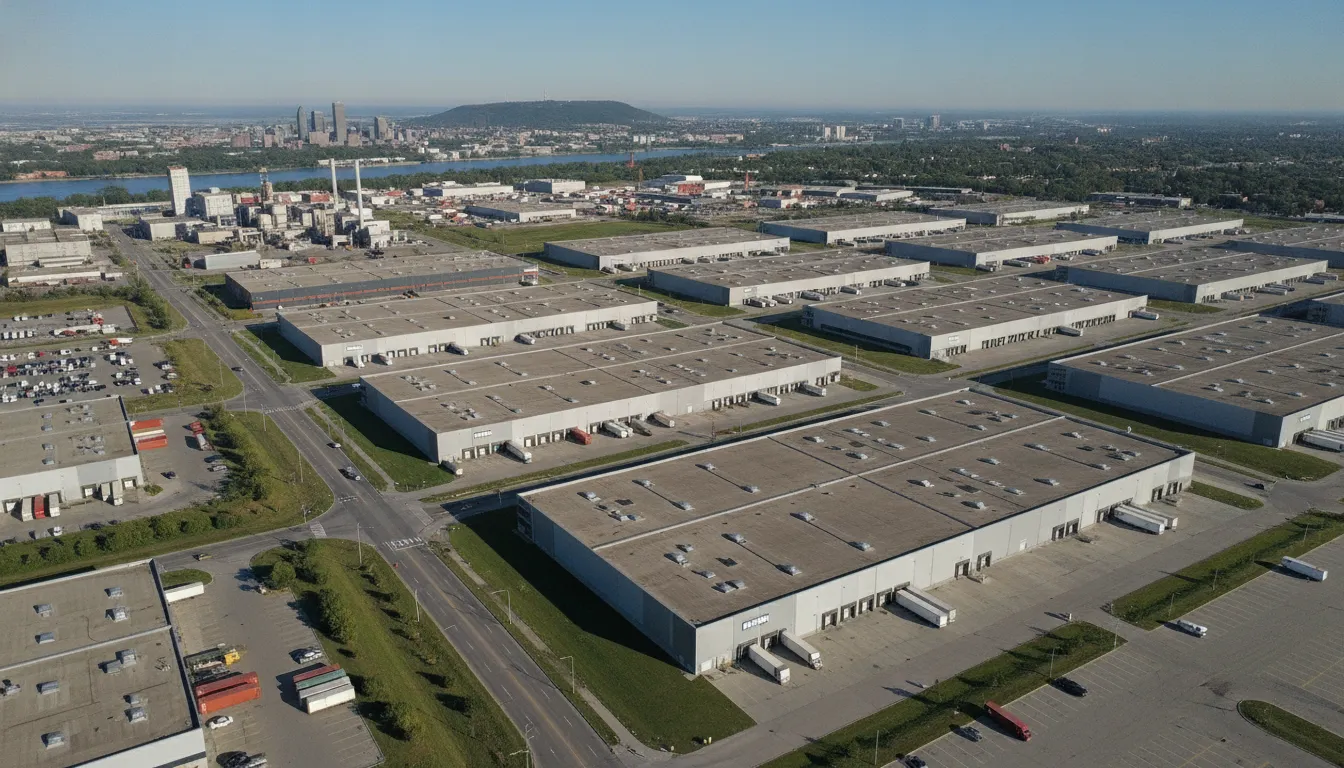
Look for experience and a solid reputation

When it comes to industrial properties, experience isn’t just a number; it’s a track record of solving complex problems. A manager with deep roots in the industry will have seen it all, from handling tricky lease negotiations to coordinating large-scale maintenance projects. A reputable firm will be open about their past work and happy to provide references. Don’t hesitate to ask for case studies or to speak with current clients who own properties similar to yours. A long history in the business is often a great indicator of stability and expertise, showing they’ve successfully managed properties through various economic cycles.

Check their list of services

Before you sign a contract, make sure the manager’s offerings cover everything your property needs. A truly comprehensive property management plan goes beyond the basics. Do they just handle rent collection, or do they also manage tenant relations, coordinate preventative maintenance, and provide detailed financial reporting? Your goal is to step back from the day-to-day operations, so you need a partner who can handle every detail. Review their service list and ask how they approach specific tasks like marketing vacant units or ensuring compliance with local regulations. The right fit is a company whose services let you be as hands-off as you want to be.

Confirm their local market knowledge

A property manager with extensive knowledge of the Montreal area is an invaluable asset. They will understand the nuances of different industrial parks, from Saint-Laurent to Anjou, and know the current market rates to ensure you’re getting the best return on your investment. This local expertise is also critical for attracting and retaining quality tenants. A manager who knows the local market can effectively advertise your vacancies to the right businesses, whether they’re in logistics, manufacturing, or distribution. They can also handle local codes and regulations, saving you from potential headaches and fines down the road.

Ask about technology and communication

Clear and consistent communication is the foundation of a great owner-manager relationship. Ask potential managers how they use technology to keep you informed. Do they offer an online portal where you can access financial statements, maintenance updates, and inspection reports at any time? Modern management systems make a huge difference in streamlining operations and providing transparency. You should know how they handle emergency requests and what their standard procedure is for providing updates on routine property inspections. The right technology ensures you’re always in the loop without being bogged down by minor details.

Why Montreal Industrial Property Owners Trust PGK

Well-maintained industrial park in Montreal with modern facilities and clean infrastructure

Choosing a manager for your industrial property is a big decision. You aren’t just hiring someone to collect rent; you’re entrusting them with a significant asset. For industrial property owners in Montreal, that trust is often placed with PGK, and for good reason. With a track record stretching back to 1986, we’ve spent decades mastering the ins and outs of the local real estate landscape. This isn’t just about years in business; it’s about deep-seated experience managing the specific challenges and opportunities that come with Montreal properties.

Our approach is built on providing comprehensive property management that covers every single detail. From proactive maintenance that prevents costly repairs down the line to handling all tenant communications and lease administration, we manage the day-to-day so you don’t have to. We also conduct thorough property inspections to ensure your building remains safe, compliant, and in top condition, protecting its long-term value. This all-in-one service means you get peace of mind knowing every aspect of your investment is being professionally handled.

What truly sets us apart is our specialized knowledge of the Montreal industrial market. We understand the local trends, like the current high demand for smaller industrial buildings. This insight allows us to position your property effectively, attract quality tenants, and secure profitable returns. It’s this combination of seasoned experience, complete services, and sharp local expertise that makes PGK the reliable partner Montreal industrial property owners count on to protect and grow their investments.

Related Articles

Frequently Asked Questions

Is my industrial property too small to need professional management? Not at all. The need for management is more about the property’s complexity than its square footage. Even smaller light assembly or flex spaces have specific needs, like specialized maintenance, tenant relations, and compliance with safety codes. A professional manager ensures these details are handled correctly, protecting your investment and freeing up your time, regardless of the property’s size.

How does paying a management fee actually save me money? It’s a great question. Think of it as a strategic investment rather than just a cost. An experienced manager saves you money in several ways: they use their network of trusted vendors to get better pricing on repairs, they prevent expensive emergencies with proactive maintenance, and they reduce costly vacancies by keeping great tenants happy. This leads to a healthier net operating income and a better long-term return on your investment.

What’s the most important thing to look for in an industrial property manager? While there are many factors, specialized experience is critical. You want a manager who understands the unique demands of industrial properties, from logistics and heavy machinery to complex safety regulations. Just as important is deep local market knowledge. A manager who knows the Montreal area can set competitive rents, attract the right tenants, and handle local ordinances, which is invaluable for protecting your asset.

How involved will I have to be once I hire a manager? Your level of involvement is entirely up to you. The goal of hiring a professional is to give you back your time and provide peace of mind. A good manager will handle all the day-to-day operations, from tenant communication to maintenance coordination. They provide you with clear, regular financial reports and updates, so you always know how your investment is performing without having to manage the small details yourself.

Why can’t I just use a regular commercial property manager for my warehouse? Industrial and commercial properties serve very different functions, and their management requires different expertise. A commercial manager is skilled in areas like retail foot traffic and office aesthetics. An industrial manager, however, must understand logistics, specialized zoning, environmental compliance, and the operational needs of tenants who are manufacturing or distributing goods. Using a specialist ensures your property is managed by someone who truly gets its unique challenges.

Professional apartment building exterior in Montreal with well-maintained facade on a tree-lined street

Owning multi-unit property in Montreal comes with unique challenges. Language laws and strict rent controls both affect how you run your building. Professional management helps owners maintain steady cash flow while avoiding the legal risks of local housing rules. With over 35 years of experience serving Montreal, PGK Realty Services provides a complete approach to apartment building management for residential, commercial, and industrial properties. Submit a request for a proposal to PGK Montreal to see how our team protects your investment.

Apartment building management Montreal covers all daily tasks for multi-unit properties, from tenant screening in both English and French to TAL compliance and automated rent collection. Professional managers coordinate maintenance, conduct weekly inspections, and ensure every property follows Quebec’s strict housing laws. This approach helps local and international investors protect their returns while reducing vacancies through stronger tenant retention. PGK has provided complete care since 1986, allowing owners to focus on growing their portfolios rather than handling day-to-day operations.

The sections below walk through every component of professional apartment building management, from bilingual screening through TAL lease administration. And show how the right partner turns your property into a stable source of income.

Modern apartment building exterior in Montreal with professional landscaping and tree-lined street

Apartment Building Management Montreal: What Is Apartment Building Management in Montreal?

Apartment building management Montreal involves the complete daily oversight of multi-unit rental properties. This service helps owners handle the complex legal and operational tasks of the local market. Since 1986, professional property management has provided owners with a way to protect their assets while meeting local rules.

Apartment building management Montreal covers tenant placement, rent collection, maintenance coordination, and full compliance with Quebec’s Tribunal administratif du logement rules. Professional managers handle each of these areas through established systems designed to protect owner returns.

Core property services

Professional managers handle the main tasks that keep a building running well. This includes rent collection, maintenance coordination, and bookkeeping for owners. Teams also manage tenant screening and leasing in both English and French. These systems ensure that international property owners can keep their units filled with high-quality tenants.

How professional management works

The process of apartment building management follows a structured cycle. Here is how it typically works:

  1. Property assessment. Your manager reviews the building condition, current leases, and any urgent needs.
  2. Tenant placement. Vacant units are marketed and prospective tenants are screened through credit and background checks.
  3. Lease signing. A Quebec-compliant lease is drafted and signed in the tenant’s preferred language.
  4. Ongoing operations. Rent is collected, maintenance is handled, and inspections are performed on a regular schedule.
  5. Reporting and review. Financial reports are prepared so you can track your returns and plan for the future.

Legal and local compliance

In Quebec, the Tribunal administratif du logement (TAL) governs all residential lease rules. Managers must follow strict laws for rent increases and lease renewals. Professional oversight ensures that every lease and tenant interaction meets the standards set by the Civil Code of Quebec. This protects owners from legal risks and helps maintain stable rental income over time.

How Does Bilingual Tenant Screening Work in Montreal?

Finding the right renters is the first step to successful apartment building management Montreal. Our team uses a bilingual process to reach the widest pool of candidates. We list openings in both English and French to attract local and global renters. This dual approach helps you find stable people who will care for your property.

Bilingual tenant screening in Montreal involves listing vacancies in both English and French. Running deep credit and background checks, verifying employment and landlord references, and drafting Quebec-compliant leases in the tenant’s preferred language. Thorough screening directly improves tenant retention and reduces vacancy costs.

Deep background checks

We run full checks on every person who applies. This includes credit reports and work history. We also talk to past landlords to see how the person behaved before. Our team follows standards like those from the Consumer Financial Protection Bureau to ensure all data is fair. These deep checks help stop problems like late rent or damage before they start.

Lease setup and retention

Once we find a good match, we handle the lease signing in the language the renter prefers. We make sure all terms follow local laws to protect your rights as an owner. Good screening leads to retaining quality tenants in Montreal for the long term. This reduces the cost of empty units and keeps your cash flow steady. Our goal is to give you peace of mind by placing reliable people in your building.

How Does Automated Rent Collection Work in Montreal?

Managing cash flow for an apartment building management Montreal portfolio needs strict systems. PGK Montreal uses automated rent collection to ensure on-time payments from every tenant. This process reduces late fees and gives owners a clear view of their monthly income.

Automated rent collection in Montreal uses electronic payment systems that process tenant rent on scheduled dates each month. Owners receive detailed monthly statements showing every payment, fee, and expense. This eliminates manual tracking and provides the financial transparency that institutional investors and international owners require.

Accurate monthly bookkeeping

Property owners need good data to make smart investment choices. Our team provides full bookkeeping and financial reporting that meets high standards. We track every cost and income source to help you prepare for tax season without stress.

Quebec rent increase rules

Setting the right rent is vital for long-term growth. In Quebec, owners must follow the annual rules from the Tribunal administratif du logement (TAL). These rules help you find fair rent increases based on taxes, insurance, and building repairs.

We provide custom plans for our tenant management and financial services. Our experts help you follow local laws so you can protect your rental income.

Lease Administration Under Quebec’s TAL Framework

Apartment building management in Montreal requires deep knowledge of local laws. The Tribunal administratif du logement (TAL) governs all rental lease disputes and rent changes in the province. Owners must follow strict rules for lease renewals and notice periods. Failure to meet these dates can lead to costly legal delays or unwanted lease terms.

Lease administration under Quebec’s TAL framework requires strict adherence to annual rent increase formulas, notice deadlines, lease renewal timelines, and standardized contract forms. Professional management teams handle every notice within legal windows to protect owners from contested hearings and lost income.

Managing lease renewals and rent increases

In Montreal, rent increases must follow exact TAL rules each year. Our team works out these changes based on taxes, insurance, and repair costs. We send all notices within the legal windows to protect your rights as an owner. This careful work helps you avoid the stress of contested hearings or lost income.

Protecting owners from legal risks

PGK Montreal handles every detail of tenant management and lease administration to shield you from risk. We ensure all contracts use the needed forms set by the Civil Code of Quebec. Our team manages lease transfers and sublets while keeping your site in line with current rules. This expert care provides peace of mind for both local and foreign owners.

Property manager shaking hands with a tenant in a bright Montreal apartment, professional real estate photography

What Preventative Maintenance Protects Your Montreal Investment?

Proactive care is the key to protecting your return when using apartment building management Montreal services. PGK handles all repair tasks to stop small issues from becoming costly. We also offer a free professional insurance check for our clients. This service can lead to substantial savings of up to 40% on property insurance costs for owners.

Preventative maintenance for Montreal apartment buildings includes 24-hour emergency response, weekly vacant unit inspections, routine HVAC and plumbing checks, and proactive vendor management. PGK also provides free annual insurance evaluations that can save owners up to 40% on premiums while ensuring full coverage for their properties.

24-hour emergency response

Tenant safety and building security need round-the-clock care. PGK provides 24-hour emergency response through our on-site staff. This constant presence ensures that leaks or broken systems are fixed right away. Quick action helps stop property damage and keeps tenants satisfied. You can learn more about retaining quality tenants in Montreal through our guides.

Weekly vacant unit inspections

Empty units are at risk for theft, damage, or hidden water leaks. To stop these risks, we perform weekly vacant property checks for every empty unit in your building. Our staff looks for signs of entry and ensures all parts of the home work. Regular checks are vital for meeting safety rules set by the Centers for Disease Control and Prevention for building water systems.

Customized Management Plans for Every Montreal Property Owner

Every building has its own needs. We offer flexible plans that fit your goals as a property owner. You can choose from full-service care or pick only the services you need. Our team helps you manage your assets without the stress of daily tasks.

PGK offers both full-service and partial management plans. Full management covers every operational detail including tenant screening, rent collection, maintenance, and TAL compliance. Partial management allows owners to select specific services such as tenant placement or financial reporting while managing other aspects themselves.

Full-service asset management

For most owners, complete management is the best choice. This path gives you peace of mind because we handle every detail. We take care of rent collection, repairs, and 24-hour response. This is often the ideal choice for international property owners who cannot be on site.

Tailored support options

Some owners prefer to stay active in some parts of their business. We can help with specific tasks like tenant search or financial reports. Our goal is to give you exactly what you need to succeed. We base our professional management fees on a custom proposal for your building.

Comparing your management options

Service Feature Full Management Partial Management
Tenant screening and leasing Full bilingual process Optional add-on
Rent collection Automated monthly system Optional add-on
Maintenance coordination 24-hour emergency response As needed basis
Bookkeeping and reporting Monthly financial reports Quarterly or custom
Property inspections Weekly vacant checks Monthly checks
TAL lease administration Full legal compliance Advisory support
Insurance evaluation Free annual review Free annual review

We work with you to build a plan that works. This helps you grow your wealth while we take care of the hard work. Our team ensures your tenant management and lease administration stay on track.

Frequently Asked Questions

How much does apartment building management cost in Montreal?

Most Montreal firms use custom pricing instead of flat rates. Fees depend on the size of your building and the services you need. PGK Montreal provides quotes that match the exact needs of each property owner. This means you pay only for the services you require while maximizing your monthly rental income.

Is professional property management worth the investment for Montreal owners?

Hiring a professional manager typically leads to higher income by filling units faster and retaining quality tenants. Experts handle complex tasks like tenant screening and maintenance coordination, which saves owners significant time. Professional oversight under Quebec’s strict TAL rules prevents costly legal mistakes. These advantages typically pay for themselves by preserving and increasing the long-term value of your Montreal building.

Can international investors manage Montreal rental properties remotely?

Yes, owners from other countries can manage Montreal buildings by working with a local team that knows the bilingual market. PGK Realty Services supports owners from France, Germany, England, and the Bahamas. These firms handle everything from tenant screening to weekly building inspections. By using a local expert, you can be confident your building complies with the Civil Code of Quebec even when you are far away.

How do I find a reliable apartment building manager in Montreal?

Look for a company with proven experience in the Montreal market. It is essential to choose a partner that operates in both English and French and maintains institutional-grade reporting standards. Verify that the firm knows the local Tribunal administratif du logement (TAL) rules thoroughly. A reliable manager will provide a clear plan showing how they handle tenant placement, maintenance, and rent collection to give you peace of mind.

Ready To Increase the Value of Your Montreal Apartment Building?

Managing your own building often leads to higher tenant turnover and missed revenue opportunities that erode long-term profits. Delaying professional management can expose you to legal complications and maintenance issues that become more expensive to resolve over time. Starting today helps you retain quality tenants and gives you peace of mind while our proven systems protect your assets. We handle every detail of daily operations so your investment grows without the stress of hands-on management.

Ready to boost your property value? Call (514) 931-5111 to submit a request for a proposal for your building today.