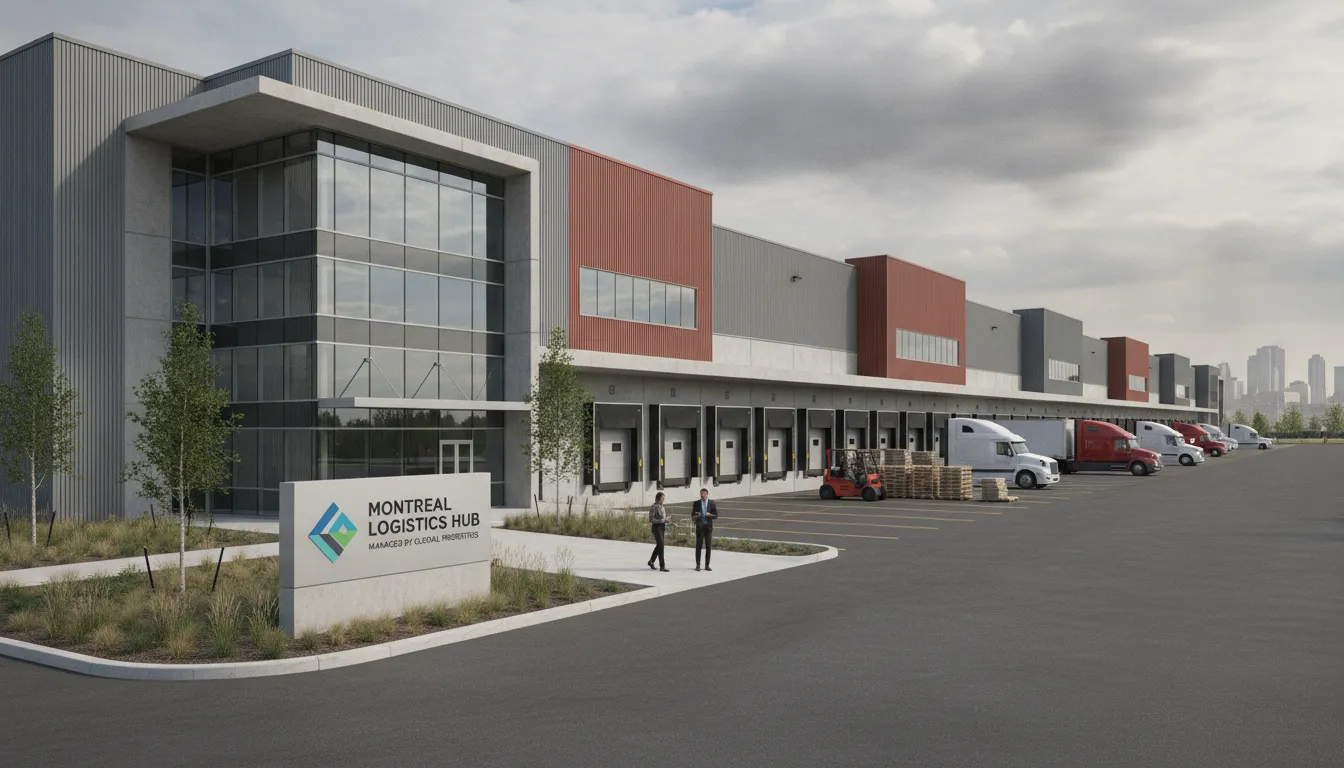
Managing an industrial facility in the Greater Montreal Area from a distance introduces complex operational and regulatory risks. Owners must balance specialized facility maintenance, strict local environmental codes, and demanding corporate tenants without being on-site daily. To protect asset value and ensure continuous operations, smart owners use professional systems to handle these heavy daily burdens.
Industrial property management Montreal services provide comprehensive oversight for warehouses, manufacturing plants, and industrial complexes in Quebec. According to Statistics Canada, the industrial real estate sector has seen substantial growth driven by e-commerce and logistics demand. Managing these active properties requires specialized skill. Experienced property management firms handle critical tasks like maintenance coordination, bookkeeping, rent collection, and tenant management. They also oversee strict Quebec environmental compliance, which includes stormwater regulations, waste protocols, and site safety standards. This professional oversight gives international investors and institutional trusts complete peace of mind while protecting their physical assets.
Contact PGK Realty Services today to request a custom proposal for your industrial property management needs in the Greater Montreal Area and ensure your facility meets every operational and environmental standard.
What Is Industrial Property Management and Why Is It Essential for Montreal Industrial Properties?
Industrial property management Montreal is the professional oversight and operational care of buildings built for logistics, storage, and production. These sites form the physical backbone of supply chains and manufacturing. They need distinct expert care because their physical systems are complex and their uses are heavy.
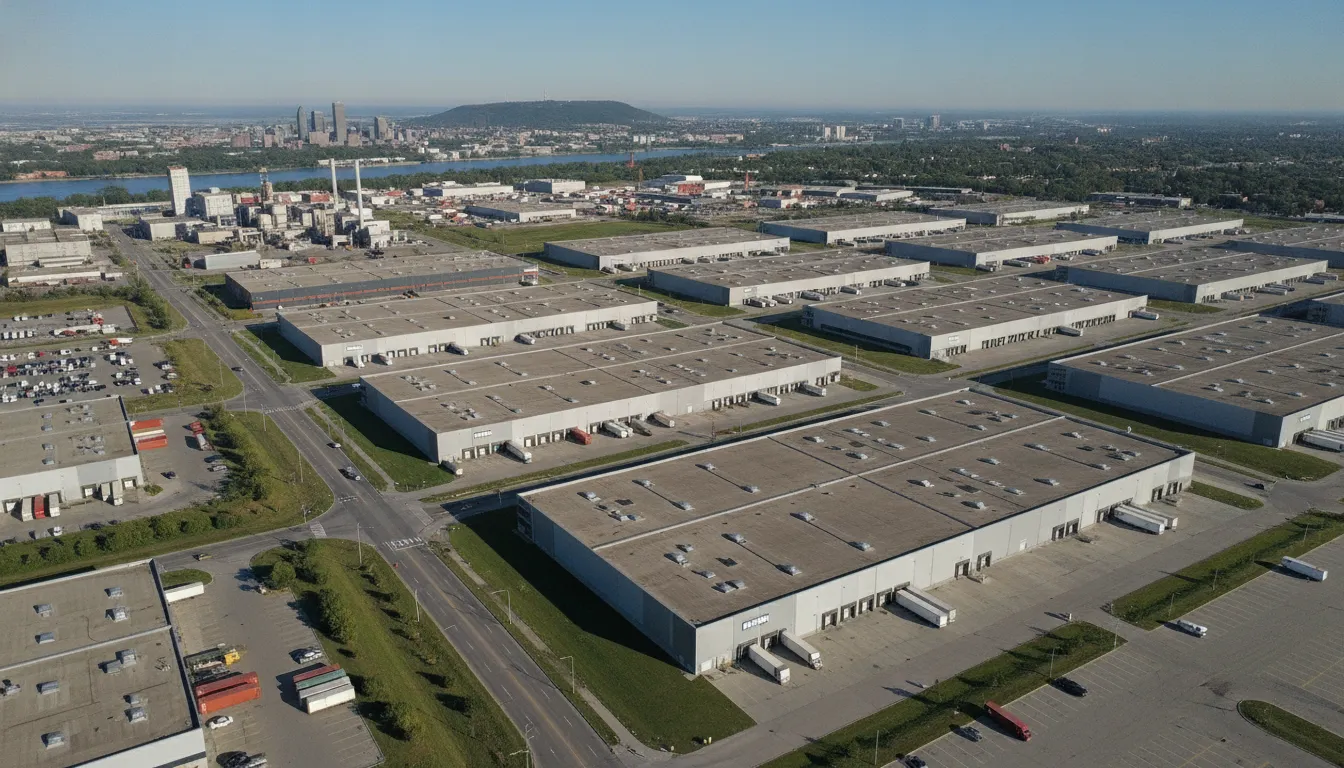
In the Greater Montreal area, this work is vital. The city serves as a major trade and transit hub that connects eastern Canada with the northeast United States. The Port of Montreal and local rail lines create a vast network of shipping routes. This strategic spot creates high demand for well-run industrial spaces. Property owners need specialized management to keep their investments profitable and safe.
Diverse Management Roles for Industrial Property Types
The duties of an industrial manager change based on the type of facility they oversee:
- Warehouses require detailed logistics support, such as dock scheduling and coordination to keep truck traffic moving and prevent delays at loading bays.
- Manufacturing plants focus on equipment uptime tracking and scheduling that respects production lines to prevent costly work stoppages during building repairs.
- Cold storage sites need precise temperature monitoring and verification of backup generators since a short power loss could ruin valuable stock.
- Distribution centres require active traffic flow management and routine upkeep of conveyor systems to maintain throughput.
Each property type needs a manager who understands these technical steps.
Maintenance Coordination and Local Logistics Demands
Practical maintenance coordination is much more than simple cleaning. It involves scheduling heavy crane inspections and maintaining complex fire suppression systems. It also covers managing waste disposal contracts and clearing snow from large parking and staging areas. This last task is crucial during harsh Quebec winters to keep logistics hubs open. According to Statistics Canada, industrial sector growth was fuelled by e-commerce demand for logistics centres. This growth means spaces must run without stop. Well-run operations protect the building structure and help tenants meet their tight delivery schedules.
Key Differences Between Industrial and Other Property Types
Industrial management differs from residential or commercial management in several clear ways:
- Lease complexity: Industrial leases often use triple-net (NNN) terms where tenants pay taxes, insurance, and maintenance in addition to base rent.
- Building systems: Industrial facilities require specialized care for heavy electrical feeds, high-capacity floor loads, and complex fire suppression systems rather than simple office HVAC units.
- Risk profiles: Industrial tenants may use heavy machinery or store hazardous goods, creating higher liability exposure for property owners.
- Tenant relationships: Industrial tenant management focuses on utility capacities, site access, dock scheduling, and waste handling rather than standard office layouts.
These differences show why generic property care is not enough for complex industrial assets. Expert care helps owners secure long-term industrial property management benefits like tenant retention and stable returns.
Environmental Compliance in Quebec: Key Regulations for Industrial Property Operations
Operating industrial assets in the Greater Montreal area requires strict adherence to environmental laws. Under the Quebec Environment Quality Act (Q-2), industrial sites must meet rigorous standards to prevent land and water degradation. Professional property management ensures full compliance and protects owners from severe liabilities and regulatory penalties.
Because property management services for industrial properties involve active chemical and mechanical processes, continuous oversight is essential to maintain long-term asset value.
Quebec Environment Quality Act (Q-2) Compliance
The Quebec Environment Quality Act serves as the primary provincial framework for environmental protection. Under this act, any industrial operation likely to release a contaminant into the environment must obtain a Certificate of Authorization before work starts. This provincial rule applies to warehouses, manufacturing plants, and logistics hubs. According to federal environmental guidelines, industrial property management Montreal assets must undergo environmental assessments to ensure operations do not cause significant adverse environmental effects. Property managers supervise these applications, track emissions limits, and manage mandatory provincial filings for waste management and hazardous material storage.
Montreal Municipal Permits and Standards
Industrial facilities within the Ville de Montreal must comply with strict municipal bylaws. Industrial zones face tight noise limits, with decibel caps enforced at the property line to protect adjacent commercial or residential zones. Municipal air quality permits are mandatory for any process that releases particulate matter. Wastewater discharge standards require careful monitoring, and industrial properties must pre-treat any discharge containing grease, heavy metals, or acidic substances to prevent sewer damage. Skilled managers set up local monitoring systems to verify that all wastewater matches local municipal thresholds.
Stormwater and Infrastructure Maintenance
Stormwater management is a critical operational focus for industrial complexes in Quebec. Heavy rains can wash contaminants from large industrial roofs and paved yards into local ecosystems. According to government environmental evaluations, effective property management for industrial sites often involves the use of stormwater systems. These setups include retention ponds, bioswales, and oil-grit separators that filter runoff water. Professional managers organize strict maintenance plans that include semi-annual cleaning of separators, pond depth checks, and structural inspections to comply with Quebec stormwater guidelines.
Common Regulatory Pitfalls in Industrial Operations
Industrial owners frequently face significant operational and legal risks due to simple compliance oversights. The most common pitfalls include:
- Missing municipal permit renewals that result in lapse of operational authorization
- Improper storage of hazardous waste in unapproved containers or locations
- Inadequate spill containment plans for chemical or fuel storage areas
- Failing to report accidental spills to provincial authorities, which can lead to immediate shutdown orders and substantial fines
To avoid these issues, professional managers implement quarterly audits, use digital compliance calendars, and maintain direct reporting lines to the property owner. This ensures that every operational permit remains active and every safety protocol is fully met.
What Are the Core Operations and Maintenance Requirements for Industrial Properties in Montreal?
Operating large industrial facilities in the Greater Montreal Area requires rigorous attention to physical infrastructure and daily workflows. Professional industrial building management services deliver complete peace of mind by handling the intense operational demands of warehouses, manufacturing plants, and distribution hubs.
Preventive Maintenance and Infrastructure Care
Preventive care is the foundation of asset protection for industrial property management Montreal. Facility managers set up strict schedules for critical building systems to avoid costly downtime:
- HVAC systems receive quarterly filter changes and detailed seasonal inspections to maintain climate control for sensitive goods and equipment
- Electrical systems undergo annual thermographic scanning and regular breaker testing to prevent power failures that could halt production
- Roof management includes semi-annual inspections and rapid leak response protocols to protect valuable stored goods
- Fire suppression systems receive monthly pump tests and annual certifications to comply with Quebec safety codes
Effective property management often involves the implementation of stormwater management systems to mitigate environmental impacts on industrial sites, as noted by the Canadian Environmental Assessment Agency.
Specialized Vendor Management
Industrial complexes rely on highly technical systems that standard commercial handymen cannot service. Professional managers maintain a pre-vetted network of specialized professionals who understand the unique needs of industrial buildings:
- Industrial electricians for high-voltage systems and motor controls
- Millwrights for conveyor systems and heavy machinery maintenance
- HVAC specialists for industrial-scale climate and ventilation systems
- Environmental consultants for regulatory compliance audits
- Structural engineers for floor load assessments and building integrity
Because these vendors are pre-vetted, they respond quickly to urgent needs and keep facilities compliant with local codes. Reliable maintenance coordination, bookkeeping, and rent collection form the core of these operational services, allowing institutional owners to maintain fiduciary-grade standards across their portfolios.
Industrial Tenant Relations and Facility Inspections
Managing tenants in an industrial setting involves coordinating complex daily activities. Industrial property managers handle tenant-specific operational needs such as dock scheduling for shipping and receiving. Utility submetering for heavy power users to ensure fair billing, specialized waste disposal coordination, and compliance oversight for hazardous material storage laws. Regular walk-throughs ensure that tenants do not damage the building or violate environmental rules. According to PGK customer guidelines, tenant management and property inspections are essential to maintain facility standards and ensure lease compliance.
Emergency Response Protocols
When emergencies happen, industrial sites require immediate action to prevent major business losses. Professional property managers set up clear emergency response plans for scenarios like fires, floods, power failures, or chemical spills. An on-call superintendent structure ensures that a qualified expert is available 24 hours a day to handle urgent problems. This structure is backed by formal escalation procedures and standby agreements with key vendors.
Industrial Lease Negotiation and Tenant Relations in Montreal
Negotiating an industrial lease in the Greater Montreal Area requires a deep understanding of commercial real estate structures and local market norms. Unlike residential tenancies, industrial contracts place significant operational and financial duties on the occupant. Professional industrial building management services help owners navigate these complex negotiations while protecting asset value.
Structuring Industrial Leases in Quebec
Most industrial assets in Montreal use a triple net lease (NNN) structure. Under a NNN agreement, the tenant pays a base rent plus their share of property taxes, building insurance, and common area maintenance (CAM) costs. Property managers must carefully calculate and reconcile CAM fees each year. Typical industrial CAM items in Montreal include snow removal from loading docks, parking lot paving, landscaping, exterior lighting upkeep, and site security.
Some complexes use modified gross or industrial gross leases, where the landlord covers certain operating costs up to a set base year. Clearly defining these expenses prevents future billing disputes and ensures financial transparency. Lease agreements also specify how rent increases over time to offset inflation. Industrial contracts typically feature annual rent escalations tied directly to the Consumer Price Index (CPI) or fixed yearly percentage increases, such as two to four percent.
Load-Bearing Clauses and Environmental Compliance
Industrial properties face strict provincial oversight, particularly regarding environmental protection. In Quebec, lease agreements must include robust environmental indemnification clauses. These terms state that the tenant indemnifies the landlord for any soil, water, or air contamination caused by their business activities. This risk management is a core part of Montreal property management services, as industrial sites often handle hazardous materials or heavy machinery. According to the Canadian Environmental Assessment Agency, rigorous environmental assessments and mitigation measures are vital for preventing significant adverse effects on local ecosystems.
To protect the physical asset, the lease must outline strict use clauses that restrict the storage of hazardous waste. Landlords must retain a clear right to inspect the premises with reasonable notice to verify substantial compliance with all local, provincial, and federal environmental laws.
Tenant Improvement Allowances and Facility Fit-Outs
Industrial spaces rarely fit a new occupant’s operational needs perfectly out of the box. Landlords often provide a tenant improvement (TI) allowance to help fund the custom build-out of the warehouse or manufacturing floor. Typical industrial fit-outs involve installing heavy-duty hydraulic dock levellers, modifying ceiling heights to accommodate high-bay racking systems, or converting warehouse space into office areas. A professional manager oversees these fit-outs to ensure all modifications comply with local building codes, load-bearing floor limits, and electrical safety standards.
Maintaining Proactive Tenant Relations
Once the lease is signed, retaining a high-quality tenant requires structured communication and consistent property oversight. Experienced managers run quarterly business reviews and annual property walks alongside the tenant’s facilities managers. These walks help identify wear on concrete floors, roof joints, and utility systems before they become costly emergencies. Routine property management services also rely on systematic tenant management, including detailed maintenance request tracking and clear utility submetering protocols.
The Value of Professional Industrial Property Management for Montreal Property Owners
Managing logistics hubs, manufacturing plants, and storage facilities involves complex operational duties and tight rules. For many owners, handling these tasks alone leads to high vacancy rates, legal issues, and rising costs. Professional industrial property management benefits turn these operational burdens into clear financial gains.
How Professional Management Compares to Self-Management
Operational success in industrial real estate requires constant oversight and specialist skills. Self-management often results in slow response times, missed maintenance tasks, and poor reporting. The comparison table below shows how professional management improves key operational metrics for industrial facilities.
| Operational Area | Self-Management Approach | Professional Management Approach |
|---|---|---|
| Average Vacancy Rates | Often high due to slow marketing and lack of local networks | Minimized through active marketing and tenant retention programs |
| Regulatory Compliance | Reactive updates that increase the risk of local fines | Proactive scheduled audits to meet all Quebec standards |
| Insurance Cost Optimization | Standard market rates with no special discounts | Free professional safety evaluation to optimize premium costs |
| Financial Reporting Quality | Basic spreadsheets that lack audit trails | Fiduciary-grade transparent statements for all transactions |
| Technology Capabilities | Manual tracking of tasks, rent, and lease terms | Advanced management software for real-time portfolio tracking |
| Lease Administration | Basic agreements that may miss environmental clauses | Custom legally vetted industrial lease contracts |
The Institutional Perspective on Industrial Portfolios
Financial institutions, trusts, and funds have strict rules for managing their real estate assets. According to customer standards, these institutional clients expect fiduciary-grade management and professional reporting to protect their investments. They need clear audit trails, robust financial books, and professional liability coverage that self-managed properties rarely have. These large investors must show that their properties meet all local safety and environmental codes. Professional property management companies use advanced software and certified systems to track every detail, satisfying trust audits and lowering liability risks.
Calculating the Return on Investment
Professional oversight is not just an expense; it is a reliable way to boost your bottom line. Owners see a strong return on investment through several direct financial paths:
- Shorter vacancy periods through active marketing and local tenant networks that fill gaps quickly
- Optimized lease negotiation that secures higher rental rates and favorable terms reflecting current market demand
- Lower maintenance costs through preventive care that stops minor issues from becoming costly emergency repairs
- Regulatory protection that shields owners from costly environmental fines under rules like the Canadian Environmental Assessment Act
These combined savings easily outweigh the cost of management services.
The PGK Montreal Advantage
PGK Montreal has provided elite property oversight for more than 35 years. Since our founding in 1986, we have helped local and international owners secure peace of mind. Our team speaks both English and French to deliver seamless bilingual service to all clients. We use a vast network of vetted local contractors to keep your buildings in top shape. Our deep experience covers international real estate investors from France, Germany, England, Hong Kong, and the Bahamas. We also offer a free insurance evaluation that has shown savings of up to 40% on premiums for qualified properties. Let our team handle your day-to-day operations so you can focus on growing your business.
How Does Professional Industrial Property Management Protect Your Investment?
Professional industrial building management services protect your investment by providing continuous regulatory compliance, specialized maintenance coordination, and proactive tenant management that maximizes property value and minimizes operational risk for Montreal industrial assets.
Industrial properties in the Greater Montreal Area face unique operational demands that go far beyond standard commercial property management. From strict Quebec environmental regulations under the Q-2 Act to the complexities of triple-net lease administration, these assets require specialized expertise. Professional managers ensure that every aspect of your property runs smoothly, from stormwater compliance and preventive maintenance to tenant relations and emergency response.
Key ways professional management protects your investment include:
- Quarterly compliance audits that identify and resolve regulatory issues before they become violations
- Preventive maintenance programs that extend equipment life and reduce costly emergency repairs
- Structured tenant communication that improves retention and reduces vacancy periods
- Advanced financial reporting with fiduciary-grade transparency for institutional investors and trusts
- 24-hour emergency response capability with on-call superintendents and vetted vendor networks
When you partner with a full-service property management firm. You gain a dedicated team that treats your industrial assets with the same care and attention as their own portfolio.
Frequently Asked Questions
How much does industrial property management Montreal services cost?
Management rates for industrial sites are priced on a custom proposal basis to match your specific facility needs. Your total cost depends on factors like building size, system complexity, and required environmental compliance monitoring. Contact PGK Realty Services directly for a customized quote based on your property’s specific requirements.
What does environmental compliance involve for industrial property management Montreal owners?
Environmental compliance means keeping your property aligned with local, provincial, and federal laws. In Quebec, this includes managing hazardous waste, emissions, and water safety. According to the Impact Assessment Agency of Canada, industrial sites must undergo rigorous environmental assessments. Managers oversee these rules, monitor stormwater systems, and run regular inspections to protect owners from fines.
How do managers handle stormwater systems at Montreal industrial sites?
Managers protect your property and local waterways by maintaining certified stormwater systems. According to the Impact Assessment Agency of Canada, stormwater systems are vital to mitigate runoff damage. Managers schedule regular cleanings, clear debris, and run professional inspections to meet municipal environmental codes.
How often are vacant industrial properties inspected?
Vacant warehouses or manufacturing facilities are inspected weekly to ensure site security and prevent building deterioration. These structured visits focus on finding roof leaks, checking heating systems, and confirming that security systems are fully active. Weekly checks satisfy insurer mandates, maintain property value, and give owners complete peace of mind while their Montreal facility is empty.
Request a Proposal for Industrial Property Management in Montreal
Delaying professional oversight for your industrial assets can lead to expensive compliance violations and deferred maintenance issues. Managing these facilities without local expertise risks environmental fines and tenant disputes that impact your bottom line. Partnering with a dedicated firm now protects your investment and ensures your operations run smoothly from day one.
Ready to request a proposal for industrial property management services? Contact PGK Realty Services today to discuss your facility needs and receive a custom management proposal for your Greater Montreal Area property.