Many property owners view management fees as a simple operating cost. But what if you reframed it as a direct investment in your property’s profitability? The right management partner doesn’t just spend your money; they help you make more of it. By minimizing vacancies with high-quality tenants, negotiating better rates with maintenance vendors, and optimizing your building’s operational efficiency, they actively increase your net operating income. The most effective industrial building management services deliver a clear return on investment that often exceeds their own fees. This article will break down how a strategic partnership can improve your bottom line.
Key Takeaways
- Industrial management is a unique field: These properties have complex needs, including heavy machinery upkeep, stringent safety regulations, and specific tenant logistics, that go far beyond standard property oversight.
- A manager handles more than just rent: Professional services cover the entire property lifecycle, from marketing and tenant screening to coordinating maintenance, ensuring legal compliance, and providing detailed financial reports.
- The right partner improves your bottom line: A professional manager protects your asset’s value through proactive maintenance, reduces costly vacancies by keeping good tenants happy, and saves you money by using their network of trusted vendors.
What is Industrial Building Management?
If you own an industrial property, you know it’s a different beast than a residential apartment or a retail storefront. Industrial building management is a specialized field of property management that focuses exclusively on the unique needs of these spaces. We’re talking about properties like warehouses, distribution centers, manufacturing plants, and factories. The core job is to make sure these facilities run smoothly, safely, and profitably, but the day-to-day tasks look very different from other types of property oversight.
Managing an industrial site involves dealing with complex logistics, heavy machinery, specialized zoning laws, and stringent environmental and safety regulations. It’s not just about collecting rent and fixing leaky faucets; it’s about understanding the operational needs of your tenants, who might be running large-scale manufacturing or storing millions of dollars in inventory. A great industrial property manager acts as your partner, protecting your asset by handling these complexities. They ensure the building not only meets the tenant’s needs but also maintains its value and compliance over the long term, giving you peace of mind and a steady return on your investment.
Key responsibilities of a manager
An industrial property manager wears many hats to keep your property operating at its best. Their primary duties revolve around the financial and physical health of the building. This includes handling all lease agreements, from negotiation to renewal, and ensuring consistent rent collection. They also serve as the main point of contact for tenants, addressing concerns and maintaining a positive professional relationship to encourage long-term occupancy.
Beyond tenant relations, a manager is responsible for the building’s upkeep and safety. They coordinate regular maintenance, handle urgent repairs, and conduct routine property inspections to catch issues before they become costly problems. A huge part of this is ensuring the property adheres to all health and safety regulations, which are often much stricter for industrial sites. Ultimately, their goal is to keep the property functioning efficiently, minimizing risks and maximizing your returns.
Industrial vs. commercial management: What’s the difference?
While people sometimes use the terms interchangeably, industrial and commercial properties serve very different purposes, and so their management needs are distinct. Industrial properties are the backbone of production and logistics; they are spaces for making, processing, storing, and distributing goods. Think of large warehouses with loading docks or manufacturing plants with heavy-duty power infrastructure. The focus here is on function, durability, and logistical efficiency.
Commercial properties, on the other hand, are where business and retail happen. This category includes office buildings, retail stores, restaurants, and shopping centers. These spaces are designed for customer interaction and office work. Management for commercial properties often centers on things like foot traffic, aesthetics, and creating a welcoming environment for clients and customers. The core difference lies in the end-user and the building’s primary function.
Which Industrial Properties Need Management?
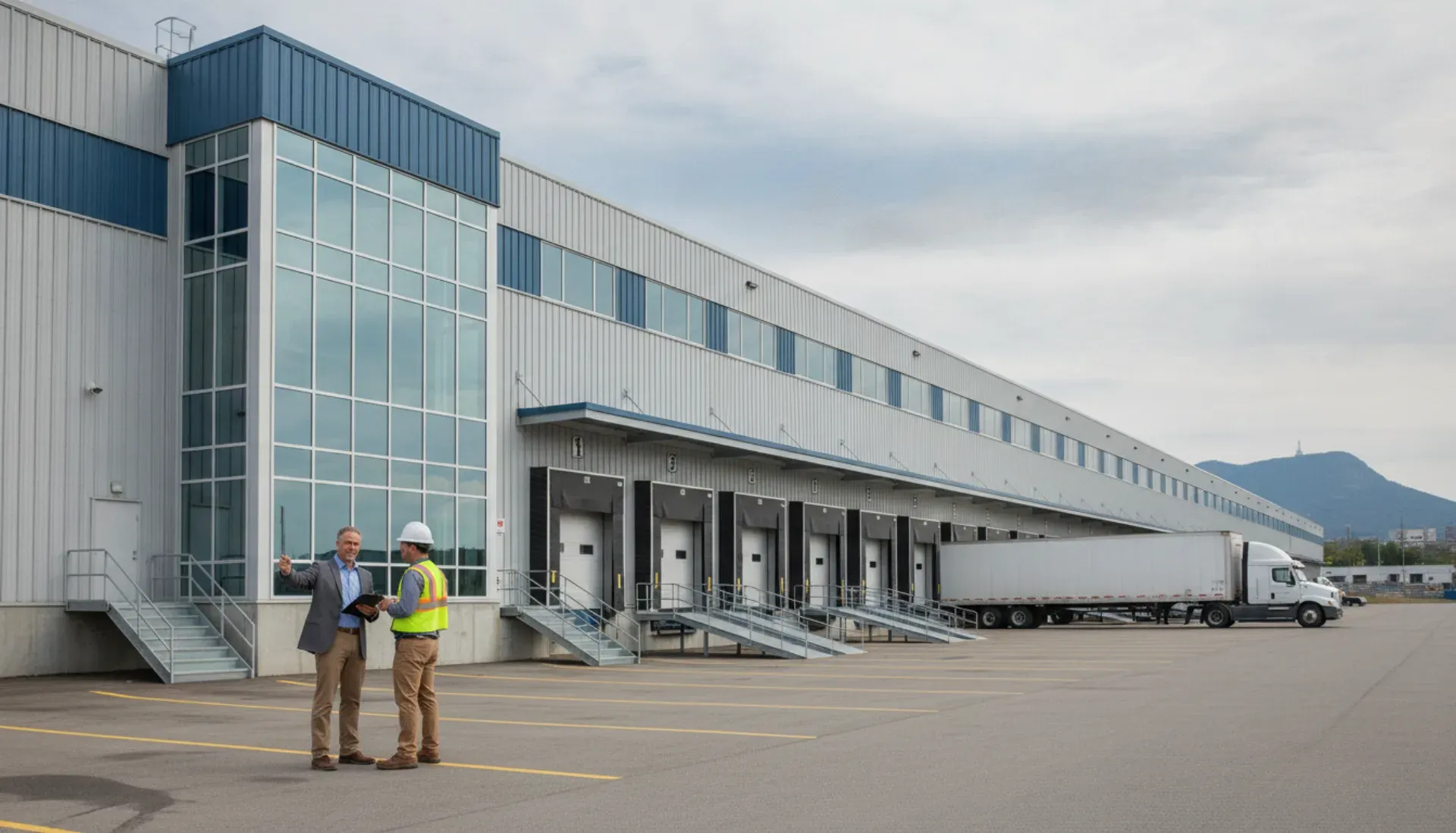
The term “industrial property” covers a wide range of buildings, each with its own set of operational demands. While they all serve commercial purposes related to production, storage, and distribution, their specific uses dictate their management needs. From massive distribution hubs to smaller, specialized assembly plants, understanding your property type is the first step toward effective management. A professional property management team can tailor their services to meet the unique challenges of your specific industrial space, ensuring it runs smoothly and remains a valuable asset.
Bulk warehouses
Bulk warehouses are the giants of the industrial world, often spanning more than 100,000 square feet. These facilities are designed for storing and moving large quantities of products across a region. Because of their function, they are typically situated near major highways for easy shipping access. Managing a bulk warehouse involves more than just collecting rent; it requires overseeing complex logistics, ensuring loading docks are operational, and maintaining vast structural systems. The constant flow of heavy trucks and goods means wear and tear is a significant concern, making regular inspections and proactive maintenance essential to prevent costly downtime and keep tenants satisfied.
Heavy manufacturing facilities
Also exceeding 100,000 square feet, heavy manufacturing facilities are custom-built for producing large-scale items like cars, steel, or chemicals. These properties are defined by their specialized infrastructure and heavy machinery. The management of these sites is particularly complex due to stringent safety regulations, environmental compliance, and the high cost of equipment maintenance. According to one industry resource, these places “need big changes if a new tenant moves in,” which makes tenant turnover a major project. An experienced manager is crucial for handling the unique demands of these industrial powerhouses, from coordinating specialized repairs to managing the extensive modifications required between leases.
Flex warehouses
Flex warehouses are versatile, single-story buildings that combine warehouse space with other uses, like offices or even retail showrooms. Their adaptable design makes them suitable for a wide range of businesses, from e-commerce fulfillment centers to automotive repair shops. This flexibility is their greatest strength, but it also presents a management challenge. A property manager must be able to cater to a diverse mix of tenants with different operational needs, from office heating and cooling to warehouse ventilation and loading bay access. Effectively managing a flex space means balancing these varied requirements to create a functional and harmonious environment for everyone.
Light assembly spaces
Light assembly spaces are typically smaller buildings used for producing lighter goods, such as electronics, apparel, or medical devices. These properties often feature a mix of office space, storage, and assembly areas, combining several functions under one roof. Unlike heavy manufacturing, these facilities don’t require massive structural modifications for new tenants, but they still need careful oversight. Management tasks include ensuring the layout supports an efficient workflow, maintaining climate control for sensitive products, and providing a clean, safe environment for employees. Proper property inspections are key to keeping these multi-use spaces in top condition and ready for business.
What Services Do Industrial Property Managers Offer?
When you own an industrial property, you’re managing more than just a building; you’re managing a complex asset with unique operational needs. A professional industrial property manager steps in to handle the day-to-day responsibilities, ensuring your property runs smoothly and remains a profitable investment. Their services are comprehensive, covering everything from tenant relations to complex regulatory requirements. Think of them as the dedicated director of your property, focused on protecting its value and optimizing its performance so you don’t have to. Let’s look at the specific services you can expect.
Managing leases and collecting rent
One of the most important jobs of a property manager is handling all aspects of the lease lifecycle. This starts with marketing your property to attract and screen high-quality tenants who are a good fit for the space. Once a tenant is found, your manager will draft and execute a solid lease agreement that protects your interests. From there, they take over the crucial task of collecting rent, ensuring payments are made on time, every time. They also act as the primary point of contact for tenants, professionally managing relationships and addressing any concerns to foster long-term, stable tenancies. This consistent oversight helps maintain a steady cash flow and reduces the headaches of tenant turnover.
Handling maintenance and repairs
Industrial properties have specialized systems that require consistent upkeep. A property manager is responsible for all maintenance, from routine preventative care to urgent repairs. They coordinate with a network of trusted vendors to fix issues with HVAC systems, electrical wiring, plumbing, and structural components, ensuring everything is kept safe and operational. This proactive approach minimizes downtime for your tenants and prevents small problems from turning into costly emergencies. By taking care of regular maintenance, a manager not only keeps your tenants happy but also works to preserve the long-term value and integrity of your building, protecting your significant investment.
Ensuring health, safety, and compliance
The regulatory landscape for industrial properties can be incredibly complex, with strict laws, codes, and safety standards to follow. A skilled property manager ensures your building meets all legal requirements, from local zoning ordinances to federal workplace safety regulations. They stay current on all applicable laws to keep your property compliant, helping you avoid hefty fines and potential legal issues. This includes managing environmental regulations, fire safety protocols, and accessibility standards. By making sure your property is always up to code, a manager provides peace of mind and shields you from the risks associated with non-compliance, ensuring a safe environment for everyone on-site.
Taking care of financials and reporting
Effective financial management is at the heart of a profitable real estate investment. Your property manager handles all the financial details, including creating annual budgets, tracking income and expenses, and paying property-related bills. They work to control operating costs while maintaining the property’s safety and functionality. You’ll receive detailed financial reports regularly, giving you a clear and transparent view of your property’s performance. This data allows you to understand your cash flow, see your return on investment, and make informed decisions about your asset’s future. It’s a service that brings professional bookkeeping and financial strategy directly to your investment portfolio.
Inspecting properties and common areas
To protect your asset, a property manager conducts regular and thorough property inspections. These aren’t just quick walk-throughs; they are detailed assessments of the building’s structure, roof, and essential systems. Managers also oversee the upkeep of common areas, including parking lots, landscaping, lighting, and security features. By identifying and addressing wear and tear early, they help maintain the property’s condition and curb appeal. This proactive oversight is key to preserving your building’s value over time and preventing the need for major, expensive repairs down the road. It ensures your property remains a safe, functional, and attractive space for current and future tenants.
Why Hire a Professional Property Manager?
Managing an industrial property is a significant commitment that goes far beyond just collecting rent. It involves constant upkeep, complex lease negotiations, and ensuring your facility meets strict safety standards. Juggling these responsibilities can feel like a full-time job in itself. Hiring a professional property manager isn’t just about offloading tasks; it’s a strategic decision to protect your investment and improve your bottom line.
A good manager brings expertise and established systems to the table, streamlining everything from maintenance to tenant relations. They act as the dedicated point person for your property, handling the day-to-day issues so you can focus on the bigger picture. With a professional partner, you gain peace of mind knowing your asset is being managed efficiently, your tenants are happy, and your property’s value is secure. This allows you to reap the rewards of ownership without the daily headaches.
Improve efficiency and save money
An experienced industrial property manager knows how to make your property operate at its best. They analyze everything from space utilization to logistical flow, identifying opportunities to cut costs and increase profitability. Their network of trusted vendors and contractors often means you get better rates on maintenance and repairs than you could find on your own. This expertise in property management translates directly into savings.
Furthermore, a manager implements efficient systems for rent collection and financial oversight, ensuring a steady cash flow and preventing costly administrative errors. By optimizing daily operations and leveraging industry connections, they help you save money while making your property more attractive to high-quality tenants.
Protect your asset’s value
Your industrial building is a major investment, and proactive care is essential to maintaining its value. A professional manager schedules and oversees routine maintenance for everything from the building structure and roof to parking lots and security systems. This preventative approach helps catch small issues before they become large, expensive problems that could diminish your property’s worth.
Regular property inspections are a key part of this process, allowing managers to identify potential concerns and address them swiftly. By ensuring the property is always well-maintained and compliant with regulations, a manager not only preserves its physical integrity but also protects its long-term market value, ensuring it remains a profitable asset for years to come.
Keep great tenants longer
High tenant turnover is expensive. The costs of marketing a vacant space, screening new applicants, and lost rent can add up quickly. A professional property manager helps you keep great tenants by ensuring the building runs smoothly and meets their needs. When tenants have a reliable and professional point of contact for maintenance requests and other issues, they are more likely to be satisfied and renew their lease.
A well-managed property is simply a better place to do business, which makes tenants happy and your investment more secure. By fostering positive relationships and maintaining a high-quality environment, a manager reduces your vacancies and creates a stable, consistent source of income from your property.
How Much Does Industrial Property Management Cost?
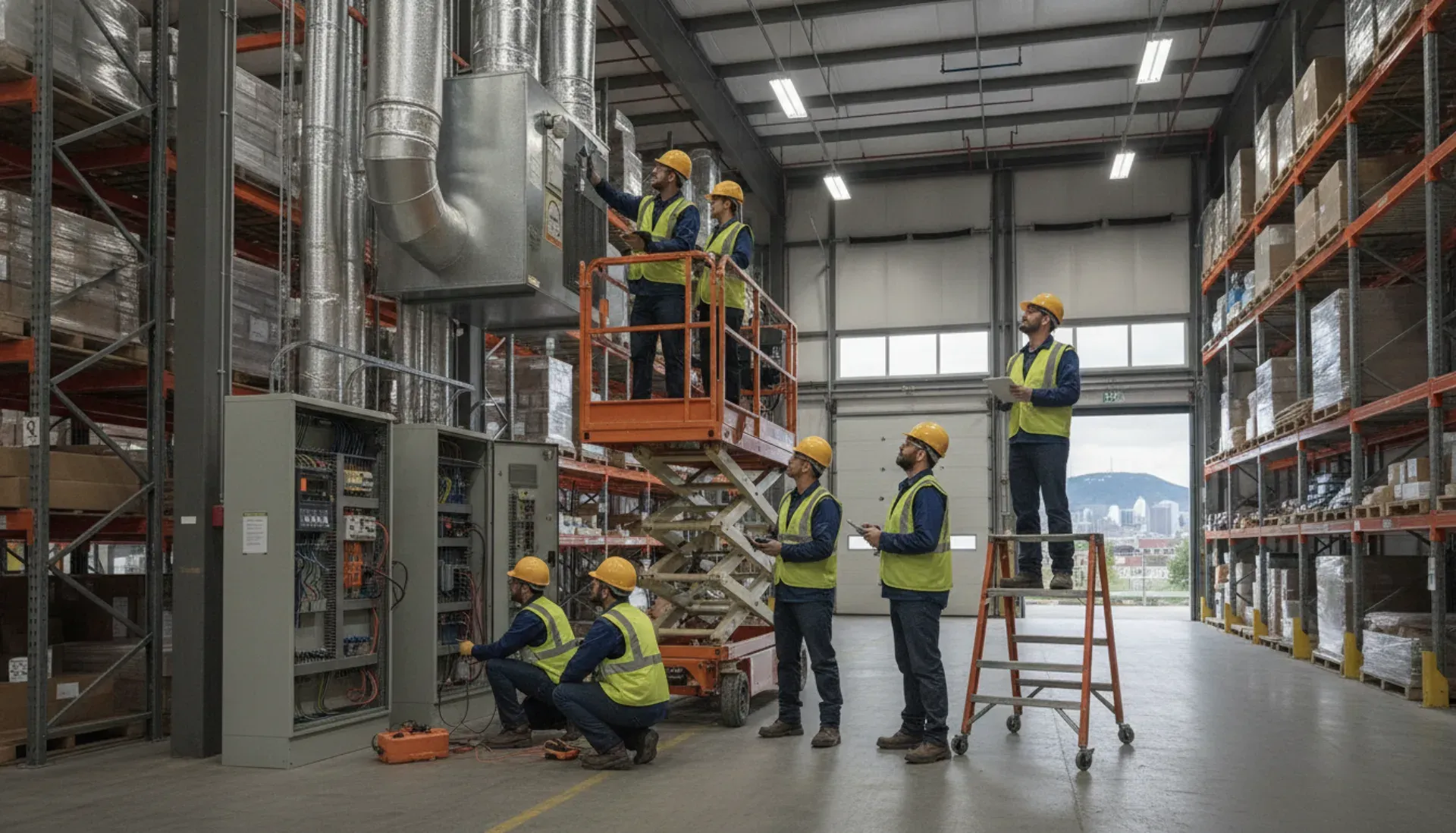
When you’re thinking about hiring a professional to manage your industrial property, one of the first questions is always about the price. It’s helpful to see management fees not as a pure expense, but as an investment in your property’s long-term health and profitability. Understanding these costs helps you make smart choices, compare different companies, and know exactly what you’re paying for. While every property is unique, management fees generally follow a few standard models. Knowing how they work will give you the confidence to find a partnership that fits your financial goals and protects your asset.
Understanding management fees
Most property management companies use a fee structure based on a percentage of the monthly rent collected. This is often between 4% and 10% for industrial properties. This model is popular because it aligns your manager’s goals with yours; they only make money when you do. Another option is a flat-fee structure, where you pay a set amount each month regardless of rent collection. This offers predictable budgeting, which can be great for some owners. It’s also important to ask about any additional charges, like fees for leasing a vacant unit or overseeing large-scale maintenance projects. A reputable property management company will be transparent about all potential costs from the start.
What affects the final price?
The final cost of managing your industrial property depends on several key factors. The type and size of your property play a big role; a massive bulk warehouse will naturally require more resources to manage than a small light assembly space. The specific services you need also influence the price. A basic plan for rent collection will cost less than a comprehensive package that includes regular property inspections, maintenance coordination, and detailed financial reporting. The property’s current condition, its location, and local market dynamics in an area like Montreal can also adjust the final quote. A good manager will assess these factors to create a tailored proposal.
Calculating your return on investment
While the management fee is a line item in your budget, a great property manager should improve your bottom line. You can measure this by looking at your Net Operating Income, or NOI. To find your NOI, you simply subtract all your operating costs (including the management fee) from your total rental income. A skilled manager adds value by keeping your property filled with reliable tenants, which keeps your rental income steady. They also handle maintenance efficiently, preventing small issues from becoming costly problems. This approach not only covers their fee but can also lead to a healthier return on your investment over time.
How to Choose the Right Industrial Property Manager
Finding the right partner to manage your industrial property is one of the most important decisions you’ll make as an owner. You’re not just hiring someone to collect rent; you’re entrusting them with a significant asset. The right manager will protect your investment and make your life easier, so it’s worth taking the time to vet your options carefully. Focus on a few key areas to find a management company that aligns with your goals and gives you complete peace of mind.
Look for experience and a solid reputation
When it comes to industrial properties, experience isn’t just a number; it’s a track record of solving complex problems. A manager with deep roots in the industry will have seen it all, from handling tricky lease negotiations to coordinating large-scale maintenance projects. A reputable firm will be open about their past work and happy to provide references. Don’t hesitate to ask for case studies or to speak with current clients who own properties similar to yours. A long history in the business is often a great indicator of stability and expertise, showing they’ve successfully managed properties through various economic cycles.
Check their list of services
Before you sign a contract, make sure the manager’s offerings cover everything your property needs. A truly comprehensive property management plan goes beyond the basics. Do they just handle rent collection, or do they also manage tenant relations, coordinate preventative maintenance, and provide detailed financial reporting? Your goal is to step back from the day-to-day operations, so you need a partner who can handle every detail. Review their service list and ask how they approach specific tasks like marketing vacant units or ensuring compliance with local regulations. The right fit is a company whose services let you be as hands-off as you want to be.
Confirm their local market knowledge
A property manager with extensive knowledge of the Montreal area is an invaluable asset. They will understand the nuances of different industrial parks, from Saint-Laurent to Anjou, and know the current market rates to ensure you’re getting the best return on your investment. This local expertise is also critical for attracting and retaining quality tenants. A manager who knows the local market can effectively advertise your vacancies to the right businesses, whether they’re in logistics, manufacturing, or distribution. They can also handle local codes and regulations, saving you from potential headaches and fines down the road.
Ask about technology and communication
Clear and consistent communication is the foundation of a great owner-manager relationship. Ask potential managers how they use technology to keep you informed. Do they offer an online portal where you can access financial statements, maintenance updates, and inspection reports at any time? Modern management systems make a huge difference in streamlining operations and providing transparency. You should know how they handle emergency requests and what their standard procedure is for providing updates on routine property inspections. The right technology ensures you’re always in the loop without being bogged down by minor details.
Why Montreal Industrial Property Owners Trust PGK
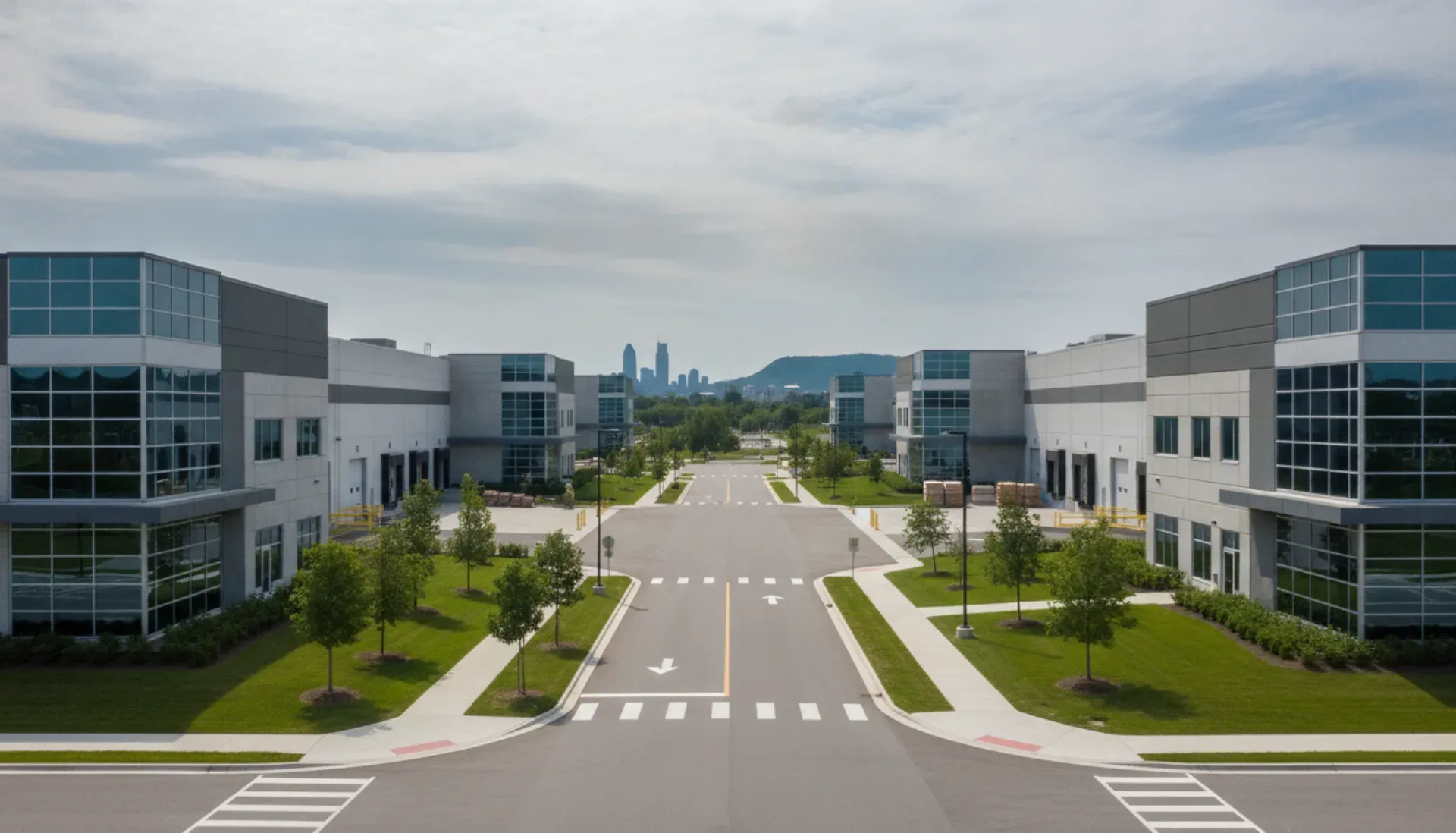
Choosing a manager for your industrial property is a big decision. You aren’t just hiring someone to collect rent; you’re entrusting them with a significant asset. For industrial property owners in Montreal, that trust is often placed with PGK, and for good reason. With a track record stretching back to 1986, we’ve spent decades mastering the ins and outs of the local real estate landscape. This isn’t just about years in business; it’s about deep-seated experience managing the specific challenges and opportunities that come with Montreal properties.
Our approach is built on providing comprehensive property management that covers every single detail. From proactive maintenance that prevents costly repairs down the line to handling all tenant communications and lease administration, we manage the day-to-day so you don’t have to. We also conduct thorough property inspections to ensure your building remains safe, compliant, and in top condition, protecting its long-term value. This all-in-one service means you get peace of mind knowing every aspect of your investment is being professionally handled.
What truly sets us apart is our specialized knowledge of the Montreal industrial market. We understand the local trends, like the current high demand for smaller industrial buildings. This insight allows us to position your property effectively, attract quality tenants, and secure profitable returns. It’s this combination of seasoned experience, complete services, and sharp local expertise that makes PGK the reliable partner Montreal industrial property owners count on to protect and grow their investments.
Related Articles
Frequently Asked Questions
Is my industrial property too small to need professional management? Not at all. The need for management is more about the property’s complexity than its square footage. Even smaller light assembly or flex spaces have specific needs, like specialized maintenance, tenant relations, and compliance with safety codes. A professional manager ensures these details are handled correctly, protecting your investment and freeing up your time, regardless of the property’s size.
How does paying a management fee actually save me money? It’s a great question. Think of it as a strategic investment rather than just a cost. An experienced manager saves you money in several ways: they use their network of trusted vendors to get better pricing on repairs, they prevent expensive emergencies with proactive maintenance, and they reduce costly vacancies by keeping great tenants happy. This leads to a healthier net operating income and a better long-term return on your investment.
What’s the most important thing to look for in an industrial property manager? While there are many factors, specialized experience is critical. You want a manager who understands the unique demands of industrial properties, from logistics and heavy machinery to complex safety regulations. Just as important is deep local market knowledge. A manager who knows the Montreal area can set competitive rents, attract the right tenants, and handle local ordinances, which is invaluable for protecting your asset.
How involved will I have to be once I hire a manager? Your level of involvement is entirely up to you. The goal of hiring a professional is to give you back your time and provide peace of mind. A good manager will handle all the day-to-day operations, from tenant communication to maintenance coordination. They provide you with clear, regular financial reports and updates, so you always know how your investment is performing without having to manage the small details yourself.
Why can’t I just use a regular commercial property manager for my warehouse? Industrial and commercial properties serve very different functions, and their management requires different expertise. A commercial manager is skilled in areas like retail foot traffic and office aesthetics. An industrial manager, however, must understand logistics, specialized zoning, environmental compliance, and the operational needs of tenants who are manufacturing or distributing goods. Using a specialist ensures your property is managed by someone who truly gets its unique challenges.