Category: Real Estate (19)

Montreal property owners face a maze of provincial laws and aging buildings. Since 1986, reliable condominium management in Montreal has provided legal compliance for healthy syndicates. Expert guidance turns oversight into a clear process for all investors.

Condominium management in Montreal is the professional oversight of a syndicate’s legal, financial, and physical assets. It ensures compliance with the Civil Code of Quebec, proper handling of the declaration of co-ownership, collection of monthly dues, and maintenance of common areas. Good management protects co-owner investments by planning reserve fund studies, managing repairs, and keeping a peaceful living environment. Hiring a professional firm with local expertise helps boards meet their legal duties while experts handle the daily tasks of the Montreal real estate market.

Managing a condominium syndicate in Montreal requires balancing provincial legal requirements with financial planning and building maintenance. Professional management brings the expertise needed to navigate these responsibilities effectively.

Submit a request for a proposal to see how PGK Montreal can help your syndicate today.

What Is Condominium Syndicate Management in Quebec?

Managing a condo in Montreal is about more than just fixing leaks or cleaning halls. In Quebec, the law sets a clear path for how these buildings must run. When you buy a condo unit, you join a larger group. This group is the legal body that owns and looks after the common parts of the building.

For over 35 years, PGK Montreal has helped owners follow these rules. We provide professional condominium management services to keep buildings in top shape. Our team knows the local area and the legal needs that keep your home safe and worth more.

The Syndicate as a Legal Body

In Quebec, every condo group is a legal body known as a syndicate. The law calls this divided co-ownership. Under the Civil Code of Québec, the syndicate has its own legal life. This means it can sign deals, hire staff, and even go to court if it must.

The main goal of the syndicate is to keep the building safe. It must manage the common spots like the roof, lobby, and parking. It also looks after the money. This includes taking monthly fees and paying for repairs. The syndicate makes sure the building follows the rules and has the right insurance.

Every owner has a voice in the syndicate. But a board of leaders usually handles the daily work. These people have a duty to act in the best way for all owners. They must keep the building in good repair and follow all safety laws. Expert condominium management in Montreal helps these boards reach their goals with less stress.

The Rule Book for Your Home

Every syndicate runs based on a key file called the declaration of co-ownership. This file is like a rule book for the whole building. It shows which parts of the site are private and which are common. It also lists the bylaws that all residents must follow, such as rules for pets or noise.

The file also sets the value of each unit. This value sets how much each owner pays in condo fees. It also decides how much power their vote has during meetings. Managing these tasks takes a deep knowledge of Quebec law. Since 1986, PGK Montreal has worked with syndicates to manage these rules in a fair and clear way.

  • It defines private and common spots.
  • It lists the building bylaws and resident rules.
  • It sets the share of costs for each owner.
  • It shows how to hold meetings and vote on changes.

Expert Help for Peace of Mind

Running a syndicate is a big task that takes a lot of time. Many boards choose to hire an expert manager to help. A pro manager handles the papers, the staff, and the money. This lets the board focus on making big choices for the building.

Good management leads to peace of mind for everyone. It makes sure that bills are paid on time and that the reserve fund is full. It also helps stop fights between neighbors by enforcing rules fairly. When a building runs well, the value of the units tends to go up. Owners feel safe knowing their asset is in good hands.

PGK Montreal brings high-level standards to every project. We handle the hard parts of oversight so you can enjoy your home. Our bilingual team is ready to help your board with expert tips and clear updates.

Managing a co-ownership in Quebec means following the Civil Code of Québec. This law sets the rights and duties of each syndicate and its members. For those who need professional condominium management services, knowing these rules helps avoid legal fights. Each syndicate is a legal entity that must protect the building and the co-owners.

The Declaration of Co-ownership and Bylaws

The base of any syndicate is the declaration of co-ownership. This document lists the rules for the building, such as how to use units and common areas. It also sets the value of each unit to fix monthly fees. Under the Civil Code of Québec, every syndicate must follow these bylaws to keep order. If a board fails to enforce these rules, it could face legal risks.

A pro manager makes sure all acts follow this document. They help boards update bylaws when laws change and give new owners the right papers. This work gives peace of mind to boards who lack the time to track new laws. By keeping good records, PGK Montreal helps syndicates stay within provincial rules.

Mandatory Reserve Fund Studies and AGMs

Quebec law now says syndicates must get a reserve fund study every five years. This study looks at long-term needs to ensure the board has cash for big repairs. It helps stop sudden fees that hurt co-owners. According to the Civil Code of Quebec, these studies are key for the financial health of the building.

Annual General Meetings (AGMs) are also a must for all syndicates in the province. These meetings let co-owners vote on budgets and elect board members. A manager helps by making the agenda, sending out notices, and taking minutes. This plan helps the syndicate meet its duties to the owners while staying open and clear.

Fiduciary Duties of the Condo Board

The board has a duty to act in the best interest of the syndicate. This means they must manage the money and contracts with care. Board members can be liable if they fail to do their jobs well. Many boards find that hiring an expert in condominium management montreal lowers their risk by giving them professional help with all vendor deals.

PGK Montreal has over 35 years of experience as a steady partner for boards. We handle daily tasks like fee collection and repairs so board members do not have to. This lets the board focus on big choices while we manage the small details. You can request a proposal for your syndicate to see how we can help with your legal and financial duties.

Core Services a Professional Condo Manager Provides in Montreal

Professional condominium management goes far beyond simple building care. It covers many complex tasks that keep a syndicate healthy and legal. In Montreal, a full manager acts as the link between the board and the co-owners. They handle the hard day-to-day work so co-owners can have peace of mind. PGK Montreal offers both full and partial service models to meet the unique needs of every syndicate.

Maintenance and property inspections

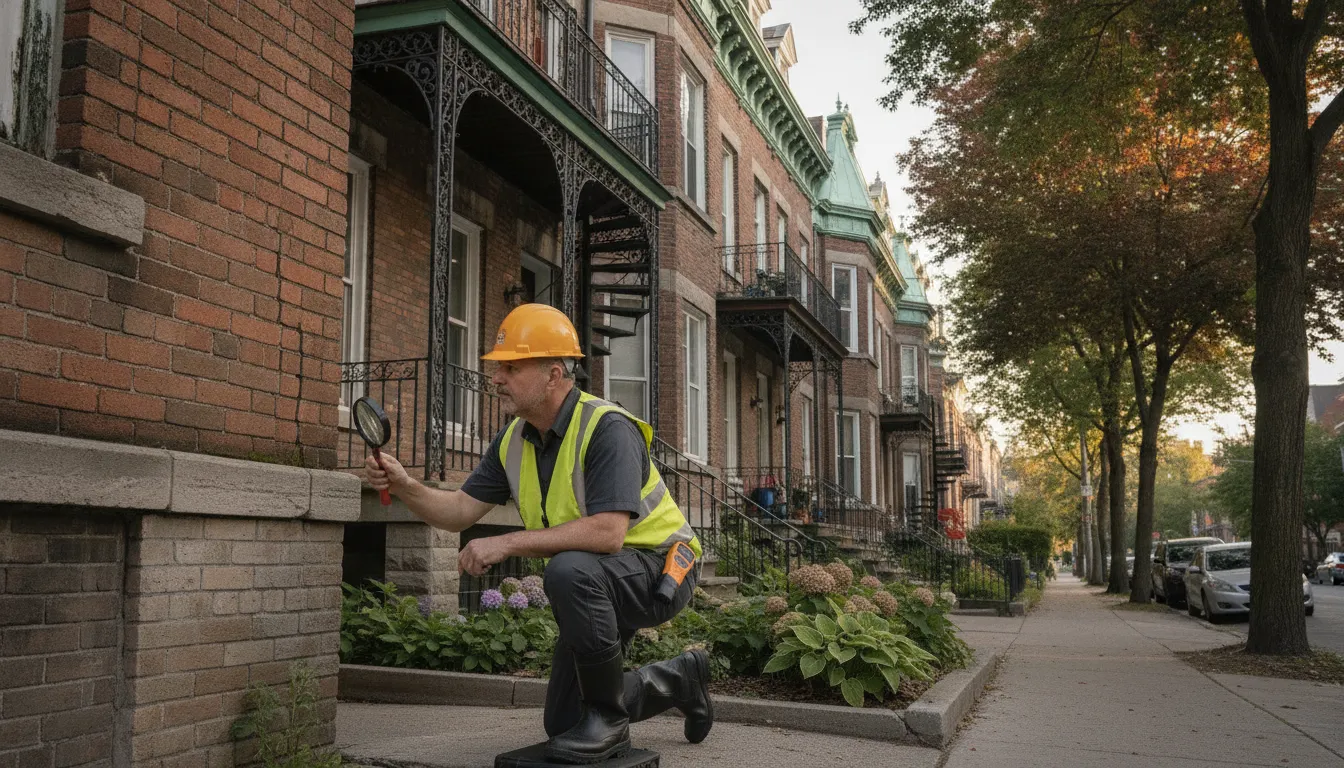
Safe buildings need steady care and regular checks. A manager sets up all repairs and tracks work done by contractors. This includes everything from roof fixes to hallway cleaning. PGK Montreal performs vacant property inspection protocols once a week. These checks help find leaks or small issues before they become big costs. Proper care helps the board follow safety rules from the National Institute of Standards and Technology for building safety.

For urgent needs, a quick response is vital. PGK provides 24-hour emergency response through on-site superintendents. This ensures help is always ready if a pipe bursts or a power failure occurs. Fast action protects the property and keeps co-owners safe at all hours.

Financial and administrative oversight

Modern condominium management montreal needs precise bookkeeping and financial tracking. The manager collects monthly fees and pays the building bills. They also help the board plan the yearly budget. Accurate records are a key part of fiduciary duty. Clear reports help the board make smart choices about the reserve fund and long term costs.

Managing records and meetings is another key task. The manager helps run the annual general meeting and takes minutes. They keep all syndicate files safe and organized. This support ensures the syndicate follows all Quebec laws and bylaws. Professional management reduces the risk of legal errors for the board members.

Tenant and co-owner management

Managing the people in a building can be as hard as managing the structure. A manager handles all talk with co-owners and tenants. They ensure everyone follows the building rules. If a unit is for rent, the manager can help with property leasing and tenant checks. This full service is helpful for international investors who do not live in Montreal.

Good talk prevents many common syndicate disputes. A manager acts as a neutral party when issues arise between neighbors. They help enforce the bylaws fairly and calmly. By handling these social tasks, the manager helps create a peaceful living space for all residents.

How Condominium Management Differs from Residential Property Management

Property owners often mix up condo management and rental management. While both types keep buildings in good shape, they serve different goals. One focuses on a single owner and their tenants. The other serves a group of co-owners who share a building. Professional condominium management services must balance these distinct needs to keep a property running well.

Governance and co-owner relations

In a rental property, the manager works for one landlord. They find tenants, collect rent, and fix units. Condominium management in Montreal is much more complex. The manager works for a syndicate of co-owners. This role involves helping an elected board make big choices for the whole community. It requires clear rules and fair treatment for all people who live in the building.

Quebec legal framework and compliance

Quebec has strict laws for condos that do not apply to standard rentals. The Civil Code of Quebec governs how syndicates must operate. This includes specific rules for annual meetings, voting, and keeping records. A manager must know these laws to keep the board safe from legal risks. They ensure every choice follows the declaration of co-ownership and local building codes.

Maintenance and reserve fund planning

Maintenance needs also vary between these two models. Rental managers focus on individual units and basic upkeep. Condo managers oversee common areas like lobbies, roofs, and gyms. They must also manage the reserve fund. Quebec law requires a study of this fund every five years. This plan helps the syndicate save enough money for major repairs in the future.

  1. Tenant vs. Co-owner Focus: Rental managers handle tenant needs and leases. Condo managers deal with co-owner rights and board governance.
  2. Unit vs. Common Area: Most rental work happens inside units. Condo work focuses on shared spaces and the building shell.
  3. Leases vs. Bylaws: Rental rules come from a lease. Condo rules come from the syndicate’s declaration and provincial law.
  4. Maintenance vs. Reserve Funds: Rentals use a repair budget. Condos must use a long-term reserve fund study for capital projects.
  5. Single vs. Multiple Stakeholders: Rental managers answer to one owner. Condo managers serve a board and a large group of unit owners.

How to Choose the Right Condominium Management Montreal Company for Your Property

Choosing the right management partner is one of the most important choices a condo board will make. The Montreal market has about 396 property management firms. Each one offers different services, experience levels, and areas of focus. Knowing what to look for helps you pick a firm that fits your building’s needs.

Years of Experience and Track Record

A firm that has worked in Montreal for decades brings stability that newer companies cannot match. PGK Montreal has served property owners since 1986, giving it over 35 years of local market knowledge. Long experience means the firm has handled many types of buildings, owners, and problems. It also means the firm has built strong relationships with local vendors and contractors. These relationships often lead to better service and lower costs for your syndicate.

International and Institutional Capability

Not every condo management firm can handle international investors or institutional clients. PGK Montreal works with property owners from France, Germany, England, Hong Kong, and the Bahamas. The firm also serves large financial institutions and trusts. Only a few competitors in Montreal share this level of specialization. If your building has international owners or institutional stakeholders, this capability matters a great deal. It ensures your manager understands cross-border needs and fiduciary standards.

Insurance Expertise and Service Flexibility

PGK Montreal offers a free professional insurance evaluation that has saved clients up to 40 percent on premiums. This service is rare in the Montreal market and provides real value to syndicates. The firm also offers both complete and partial management services. This flexibility lets you choose the right level of support for your building. Professional condominium management services should match your syndicate’s specific needs, not force you into a one-size-fits-all plan.

What Condo Syndicate Management Costs in Montreal

Understanding the cost of professional management helps syndicates budget wisely. Fees vary based on the size of the building, the scope of services, and the firm’s experience level. Most Montreal firms charge per unit per month, but many also offer custom pricing for larger or more complex properties.

Service Level Typical Cost per Unit/Month What It Covers
Basic financial management $25 – $30 Fee collection, bill payment, basic reporting
Standard full management $33 – $36 Financials, maintenance coordination, tenant support, inspections
Premium with portals $36 – $40 Full management plus resident portal, app access, 24/7 emergency
Custom proposal Varies Tailored to building size, property type, and service scope

PGK Montreal uses custom proposal-based pricing rather than fixed rates. This approach ensures each syndicate pays only for the services it needs. The firm also offers a free insurance evaluation that can save up to 40 percent on premiums. For many buildings, these savings offset much of the management cost. Request a proposal to get pricing tailored to your condominium’s specific needs.

Why International Investors and Institutions Choose PGK Montreal for Condominium Management

PGK Montreal occupies a unique position in the local market. The firm combines over 35 years of local expertise with a level of international and institutional service that few competitors can match. Here is why sophisticated property owners trust PGK with their assets.

Rare International Investor Experience

PGK manages properties for owners from France, Germany, England, Hong Kong, and the Bahamas. This international reach requires knowledge of cross-border transactions, multi-jurisdictional tax rules, and currency considerations. Only one or two other firms in Montreal share this specialization. For syndicates that include international co-owners, this expertise ensures smooth communication and compliance with foreign investor needs.

Institutional-Grade Standards

Managing properties for large financial institutions and trusts demands a higher level of accountability. PGK meets fiduciary standards that smaller operators cannot provide. This means audit-ready documentation, professional reporting, risk management protocols, and full regulatory compliance. These standards benefit every client, not just institutions. They give every syndicate the same level of rigor and peace of mind that the most demanding clients require.

Uncontested Insurance Expertise

The free insurance evaluation that PGK provides has saved clients up to 40 percent on their premiums. This is a unique service in the Montreal market. It requires deep knowledge of property risk assessment, carrier negotiations, and coverage optimization. For condo syndicates that need to control costs while maintaining full coverage, this service alone can make professional management a net positive investment. Learn more about professional condominium management at PGK Montreal.

Frequently Asked Questions

What is a condo reserve fund and how does it work in Quebec?

A condo reserve fund is a required savings account for major repairs and building upkeep. Under the Civil Code of Quebec, every syndicate must have this fund to keep the building in good shape. Quebec law also needs a study every five years to see how much money is needed for future work. This helps a syndicate save enough money without suddenly asking co-owners for large payments.

How much does condo management cost in Montreal?

Professional management fees in Montreal usually range from $33 to $36 per unit each month. Some firms charge up to $40 for extra services. However, many firms use a custom price model to match the specific needs of a syndicate. Total costs may be lower if you use professional insurance reviews. These checks can save a syndicate up to 40 percent on yearly costs.

Can international investors hire a Montreal condo management company?

Yes, global investors can hire local firms to manage their Montreal properties. Professional managers often work with clients from around the world to handle the daily work of owning real estate in Quebec. This is helpful for owners who do not live in the province but need a local expert to follow legal rules and handle upkeep. Firms with decades of work are often better equipped to handle the needs of global owners.

What services are included in professional condo management?

Professional firms provide several key services to support a condo syndicate. These include upkeep help, bookkeeping, and rent collection for rental units. Managers also handle property checks, including weekly visits for empty units to ensure safety. They often provide 24-hour emergency help through on-site staff. These tasks help a syndicate run smoothly while giving co-owners complete peace of mind that their building is in good hands.

Ready to Experience Professional Condominium Management?

Your condominium syndicate deserves a management partner with the experience, expertise, and standards to protect your investment. PGK Montreal has provided professional condominium management in Montreal since 1986. Our bilingual team serves residential, commercial, and industrial properties with institutional-grade standards and international expertise.

Call PGK Realty Services today at (514) 931-5111 or submit a request for a proposal to learn how we can help your syndicate operate smoothly and confidently.

{“body”: “nSuccessful property ownership in Montreal depends on reliable maintenance, strict rent collection, and expert legal compliance. When professional managers handle these operational details, owners can focus on their broader investment goals.nn

n

property management montreal handles the daily tasks of owning real estate; this includes finding tenants, collecting rent, and fixing repairs for residential buildings. Expert managers ensure every property follows strict Quebec laws while providing a professional team to solve emergencies 24 hours a day. This professional service removes the stress of dealing with tenant calls and legal compliance so you can focus on growing your portfolio. Since 1986, professional management has helped owners grow their wealth without the headache of direct labor or the many risks of DIY management. Hiring a partner is a standard way to protect high-value assets in a local market that is currently valued at $3.8 billion.

n

nnOwning property should be an investment, not a full-time job. Many people wonder how these services work and if they are worth the cost. To find the right path, you first need to understand the industry basics. Contact PGK Realty Services to learn how we can protect your investment. The path begins with What Is Property Management and Why Does It Matter for Montreal Owners? and how it serves your goals.n

Property Management Montreal: What Is Property Management and Why Does It Matter for Montreal Owners?

Property management is the professional operation, oversight, and administration of real estate assets on behalf of the owner. In Montreal, where the property management market is valued at roughly $3.8 billion and includes 396 competing firms growing at 5.94% annually. Professional management has become a standard rather than a luxury. It covers every operational detail that a property owner would otherwise handle alone: tenant sourcing and screening. Lease administration, rent collection, maintenance and repair coordination, financial bookkeeping and reporting, regulatory compliance, and property inspections.

The Scope of Professional Property Management

A comprehensive property management engagement begins with tenant lifecycle management. This includes marketing vacant units, vetting applicants through credit and background checks, verifying income and rental history. Drafting leases that comply with Quebec’s Civil Code, conducting move-in and move-out inspections, and handling renewals or notice-to-vacate procedures. On the financial side, the manager collects rent, manages security deposits, pays property-related expenses from an operating account. And provides the owner with monthly or quarterly financial statements showing income, expenses, and net operating performance.

Maintenance coordination is perhaps the most visible service. A property manager maintains a roster of vetted contractors, responds to tenant repair requests. Oversees emergency work such as burst pipes or heating failures, and schedules preventive maintenance such as roof inspections, boiler servicing, and snow removal contracts. For owners with vacant properties, weekly inspection protocols prevent costly damage from undetected water leaks, pest infestations, or vandalism. At PGK Montreal, vacant property inspections are conducted weekly as a standard operating procedure.

Why Quebec’s Regulatory Environment Demands Professional Expertise

Quebec’s landlord-tenant framework is governed by the Tribunal administratif du logement (TAL), which sets strict rules on rent increases, lease renewal timelines, notice-of-eviction periods, and building habitability standards. Professional property managers in Montreal navigate these regulations daily. They ensure rent increases follow the TAL guidelines, prepare required notices for lease non-renewal. Handle rent payment disputes through proper channels, and maintain buildings to the standards required under Quebec’s Safety Code and municipal by-laws.

For an owner who manages their own property. A single procedural misstep in a lease renewal or eviction notice can result in months of lost rent or a legal claim. Professional management eliminates that exposure. The manager assumes responsibility for regulatory compliance, document preparation, and representation before the TAL when disputes arise. This is particularly valuable for owners who live outside Quebec or abroad. Read our guide on how to hire a rental property manager to understand the full scope of professional oversight.

The Impact on Investment Performance

Beyond operational convenience, professional property management directly affects the financial performance of an asset. Professional marketing and vacancy-fill strategies reduce vacancy periods. Market-rate lease analysis keeps rents competitive. Preventive maintenance catches small issues before they become expensive repairs. Tenant screening reduces payment defaults, property damage, and costly eviction proceedings. Combined, these factors typically improve net operating income enough to more than offset the management fee.

Montreal’s diverse property landscape means owners face different challenges depending on asset class. A condo owner in the Plateau needs different expertise than the owner of an office building in the Quartier des Spectacles or an industrial warehouse in Saint-Laurent. A firm with experience across residential, commercial, and industrial properties can tailor its approach accordingly. See our guide to finding the best property management Montreal companies for your portfolio needs.

The Full Spectrum of Property Management Services

n

Expert property management Montreal covers every detail of owning a building. A full team takes over the daily work that keeps a site running well. This work frees you from day-to-day tasks so you can focus on your goals. From small condos to large office sites, the goal is the same: peace of mind. By hiring a pro, you stop being a landlord and start being an investor.

nn

Daily operations and tenant care

n

Core services start with finding and keeping the right tenants. Managers handle everything from tenant screening to rent collection. They ensure every lease follows local laws set by the Tribunal administratif du logement. They act as the main point of contact for everyone in the building. This includes handling all questions and issues that come up. By acting as the bridge between you and your tenants, the team keeps things running smoothly.

nn

Rent collection is a key part of this process. The team sets up simple ways for tenants to pay each month. They follow up fast on any late payments. This ensures your cash flow stays steady and sure. It also removes the stress of asking for money yourself. With an expert team in charge, rent collection becomes a simple process that protects your income. You get to avoid the late-night calls and the daily stress of work.

nn

Maintenance and emergency response

n

Keeping your building in good shape protects its long-term value. Managing repairs is a key service that handles everything from small fixes to big projects. The team works with trusted experts to fix issues fast and for a fair price. By fixing small issues early, they help you avoid big costs later. This active care ensures your building stays safe and attractive for your tenants.

nn

Emergencies do not wait for business hours. That is why a 24-hour superintendent and emergency response team are vital. They are ready to help at any time of the day or night if a pipe breaks or the heat goes out. For empty units, weekly vacant property inspection rules help find leaks or pests before they cause real damage. This fast response helps limit repair costs and keeps your asset in top shape.

nn

Financial oversight and insurance savings

n

Clear bookkeeping is the spine of good management. You get monthly reports that show every dollar that comes in and goes out. These records make it easy to see how your building is doing. They also make tax time much simpler. One unique service is the free insurance check. Many owners find they can save up to 40% on their costs through this simple check. It is a key way to lower your bills while keeping your building safe.

nn

Every property is different, so we use custom proposal-based pricing. This means your plan is built around your specific needs and the size of your building. Whether you need full management or just a few key services, you only pay for what you use. This open approach ensures you get the best value for your money. It is the best way to ensure your property thrives in the local Montreal market.

n

Residential, Commercial, and Industrial: Three Distinct Management Needs

nn

Managing real estate in Montreal requires a deep grasp of how different property types work. Each asset class has its own rules, risks, and goals. At PGK Montreal, we use our 38 years of expertise to guide owners. Whether you own a small condo or a large warehouse, you need a plan that fits. We manage everything from apartment buildings to office complexes across the city.

nn

Owners often face high stress when they try to handle diverse portfolios alone. A residential tenant has very different needs than a commercial shop owner. Industrial sites face even tougher rules for safety and logistics. Our team handles these day-to-day burdens so you can focus on your goals. We serve local owners, banks, and international investors with full care.

nn

Residential Management and Quebec Law

nn

Residential property management in Montreal is tied closely to local laws. Owners must follow strict rules set by the Tribunal administratif du logement (TAL). This includes how to raise rent and how to handle repairs. For condo owners, managing a syndicate adds more work. You must follow the co-ownership rules and keep the building in good shape for all residents.

nn

We help owners with apartment building management by handling tenant screening and rent collection. Good screening is the best way to lower your risk. We check backgrounds to find reliable tenants who pay on time. Our weekly inspection protocol also helps find issues like leaks before they become big, costly repairs. This keeps your building safe and your tenants happy.

nn

Commercial Leasing and Operations

nn

Commercial management focuses on business goals and complex lease types. Unlike residential leases, commercial contracts often last five to ten years. You may deal with “triple-net” leases where the tenant pays for taxes and maintenance. This requires careful bookkeeping to track “common area maintenance” (CAM) costs. Accurate reporting is vital for commercial office management to ensure every dollar is tracked.

nn

Managing an office or retail site also involves tenant improvement projects. When a new business moves in, they often need to change the space. We help coordinate these builds to make sure they meet local codes and your standards. Our bilingual team works with both local shops and large firms to keep your site full. We focus on long-term value for every commercial asset we manage.

nn

Industrial Compliance and Utility Recovery

nn

Industrial properties have the most unique needs of the three classes. These sites often handle heavy machinery, large trucks, and shipping docks. Management must focus on environmental safety and yard logistics. We ensure your site stays compliant with all local safety rules. Our team also manages specialized maintenance for roofs and loading bays that smaller companies might miss.

nn

Utility cost recovery is another key part of industrial management. High power and water use can eat into your profits if not tracked well. We set up systems to bill these costs back to tenants accurately. This ensures you only pay for the parts of the building you use. With decades of experience, we help you get the most out of your industrial complexes while reducing your risk.

nn

The table below shows how these three asset types differ in their core management needs.

nn

n

n

n

n

n

n

n

n

n

n

n

n

n

n

n

n

n

n

n

n

n

n

n

n

n

n

n

n

n

n

n

n

n

n

n

n

n

n

n

n

n

n

n

n

n

n

n

Criteria Residential Commercial Industrial
Lease Terms 12 months (standard) 5-10 years 5-15 years
Primary Law Quebec TAL Rules Civil Code of Quebec Civil Code & Safety
Maintenance Routine & Emergency CAM & Improvements Specialized Systems
Income Focus High Occupancy Long-term Stability Cost Recovery
Tenant Type Families Businesses Logistics
Risk Focus Tenant Disputes Credit Worthiness Environmental Safety

n

How to Choose a Property Management Company in Montreal

nn

Selecting the right partner to manage your real estate assets is a major choice. You need a team that knows the local market and handles daily tasks with care. In Montreal, where rules like the Tribunal administratif du logement (TAL) change often, local skill is vital. Use these steps to find the best property management Montreal has to offer for your portfolio.

nn

    n

  1. n

    Check their history and local track record. A firm with deep roots in the city will know the best trades and legal rules. For example, PGK Montreal has served owners since 1986. This long history shows they can handle market shifts and keep properties running well over many years.

    n

  2. n

  3. n

    Ask about the types of clients they serve. If you are a global investor or a large firm, you need a manager who speaks your language. Look for a team with experience helping clients from places like France or Hong Kong. They should also meet high standards for fiduciary duties and reporting.

    n

  4. n

  5. n

    Review their service range and flexibility. Some owners want a full plan, while others only need help with certain tasks. Make sure the firm can handle repairs, rent collection, and bookkeeping. They should also offer hire a rental property manager services that fit your specific needs and property types.

    n

  6. n

  7. n

    Test their communication and response times. A good manager must be ready when a pipe bursts or a tenant calls at night. Ask if they have a 24-hour emergency response plan and a clear way to update you. You want a partner who gives you peace of mind so you do not have to worry about daily details.

    n

  8. n

  9. n

    Compare the proposal and pricing model. Many large firms like Gestion Lameer or Summum PM use different fee plans. Avoid firms that give a flat rate without seeing your property first. A professional manager should provide a custom proposal based on your building and goals.

    n

  10. n

nn

Evaluate local market knowledge

n

Montreal has unique rules for rent and repairs. A local manager knows how to use these laws to protect your income. They also have a network of trusted workers to fix problems fast. This local touch helps you avoid legal fines and keep your tenants happy.

nn

Check for specialized experience

n

Does the firm manage home, shop, and work sites? Each property type has different needs. A manager who knows all three can help as your portfolio grows. They should also handle vacant property checks to prevent damage from leaks or pests during the winter months.

nn

Verify insurance and safety protocols

n

Ask how the company lowers your risk. Some firms offer a free review to help you save on property insurance premiums. Regular safety checks are also a must. A team that follows strict safety rules will keep your building and your tenants safe from harm.

n

How Much Does Property Management Cost in Montreal?

n

Many owners want to know the set price to care for a site in Montreal. But most top firms do not use a set rate for every building. At PGK Montreal, we give custom price plans based on what you need. This means you only pay for the help your site needs. We have found that this is the best way to help our clients. It lets us match our work to your building goals.

nn

Custom Plans for Each Site

n

Each site in Montreal is unique. A small home site has other needs than a large work park. Because of this, we look at each asset before we give a price. We have served owners since 1986. We know that one set fee does not work for all owners. Whether you own a few units or a large site, your price will fit your goals. We want to ensure that our care adds value to your building from day one.

nn

What Changes the Price?

n

Many things change the cost of building help. The type of site is the first part. Caring for homes often takes more time for tenant calls than work sites. The scope of help also matters. Some owners want full help with rent, leasing, and repairs. Others only need help with checks or books. We offer both full and part plans to give you more choice.

nn

How complex your group of sites is also matters. If you have many units across the city, the fee may change. The age of the building also plays a role. Older sites might need more visits for repairs. We work with you to find a plan that fits your budget. We also look at how much time we need to spend on your site each week.

nn

Value and Savings with Expert Help

n

The field for building care in Montreal grows by about 5.94% each year. This growth shows that more owners want to avoid the stress of daily tasks. Expert help frees you from the weight of tenant issues and legal rules. A pro manager knows how to handle rent and tenant checks to lower your risk. This lets you focus on growing your assets while we handle the small parts.

nn

One way to lower your total cost is with our free plan review. We have helped some clients save up to 40% on their costs. These savings can cover a large part of the care fee. This makes expert help easier to afford for most owners. We also help you avoid the high costs of legal errors or bad leases. If you want to see a full list of what to expect, read our property management cost in Quebec guide. We are ready to help you protect your assets and find peace of mind.

n

The International and Institutional Advantage in Property Management

nn

Montreal has become a top choice for global real estate investment. As more capital flows into the city, owners face new hurdles. Managing a property from another country or for a large financial body takes more than basic skills. It needs a firm that knows how to handle cross-border rules and high standards. This is where the right remotely managing Montreal real estate plan makes the difference between a risky asset and a steady win.

nn

Solving cross-border ownership challenges

nn

International investors from France, Germany, England, Hong Kong, and the Bahamas often struggle with distance. Time zones and currency shifts can make even small tasks hard. You need a team that coordinates these details without you needing to wake up in the middle of the night. A professional firm handles the gap between your home and your Montreal assets with ease.

nn

Tax rules across borders are also a big factor. Each country has its own way of taxing property income. Most firms only know local rules, but expert managers understand how to work within a global frame. This keeps your records clean and your profits safe. You can find more data on how international trade and tax work on the U.S. Department of State website or through official Canadian trade portals.

nn

Cultural and linguistic gaps can also slow down your progress. Montreal is a bilingual city, which adds a layer of complexity for those outside of Quebec. A manager who speaks both languages and knows the local culture can bridge this gap. They ensure that your intent is clear to both tenants and local vendors. This helps avoid the common traps that new or remote investors often fall into when entering the market.

nn

Serving financial institutions and trusts

nn

Financial groups and trusts have very high standards for their property assets. These clients need fiduciary-grade care that many smaller firms cannot give. This means every action must follow strict rules and every cent must be tracked with care. Audit-ready files are not just a nice extra; they are a firm need for these groups. Expert firms provide the deep reporting and professional liability coverage that these large bodies demand.

nn

Trusts also need managers who can handle complex estate rules. This often involves working with lawyers and bookkeepers to ensure the property meets all legal goals. By using a firm that already serves these groups, you get the same high level of care for your own portfolio. The Federal Reserve and other banking bodies often highlight the need for clear oversight in real estate assets to manage risk.

nn

Compliance with local and global rules is a must for institutional owners. You cannot risk a legal slip-up that could harm your brand or your bottom line. Elite managers stay on top of changes in law to keep your assets in good standing. They use tested systems to manage risk across large portfolios. This level of rigor is what sets top-tier property management in Montreal apart from the rest.

nn

The need for elite property management in Montreal

nn

Montreal attracts more international real estate investment every year. Much of this growth is in the build-to-rent sector, which needs expert care from day one. Most local firms are built for small, local owners. They do not have the systems to serve a client in London or a trust fund in New York. You need a partner that has been in the market for decades and knows how to scale their service.

nn

A firm with over 35 years of work in Montreal knows how the market has changed. They have the staff and the tools to handle residential, commercial, and industrial sites for anyone, anywhere. This elite level of service gives you peace of mind. You know your property is in good hands while you focus on your next big move. You can see how urban growth affects these needs on the U.S. Department of Housing and Urban Development site for more context on city management.

n

How to Get Started with Property Management in Montreal

nn

Hiring a property management firm is a major step for any real estate owner. At PGK Montreal, we make the start-up process simple and clear. We work with local owners, international investors, and big financial firms. Our team builds a custom plan for each asset to give you complete peace of mind. Here is how you can begin with property management Montreal services.

nn

Send Your Request

n

The first step is to contact our office. You can call us or submit a request for a proposal through our website. We will ask for basic details about your property type and location. Whether you own a condo, an office building, or an industrial complex, we have the staff to help. Our team has served the Greater Montreal area since 1986, and we are ready to discuss your specific goals.

nn

Define Your Service Scope

n

We know that every owner has different needs. Some people want us to handle every task, while others only need help with certain areas. You can choose full management or pick a partial plan. This might include help with rent collection, tenant screening, or property inspections. We will talk about what fits your budget and your style of ownership.

nn

    n

  1. Consult with an expert. Meet with a PGK manager to talk about your building and your needs as an owner.
  2. n

  3. Get a property assessment. We visit the site to check the current state of the building and find any urgent maintenance needs.
  4. n

  5. Receive your insurance evaluation. We offer a free check of your insurance plan. Many clients find savings up to 40% on their premiums through this step.
  6. n

  7. Review your custom proposal. We give you a full plan with clear costs. We do not use fixed rates because every property is unique.
  8. n

  9. Sign the agreement. Once you are happy with the plan, we sign the management contract and start working for you.
  10. n

nn

Final Site Assessment

n

Before we take over daily tasks, we do a deep check of the property. This helps us set a baseline for maintenance and safety. We check the mechanical systems, common areas, and tenant spaces. This thorough start ensures that nothing is missed. You can then step back and let our professional team handle the work.

n

Frequently Asked Questions

n

What does property management in Montreal cost?

n

Management fees in Montreal vary based on the size and type of your asset. Most firms charge a percentage of the monthly gross rent, while others use a flat fee model. At PGK Montreal, we provide custom proposals based on your specific needs. This approach ensures you pay only for the services required to manage your residential or commercial property effectively.

n

Does a property manager handle tenant disputes in Quebec?

n

Yes, a professional manager navigates the complex legal rules set by the Tribunal administratif du logement. They act as the main contact for all tenant issues, from late rent to repair requests. This role includes preparing legal documents and representing your interests during hearings. Expert management helps you avoid costly legal mistakes while keeping your rental operations in full compliance with provincial laws.

n

Can international investors hire property management in Montreal?

n

International owners frequently use local firms to manage their Montreal real estate assets. A professional team handles day-to-day operations like rent collection and maintenance that are hard to do from abroad. Since 1986, PGK Montreal has served clients from countries like France, Germany, and England. We offer bilingual support to bridge communication gaps and ensure your investment remains profitable and well-maintained while you are away.

n

How often should property managers inspect vacant units?

n

Vacant properties need frequent checks to prevent damage from leaks, pests, or cold weather. Standard industry protocols often suggest weekly visits to verify the security and state of the building. PGK Montreal follows strict weekly inspection cycles for all vacant apartments and homes. These regular walkthroughs help catch small issues before they turn into major repairs, which saves you money and protects the long-term value of your asset.

n

Ready to protect your Montreal property investment?

n

Running a building on your own can lead to costly slips. You may face risks that you do not see until it is too late. Every day you wait to hire a pro is another day spent dealing with tenant needs. Late rent and upkeep can add more stress to your life. Starting now means you can stop worrying and reach your goals faster. You can focus on growth while we handle the hard work for you. Our property services provide the support you need for a better future. We help you build a safe path for your real estate assets.

n

Contact PGK Realty Services today for a custom property management proposal.

n

Ready to start? Call (514) 931-5111 to request a proposal for professional property management services.

nn“}

Many property owners view management fees as a simple operating cost. But what if you reframed it as a direct investment in your property’s profitability? The right management partner doesn’t just spend your money; they help you make more of it. By minimizing vacancies with high-quality tenants, negotiating better rates with maintenance vendors, and optimizing your building’s operational efficiency, they actively increase your net operating income. The most effective industrial building management services deliver a clear return on investment that often exceeds their own fees. This article will break down how a strategic partnership can improve your bottom line.

Key Takeaways

  • Industrial management is a unique field: These properties have complex needs, including heavy machinery upkeep, stringent safety regulations, and specific tenant logistics, that go far beyond standard property oversight.
  • A manager handles more than just rent: Professional services cover the entire property lifecycle, from marketing and tenant screening to coordinating maintenance, ensuring legal compliance, and providing detailed financial reports.
  • The right partner improves your bottom line: A professional manager protects your asset’s value through proactive maintenance, reduces costly vacancies by keeping good tenants happy, and saves you money by using their network of trusted vendors.

What is Industrial Building Management?

If you own an industrial property, you know it’s a different beast than a residential apartment or a retail storefront. Industrial building management is a specialized field of property management that focuses exclusively on the unique needs of these spaces. We’re talking about properties like warehouses, distribution centers, manufacturing plants, and factories. The core job is to make sure these facilities run smoothly, safely, and profitably, but the day-to-day tasks look very different from other types of property oversight.

Managing an industrial site involves dealing with complex logistics, heavy machinery, specialized zoning laws, and stringent environmental and safety regulations. It’s not just about collecting rent and fixing leaky faucets; it’s about understanding the operational needs of your tenants, who might be running large-scale manufacturing or storing millions of dollars in inventory. A great industrial property manager acts as your partner, protecting your asset by handling these complexities. They ensure the building not only meets the tenant’s needs but also maintains its value and compliance over the long term, giving you peace of mind and a steady return on your investment.

Key responsibilities of a manager

An industrial property manager wears many hats to keep your property operating at its best. Their primary duties revolve around the financial and physical health of the building. This includes handling all lease agreements, from negotiation to renewal, and ensuring consistent rent collection. They also serve as the main point of contact for tenants, addressing concerns and maintaining a positive professional relationship to encourage long-term occupancy.

Beyond tenant relations, a manager is responsible for the building’s upkeep and safety. They coordinate regular maintenance, handle urgent repairs, and conduct routine property inspections to catch issues before they become costly problems. A huge part of this is ensuring the property adheres to all health and safety regulations, which are often much stricter for industrial sites. Ultimately, their goal is to keep the property functioning efficiently, minimizing risks and maximizing your returns.

Industrial vs. commercial management: What’s the difference?

While people sometimes use the terms interchangeably, industrial and commercial properties serve very different purposes, and so their management needs are distinct. Industrial properties are the backbone of production and logistics; they are spaces for making, processing, storing, and distributing goods. Think of large warehouses with loading docks or manufacturing plants with heavy-duty power infrastructure. The focus here is on function, durability, and logistical efficiency.

Commercial properties, on the other hand, are where business and retail happen. This category includes office buildings, retail stores, restaurants, and shopping centers. These spaces are designed for customer interaction and office work. Management for commercial properties often centers on things like foot traffic, aesthetics, and creating a welcoming environment for clients and customers. The core difference lies in the end-user and the building’s primary function.

Which Industrial Properties Need Management?

The term “industrial property” covers a wide range of buildings, each with its own set of operational demands. While they all serve commercial purposes related to production, storage, and distribution, their specific uses dictate their management needs. From massive distribution hubs to smaller, specialized assembly plants, understanding your property type is the first step toward effective management. A professional property management team can tailor their services to meet the unique challenges of your specific industrial space, ensuring it runs smoothly and remains a valuable asset.

Bulk warehouses

Bulk warehouses are the giants of the industrial world, often spanning more than 100,000 square feet. These facilities are designed for storing and moving large quantities of products across a region. Because of their function, they are typically situated near major highways for easy shipping access. Managing a bulk warehouse involves more than just collecting rent; it requires overseeing complex logistics, ensuring loading docks are operational, and maintaining vast structural systems. The constant flow of heavy trucks and goods means wear and tear is a significant concern, making regular inspections and proactive maintenance essential to prevent costly downtime and keep tenants satisfied.

Heavy manufacturing facilities

Also exceeding 100,000 square feet, heavy manufacturing facilities are custom-built for producing large-scale items like cars, steel, or chemicals. These properties are defined by their specialized infrastructure and heavy machinery. The management of these sites is particularly complex due to stringent safety regulations, environmental compliance, and the high cost of equipment maintenance. According to one industry resource, these places “need big changes if a new tenant moves in,” which makes tenant turnover a major project. An experienced manager is crucial for handling the unique demands of these industrial powerhouses, from coordinating specialized repairs to managing the extensive modifications required between leases.

Flex warehouses

Flex warehouses are versatile, single-story buildings that combine warehouse space with other uses, like offices or even retail showrooms. Their adaptable design makes them suitable for a wide range of businesses, from e-commerce fulfillment centers to automotive repair shops. This flexibility is their greatest strength, but it also presents a management challenge. A property manager must be able to cater to a diverse mix of tenants with different operational needs, from office heating and cooling to warehouse ventilation and loading bay access. Effectively managing a flex space means balancing these varied requirements to create a functional and harmonious environment for everyone.

Light assembly spaces

Light assembly spaces are typically smaller buildings used for producing lighter goods, such as electronics, apparel, or medical devices. These properties often feature a mix of office space, storage, and assembly areas, combining several functions under one roof. Unlike heavy manufacturing, these facilities don’t require massive structural modifications for new tenants, but they still need careful oversight. Management tasks include ensuring the layout supports an efficient workflow, maintaining climate control for sensitive products, and providing a clean, safe environment for employees. Proper property inspections are key to keeping these multi-use spaces in top condition and ready for business.

What Services Do Industrial Property Managers Offer?

When you own an industrial property, you’re managing more than just a building; you’re managing a complex asset with unique operational needs. A professional industrial property manager steps in to handle the day-to-day responsibilities, ensuring your property runs smoothly and remains a profitable investment. Their services are comprehensive, covering everything from tenant relations to complex regulatory requirements. Think of them as the dedicated director of your property, focused on protecting its value and optimizing its performance so you don’t have to. Let’s look at the specific services you can expect.

Managing leases and collecting rent

One of the most important jobs of a property manager is handling all aspects of the lease lifecycle. This starts with marketing your property to attract and screen high-quality tenants who are a good fit for the space. Once a tenant is found, your manager will draft and execute a solid lease agreement that protects your interests. From there, they take over the crucial task of collecting rent, ensuring payments are made on time, every time. They also act as the primary point of contact for tenants, professionally managing relationships and addressing any concerns to foster long-term, stable tenancies. This consistent oversight helps maintain a steady cash flow and reduces the headaches of tenant turnover.

Handling maintenance and repairs

Industrial properties have specialized systems that require consistent upkeep. A property manager is responsible for all maintenance, from routine preventative care to urgent repairs. They coordinate with a network of trusted vendors to fix issues with HVAC systems, electrical wiring, plumbing, and structural components, ensuring everything is kept safe and operational. This proactive approach minimizes downtime for your tenants and prevents small problems from turning into costly emergencies. By taking care of regular maintenance, a manager not only keeps your tenants happy but also works to preserve the long-term value and integrity of your building, protecting your significant investment.

Ensuring health, safety, and compliance

The regulatory landscape for industrial properties can be incredibly complex, with strict laws, codes, and safety standards to follow. A skilled property manager ensures your building meets all legal requirements, from local zoning ordinances to federal workplace safety regulations. They stay current on all applicable laws to keep your property compliant, helping you avoid hefty fines and potential legal issues. This includes managing environmental regulations, fire safety protocols, and accessibility standards. By making sure your property is always up to code, a manager provides peace of mind and shields you from the risks associated with non-compliance, ensuring a safe environment for everyone on-site.

Taking care of financials and reporting

Effective financial management is at the heart of a profitable real estate investment. Your property manager handles all the financial details, including creating annual budgets, tracking income and expenses, and paying property-related bills. They work to control operating costs while maintaining the property’s safety and functionality. You’ll receive detailed financial reports regularly, giving you a clear and transparent view of your property’s performance. This data allows you to understand your cash flow, see your return on investment, and make informed decisions about your asset’s future. It’s a service that brings professional bookkeeping and financial strategy directly to your investment portfolio.

Inspecting properties and common areas

To protect your asset, a property manager conducts regular and thorough property inspections. These aren’t just quick walk-throughs; they are detailed assessments of the building’s structure, roof, and essential systems. Managers also oversee the upkeep of common areas, including parking lots, landscaping, lighting, and security features. By identifying and addressing wear and tear early, they help maintain the property’s condition and curb appeal. This proactive oversight is key to preserving your building’s value over time and preventing the need for major, expensive repairs down the road. It ensures your property remains a safe, functional, and attractive space for current and future tenants.

Why Hire a Professional Property Manager?

Managing an industrial property is a significant commitment that goes far beyond just collecting rent. It involves constant upkeep, complex lease negotiations, and ensuring your facility meets strict safety standards. Juggling these responsibilities can feel like a full-time job in itself. Hiring a professional property manager isn’t just about offloading tasks; it’s a strategic decision to protect your investment and improve your bottom line.

A good manager brings expertise and established systems to the table, streamlining everything from maintenance to tenant relations. They act as the dedicated point person for your property, handling the day-to-day issues so you can focus on the bigger picture. With a professional partner, you gain peace of mind knowing your asset is being managed efficiently, your tenants are happy, and your property’s value is secure. This allows you to reap the rewards of ownership without the daily headaches.

Improve efficiency and save money

An experienced industrial property manager knows how to make your property operate at its best. They analyze everything from space utilization to logistical flow, identifying opportunities to cut costs and increase profitability. Their network of trusted vendors and contractors often means you get better rates on maintenance and repairs than you could find on your own. This expertise in property management translates directly into savings.

Furthermore, a manager implements efficient systems for rent collection and financial oversight, ensuring a steady cash flow and preventing costly administrative errors. By optimizing daily operations and leveraging industry connections, they help you save money while making your property more attractive to high-quality tenants.

Protect your asset’s value

Your industrial building is a major investment, and proactive care is essential to maintaining its value. A professional manager schedules and oversees routine maintenance for everything from the building structure and roof to parking lots and security systems. This preventative approach helps catch small issues before they become large, expensive problems that could diminish your property’s worth.

Regular property inspections are a key part of this process, allowing managers to identify potential concerns and address them swiftly. By ensuring the property is always well-maintained and compliant with regulations, a manager not only preserves its physical integrity but also protects its long-term market value, ensuring it remains a profitable asset for years to come.

Keep great tenants longer

High tenant turnover is expensive. The costs of marketing a vacant space, screening new applicants, and lost rent can add up quickly. A professional property manager helps you keep great tenants by ensuring the building runs smoothly and meets their needs. When tenants have a reliable and professional point of contact for maintenance requests and other issues, they are more likely to be satisfied and renew their lease.

A well-managed property is simply a better place to do business, which makes tenants happy and your investment more secure. By fostering positive relationships and maintaining a high-quality environment, a manager reduces your vacancies and creates a stable, consistent source of income from your property.

How Much Does Industrial Property Management Cost?

When you’re thinking about hiring a professional to manage your industrial property, one of the first questions is always about the price. It’s helpful to see management fees not as a pure expense, but as an investment in your property’s long-term health and profitability. Understanding these costs helps you make smart choices, compare different companies, and know exactly what you’re paying for. While every property is unique, management fees generally follow a few standard models. Knowing how they work will give you the confidence to find a partnership that fits your financial goals and protects your asset.

Understanding management fees

Most property management companies use a fee structure based on a percentage of the monthly rent collected. This is often between 4% and 10% for industrial properties. This model is popular because it aligns your manager’s goals with yours; they only make money when you do. Another option is a flat-fee structure, where you pay a set amount each month regardless of rent collection. This offers predictable budgeting, which can be great for some owners. It’s also important to ask about any additional charges, like fees for leasing a vacant unit or overseeing large-scale maintenance projects. A reputable property management company will be transparent about all potential costs from the start.

What affects the final price?

The final cost of managing your industrial property depends on several key factors. The type and size of your property play a big role; a massive bulk warehouse will naturally require more resources to manage than a small light assembly space. The specific services you need also influence the price. A basic plan for rent collection will cost less than a comprehensive package that includes regular property inspections, maintenance coordination, and detailed financial reporting. The property’s current condition, its location, and local market dynamics in an area like Montreal can also adjust the final quote. A good manager will assess these factors to create a tailored proposal.

Calculating your return on investment

While the management fee is a line item in your budget, a great property manager should improve your bottom line. You can measure this by looking at your Net Operating Income, or NOI. To find your NOI, you simply subtract all your operating costs (including the management fee) from your total rental income. A skilled manager adds value by keeping your property filled with reliable tenants, which keeps your rental income steady. They also handle maintenance efficiently, preventing small issues from becoming costly problems. This approach not only covers their fee but can also lead to a healthier return on your investment over time.

How to Choose the Right Industrial Property Manager

Finding the right partner to manage your industrial property is one of the most important decisions you’ll make as an owner. You’re not just hiring someone to collect rent; you’re entrusting them with a significant asset. The right manager will protect your investment and make your life easier, so it’s worth taking the time to vet your options carefully. Focus on a few key areas to find a management company that aligns with your goals and gives you complete peace of mind.

Look for experience and a solid reputation

When it comes to industrial properties, experience isn’t just a number; it’s a track record of solving complex problems. A manager with deep roots in the industry will have seen it all, from handling tricky lease negotiations to coordinating large-scale maintenance projects. A reputable firm will be open about their past work and happy to provide references. Don’t hesitate to ask for case studies or to speak with current clients who own properties similar to yours. A long history in the business is often a great indicator of stability and expertise, showing they’ve successfully managed properties through various economic cycles.

Check their list of services

Before you sign a contract, make sure the manager’s offerings cover everything your property needs. A truly comprehensive property management plan goes beyond the basics. Do they just handle rent collection, or do they also manage tenant relations, coordinate preventative maintenance, and provide detailed financial reporting? Your goal is to step back from the day-to-day operations, so you need a partner who can handle every detail. Review their service list and ask how they approach specific tasks like marketing vacant units or ensuring compliance with local regulations. The right fit is a company whose services let you be as hands-off as you want to be.

Confirm their local market knowledge

A property manager with extensive knowledge of the Montreal area is an invaluable asset. They will understand the nuances of different industrial parks, from Saint-Laurent to Anjou, and know the current market rates to ensure you’re getting the best return on your investment. This local expertise is also critical for attracting and retaining quality tenants. A manager who knows the local market can effectively advertise your vacancies to the right businesses, whether they’re in logistics, manufacturing, or distribution. They can also handle local codes and regulations, saving you from potential headaches and fines down the road.

Ask about technology and communication

Clear and consistent communication is the foundation of a great owner-manager relationship. Ask potential managers how they use technology to keep you informed. Do they offer an online portal where you can access financial statements, maintenance updates, and inspection reports at any time? Modern management systems make a huge difference in streamlining operations and providing transparency. You should know how they handle emergency requests and what their standard procedure is for providing updates on routine property inspections. The right technology ensures you’re always in the loop without being bogged down by minor details.

Why Montreal Industrial Property Owners Trust PGK

Choosing a manager for your industrial property is a big decision. You aren’t just hiring someone to collect rent; you’re entrusting them with a significant asset. For industrial property owners in Montreal, that trust is often placed with PGK, and for good reason. With a track record stretching back to 1986, we’ve spent decades mastering the ins and outs of the local real estate landscape. This isn’t just about years in business; it’s about deep-seated experience managing the specific challenges and opportunities that come with Montreal properties.

Our approach is built on providing comprehensive property management that covers every single detail. From proactive maintenance that prevents costly repairs down the line to handling all tenant communications and lease administration, we manage the day-to-day so you don’t have to. We also conduct thorough property inspections to ensure your building remains safe, compliant, and in top condition, protecting its long-term value. This all-in-one service means you get peace of mind knowing every aspect of your investment is being professionally handled.

What truly sets us apart is our specialized knowledge of the Montreal industrial market. We understand the local trends, like the current high demand for smaller industrial buildings. This insight allows us to position your property effectively, attract quality tenants, and secure profitable returns. It’s this combination of seasoned experience, complete services, and sharp local expertise that makes PGK the reliable partner Montreal industrial property owners count on to protect and grow their investments.

Related Articles

Frequently Asked Questions

Is my industrial property too small to need professional management? Not at all. The need for management is more about the property’s complexity than its square footage. Even smaller light assembly or flex spaces have specific needs, like specialized maintenance, tenant relations, and compliance with safety codes. A professional manager ensures these details are handled correctly, protecting your investment and freeing up your time, regardless of the property’s size.

How does paying a management fee actually save me money? It’s a great question. Think of it as a strategic investment rather than just a cost. An experienced manager saves you money in several ways: they use their network of trusted vendors to get better pricing on repairs, they prevent expensive emergencies with proactive maintenance, and they reduce costly vacancies by keeping great tenants happy. This leads to a healthier net operating income and a better long-term return on your investment.

What’s the most important thing to look for in an industrial property manager? While there are many factors, specialized experience is critical. You want a manager who understands the unique demands of industrial properties, from logistics and heavy machinery to complex safety regulations. Just as important is deep local market knowledge. A manager who knows the Montreal area can set competitive rents, attract the right tenants, and handle local ordinances, which is invaluable for protecting your asset.

How involved will I have to be once I hire a manager? Your level of involvement is entirely up to you. The goal of hiring a professional is to give you back your time and provide peace of mind. A good manager will handle all the day-to-day operations, from tenant communication to maintenance coordination. They provide you with clear, regular financial reports and updates, so you always know how your investment is performing without having to manage the small details yourself.

Why can’t I just use a regular commercial property manager for my warehouse? Industrial and commercial properties serve very different functions, and their management requires different expertise. A commercial manager is skilled in areas like retail foot traffic and office aesthetics. An industrial manager, however, must understand logistics, specialized zoning, environmental compliance, and the operational needs of tenants who are manufacturing or distributing goods. Using a specialist ensures your property is managed by someone who truly gets its unique challenges.

Owning multi-unit property in Montreal comes with unique challenges. Language laws and strict rent controls both affect how you run your building. Professional management helps owners maintain steady cash flow while avoiding the legal risks of local housing rules. With over 35 years of experience serving Montreal, PGK Realty Services provides a complete approach to apartment building management for residential, commercial, and industrial properties. Submit a request for a proposal to PGK Montreal to see how our team protects your investment.

Apartment building management Montreal covers all daily tasks for multi-unit properties, from tenant screening in both English and French to TAL compliance and automated rent collection. Professional managers coordinate maintenance, conduct weekly inspections, and ensure every property follows Quebec’s strict housing laws. This approach helps local and international investors protect their returns while reducing vacancies through stronger tenant retention. PGK has provided complete care since 1986, allowing owners to focus on growing their portfolios rather than handling day-to-day operations.

The sections below walk through every component of professional apartment building management, from bilingual screening through TAL lease administration. And show how the right partner turns your property into a stable source of income.

Modern apartment building exterior in Montreal with professional landscaping and tree-lined street

Apartment Building Management Montreal: What Is Apartment Building Management in Montreal?

Apartment building management Montreal involves the complete daily oversight of multi-unit rental properties. This service helps owners handle the complex legal and operational tasks of the local market. Since 1986, professional property management has provided owners with a way to protect their assets while meeting local rules.

Apartment building management Montreal covers tenant placement, rent collection, maintenance coordination, and full compliance with Quebec’s Tribunal administratif du logement rules. Professional managers handle each of these areas through established systems designed to protect owner returns.

Core property services

Professional managers handle the main tasks that keep a building running well. This includes rent collection, maintenance coordination, and bookkeeping for owners. Teams also manage tenant screening and leasing in both English and French. These systems ensure that international property owners can keep their units filled with high-quality tenants.

How professional management works

The process of apartment building management follows a structured cycle. Here is how it typically works:

  1. Property assessment. Your manager reviews the building condition, current leases, and any urgent needs.
  2. Tenant placement. Vacant units are marketed and prospective tenants are screened through credit and background checks.
  3. Lease signing. A Quebec-compliant lease is drafted and signed in the tenant’s preferred language.
  4. Ongoing operations. Rent is collected, maintenance is handled, and inspections are performed on a regular schedule.
  5. Reporting and review. Financial reports are prepared so you can track your returns and plan for the future.

Legal and local compliance

In Quebec, the Tribunal administratif du logement (TAL) governs all residential lease rules. Managers must follow strict laws for rent increases and lease renewals. Professional oversight ensures that every lease and tenant interaction meets the standards set by the Civil Code of Quebec. This protects owners from legal risks and helps maintain stable rental income over time.

How Does Bilingual Tenant Screening Work in Montreal?

Finding the right renters is the first step to successful apartment building management Montreal. Our team uses a bilingual process to reach the widest pool of candidates. We list openings in both English and French to attract local and global renters. This dual approach helps you find stable people who will care for your property.

Bilingual tenant screening in Montreal involves listing vacancies in both English and French. Running deep credit and background checks, verifying employment and landlord references, and drafting Quebec-compliant leases in the tenant’s preferred language. Thorough screening directly improves tenant retention and reduces vacancy costs.

Deep background checks

We run full checks on every person who applies. This includes credit reports and work history. We also talk to past landlords to see how the person behaved before. Our team follows standards like those from the Consumer Financial Protection Bureau to ensure all data is fair. These deep checks help stop problems like late rent or damage before they start.

Lease setup and retention

Once we find a good match, we handle the lease signing in the language the renter prefers. We make sure all terms follow local laws to protect your rights as an owner. Good screening leads to retaining quality tenants in Montreal for the long term. This reduces the cost of empty units and keeps your cash flow steady. Our goal is to give you peace of mind by placing reliable people in your building.

How Does Automated Rent Collection Work in Montreal?

Managing cash flow for an apartment building management Montreal portfolio needs strict systems. PGK Montreal uses automated rent collection to ensure on-time payments from every tenant. This process reduces late fees and gives owners a clear view of their monthly income.

Automated rent collection in Montreal uses electronic payment systems that process tenant rent on scheduled dates each month. Owners receive detailed monthly statements showing every payment, fee, and expense. This eliminates manual tracking and provides the financial transparency that institutional investors and international owners require.

Accurate monthly bookkeeping

Property owners need good data to make smart investment choices. Our team provides full bookkeeping and financial reporting that meets high standards. We track every cost and income source to help you prepare for tax season without stress.

Quebec rent increase rules

Setting the right rent is vital for long-term growth. In Quebec, owners must follow the annual rules from the Tribunal administratif du logement (TAL). These rules help you find fair rent increases based on taxes, insurance, and building repairs.

We provide custom plans for our tenant management and financial services. Our experts help you follow local laws so you can protect your rental income.

Lease Administration Under Quebec’s TAL Framework

Apartment building management in Montreal requires deep knowledge of local laws. The Tribunal administratif du logement (TAL) governs all rental lease disputes and rent changes in the province. Owners must follow strict rules for lease renewals and notice periods. Failure to meet these dates can lead to costly legal delays or unwanted lease terms.

Lease administration under Quebec’s TAL framework requires strict adherence to annual rent increase formulas, notice deadlines, lease renewal timelines, and standardized contract forms. Professional management teams handle every notice within legal windows to protect owners from contested hearings and lost income.

Managing lease renewals and rent increases

In Montreal, rent increases must follow exact TAL rules each year. Our team works out these changes based on taxes, insurance, and repair costs. We send all notices within the legal windows to protect your rights as an owner. This careful work helps you avoid the stress of contested hearings or lost income.

Protecting owners from legal risks

PGK Montreal handles every detail of tenant management and lease administration to shield you from risk. We ensure all contracts use the needed forms set by the Civil Code of Quebec. Our team manages lease transfers and sublets while keeping your site in line with current rules. This expert care provides peace of mind for both local and foreign owners.

Property manager shaking hands with a tenant in a bright Montreal apartment, professional real estate photography

What Preventative Maintenance Protects Your Montreal Investment?

Proactive care is the key to protecting your return when using apartment building management Montreal services. PGK handles all repair tasks to stop small issues from becoming costly. We also offer a free professional insurance check for our clients. This service can lead to substantial savings of up to 40% on property insurance costs for owners.

Preventative maintenance for Montreal apartment buildings includes 24-hour emergency response, weekly vacant unit inspections, routine HVAC and plumbing checks, and proactive vendor management. PGK also provides free annual insurance evaluations that can save owners up to 40% on premiums while ensuring full coverage for their properties.

24-hour emergency response

Tenant safety and building security need round-the-clock care. PGK provides 24-hour emergency response through our on-site staff. This constant presence ensures that leaks or broken systems are fixed right away. Quick action helps stop property damage and keeps tenants satisfied. You can learn more about retaining quality tenants in Montreal through our guides.

Weekly vacant unit inspections

Empty units are at risk for theft, damage, or hidden water leaks. To stop these risks, we perform weekly vacant property checks for every empty unit in your building. Our staff looks for signs of entry and ensures all parts of the home work. Regular checks are vital for meeting safety rules set by the Centers for Disease Control and Prevention for building water systems.

Customized Management Plans for Every Montreal Property Owner

Every building has its own needs. We offer flexible plans that fit your goals as a property owner. You can choose from full-service care or pick only the services you need. Our team helps you manage your assets without the stress of daily tasks.

PGK offers both full-service and partial management plans. Full management covers every operational detail including tenant screening, rent collection, maintenance, and TAL compliance. Partial management allows owners to select specific services such as tenant placement or financial reporting while managing other aspects themselves.

Full-service asset management

For most owners, complete management is the best choice. This path gives you peace of mind because we handle every detail. We take care of rent collection, repairs, and 24-hour response. This is often the ideal choice for international property owners who cannot be on site.

Tailored support options

Some owners prefer to stay active in some parts of their business. We can help with specific tasks like tenant search or financial reports. Our goal is to give you exactly what you need to succeed. We base our professional management fees on a custom proposal for your building.

Comparing your management options

Service Feature Full Management Partial Management
Tenant screening and leasing Full bilingual process Optional add-on
Rent collection Automated monthly system Optional add-on
Maintenance coordination 24-hour emergency response As needed basis
Bookkeeping and reporting Monthly financial reports Quarterly or custom
Property inspections Weekly vacant checks Monthly checks
TAL lease administration Full legal compliance Advisory support
Insurance evaluation Free annual review Free annual review

We work with you to build a plan that works. This helps you grow your wealth while we take care of the hard work. Our team ensures your tenant management and lease administration stay on track.

Frequently Asked Questions

How much does apartment building management cost in Montreal?

Most Montreal firms use custom pricing instead of flat rates. Fees depend on the size of your building and the services you need. PGK Montreal provides quotes that match the exact needs of each property owner. This means you pay only for the services you require while maximizing your monthly rental income.

Is professional property management worth the investment for Montreal owners?

Hiring a professional manager typically leads to higher income by filling units faster and retaining quality tenants. Experts handle complex tasks like tenant screening and maintenance coordination, which saves owners significant time. Professional oversight under Quebec’s strict TAL rules prevents costly legal mistakes. These advantages typically pay for themselves by preserving and increasing the long-term value of your Montreal building.

Can international investors manage Montreal rental properties remotely?

Yes, owners from other countries can manage Montreal buildings by working with a local team that knows the bilingual market. PGK Realty Services supports owners from France, Germany, England, and the Bahamas. These firms handle everything from tenant screening to weekly building inspections. By using a local expert, you can be confident your building complies with the Civil Code of Quebec even when you are far away.

How do I find a reliable apartment building manager in Montreal?

Look for a company with proven experience in the Montreal market. It is essential to choose a partner that operates in both English and French and maintains institutional-grade reporting standards. Verify that the firm knows the local Tribunal administratif du logement (TAL) rules thoroughly. A reliable manager will provide a clear plan showing how they handle tenant placement, maintenance, and rent collection to give you peace of mind.

Ready To Increase the Value of Your Montreal Apartment Building?

Managing your own building often leads to higher tenant turnover and missed revenue opportunities that erode long-term profits. Delaying professional management can expose you to legal complications and maintenance issues that become more expensive to resolve over time. Starting today helps you retain quality tenants and gives you peace of mind while our proven systems protect your assets. We handle every detail of daily operations so your investment grows without the stress of hands-on management.

Ready to boost your property value? Call (514) 931-5111 to submit a request for a proposal for your building today.

The cost of an empty unit can feel stressful, but the cost of a problem tenant is exponentially higher. Eviction proceedings, repairing damages, and months of lost rent can quickly turn a profitable investment into a financial nightmare. For a small upfront fee, you can avoid these catastrophic expenses. Think of it not as a cost, but as the most affordable insurance policy you can buy for your property. Using professional landlord tenant screening services is a proactive financial strategy that protects your cash flow and your asset. This guide will walk you through how to effectively screen applicants to secure your investment.

Key Takeaways

  • Prioritize data over intuition: While a good first impression is nice, a comprehensive screening report provides the objective facts you need. Use credit, criminal, and eviction histories to make a sound business decision that protects your investment.
  • Create a consistent and fair process: To avoid legal issues and find the best candidate, you must apply the same screening standards to every applicant. This means verifying income and checking references for everyone, with no exceptions.
  • Choose the right tool for your needs: For hands-on landlords, online screening services offer a great DIY solution. If your time is limited or you want expert help, a property management company can handle the entire process for you.

What Is a Tenant Screening Service?

Think of a tenant screening service as your secret weapon for finding great renters. These services do the heavy lifting of background research, giving you a detailed report on each applicant so you can make an informed and confident decision. Instead of relying on a gut feeling, you get concrete data to help you choose a responsible tenant who will pay rent on time and take care of your property. The ultimate goal is to protect your investment and create a positive rental experience for everyone involved.

Finding and vetting these applicants is a critical part of managing a property. While many landlords handle this themselves, using a professional service can save a ton of time and reduce potential headaches. A full-service property management company, for example, has a proven process for attracting and screening high-quality tenants, ensuring your property is in good hands from day one. This systematic approach helps fill vacancies quickly with reliable individuals, which is key to maintaining a profitable investment. It’s about moving beyond just filling a space and focusing on building a stable, long-term rental income stream.

How Do Tenant Screenings Work?

The process is surprisingly straightforward and mostly happens online. Typically, you, the landlord, will create an account with a screening service. From there, you send an invitation to your potential tenant via email. The applicant then fills out their information, consents to the background and credit checks, and verifies their identity. Once they complete their part, the service compiles the data and delivers a full report directly to your dashboard. It’s a secure and efficient way to gather sensitive information without having to handle it all yourself.

What’s in a Tenant Screening Report?

A tenant screening report is a collection of documents that together create a detailed profile of your applicant. It’s much more than just a credit score. A thorough report gives you a well-rounded view, covering everything from their financial habits and rental background to their criminal history. Each section provides a different piece of the puzzle, helping you understand who you are renting to. By reviewing all the components, you can assess an applicant’s reliability and make a decision based on a complete picture, not just one single factor.

Credit Report

A credit report gives you a window into an applicant’s financial responsibility. While it includes a credit score, the real value is in the details. You can see their payment history, any outstanding debts, and public records like bankruptcies. However, it’s important to remember that a credit report doesn’t tell the whole story. A lower score might be due to past medical debt or a short credit history. Look at the report as a tool to gauge financial habits, not as a simple pass-or-fail test.

Eviction History

An eviction history report is one of the most critical parts of a tenant screening. It tells you if an applicant has ever been legally evicted from a property in the past. A previous eviction is a significant red flag, as it indicates a history of either failing to pay rent or violating a lease agreement. This check scans national databases, so you can be confident you’re getting a complete picture. For many landlords, a clean eviction history is a non-negotiable requirement for any potential tenant.

Criminal Background Check

A criminal background check helps ensure the safety of your property and the community. This search scans national and county-level databases for felony and misdemeanor convictions. It’s an essential step in responsible property management. Reviewing an applicant’s criminal history allows you to identify potential risks and make decisions that protect your investment and your other tenants. Keep in mind that you must apply your screening criteria consistently to all applicants to comply with fair housing laws.

Income and Employment Verification

This step confirms that your applicant has a stable and sufficient source of income to comfortably afford the rent. Many screening services offer income insights that quickly analyze an applicant’s self-reported income against their credit report data, flagging any potential need for further verification. You can then follow up by requesting pay stubs or an offer letter. Verifying income is a practical way to minimize the risk of late or missed payments down the road, ensuring a steady cash flow from your property.

Past Rental History

Knowing where an applicant has lived before helps you verify their reliability. A rental history report typically pulls addresses associated with their Social Security number. You can compare this information to what the applicant provided on their application to spot any inconsistencies or omissions. This allows you to contact their previous landlords to ask about their payment history, how they maintained the property, and whether they followed the lease terms. It’s a great way to get an honest, third-party perspective on what they’re like as a tenant.

How to Choose a Tenant Screening Service

Finding the right tenant screening service is a critical decision for any landlord. Think of it less like buying a tool and more like choosing a business partner. A great service acts as your first line of defense, helping you find reliable tenants who will care for your property and pay rent on time. A poor one, however, can leave you with incomplete information, expose you to legal risks, and ultimately lead to costly evictions or property damage. The goal is to find a service that gives you a clear, complete, and accurate picture of each applicant so you can make a confident and informed choice.

When you start looking, you’ll see a wide range of options. They vary in price, speed, and the level of detail they provide in their reports. Some are simple, offering just a basic credit check, while others provide a full suite of tools that cover everything from background checks to income verification. The key is to look past the flashy marketing and focus on the core features that directly impact your ability to protect your investment. A thorough screening process is your best strategy for making legally compliant decisions and minimizing the risk of a bad tenancy. Let’s walk through the essential criteria to help you select the best service for your needs.

Comprehensive and Accurate Reports

The foundation of any good screening service is the quality of its reports. You need more than just a credit score. Look for a service that provides detailed information on an applicant’s credit, criminal background, and eviction history. A comprehensive report gives you the full story, helping you understand an applicant’s financial responsibility and past rental behavior. This detailed insight is vital for spotting potential red flags that a simple credit check might miss, allowing you to choose tenants who are more likely to be a great fit for your property.

A Fast and Easy-to-Use Platform

In a competitive rental market, speed matters. The best applicants have options, and they won’t wait around for a slow, complicated application process. Your chosen screening service should have a fast and user-friendly platform for both you and the applicant. Reports should be easy to request and should be delivered within minutes, not days. A smooth, efficient process not only improves the applicant’s experience but also helps you fill your vacancies faster, reducing the time your property sits empty and saving you money.

Adherence to Fair Housing Laws

This is non-negotiable. Any screening service you use must comply with all relevant housing laws, including privacy and human rights legislation. In Quebec, landlords must follow specific rules regarding the collection and use of personal information. The service should require the applicant’s explicit consent before running any checks. Using a compliant service protects you from serious legal trouble and discrimination claims. It ensures you are making decisions based on objective criteria, which is fundamental to being a fair and responsible landlord.

Transparent Pricing

You should know exactly what you’re paying for. The best tenant screening services have clear, transparent pricing without hidden fees. Some services operate on a pay-per-use model, where you only pay for the reports you run. Others might offer a monthly subscription, which can be cost-effective if you have multiple properties. Whichever model you prefer, make sure the costs are laid out upfront. Avoid services with confusing pricing structures or long-term contracts that lock you in.

Integration with Your Existing Tools

If you already use software to manage your properties, look for a screening service that can integrate with your existing tools. This can streamline your entire workflow, from listing a vacancy to signing a lease. When your systems work together, you save time and reduce the chance of manual errors. If you’re not using other tools, you might consider an all-in-one solution. A full-service property management company, for example, handles tenant screening as part of a complete package, taking the entire process off your plate.

The Best Tenant Screening Services for Landlords

Choosing the right tenant screening service can feel like a big decision, but it really comes down to your specific needs as a landlord. Are you managing one property or twenty? Do you prefer a hands-on approach or want a tool that integrates with other software? There are many great options out there, from simple pay-as-you-go reports to comprehensive property management platforms. To help you find the right fit, let’s walk through some of the most popular and reliable services available for landlords today. Each one offers a slightly different approach, so you can pick the one that best aligns with your management style and portfolio size.

PGK Montreal

If you prefer a completely hands-off approach, partnering with a property management company is your best bet. Instead of choosing and running reports yourself, you can rely on our team at PGK Montreal to handle the entire tenant screening process for you. We don’t just run a background check; we conduct a thorough evaluation that includes credit reports, employment verification, and past rental history to find reliable, high-quality tenants for your property. This service is a core part of our comprehensive property management offerings, designed to protect your investment and give you complete peace of mind. We manage the details so you can enjoy the benefits of ownership without the stress.

TransUnion SmartMove

For landlords who want to manage the screening process themselves, TransUnion SmartMove is a trusted option backed by a major credit bureau. As their team says, “TransUnion SmartMove helps landlords check out potential renters” by providing detailed reports to help you make a confident choice. The platform delivers a credit report, a national criminal background check, and an eviction history report directly to your inbox. Because the information comes from a reliable source like TransUnion, you can feel secure in the data you receive. It’s a straightforward, professional-grade tool for any landlord who wants to be thorough.

TenantBackgroundSearch

If you only manage a few properties or don’t need to screen tenants very often, a pay-per-use service might be perfect for you. TenantBackgroundSearch is built on this model, offering a fast and affordable solution without any long-term commitments. Their promise is simple: “There are no membership fees, subscriptions, or minimum number of reports required. You only pay for what you use.” This makes it an incredibly flexible option for landlords who value simplicity. You can get the essential reports you need, like credit and background checks, delivered quickly so you can make a timely decision without being locked into a monthly plan.

Avail

Avail is more than just a screening tool; it’s an all-in-one platform designed for DIY landlords. It helps you manage the entire rental lifecycle, from listing your property and screening applicants to signing leases and collecting rent online. Their screening services are integrated seamlessly into this process. As the team at Avail notes, using a quality service helps landlords “make informed, legally compliant decisions while minimizing risk.” This is especially true when all your management activities are in one place. If you’re looking for a single platform to streamline your tasks, Avail is a strong contender.

RentSpree

RentSpree is known for its user-friendly approach that simplifies the application process for both landlords and tenants. With this service, you can send a single application link to all interested parties, and they can complete their application and authorize a background and credit check on the spot. The applicant typically pays the screening fee directly, which removes a step for you. This streamlined workflow is great for generating a large pool of applicants quickly and efficiently. If you value speed and a simple, modern interface, RentSpree is an excellent tool for managing your rental applications and screening process.

Buildium

If you’re a landlord with a growing portfolio of properties, you might need a more powerful tool to keep everything organized. Buildium is a professional-grade property management software that includes tenant screening as one of its many features. It’s designed to handle everything from accounting and maintenance requests to tenant communications and, of course, comprehensive background checks. While it might be more than a single-property owner needs, it’s an ideal solution for landlords who are scaling their business. Integrating screening into a full management suite ensures all your data is in one place, helping you operate more efficiently as your portfolio expands.

How Much Does Tenant Screening Cost?

One of the first questions landlords ask about tenant screening is, “What’s this going to cost me?” It’s a fair question. You’re running a business, and every expense matters. The good news is that tenant screening is one of the most cost-effective ways to protect your investment. The price can vary based on the service you choose and the depth of the reports you need, but it’s almost always a small price to pay for peace of mind.

Most services offer different packages, from basic credit checks to comprehensive reports that include criminal and eviction histories. Think of it not as a cost but as an investment in a stable, profitable tenancy. Let’s break down the pricing models you’ll encounter, who typically covers the fee, and whether the expense is truly justified.

Fee-Per-Screen vs. Subscription Models

Most tenant screening services operate on one of two pricing models: fee-per-screen or subscription. A fee-per-screen model is exactly what it sounds like; you pay for each individual report you run. This is a great option for landlords with only one or two properties who don’t need to screen applicants constantly. Prices typically range from $25 to $75 per applicant, depending on the depth of the search. Services like Tenant Background Search offer these kinds of a la carte reports, delivering them quickly so you can make a timely decision.

A subscription model might be more cost-effective if you manage multiple properties and have a steady stream of vacancies. With this model, you pay a monthly or annual fee for a certain number of screenings or unlimited access to the platform.

Who Pays: Landlord or Tenant?

You might be surprised to learn that you don’t always have to be the one to cover the screening fee. Many services, including TransUnion SmartMove, give you the flexibility to decide whether you or the prospective tenant will pay for the reports. It’s common practice in many markets for the applicant to pay the fee as part of their application. This approach can also act as a filter, as applicants who are serious about the property and confident in their history are usually happy to cover the cost.

Before you decide, just make sure you’re clear about the fee in your rental listing and application materials. Transparency is key to starting the landlord-tenant relationship on the right foot. Also, it’s always a good idea to be aware of any local regulations regarding application fees.

Is the Cost Worth It?

Absolutely. The relatively small fee for a tenant screening report is minimal compared to the potential financial and emotional cost of a bad tenancy. Think about the expenses associated with an eviction: lost rent, legal fees, and property damages. These can easily add up to thousands of dollars, not to mention the stress and time involved. A thorough screening is your first and best line of defense against these preventable losses.

Effective screening helps you identify reliable applicants who will pay rent on time and take care of your property. It’s a fundamental step in securing your investment and ensuring a positive experience for everyone. If managing this process feels like one more thing on your plate, remember that comprehensive property management services handle every aspect of tenant screening for you, from marketing the vacancy to verifying every detail.

Common Tenant Screening Mistakes to Avoid

A thorough tenant screening process is your best defense against future headaches, but it’s easy to make missteps, especially when you’re eager to fill a unit. Even the most well-intentioned landlords can fall into common traps that leave them vulnerable to income loss, property damage, or stressful legal issues. Think of it this way: finding a great tenant is one of the highest-impact activities you can do to protect your real estate investment. Rushing this stage or cutting corners often leads to much bigger problems than a month of vacancy ever could.

The key is to establish a clear, consistent, and objective system for evaluating every person who applies. This isn’t about being mistrustful; it’s about being a smart and prepared business owner. From relying too much on a good first impression to not understanding your legal responsibilities, the pitfalls are numerous. By being aware of these frequent errors, you can sidestep them entirely. This proactive approach not only helps you secure a reliable, long-term tenant who pays on time and respects your property but also gives you invaluable peace of mind. Let’s walk through the most common mistakes so you can confidently avoid them.

Relying on Gut Feelings Instead of Data

It’s so tempting to trust your intuition, especially after a great conversation with a potential tenant who seems perfect. However, a good vibe isn’t a substitute for hard data. Making a decision based on a “gut feeling” can open you up to unconscious bias and, frankly, lead to poor financial choices. The most successful landlords know that objective information is king. They verify an applicant’s information to ensure every decision is based on facts, not just feelings. A comprehensive screening report provides the concrete data you need to assess risk accurately, from credit history to income verification, ensuring you choose a tenant who is genuinely a good fit on paper.

Rushing the Process to Fill a Vacancy

An empty unit can feel like a ticking clock, with every day costing you money. This pressure often causes landlords to rush the screening process, which is one of the most costly mistakes you can make. Taking the first applicant who seems decent without proper vetting can lead to a much bigger financial drain down the road, including late rent, property damage, or eviction proceedings. It’s far better to endure a short-term vacancy than to lock yourself into a long-term problem tenant. A professional approach means taking the necessary time to find the right person, which is why we meticulously manage our list of available vacancies to attract quality applicants from the start.

Skipping the Verification Step

Collecting an application is just the first step; the real work is in the verification. Some landlords make the mistake of taking the information provided at face value, but you can’t assume everything is accurate. It’s crucial to do your due diligence by personally contacting the employers and previous landlords listed on the application. This allows you to confirm employment status, income, and rental history. A quick phone call can reveal whether an applicant was a responsible tenant or left on bad terms. Failing to verify these critical references means you’re making a decision based on unconfirmed information, which is a significant risk.

Screening Applicants Inconsistently

To ensure fairness and protect yourself from potential discrimination claims, you must apply the same screening criteria to every single applicant. It can be tempting to relax your standards for someone who makes a great impression or comes with a friend’s recommendation, but this is a dangerous practice. Inconsistent screening not only weakens your process but can also have serious legal consequences. The best approach is to create a written list of your tenant qualifications—like income-to-rent ratio and credit score minimums—and apply it uniformly. This standardized process is a cornerstone of professional property management and ensures every applicant is evaluated on the same objective merits.

Overlooking Your Legal Obligations

Landlord-tenant laws are complex and can be strict. In Quebec, specific rules govern what you can and cannot ask an applicant, how you handle their personal information, and the legal reasons for which you can deny an application. Ignorance of the law is not a valid defense, and a misstep can result in serious legal and financial penalties. For example, you must have a tenant’s consent to run a credit check. It’s essential that you understand your rights and obligations as a landlord and adhere to all fair housing regulations to operate legally and ethically.

Common Myths About Tenant Screening

Tenant screening can feel like a complex puzzle, and a lot of the advice out there can be confusing or just plain wrong. When you’re trying to protect a major investment, you can’t afford to make decisions based on bad information. Let’s clear the air by debunking a few of the most common myths about tenant screening. Understanding the facts will help you screen applicants with confidence and find the right person for your property.

Myth: Credit Checks Hurt a Tenant’s Credit Score

It’s a common worry for both landlords and applicants that a credit check will ding the tenant’s credit score. The good news is that this is largely a misconception. Most tenant screening services use a “soft inquiry” to check credit, which does not affect a person’s credit score. This is different from a “hard inquiry,” which happens when someone applies for a loan or credit card. The minimal cost of a screening report pales in comparison to the potential financial losses from a bad tenancy. A thorough screening is a fundamental part of professional property management and your first line of defense.

Myth: A Good Credit Score Is All That Matters

While a credit score is a useful piece of information, it’s far from the only thing that matters. As the Consumer Financial Protection Bureau notes, a credit history is an “inherently limited predictor of—one’s likelihood to pay rent and be a responsible tenant.” A high score doesn’t tell you if they’ve been evicted before, and a low score doesn’t explain the circumstances. Maybe they had a medical emergency or a student loan that impacted their score, but they have a stable, high income and a perfect rental history. A comprehensive screening looks at the whole picture, including income verification, eviction history, and references, to determine if an applicant is a good fit.

Myth: You Can Skip Screening for Applicants You Know

It can be tempting to skip the formal screening process when a friend, family member, or charming applicant comes along. This is one of the most common traps a landlord can fall into. Mixing personal feelings with business is risky and can lead to difficult situations if issues arise later. More importantly, screening every single applicant the same way is a cornerstone of fair housing practices. A consistent process protects you from accusations of discrimination and ensures you’re making an objective business decision. It’s about finding the most qualified person for your vacancies, not just the most familiar face.

Myth: Background Checks Are Optional

Failing to run a background check is not a shortcut; it’s a significant liability. This step is essential for the safety of your property, your other tenants, and your community. A background check can reveal relevant criminal history that could indicate a risk to people or property. Skipping this part of the screening process means you are making a decision without all the critical information. Performing due diligence is a non-negotiable part of being a responsible landlord. It’s a crucial task that professional property inspections and management services never overlook, as it directly protects the value and integrity of your investment.

Is a Property Manager a Better Option?

While standalone screening services are useful, you might find that handing over the entire process to a professional is an even better fit. If you’re feeling stretched thin, a property manager can be a game-changer for your business and your peace of mind.

Why You Should Outsource Your Tenant Screening

Let’s be honest: screening tenants is a big job. It’s not just about running a credit check; it’s about verifying information, checking references, and making sure you’re following all the rules. When you outsource your tenant screening to a property management company, you’re putting this critical task in the hands of experts. They have the systems and experience to conduct thorough, consistent, and compliant background checks. This not only saves you a ton of time but also significantly reduces the risk of placing a problematic tenant. It frees you up to focus on growing your portfolio instead of getting bogged down in administrative tasks.

What a Full-Service Property Manager Handles

A great property manager does so much more than just find tenants. They offer comprehensive services designed to protect your investment and keep your cash flow steady. A full-service property manager handles everything from marketing your vacancies and conducting showings to collecting rent and managing maintenance requests. They also conduct regular property inspections to ensure your asset is being well-maintained. Essentially, they become the main point of contact for your tenants, fostering a positive landlord-tenant relationship and taking the day-to-day operational stress off your shoulders. It’s like having an expert partner dedicated to the success of your property.

When to Hire a Pro vs. Going the DIY Route

Deciding between the DIY route and hiring a professional really comes down to your personal situation. If you have one or two properties, enjoy the hands-on work, and have plenty of time to spare, managing it yourself can be rewarding. However, if you find yourself overwhelmed, live far from your properties, or are looking to scale your investments, hiring a pro is often the smarter move. Consider how much your time is worth. If you’re spending hours on tasks that a property manager could handle more efficiently, it might be time to make the switch. A professional can save you from costly mistakes and give you back your freedom.

Frequently Asked Questions

What’s the most important part of a tenant screening report? There isn’t one single “most important” part; the real value comes from looking at the entire report as a complete story. A credit report shows an applicant’s financial habits, but an eviction history reveals their track record as a renter. A criminal background check helps ensure safety, while income verification confirms they can afford the rent. A great applicant will look good across all these areas, so focusing on the complete picture helps you make a well-rounded and confident decision.

I have a great applicant, but their credit score is low. What should I do? A low credit score isn’t an automatic disqualification. It’s important to look at the context. Does the credit report show a history of consistently late payments, or was the score impacted by a past event like medical debt or a student loan? If the applicant has a stable, verifiable income, positive references from previous landlords, and a clean eviction history, they might still be a very reliable tenant. It’s about using the whole report to assess risk, not just relying on a single number.

Can I just ask the tenant to pay for the screening? Is that allowed? Yes, it is a common and accepted practice for the applicant to pay the screening fee. Many online screening services are set up this way, allowing the applicant to pay the service directly when they fill out their information. This can also help filter for more serious applicants. The key is to be transparent. Always state the application fee and what it covers clearly in your rental listing so there are no surprises.

Why can’t I just trust my gut feeling about an applicant? Relying on a gut feeling is one of the riskiest things a landlord can do. A charming personality doesn’t guarantee on-time rent payments or responsible behavior. Making decisions based on objective data from a screening report protects you from potential biases and bad financial outcomes. It also ensures you are treating every applicant fairly and consistently, which is essential for complying with fair housing laws and being a responsible, professional landlord.

I only have one property. Is hiring a property manager overkill? Not at all. The decision to hire a property manager is less about the number of properties you own and more about the value of your time and peace of mind. Even with one property, you still have to market it, screen applicants, handle maintenance, and collect rent. If you live far away, have a demanding job, or simply want to enjoy the financial benefits of ownership without the hands-on work, a property manager can be an invaluable partner.

Leaving a Montreal estate empty without a formal monitoring plan creates massive liability for absentee owners. The city recently increased fines for poorly maintained vacant buildings to hundreds of thousands of dollars. Professional oversight is now a requirement for protecting your assets and staying in compliance with local laws.

A professional vacant property inspection Montreal plan ensures that empty residential and commercial sites stay safe and meet city rules. These services include regular visits to check for water leaks, fire risks, and break-ins while keeping the yard clean to avoid fines. Most insurance firms need these visits every few days to keep your policy active as noted by experts. For estate managers and owners who live in other countries, these checks give the clear proof needed to show the work is being done right. Finding small flaws before they turn into big repairs helps keep the building value high while giving owners the confidence that their assets are safe.

Request a proposal today to secure your Montreal property with a professional inspection protocol that meets city bylaws and insurance requirements.

Why Vacant Property Inspections Matter for Montreal Property Owners

Montreal faces a big real estate challenge with about 800 buildings sitting empty across the city. Some of these sites have stayed vacant for many years, which can lead to decay or safety risks. For estate owners and investors, a thorough review is the first step to keep a site safe and legal. These checks help you find small issues like leaks or broken locks before they become costly problems.

Vacant property inspections protect Montreal owners from city fines, insurance gaps, and structural damage. With 108 fines totaling over $268,000 issued by April 2026 for poor upkeep of empty buildings, regular professional checks are the most reliable way to maintain compliance with Montreal’s vacant building bylaw and keep your insurance coverage active.

Meeting Local Laws and Bylaws

In 2023, the city passed a new bylaw to handle vacant sites. This rule says you must register any empty building and keep it in good shape. If you do not follow these rules, city inspectors can issue large fines. By April 2026, the city had given out 108 fines that added up to over $268,000 for poor upkeep. Professional vacant property inspection Montreal services help you stay in line with these local laws to avoid such costs.

Managing Risks for Absentee Owners

If you live far away or manage an estate for someone else, you cannot see what happens at the site every day. Empty buildings often attract pests, vandals, or squatters. They can also suffer from water damage if a pipe bursts or the roof leaks. Regular checks act as a tool to stop these risks and give you peace of mind. PGK Montreal has helped property owners since 1986. They give weekly checks that catch these problems early.

Keeping Your Insurance Active

Most insurance firms have very strict rules for empty homes and shops. Many require a person to visit the site every 48 to 72 hours to keep the policy valid. If a loss happens and you cannot prove you checked the site, the firm might not pay your claim. A pro team gives the logs you need to show your insurer that you met their terms. These logs are vital if you ever need to file a claim for fire, flood, or theft damage.

When you hire a pro for a vacant property inspection Montreal plan, you protect your money and your peace of mind. Regular visits ensure that your site stays safe, clean, and legal. You can feel sure while you wait to sell or rent it out. This simple step saves you from the stress of surprise repairs or city fines.

What Does the Montreal Vacant Building Bylaw Require?

Montreal’s vacant building bylaw sets strict rules to keep empty sites safe and well kept. Since late 2023, the city has used these rules to fine owners who do not maintain their assets. This law applies to both residential and commercial buildings across the city. Owners must register their property if it stays empty for a long time. These rules help the city track empty units and prevent them from becoming safety risks.

Montreal’s bylaw mandates that owners of vacant buildings register with the city, maintain the property in good repair, and prevent hazards like rot, broken windows, or open doors. Failure to comply results in escalating fines. As of April 2026, the city issued 108 fines worth over $268,000 against owners who neglected their obligations under the vacant building registry.

Mandatory Registry and Compliance

Owners must sign up for the city’s vacant building registry to avoid large fees. As of April 2026, the city had issued 108 fines for bad maintenance or missed sign ups, totaling more than $268,000. But records show that only 150 of about 800 vacant buildings were on the registry at that time. To stay in line with local rules, you can learn more about how to protect your vacant building from costly violations.

Failing to register can lead to costly legal issues. City inspectors now have more power to check sites and hand out fines. For estate managers and owners living far away, these fines add up fast. Keeping a clear record of the building state is the best way to prove you follow the law. This data helps you defend your case if the city asks for proof of care.

Standard Maintenance and Safety Rules

The bylaw requires that owners keep buildings in good repair at all times. This means the site must be clean and free of junk or graffiti. Inspectors look for signs of rot, broken windows, or open doors that might let people in. If a building is not safe, the city can step in and charge the owner for any work done. You can find more details on Montreal’s vacant building bylaw and how it affects local landlords.

Regular checks help find these issues before they turn into fines. A weekly building inspection service can catch maintenance needs early. These visits ensure that all locks work and no leaks cause water damage inside. By catching small problems now, you avoid the big fines that the city issues for long term neglect.

Risks for Estate Managers and Absentee Owners

People who manage estates or live outside of Montreal face the most risk under this law. It is hard to watch a site from far away or during a slow legal process. But the city does not waive fines because an owner is not in town. Absentee owners must find a way to keep their sites up to code at all times. Without a local team, you might miss a city notice until the fine has already grown large.

Liability is a major concern for those who handle a deceased person assets. If a vacant building causes harm to a neighbor, the estate may have to pay. Professional management can take this burden off your shoulders. A solid plan ensures that your building stays safe, legal, and ready for future use or sale.

What a Professional Vacant Property Inspection Protocol Includes

Professional management goes beyond simply checking that the doors are locked. A formal plan ensures your estate stays in good shape and meets all legal rules. At PGK Montreal, we use a clear system to keep your property safe and give you peace of mind.

A professional inspection protocol from PGK Montreal includes weekly indoor and outdoor checks, security system tests, plumbing and heating inspections, detailed log entries, and emailed reports. This systematic approach meets Montreal bylaw requirements, satisfies insurer inspection mandates, and provides estate administrators with audit-ready documentation for every visit.

Weekly Indoor and Outdoor Checks

PGK visits your property every week to look for new issues. Our team walks the full yard to check for signs of break-ins or damage to the building. Inside, we look for water leaks, pests, and system breaks. These quick property inspection services help find small problems before they become big costs.

Safety and Security Checks

A vacant building is a target for both nature and people. We test alarm systems and check all window locks to keep the site safe. Our staff also looks for fire risks and local changes. Regular visits help keep your asset safe from unwanted guests and stay in line with Montreal building laws that allow for fines.

System Care and Reporting

A good plan tracks the health of your heat, pipes, and power. We check that heat levels stay safe during cold months to stop burst pipes. For estate leaders, we give clear logs and files that are ready for review. This high level of detail is a key part of our service for property owners.

  1. Site Walk: We check the roof, walls, and yard for mess or damage from the wind or rain.
  2. Safety Review: Our team checks that all locks, gates, and cameras work as they should.
  3. System Test: We run water in sinks and check the furnace to keep the property ready.
  4. Log Entry: Each visit is noted with the date, time, and facts for your long-term files.
  5. Report Sent: You get a full update on the state of your home so you stay in the loop.

Insurance Requirements for Vacant Properties in Montreal

Many property owners do not know that leaving a building empty can void their insurance. Most policies stop coverage after a property stays vacant for more than 30 days. To keep your policy active, you must follow the rules set by your company. In Montreal, many insurers now require a real check of the property every 48 to 72 hours. This rule ensures that small issues, like a pipe leak or a broken window, do not turn into a total loss.

Montreal insurers typically require a physical inspection of vacant properties every 48 to 72 hours to maintain coverage. Owners must document each visit with dated logs, photographs, and condition reports. Failure to meet these inspection frequency requirements can result in claim denial after a loss. PGK Montreal provides the structured reporting that satisfies insurer audit standards.

The 48-to-72-Hour Inspection Mandate

Insurance firms view vacant buildings as high-risk assets. Without someone on site, a minor leak can cause huge damage in just a few days. To lower this risk, insurers require regular visits. If you do not check the property at the required frequency, the firm may deny your claim. This is a common trap for owners who assume the policy stays the same.

The rate of these checks is not a choice. It is a part of your contract. Most providers in Quebec look for a log of visits every two or three days. For many owners, this schedule is hard to keep alone. This is where professional management becomes a key tool for following insurance rules. Using a pro service shows the insurer that you take property care seriously. It also provides the audit-ready reports that your insurer may ask for after a loss.

Proving Rule Compliance to Your Insurer

Simply visiting the site is not enough if you cannot prove it. If you need to file a claim for fire or water damage, your insurer will ask for proof. They want to see a clear log of dates, times, and the state of the building. PGK Montreal provides the reports you need to stay in good standing with your provider. Our inspection services include weekly checks of the inside and outside.

Most providers want to see that you are active in preventing loss. This includes checks for signs of forced entry, water leaks, and heating issues. Having a pro firm handle the work shows a high level of care. We document every visit to create a paper trail. This record is vital when you deal with large claims or estate matters. It gives the insurer the proof they need to process your claim fast and without delay.

Protecting Estates and Absentee Owners

For estate managers and trust officers, the stakes are very high. You have a duty to protect the assets in your care. Failing to meet insurance rules can lead to personal risk if a claim is denied. Using a professional service ensures that you meet your duties. It also gives you peace of mind while you manage other parts of the estate or trust.

Bilingual service is a key part of our work in Montreal. We provide reports in both English and French to suit your needs and those of your insurer. Whether you are an international investor or a local owner, our goal is to remove the burden of property checks. We act as your eyes on the ground to prevent damage. This proactive plan keeps your building safe and your insurance valid.

Weekly Inspections and 24/7 Emergency Response

A vacant property inspection Montreal plan must link steady monitoring with fast action. Many Montreal owners face risks like water leaks or winter freeze damage that worsen quickly. PGK Montreal manages these threats through weekly checks of every building. These visits help detect early signs of trouble, preventing small issues from becoming costly repairs.

PGK Montreal combines scheduled weekly inspections with 24-hour emergency response for comprehensive vacant property protection. Weekly visits identify developing issues like leaks, pest activity, or security breaches before they escalate. The on-call emergency team responds within hours to burst pipes, alarm triggers, or storm damage, limiting loss and keeping your insurance coverage intact.

Proactive Monitoring Systems

Our team performs full internal and external reviews to track the state of your asset. We check for forced entry, glass breaks, and roof leaks after heavy storms. Since 1986, we have helped owners keep their sites safe from natural harm and security threats. For estate managers and trust officers, these weekly logs provide the data needed to meet their duties. This level of care ensures your building stays in good shape for future use.

Rapid Response Capability

Routine checks are only half of the safety plan. A building also needs a way to handle sudden crises at any hour. PGK provides 24-hour emergency response through a network of skilled staff. This team acts fast if a pipe bursts or an alarm triggers in the night. Swift action is critical to limit damage from fire or flood. For estate owners looking to request a proposal, this dual-layer protection is a key consideration.

Comparing Monitoring Options

Choosing between DIY methods and expert service is a key choice for property safety. While smart tools like cameras help, they cannot fix a leak or board up a broken window. Professional service adds a human layer of care that tech alone lacks. The table below shows how these two paths differ in protecting your Montreal estate.

Service Feature DIY / Tech Only PGK Professional Protocol
Inspection Frequency Irregular or as needed Scheduled weekly visits
Crisis Response Owner must travel 24/7 expert team
Reporting Type None or manual notes Logs for estate managers
Physical Fixes Requires hiring pros Fast local help
Site Presence Remote only Full internal and external walk

Effective management needs a mix of steady eyes and quick hands. Regular visits find hidden risks, while a 24-hour response team stops active threats. For investors and trust managers, this layered system reduces risk and protects value.

Why Estate Administrators and Absentee Owners Choose Professional Management

Managing a vacant estate or trust property in Montreal requires more than just locking the doors. Estate administrators and trust officers carry a heavy duty to protect the value of these assets for heirs and clients. They often face complex legal rules and insurance terms that make self-management risky. Choosing a professional firm ensures that every vacant property inspection Montreal protocol meets high standards. This helps avoid legal trouble and keeps the property safe while it sits empty.

Estate administrators, trust officers, international investors, and absentee owners choose PGK Montreal for audit-ready inspection records, bilingual service, 35+ years of experience, and 24-hour emergency response. Professional management protects fiduciary interests, satisfies insurer inspection mandates, and eliminates the risk of city fines for non-compliance with Montreal’s vacant building bylaw.

Protecting Fiduciary Interests with Audit-Ready Records

Estate administrators must act in the best interest of the estate at all times. This duty includes keeping the property in good repair to avoid loss of value or city fines. Since 1986, PGK Montreal has helped fiduciaries by providing clear, detailed reports that track the state of a building over time. These records are vital for audits and can protect an administrator if a claim ever arises. Our team understands the need for professional reporting that institutional clients and trusts expect.

A major risk for vacant buildings is falling out of compliance with local laws. The city of Montreal has been more active in checking empty buildings since the fall of 2023. Failure to maintain a property can lead to big costs. You can read more about these Montreal building fines on the CBC website. Professional management keeps the building up to code so owners do not have to pay these high fees.

Supporting International Investors and Absentee Owners

Many property owners live in other cities or countries, making it hard to check on their Montreal assets. For these absentee owners, distance creates a gap in security and care. We serve international investors who need a local partner they can trust to act quickly. Our bilingual staff handles all talks with tenants, city workers, and repair teams in both English and French. This ensures nothing is lost in translation during an emergency or a routine check.

When you are far away, small issues like a leak or a broken window can turn into a total loss. PGK offers a 24-hour response team to handle these crises before they grow. For many, hiring a rental property manager is the only way to get true peace of mind. We take over the day-to-day burdens of property care so you can focus on your life or work elsewhere. This level of service is a key part of our work for owners from France, the UK, and across Canada.

Meeting Strict Insurance and Safety Terms

Most insurance firms have very specific rules for empty homes and buildings. They often require a physical check of the property every 48 to 72 hours to keep the policy valid. Without a pro to handle these checks, an owner might lose their coverage without knowing it. Professional managers set up a schedule that fits these terms and provides proof of every visit. This documentation is a must-have if you ever need to file a claim for damage.

Our weekly checks cover both the inside and outside of the property to spot risks early. We look for water damage, pest issues, and signs of forced entry. This active approach is a core part of how we protect vacant properties for our clients. By acting as a constant presence, we deter crime and keep the building in a state that is ready for sale or new tenants. Our team handles every detail so that your asset remains an asset rather than becoming a liability.

Frequently Asked Questions

How often should a vacant property be inspected in Montreal?

Most insurance firms need you to check a vacant home or shop every two or three days to keep your coverage. If you do not follow these rules, the firm might not pay for damage. Professional management services schedule visits at this frequency and provide documentation for your insurer.

What is the Montreal vacant building bylaw penalty for non-compliance?

As of April 2026, the city had issued 108 fines totaling more than $268,000 for violations of the vacant building bylaw. Fines apply for failing to register a vacant property, poor maintenance, and safety hazards. Each infraction carries escalating penalties for repeat offenders.

What does a vacant property inspection protocol typically include?

A professional inspection protocol includes weekly interior and exterior walkthroughs, security system testing, plumbing and HVAC checks, pest monitoring, detailed log entries, and emailed condition reports. PGK Montreal adds 24-hour emergency response for crises like burst pipes or break-ins.

Who needs a vacant property inspection service in Montreal?

Estate administrators, trust officers, absentee owners, international investors, and financial institutions all benefit from professional vacant property inspections. Anyone responsible for an empty residential, commercial, or industrial building in Montreal should maintain a formal inspection protocol.

Can I inspect my own vacant property instead of hiring a service?

You can perform self-inspections, but most insurers require documented proof of visits every 48 to 72 hours. If you live far from the property or manage multiple sites, professional management ensures consistent coverage and provides the audit-ready reports insurers demand.

Secure Your Montreal Property with Professional Vacant Property Inspections

A proper vacant property inspection plan is the most effective way to protect your Montreal real estate investment from city fines, insurance gaps, and structural deterioration. PGK Montreal has provided property owners with comprehensive inspection services since 1986, combining scheduled weekly visits with 24-hour emergency response. Our bilingual team delivers the audit-ready documentation that estate administrators, trust officers, and insurers require, giving you complete confidence that your asset is protected.

Contact PGK Montreal today to schedule a consultation and learn how our vacant property inspection Montreal services can protect your investment.

Handing over the keys to your investment property is a moment built on trust. But that trust shouldn’t be based on a gut feeling alone. A difficult tenant can quickly turn a profitable asset into a source of constant stress, with issues ranging from late rent and property damage to costly legal disputes. Your first and best line of defense is a thorough, consistent screening process. This guide is designed to give you a clear, actionable framework for how to screen potential tenants. By establishing objective criteria and following a structured process for every applicant, you can protect your investment, ensure a steady income, and gain the peace of mind that comes from placing a reliable person in your property.

Key Takeaways

  • Create your tenant scorecard first: Before you list your property, decide on your non-negotiable criteria for things like income, credit, and rental history. This ensures you evaluate every applicant fairly and consistently, which is your best legal protection.
  • Always verify the details: An application is a claim, not a fact. Protect your investment by following through to verify employment, check credit, and call previous landlords. These steps are crucial for confirming an applicant’s reliability.
  • Outsource screening for expert peace of mind: A thorough screening process is complex and has legal risks, especially in Quebec. Handing this task to a professional property manager saves you time, ensures compliance, and uses expert experience to place a high-quality tenant in your property.

What Is Tenant Screening and Why Does It Matter?

Tenant screening is the process of reviewing potential renters before you hand over the keys. Think of it as your due diligence. It’s how you get a clearer picture of who might be living in your investment property, helping you choose someone who is reliable, responsible, and likely to be a great tenant. This process isn’t about being nosy; it’s about being a smart and prepared landlord. By looking into factors like credit history, employment, and past rental experiences, you’re taking a proactive step to protect your asset and ensure a steady income stream.

A thorough screening process is your first line of defense against future headaches. It helps you verify that an applicant can consistently pay rent on time and is likely to take good care of your property. For many property owners, especially those managing things on their own, this step is the most critical part of the rental cycle. It sets the tone for the entire tenancy. Having a clear tenant screening checklist helps you stay organized and fair, ensuring you evaluate every applicant against the same criteria. Ultimately, effective screening gives you the confidence that you’re placing a trustworthy individual in your property, leading to a more stable and profitable rental experience for everyone involved.

The True Cost of a Bad Tenant

Renting to the wrong person can cost you far more than just a few months of missed rent. A bad tenant can create a domino effect of financial and emotional stress. The most obvious cost is lost income from unpaid rent, which can quickly put a strain on your cash flow. Then there are the potential legal fees if you have to start a formal eviction process, which can be both expensive and time-consuming. Beyond that, you might face significant repair bills for property damage that goes well beyond normal wear and tear. By asking the right questions from the start, you can avoid many of these issues. The time and money spent finding a new tenant, cleaning, and making repairs all add up, turning a profitable investment into a major liability.

Define Your Tenant Screening Criteria

Before you even post a listing, the most important thing you can do is decide what your ideal tenant looks like on paper. Creating a written list of your minimum requirements helps you stay objective and fair throughout the screening process. When you have clear, consistent standards for every applicant, you remove guesswork and emotion from the equation. This not only makes your decision easier but also ensures you’re complying with fair housing laws.

Think of these criteria as your scorecard for every application you receive. Your goal is to find someone who is financially responsible, will take good care of your property, and will be a reliable tenant for the long term. Having these standards defined from the start is the foundation of a successful property management strategy, protecting your investment and giving you peace of mind. The key is to apply these criteria equally to everyone who applies.

Income and Employment Requirements

First and foremost, you need to be confident that your tenant can afford the rent each month. A widely accepted guideline is that an applicant’s gross monthly income should be at least three times the monthly rent. This simple rule helps ensure they have enough money to cover rent and all their other living expenses without financial strain. You should also plan to verify their employment status and income by asking for recent pay stubs or a letter from their employer. A stable employment history is just as important as income level, as it suggests financial consistency.

Credit Score Benchmarks

A credit check gives you a snapshot of an applicant’s financial habits and history of paying bills on time. While there’s no magic number, many landlords look for a credit score of at least 600, with some preferring 700 or higher for greater peace of mind. A credit report shows more than just the score; it details their payment history, outstanding debts, and any accounts in collections. This information helps you confirm if they can truly afford the rent and manage their financial obligations, which is a strong indicator of how they’ll handle their rental payments.

Rental History Standards

How a person acted as a tenant in the past is one of the best predictors of how they’ll act in your property. Always ask for contact information for their two most recent landlords, and make sure you follow up with a phone call. A previous landlord can offer invaluable insight. Ask them if the applicant paid rent on time, if they kept the property in good condition, if they caused any problems with neighbors, and if they would rent to them again. A positive and verifiable rental history is a green flag you don’t want to ignore.

Background Check Policies

Running a background check is a standard safety measure to protect your property, your other tenants, and the community. This check searches public records for a history of serious criminal convictions. Many landlords establish a policy of not accepting applicants with certain felonies within the last seven to ten years, though it’s critical to ensure your policies comply with all local and national laws. Using a reputable service can provide comprehensive reports that often include credit, criminal, and eviction histories all in one place, giving you a more complete picture of the applicant.

How to Pre-Screen Tenants Before the Application

Finding the right tenant starts long before you review a single application. Pre-screening is your first filter, helping you sort through initial interest and focus your time on the most qualified candidates. By setting clear expectations from the very beginning, you can attract people who are a great fit for your property and gently guide others to look elsewhere, saving everyone time and effort. Think of it as a friendly handshake before the formal meeting.

This initial step involves two key parts: crafting a rental listing that does some of the work for you and having a brief, introductory conversation with interested individuals. It’s not about making a final decision, but about confirming that a potential tenant meets your basic criteria before you both invest more time in the formal application process. Getting this right means you’ll have a smaller, but much stronger, pool of applicants to choose from when it’s time to run background checks and verify references. This is a crucial part of managing your vacancies effectively and ensuring a steady, profitable return on your investment. A thoughtful pre-screening process sets a professional tone and shows applicants that you’re a diligent and organized landlord.

Optimize Your Rental Listing

Your rental listing is more than just an advertisement; it’s your first screening tool. A detailed and honest description helps attract serious inquiries. Beyond showcasing the beautiful hardwood floors and new appliances, your listing should also outline your core requirements. For example, you should clearly state what you’re looking for in a tenant, such as a no-pets policy, non-smoking rules, or the number of occupants allowed.

By being upfront about these non-negotiables, you empower potential renters to decide for themselves if the property is right for them. This simple step reduces the number of applications from people who don’t meet your criteria. You can even ask interested parties to answer a few simple questions in their initial email, like “Why are you moving?” to get a better sense of their situation from the start.

Ask the Right Pre-Screening Questions

Once someone expresses interest, a quick phone call or email exchange is the next step. This isn’t a formal interview, just a brief chat to confirm they meet your basic qualifications before you proceed with a showing or application. This conversation can provide valuable insights into whether they’re a serious candidate.

Prepare a short list of questions to guide the conversation. Good questions to ask include:

  • Why are you looking to move?
  • What is your ideal move-in date?
  • Will you consent to a credit and background check?
  • Can you provide references from your current employer and previous landlord?

Their answers will help you quickly determine if it’s worth moving on to the next step. It also gives them a chance to ask you questions, ensuring you’re both on the same page.

Your Step-by-Step Tenant Screening Process

Finding the right tenant can feel like a huge undertaking, but a structured screening process turns it into a clear, manageable task. Following the same steps for every applicant isn’t just about efficiency; it’s about fairness and protecting yourself legally. A consistent process ensures you’re making an informed decision based on objective criteria, which is the best way to secure a reliable tenant for your property. While you can certainly manage this on your own, remember that a professional property management team can handle this entire vetting process for you, saving you time and stress.

Step 1: Create a Standard Rental Application

Your first and most important tool is a comprehensive rental application. This form is the foundation of your screening process, ensuring you gather the same key information from every single candidate. It should ask for the basics like their full name and contact details, but also dig deeper. Include sections for current and previous addresses, landlord contact information, employment history, income, and personal references. Most importantly, your application must include a section where the applicant gives you explicit written consent to perform credit and background checks. A standardized form keeps you organized and demonstrates professionalism from the start.

Step 2: Collect and Review Applications

Once the applications start rolling in, your next job is to review them with a fine-tooth comb. Don’t just skim them; check that every single field is filled out completely and legibly. Incomplete or vague answers can be a red flag. For example, if an applicant leaves the “Reason for Leaving” field blank for a previous rental, it’s worth questioning. Look for inconsistencies, like a timeline that doesn’t add up or income figures that seem unrealistic. This initial review helps you quickly filter out applicants who aren’t serious or may be trying to hide something, saving you time before you move on to paid checks.

Step 3: Run Credit and Background Checks

With the applicant’s consent, it’s time to run formal credit and background checks. A credit check gives you a factual snapshot of an applicant’s financial habits. It shows their payment history, outstanding debts, and overall credit score, helping you gauge their financial responsibility. You can understand a credit report to better assess a candidate’s history. A background check can reveal any relevant criminal history that might impact the safety of your property and other tenants. Always use a reputable, third-party screening service that complies with Quebec’s privacy laws to ensure the information you receive is accurate and legally obtained.

Step 4: Verify Employment and Income

An applicant’s ability to pay rent on time, every time, is non-negotiable. That’s why you can’t just take their word on their income; you need to verify it. With their permission, contact the employer listed on the application to confirm their employment status, position, and salary. To be extra thorough, ask the applicant to provide recent pay stubs or a letter of employment. This step confirms that they have a stable source of income sufficient to cover the rent and other living expenses, directly protecting your investment and ensuring consistent cash flow from your property.

Step 5: Contact Previous Landlords

A credit report tells you about an applicant’s finances, but a conversation with a previous landlord tells you what they’re like as a tenant. This step provides invaluable insight into their past behavior. When you call, have a list of questions ready. Ask if they paid rent on time, if they maintained the property well, if they had any pets, and if they gave proper notice before leaving. Inquire if the landlord would rent to them again. The answers to these questions can paint a vivid picture and help you avoid tenants who have a history of being problematic.

Step 6: Interview Your Top Candidates

After you’ve done your due diligence, you should have a shortlist of qualified candidates. The final step is to conduct a brief interview, which can be done over the phone or in person. This isn’t an interrogation; it’s a conversation to clarify any final details and get a sense of their personality. You can ask why they are moving, what they liked about their last rental, and when they would be looking to move in. It’s also their chance to ask you questions. A responsible, serious tenant will likely have questions about the lease, utilities, or the neighborhood.

Key Questions to Ask Potential Tenants

Once you have your top candidates, an interview is your chance to get a clearer picture of who they are beyond their application. This conversation helps you fill in any gaps and confirm that they’re the right fit for your property. Think of it less as an interrogation and more as a conversation to ensure you’re both on the same page. Having a consistent set of questions for every applicant is key to a fair and effective process. It also helps you directly compare your candidates and make an informed, objective decision. This is a critical part of our property management approach because finding the right tenant from the start prevents so many future headaches.

Rental History

Start by asking about their past living situations. A simple question like, “What’s your reason for moving?” can tell you a lot. Follow up by asking if their current landlord is aware they are leaving and if they are comfortable with you contacting previous landlords for a reference. A hesitant answer could be a sign to dig a little deeper. You should also ask if they have ever broken a lease or been evicted. While these can be red flags, it’s important to listen to their explanation. Life happens, and the context behind the situation matters more than the event itself.

Finances and Employment

Next, gently transition to their financial stability. You can ask about their current job, how long they’ve been there, and if they anticipate any changes that might affect their ability to pay rent. Confirm they are prepared to pay the security deposit and first month’s rent upon signing the lease. It’s also standard practice to ask for proof of income, such as recent pay stubs or bank statements, to verify the information on their application. Most landlords check income and job history, so applicants usually expect this step. It’s a practical way to ensure your investment is protected.

Lifestyle and Property Use

Finally, ask questions that clarify how they plan to live in the space. If you have a no-smoking policy, ask directly, “Do you or anyone who will be living in the unit smoke?” Smoking can cause lasting damage to a property, so it’s a crucial detail to confirm. You can also inquire about pets if you have a specific policy. Another good question is about their expectations regarding guests. Frequent overnight guests can lead to extra wear and tear, which is something regular property inspections can help monitor. Being upfront about these rules ensures there are no surprises after they move in.

How to Spot Tenant Screening Red Flags

After you’ve reviewed the initial applications, it’s time to dig a little deeper. While most people are honest, a few may try to hide a less-than-perfect rental history. Knowing how to spot warning signs is key to protecting your property and ensuring a stable, positive landlord-tenant relationship. Think of it as quality control for your investment. A few careful checks now can save you from months of stress and financial loss down the road.

The red flags you’re looking for aren’t always obvious, but they often fall into a few key categories. Some appear on the application form itself, while others surface during conversations. Perhaps most importantly, you need to be aware of the illegal red flags, the discriminatory practices that could land you in legal trouble. By learning to identify these signs, you can move forward with confidence, knowing you’re choosing a reliable tenant through a fair and legally sound process.

Application Red Flags

The rental application is your first real look into a candidate’s history, so treat it like a puzzle where all the pieces should fit together. Start by looking for anything that’s missing or inconsistent. An applicant who leaves sections blank might be lazy, or they might be hiding something. Are there unexplained gaps in their employment or rental history? Does the income they listed seem realistic for their stated profession? These are details worth questioning.

Of course, the most significant red flags are a history of late payments, property damage, or prior evictions. While a single late payment years ago might be explainable, a pattern of financial irresponsibility is a serious concern. A comprehensive background check is your best tool here, as it can verify the information provided and uncover critical details the applicant may have conveniently left out.

Interview Red Flags

The interview or property viewing is your chance to get a feel for the applicant beyond the paperwork. Pay attention to their attitude and how they answer your questions. A great applicant will be prepared and professional, while a problematic one might show their hand. Be wary of candidates who are evasive, provide inconsistent answers, or seem reluctant to offer references. Someone who complains endlessly about past landlords could be a sign of a tenant who is never satisfied.

Another subtle but telling red flag is a negative reaction to your standard procedures. If a potential tenant complains about filling out the application or paying a small fee for a credit check, it might suggest they have something to hide or will be difficult to deal with on future matters. You’re looking for a partner in this rental relationship, and their willingness to follow a standard process is a good indicator of their future cooperation. Asking the right tenant screening questions can help you gauge their suitability.

Illegal Red Flags: Avoid Discriminatory Screening

The most critical red flag to avoid is one you might create yourself: discrimination. It’s essential to ensure your screening process is fair, consistent, and fully compliant with the law. In Quebec, the Charter of Human Rights and Freedoms strictly prohibits discrimination based on 14 protected grounds, including race, religion, age, gender identity, social condition, or disability. Your decision to accept or deny a tenant must be based solely on their qualifications as a renter.

Never ask questions about a person’s protected characteristics. Inquiries about their marital status, family plans, ethnic origin, or if they receive social assistance are not only irrelevant but also illegal. Keep your questions focused on their ability to pay rent, their rental history, and their potential to be a responsible tenant. By maintaining a fair and documented process, you not only find the best candidate but also protect yourself from serious legal repercussions.

Understand Quebec’s Tenant Screening Laws

Screening tenants is a critical part of protecting your investment, but it’s an area where good intentions can easily lead to legal trouble. In Quebec, the tenant screening process is regulated to protect applicants from unfair practices. Understanding these laws isn’t just about checking boxes; it’s about building a fair, transparent, and legally sound process that attracts great tenants and keeps you out of hot water.

Navigating the legal landscape can feel overwhelming, especially when you’re juggling everything else that comes with property ownership. But getting this part right is non-negotiable. A misstep, even an unintentional one, can result in complaints filed with Quebec’s Human Rights Commission or the Tribunal administratif du logement (TAL). By establishing a clear and compliant screening framework from the start, you not only protect yourself but also set the foundation for a positive landlord-tenant relationship. This is where having a deep understanding of your local rights and obligations as a lessor becomes your greatest asset.

Know the Protected Grounds for Discrimination

In Quebec, you cannot refuse to rent to someone based on personal characteristics. The Charter of Human Rights and Freedoms outlines specific protected grounds, and it’s your responsibility to know them. These include race, colour, sex, gender identity, pregnancy, sexual orientation, civil status (like being single or divorced), age, religion, language, social condition, or having a disability.

This means your decision must be based solely on the applicant’s ability to meet the tenancy requirements, such as their financial stability and rental history. For example, you cannot deny an application because a family has young children or because an applicant receives social assistance. Understanding that housing discrimination is not allowed is the first and most important step in creating a fair screening process.

Get Consent to Handle Applicant Data

Before you run a credit check or even call a previous landlord, you must have the applicant’s explicit consent. Quebec’s privacy laws require you to be transparent about what information you are collecting and why. The best way to handle this is by including a clear consent clause directly on your rental application form.

This section should state that by signing, the applicant agrees to let you perform credit and background checks and verify the information they’ve provided. This simple step shows respect for the applicant’s privacy and ensures your process is compliant from the get-go. It’s a small detail that provides significant legal protection and builds trust with your potential tenants.

Learn How to Provide Adverse Action Notices

If you decide to deny an application based on information you discovered during the screening process, you need to inform the applicant. This is often referred to as an adverse action notice. While it might feel uncomfortable to deliver bad news, providing a clear and honest reason for the denial is a crucial part of a fair process.

Your reason must be based on legitimate, non-discriminatory criteria. For instance, you might deny an application due to a poor credit history, insufficient income, or negative references from past landlords. Communicating this professionally not only fulfills your legal obligations but also protects you from potential discrimination claims by creating a clear record of your decision-making.

Maintain a Consistent and Documented Process

Consistency is your best defense against accusations of discrimination. You must apply the same screening criteria to every single person who applies for your property. Create a standard checklist of requirements, like a minimum credit score or income-to-rent ratio, and stick to it for every application you review. This ensures that every applicant is measured against the same objective standards.

Equally important is documenting every step. Keep all applications, screening reports, reference check notes, and communications on file. This paper trail demonstrates that you have a standardized, fair, and professional system for tenant management. Should a decision ever be questioned, you’ll have a complete record to support your actions.

Make Your Final Decision

You’ve done the hard work of screening applicants, and now it’s time to make a choice. This final step is about bringing all the pieces together to select the best tenant for your property. It’s not just about filling a vacancy; it’s about starting a positive and professional landlord-tenant relationship from day one. With all the information in hand, you can move forward with confidence. The key is to be objective, consistent, and thorough as you weigh your options and communicate your decision.

Look at the Complete Picture

Your decision shouldn’t hinge on a single piece of information. Instead, take a step back and review each applicant’s entire file. Compare their application, credit report, background check, income verification, and landlord references against the screening criteria you established from the start. Does their income meet your requirements? Is their rental history solid? Are there any inconsistencies that give you pause? The goal is to find the most qualified person who fits your standards, not just the first applicant who seemed promising. A holistic review ensures you make a well-rounded business decision based on facts, which is a core part of professional property management.

How to Decline an Applicant Professionally

Once you’ve approved your top candidate and they’ve accepted, it’s important to let the other applicants know the unit is no longer available. A simple, polite notification via email is professional and helps you maintain a good reputation. You are not required to provide a detailed reason for your decision, but you must ensure your process is free from discrimination. To make sure your communication is compliant with local laws, it’s wise to understand the rules set by Quebec’s Tribunal administratif du logement. Handling this step with respect prevents misunderstandings and keeps your rental process professional from start to finish.

Document Your Decision

Proper record-keeping is your best defense against potential disputes. For every applicant, you should keep a file containing their application, consent forms, any reports you ran, and notes from your reference checks. It’s also smart to document the reason for your final decision. Best practices suggest you should keep these records for several years, even for the applicants you didn’t choose. This paper trail demonstrates that you followed a fair and consistent screening process for everyone, protecting you if your decision is ever questioned. It’s a simple step that provides significant peace of mind.

Should You Outsource Tenant Screening?

Going through all these steps for every single applicant can feel like a full-time job. If you’re juggling multiple properties or a demanding career, the time and energy required for thorough tenant screening can be overwhelming. It’s also a process filled with potential pitfalls. One missed detail on a credit report or an unintentional misstep during an interview could lead to a difficult tenancy, costing you thousands in lost rent or property damage. This is where outsourcing comes in as a smart, strategic decision for landlords.

Handing over the screening process to a professional property management company isn’t just about getting time back in your day. It’s about leveraging expertise to protect your investment. Professionals have the resources and experience to conduct comprehensive screenings that significantly reduce your risk. They have a proven system for verifying that tenants have a track record of paying rent on time, which is the foundation of a successful rental business. An objective, expert eye on every application ensures that your decisions are based on solid data and are fully compliant with all regulations, giving you confidence and peace of mind.

The Benefits of Professional Property Management

When you partner with a professional firm, you gain access to a level of screening that’s difficult to achieve on your own. These companies use advanced tools and have extensive experience in reading credit reports, verifying employment, and checking references. More importantly, they have a deep understanding of Quebec’s landlord-tenant laws, which helps you avoid costly legal mistakes. A professional manager ensures every step of the process is handled by the book. This comprehensive approach to property management not only secures better tenants but also streamlines your entire operation, making property ownership more profitable and less stressful.

How PGK Montreal Finds and Vets Quality Tenants

At PGK Montreal, we’ve refined our tenant screening process over decades to be both thorough and efficient. We handle every aspect of finding and vetting applicants for your property. Our meticulous process includes detailed credit history analysis, diligent employment and income verification, and in-depth checks with previous landlords. We know exactly what to look for and what questions to ask to build a complete picture of each applicant. By entrusting us with your vacancies, you save valuable time, ensure full legal compliance, and improve the overall quality of your tenants. Our goal is simple: to place responsible, reliable people in your property who will treat it with care.

Frequently Asked Questions

What if a great applicant has a low credit score? A low credit score isn’t an automatic disqualification; it’s a sign to look closer. The score itself doesn’t tell the whole story. Review the full credit report to understand why the score is low. A history of late payments on multiple accounts is a serious concern. However, a low score due to past medical debt or a recent divorce might be understandable, especially if the applicant has a stable job and positive landlord references. It’s about weighing all the factors together to assess their current financial reliability.

How should I handle an applicant with no rental history, like a student or recent graduate? When there’s no rental history to check, you can lean more heavily on other criteria to gauge responsibility. Look for a solid credit history that shows they pay bills on time. Verifying a stable source of income, whether from a job or financial aid, is also crucial. For added security, you might consider asking for a co-signer or guarantor (like a parent) who meets your financial requirements and agrees to be legally responsible for the rent if the tenant cannot pay.

Why is it so important to contact previous landlords? Can’t I just rely on the credit check? A credit check tells you how an applicant manages their finances, but a landlord reference tells you how they live in a home. A conversation with a past landlord provides insight you can’t find anywhere else. You can learn if they paid rent on time, kept the property clean, communicated respectfully, and gave proper notice before moving. This step helps you understand what kind of tenant they will be, which is just as important as knowing if they can afford the rent.

What’s the one rule I should follow to avoid discrimination? The most important rule is to be consistent. Before you even list your property, create a written set of objective criteria (like income requirements, credit score benchmarks, and occupancy limits) and apply them equally to every single applicant. When you measure everyone against the same standards, you base your decision on business qualifications, not personal feelings or characteristics. This protects you legally and ensures your process is fair.

Is it really necessary to screen every applicant so thoroughly if I get a good feeling about someone? Yes, absolutely. Relying on a “good feeling” is a risky shortcut that can lead to poor decisions and even accusations of unfair housing practices. A standardized screening process for every applicant ensures you are making an objective business decision based on facts, not intuition. It protects your investment by confirming each tenant’s ability to pay rent and care for your property, and it protects you by demonstrating a fair and consistent system.

Managing a commercial office building in Montreal requires more than a maintenance crew and a rent roll. Sound property management protects asset value, ensures regulatory compliance, and preserves cash flow over the long term.

Request a proposal for commercial property management Montreal to learn how PGK Montreal protects institutional-grade office assets.

Commercial Property Management Montreal: What Is Commercial Property Management in Montreal?

Commercial property management Montreal encompasses the daily oversight of office towers, retail complexes, and industrial assets. It involves rent collection, lease administration, financial reporting, maintenance coordination, and regulatory compliance under the Civil Code of Quebec. Effective management protects asset value, ensures fiduciary-grade reporting, and shields owners from operational risk.

Montreal’s commercial real estate sector is substantial and growing. According to industry data from Altus Group, office vacancy rates and lease rates across the greater Montreal region continue to evolve in response to hybrid work trends and institutional investment flows. Institutional property owners and funds increasingly demand management partners who combine local market intelligence with fiduciary-grade reporting standards. ### The Complexity of Quebec’s Regulatory Environment Quebec’s legal framework for commercial leasing diverges from the common-law systems used in other Canadian provinces. The Civil Code of Quebec governs lessor and lessee obligations, imposing specific requirements for lease terms, renewal rights, and maintenance responsibilities. Property managers must navigate these provisions while coordinating with tenants whose operational languages may differ. International property investors from jurisdictions such as France, Germany, the United Kingdom, and Hong Kong require bilingual (English and French) communication and reporting. A management partner who bridges linguistic and legal gaps reduces friction and ensures that ownership retains full visibility into asset performance regardless of geography. ### Standards of Professional Property Oversight Industry frameworks such as the NIH Property Management System Standards illustrate the level of documentation, tracking, and reporting rigor expected in institutional-grade property management. PGK Montreal applies comparable standards to every commercial asset under its care, ensuring audit-ready financial records and systematic maintenance protocols.

How Do CAM Reconciliations Work for Montreal Office Buildings?

Common Area Maintenance (CAM) reconciliations represent the most financially complex aspect of commercial property management Montreal office operations. Under triple-net (NNN) lease structures, tenants pay their proportionate share of building operating expenses. And the annual reconciliation determines the true-up amount each party owes. ### What CAM Expenses Include In Montreal office buildings, CAM charges typically cover the following operational categories:

  • Exterior maintenance: Snow removal, landscaping, parking lot upkeep, and facade cleaning
  • Common area services: Lobby cleaning, elevator maintenance, security personnel and systems
  • Utilities: Shared electricity for common hallways, heating and cooling for common zones, water service
  • Repairs and reserves: Preventive maintenance contracts, capital reserve contributions, emergency repair funds
  • Administrative fees: Management oversight, accounting, and compliance costs

Each expense category must be clearly defined in the lease agreement. Ambiguity in CAM language is the leading source of landlord-tenant disputes in commercial office buildings across Quebec. Leases should explicitly list billable items, allocation methodologies, and cap provisions to prevent reconciliation conflicts.

Modern professional Montreal commercial office building lobby with reception area
Common area maintenance covers lobby upkeep and shared building services that keep office buildings operating efficiently.

### The Annual Reconciliation Process The annual CAM reconciliation cycle follows a structured sequence designed to produce audit-ready results:

  1. Gather all invoices. The management team collects every invoice, service contract, and tax statement from the preceding twelve months.
  2. Audit total expenditure. Each cost is verified against the lease scope to ensure only permissible items enter the pool.
  3. Allocate by pro-rata share. Total costs are divided among tenants based on their proportionate square footage as defined in each lease.
  4. Prepare tenant reports. Detailed reconciliation statements are generated for each occupant, showing estimated versus actual costs with full supporting documentation.
  5. Settle balances. Any overpayment is credited, and any shortfall is invoiced within the timeline prescribed by the lease.

PGK Montreal’s reporting systems provide the transparency that institutional owners and trusts require. Our financial team produces fiduciary-grade reconciliation reports that satisfy audit requirements imposed by banks, pension funds, and international investors.

Key Commercial Lease Structures in Quebec

Selecting the appropriate lease structure is among the most consequential decisions a commercial property owner can make. Each lease type distributes cost and risk differently between landlord and tenant, and Quebec’s Civil Code imposes baseline protections that cannot be waived by contract.

Common Lease Types in Montreal

Lease Type Base Rent Level Operating Cost Responsibility Ideal Application
Gross Lease Higher Owner bears all building expenses Short-term tenants, small spaces
Triple Net (NNN) Lower Tenant pays taxes, insurance, CAM Stable, long-term office assets
Modified Gross Mid-range Shared or split by negotiable terms Mid-sized professional offices

Triple-net leases dominate Montreal’s office market because they align operating cost risk with the parties best positioned to manage it. Tenants control their consumption and directly benefit from efficient building operations. While owners protect their net operating income from inflationary pressure on expenses. ### Civil Code of Quebec Requirements The Civil Code of Quebec establishes mandatory provisions that apply to all commercial leases. Regardless of what the written contract states. These include the landlord’s obligation to deliver a premises fit for its intended use. Warranty against eviction, and the tenant’s obligation to use the premises with prudence and diligence. Property managers who lack expertise in Quebec’s civil-law framework risk drafting lease provisions that are partially or entirely unenforceable. PGK Montreal’s in-house knowledge of provincial leasing law, accumulated over more than 35 years of practice. Ensures that every lease agreement executed under our management is compliant, enforceable, and aligned with the owner’s financial objectives.

Property management professional inspecting commercial roof with Montreal skyline
Regular structural inspections are a cornerstone of preventative commercial property maintenance in Montreal.

Why Is Preventative Maintenance Critical for Commercial Properties?

Montreal’s climate, with its freeze-thaw cycles, heavy snowfall, and seasonal humidity, imposes significant stress on commercial building systems. A reactive maintenance approach leads to tenant disruption, emergency repair premiums, and accelerated capital depreciation. Research published in the National Library of Medicine confirms that preventative maintenance extends asset life, reduces total cost of ownership, and improves tenant satisfaction. For Montreal office buildings, the following maintenance domains require particular attention:

  • Building envelope integrity: Roof inspections after major storms, sealant checks, and facade assessments to prevent water intrusion
  • HVAC system servicing: Seasonal tune-ups, filter replacements, and air quality testing to maintain occupant comfort
  • Elevator maintenance: Regular certification and preventative service calls to minimize downtime in multi-story buildings
  • Fire and life safety systems: Alarm testing, sprinkler inspections, and emergency lighting checks to meet municipal codes
  • Vacant unit inspections: Weekly walkthroughs to detect leaks, heating failures, or unauthorized access before they escalate

Property owners can further reduce operating costs by reviewing their insurance coverage annually. PGK Montreal’s structured approach to risk management helps identify coverage gaps and premium savings.

Tenant Management and Leasing for Office Space

Unlike residential tenancies, commercial office leases typically span five to ten years with complex renewal options, rent escalation clauses, and sublease provisions. Managing this lifecycle effectively requires a dedicated leasing and tenant relations infrastructure. ### Commercial Tenant Screening Standards Screening a commercial tenant goes beyond credit scores to encompass business financial health. Industry stability, and operational fit within the building’s tenant mix. PGK Montreal evaluates prospective tenants through a structured due diligence process that includes financial statement review. Trade reference verification, and assessment of the applicant’s operational compatibility with existing occupants. A well-curated tenant mix enhances building reputation, reduces turnover, and supports stable occupancy rates. Our leasing approach prioritizes long-term value over short-term vacancy fill. Ensuring that each new tenant contributes positively to the building’s professional environment. ### Lease Administration and Compliance Once a lease is executed. Ongoing administration requires meticulous tracking of critical dates, rent escalations, and expense pass-throughs. Quebec’s Civil Code imposes specific notification periods for rent adjustments and renewal options, making calendar management a compliance function rather than a mere administrative task. PGK Montreal’s lease administration systems provide automated alerts for lease milestones and produce audit-ready records that satisfy institutional and trust-level oversight requirements. This infrastructure supports owners who manage portfolios from abroad and require consolidated reporting across multiple assets.

Why PGK Montreal Is the Right Choice for Office Building Management

Since 1986, PGK Montreal has provided property management services to institutional clients, financial institutions, and international real estate investors. Our operational systems, bilingual team, and fiduciary reporting standards position us as a benchmark for commercial property management Montreal.

Local Expertise, Global Standards

Our team combines deep knowledge of Montreal’s commercial real estate market with processes designed to meet the expectations of banks, trusts, and pension funds. We provide audit-ready financial reporting, systematic preventative maintenance, and 24-hour emergency response capabilities through on-site superintendents and on-call personnel.

Comprehensive Service Coverage

PGK Montreal manages residential, commercial, and industrial properties across greater Montreal. Our services encompass maintenance coordination, bookkeeping, rent collection, tenant management, property leasing, and vacant-property inspections. Every aspect of ownership is handled so property owners can focus on their core investment objectives.

Call (514) 931-5111 or submit a proposal request to discuss how PGK Montreal can protect and enhance your commercial office asset.

Frequently Asked Questions

How do I choose the best commercial property management firm in Montreal?

Look for a firm with proven experience in Quebec’s civil-law leasing environment, bilingual capacity, fiduciary-grade financial reporting, established preventative maintenance systems, and references from institutional or international clients. PGK Montreal has served property owners since 1986 with these capabilities.

How is commercial property management different from residential work?

Commercial property management involves CAM reconciliations, triple-net lease administration, long-term lease negotiations, and compliance with the Civil Code of Quebec. Residential management focuses on shorter leases, residential tenancy board rules, and different maintenance and repair standards under provincial rental housing law.

How much does commercial property management cost in Montreal?

Commercial property management fees are typically structured as a percentage of gross rental revenue or as a fixed monthly fee per asset. The exact rate depends on building size, occupancy level, service scope, and lease complexity. PGK Montreal provides custom proposal-based pricing tailored to each property’s profile.

Do Montreal property managers offer 24-hour emergency help?

Reputable commercial property management firms in Montreal provide 24-hour emergency response capabilities. PGK Montreal maintains on-site superintendents and on-call personnel to handle urgent issues such as burst pipes, HVAC failures, fire alarm activations, and security concerns any time of day.

What is a CAM reconciliation and why does it matter?

CAM reconciliation is the annual process of comparing estimated Common Area Maintenance charges paid by tenants against actual operating expenses. The difference is either invoiced or credited. Accurate reconciliations protect landlord revenue, prevent tenant disputes, and maintain the trust relationship essential for long-term commercial leases.

Ready to Request a Proposal for Your Montreal Office Building?

Commercial office building management demands expertise in Quebec leasing law, CAM financial administration, preventative maintenance, and institutional-grade reporting. PGK Montreal brings 35-plus years of experience serving property owners, financial institutions, and international investors across greater Montreal.

Call (514) 931-5111 or submit a proposal request to discuss how PGK Montreal can protect and enhance your commercial office asset.

Many landlords find themselves in a constant state of reaction, putting out fires as they appear. A late-night call about a leak, a dispute between neighbors, or a sudden vacancy can derail your entire week. A professional approach, however, is proactive, not reactive. This is the core of effective tenant management. But what is tenant management if not a system designed to prevent problems before they start? It’s about implementing a rock-solid screening process, crafting iron-clad leases, and establishing clear communication channels. This framework creates stability, reduces your stress, and transforms your property from a liability into a smoothly running asset.

Key Takeaways

  • Prioritize Proactive Screening and Clear Leases: The best way to ensure a smooth tenancy is to get it right from the start. A detailed screening process helps you choose reliable tenants, while a comprehensive lease agreement prevents future misunderstandings by setting clear rules for everyone.
  • Build Loyalty with Communication and Responsiveness: Happy tenants are long-term tenants, which is great for your bottom line. Responding quickly to maintenance requests and maintaining open, professional communication shows you value their tenancy, reducing costly turnover and keeping your income steady.
  • Safeguard Your Asset with Legal and Procedural Diligence: Treat your property like the valuable investment it is. Stay compliant with Quebec’s landlord-tenant laws, conduct regular inspections to catch issues early, and use professional systems to manage the details, protecting you from liability and stress.

What Is Tenant Management?

Tenant management is all about handling the relationship with the people who rent your property. Think of it as the human side of being a landlord. It covers the entire tenant lifecycle, from screening applicants and signing leases to collecting rent, handling maintenance requests, and managing the move-out process. The goal is to create a professional, positive, and clear relationship that works for both you and your tenants, making sure everyone is on the same page from day one. It’s less about the bricks and mortar and more about the people who call your property home.

When done right, good tenant management is the key to a successful investment. It helps you attract and keep high-quality tenants who pay on time and take care of your property. This stability is what reduces turnover, minimizes vacant periods, and ensures a steady, predictable income stream. While it’s just one piece of the puzzle, it’s arguably the most important for securing your property’s long-term profitability and giving you peace of mind. It’s a core function of comprehensive property management services, and it’s what separates a stressful, unpredictable rental from a smoothly running asset.

How Is It Different from Property Management?

It’s easy to use these terms interchangeably, but there’s a key difference. Property management is the broad umbrella that covers every aspect of your real estate asset. It includes financial oversight like bookkeeping, physical maintenance of the building, and ensuring the property complies with all regulations. It’s about managing the investment as a whole.

Tenant management is a specialized and crucial part of that larger picture. It zooms in to focus specifically on the people inside the property. While a property manager handles the budget for a new roof, a tenant manager is the one who communicates with residents about the work schedule. One is about the asset; the other is about the people who make that asset profitable.

Why Great Tenant Management Is a Game-Changer

Investing in a great tenant management strategy isn’t just about being a good landlord; it’s a smart business decision that directly impacts your bottom line. When tenants feel respected and heard, they are more likely to stay longer. This high retention rate is the secret to maximizing your return on investment. Every time a tenant moves out, you face costs for advertising, cleaning, and potential repairs, not to mention the lost income from vacancies.

Happy, long-term tenants are also more likely to treat your property as their own home. They tend to report maintenance issues promptly, preventing small problems from turning into major headaches. This proactive care helps preserve the value of your asset and avoids expensive emergency repairs down the road. Ultimately, great tenant management creates a stable, stress-free investment.

What Does Smart Tenant Management Actually Involve?

Effective tenant management is so much more than just collecting rent checks and waiting for a lease to end. It’s a proactive, ongoing strategy that protects your investment, keeps your property in great shape, and builds a positive relationship with the people living in your building. When you get it right, you attract and keep great tenants who pay on time and treat your property with respect. This means fewer vacancies, less stress, and a more profitable investment for you.

Think of it as a complete cycle that starts long before a tenant moves in and continues well after they’ve settled. Smart management involves a few key pillars: finding and choosing the right people, creating crystal-clear agreements, maintaining open lines of communication, handling repairs with urgency, and always staying on the right side of the law. Getting these pieces right is the secret to turning a good investment into a great one. It’s about creating a stable, professional, and respectful environment that benefits everyone. When tenants feel valued and secure, they’re more likely to stay long-term, which is the ultimate goal for any property owner. This consistent tenancy not only ensures reliable cash flow but also reduces the wear and tear and costs associated with frequent turnover.

Find and Choose the Right Tenants

The first step to successful tenant management is finding the right people to live in your property. This process begins with creating an attractive and informative listing that highlights the best features of your rental. Once the applications start coming in, a thorough screening process is your best defense against future problems. Don’t skip this part. A proper screening should include a careful review of each applicant’s credit report, background, and rental history. Reaching out to past landlords can give you invaluable insight into how they’ll treat your property. Taking the time to find reliable tenants from the start saves you countless headaches down the road and sets the stage for a smooth and profitable rental experience.

Craft Clear Lease Agreements

Your lease agreement is the single most important document in your relationship with a tenant. It’s the rulebook that you both agree to follow, so it needs to be clear, comprehensive, and legally sound. A strong lease goes beyond rent due dates and amounts. It should clearly outline responsibilities for maintenance and repairs, rules about guests or pets, and the consequences for any violations. Make sure your agreement complies with all local and provincial housing laws to protect yourself from legal trouble. A well-crafted lease prevents misunderstandings and gives you a solid framework for addressing any issues that may come up, ensuring everyone is on the same page from day one.

Keep Communication Open and Productive

Great tenant relationships are built on a foundation of clear and consistent communication. When tenants feel heard and respected, they are more likely to be cooperative and take better care of your property. Make it easy for them to get in touch with you to report issues or ask questions. Whether it’s through email, a dedicated phone line, or a tenant portal, having a simple and reliable system is key. Responding to messages in a timely and professional manner shows that you care about their well-being. This open dialogue helps you solve small problems before they become big, expensive ones, fostering a sense of partnership and mutual respect.

Handle Maintenance and Repairs Promptly

Nothing shows a tenant you care more than responding quickly to maintenance requests. A leaky faucet or a broken appliance can be a major inconvenience, and your response time directly impacts your tenant’s comfort and satisfaction. Beyond handling repairs as they come up, proactive upkeep is just as important. Regular property inspections help you catch potential issues early, preventing them from turning into costly emergencies. This approach not only keeps your tenants happy but also protects the long-term value of your investment. A well-maintained property is a sign of a professional landlord, and it’s one of the best ways to encourage great tenants to renew their lease year after year.

Stay Compliant with Local Laws

Being a landlord comes with a lot of legal responsibilities, and the rules can be complex and ever-changing. From tenant privacy rights to proper eviction procedures, you need to know and follow the landlord-tenant laws in Quebec to the letter. Staying compliant isn’t just about avoiding fines or lawsuits; it’s about operating your rental business ethically and professionally. This includes providing proper notice before entering a unit, handling security deposits correctly, and ensuring your property meets all health and safety codes. Understanding your legal obligations is fundamental to protecting yourself and your investment, which is why many owners rely on professional property management to get it right.

How to Create a Rock-Solid Tenant Screening Process

Finding the right tenant is the single most important step in protecting your investment property. A thorough screening process isn’t just about avoiding worst-case scenarios; it’s about setting the stage for a smooth, profitable, and positive landlord-tenant relationship from day one. When you have a clear, consistent system for evaluating applicants, you significantly reduce the risk of late payments, property damage, and stressful disputes. It’s your first and best line of defense for ensuring a steady return on your investment.

Think of your screening process as a framework for making objective, informed decisions. By applying the same criteria to every applicant, you not only find the most qualified person but also ensure you’re following fair housing practices. A well-documented process protects you legally and gives you confidence that you’ve chosen someone who will treat your property with respect. The goal is to find reliable tenants who pay on time and communicate well, which is the foundation of successful property management. The following steps will help you build a screening process that does exactly that, filtering for quality and giving you peace of mind long after the lease is signed. It all starts with gathering the right information.

Run Credit and Background Checks

Once you have an application in hand, the first step is to look into the applicant’s financial and personal history. A credit check gives you a snapshot of their financial responsibility. It shows you their debt levels, payment history, and credit score, which helps you gauge their ability to consistently pay rent on time. A background check complements this by revealing any relevant criminal history or past evictions that might be a red flag. These checks aren’t about being nosy; they are essential tools for verifying that an applicant is reliable and can meet their financial commitments.

Verify Rental History and References

An application only tells you part of the story. To get the full picture, you need to verify the information by speaking with past landlords and employers. Contacting previous landlords is crucial for understanding what an applicant is like as a tenant. Did they pay rent on time? Did they maintain the property? Were there any complaints from neighbors? Similarly, verifying their employment confirms they have a stable source of income to afford the rent. This step helps you move beyond the application and make a decision based on a proven track record of responsibility.

Establish Your Tenant Criteria Upfront

Before you even list your vacancy, you should decide on your ideal tenant qualifications and write them down. This list of criteria should be the same for every single applicant. It might include a minimum credit score, a certain income-to-rent ratio (a common standard is an income of three times the monthly rent), and a clean rental history with no prior evictions. Having these standards established upfront makes your decision-making process fair and consistent. It also helps you justify your choice if an applicant is denied and ensures the person you choose is well-equipped to care for your property, which you can monitor with regular property inspections.

Your Guide to Leases and Legal Compliance

A well-crafted lease and a solid understanding of local laws are the bedrock of successful tenant management. Think of your lease as the official rulebook for your property; it protects you, your tenant, and your investment by making sure everyone is on the same page. Getting this part right from the beginning prevents so many headaches down the road. It’s not just about collecting rent, it’s about creating a clear, legal, and professional relationship. Staying compliant isn’t just good practice, it’s a requirement that safeguards you from potential disputes and legal issues. Let’s walk through what you need to know to keep your leases tight and your practices compliant.

Must-Have Clauses for Your Lease Agreement

Your lease agreement is your most important tool. To make it effective, it needs to be clear, comprehensive, and legally sound. Start with the basics, like payment terms for rent and security deposits, and be sure to specify what happens if a payment is late. It’s also wise to include a “use of premises” clause that outlines how the property can and cannot be used. Another key item is a severability clause, which ensures the rest of your lease remains valid even if one part is found to be unenforceable. Finally, an early termination clause can provide a clear, structured exit path for both you and your tenant if circumstances change. Including these essential lease clauses will protect your property and clarify expectations from day one.

How to Handle Renewals and Violations

Managing the lifecycle of a lease, from renewal to potential violations, requires a proactive and consistent approach. For renewals, establish a clear notification period in your lease so everyone knows the timeline for deciding whether to renew or terminate the agreement. When it comes to violations, having a documented procedure is critical. This isn’t about being punitive; it’s about being fair and consistent. Outline the steps you will take, from a friendly warning to more formal notices, as this maintains a professional relationship and ensures you’re following legal protocols. Handling these situations effectively is a core part of professional property management and keeps your investment running smoothly.

Key Landlord-Tenant Laws in Quebec You Need to Know

As a property owner in Montreal, you must operate within the legal framework of Quebec. The Civil Code of Quebec is the primary document outlining the rights and responsibilities for both landlords and tenants, covering everything from maintenance obligations to eviction processes. For example, the province has specific regulations on how and when you can increase rent. Understanding these rules is non-negotiable for avoiding legal trouble. Staying compliant also involves practical steps, like conducting regular property inspections to ensure your property meets all safety and habitability standards. Keeping up with these laws is essential for protecting your investment and maintaining a positive, lawful relationship with your tenants.

How to Build a Positive Relationship with Your Tenants

Great tenants are the heart of a successful rental property. When you have a positive relationship with them, they’re more likely to pay rent on time, take care of your property, and stay for the long haul. This isn’t about being a pushover; it’s about building a foundation of mutual respect and clear communication. A strong landlord-tenant relationship protects your investment by reducing turnover costs and making your life as a property owner much easier. It transforms the dynamic from a simple transaction into a partnership where both sides feel valued and understood. By putting in a little effort to foster this connection, you create a more stable and profitable environment for everyone involved.

Set Clear Expectations from the Start

The best relationships begin with clear communication, and the same is true for you and your tenants. Your lease agreement is the perfect place to start. Think of it as the rulebook for your property. A thorough lease should clearly outline everything from rent due dates and accepted payment methods to house rules and maintenance responsibilities. Make sure it specifies who is responsible for what, like lawn care or minor repairs. Having these details in writing from day one prevents misunderstandings down the road. It’s also crucial that your lease follows all local and provincial housing laws to keep you and your investment protected.

A Better Way to Handle Complaints and Disputes

Even with the best tenants, issues will pop up. The key is how you respond. Creating an open and straightforward line of communication is essential. Make it easy for your tenants to report problems or ask questions, whether it’s through a dedicated email address, a tenant portal, or even text messages. When they reach out, be responsive and keep them in the loop about what you’re doing to address their concerns. Good communication can stop a small leak from becoming a major conflict. This proactive approach is a core part of professional property management, as it shows tenants you’re a reliable and attentive landlord.

Use Tenant Feedback to Keep Great Tenants Longer

Making your tenants feel valued is one of the most effective ways to encourage them to stay. Small gestures can go a long way. Treat your tenants with respect, check in with them from time to time, and consider sending a simple holiday greeting. When they offer feedback, listen. You may not be able to act on every suggestion, but showing that you hear their concerns makes them feel like a respected part of the community. Regular property inspections are also a great opportunity to connect, ask if everything is okay, and show you care about maintaining a quality home for them. Happy tenants are more likely to renew their lease, saving you the time and expense of finding new ones.

Using Tech to Simplify Tenant Management

Managing tenants doesn’t have to mean juggling spreadsheets, chasing down rent checks, and losing track of maintenance requests in your inbox. Technology offers powerful tools that can automate your most time-consuming tasks, giving you more freedom and your tenants a better experience. By adopting the right software, you can centralize communication, streamline payments, and keep a clear, organized record of everything related to your property.

This isn’t about adding more complexity to your plate. It’s about finding smart, simple systems that do the heavy lifting for you. Think of it as having a digital assistant who handles the day-to-day details, so you can focus on the bigger picture: protecting your investment and keeping your properties filled with great tenants. From rent collection to repair requests, the right tech stack makes professional property management more efficient and far less stressful. It also provides a level of service that modern tenants have come to expect, making your property more attractive in a competitive market.

Streamline Rent Collection and Tracking

Chasing late rent payments is one of the biggest headaches for any landlord. Moving your rent collection process online is a simple change that makes a huge difference. Modern property management platforms allow tenants to pay their rent through various methods, including credit cards, debit cards, or direct bank transfers. Many of these tools, like TenantCloud, also let you set up automatic payments. This simple feature significantly reduces late payments because tenants can “set it and forget it.” For you, it means a more predictable cash flow and no more awkward reminder calls. It also creates an automatic digital record of all transactions, which simplifies bookkeeping and tracking.

Manage Maintenance Requests Digitally

When a pipe bursts or an appliance breaks, tenants want help fast. A digital system for maintenance requests ensures nothing gets lost in the shuffle. Instead of relying on phone calls or emails, tenants can submit a request through an online portal. This creates an instant, time-stamped record of the issue, which you can use to track progress and communicate updates. This process makes it easier to manage and prioritize repairs efficiently, ensuring that problems are addressed promptly. A clear and responsive maintenance process is key to tenant satisfaction and helps you stay on top of your property’s condition through regular property inspections and timely fixes.

Leverage Software and Automation

A good property management system (PMS) brings all these functions together in one place. These platforms are designed to automate repetitive tasks, from sending rent reminders to generating financial reports. According to RentalReady, the advantages of property management systems include saving time and giving residents easy access to services. By automating the administrative work, you free up valuable time and mental energy. This allows you to focus on more important activities, like building positive tenant relationships, finding quality occupants for your vacancies, and exploring opportunities to grow your investment portfolio. It’s a strategic move that makes management smoother for everyone involved.

Common Tenant Management Mistakes to Avoid

Even the most experienced landlords can make missteps. The key is to learn from common mistakes so you can protect your investment and build a positive reputation. Managing tenants involves more than just collecting rent; it requires a proactive approach to communication, maintenance, and legal diligence. By steering clear of these frequent oversights, you can foster better relationships with your tenants and ensure your property remains a profitable, well-maintained asset for years to come.

Skipping the Full Screening Process

It’s tempting to rush a new tenant into a vacant unit to get the rent flowing, but cutting corners on screening is a mistake that can cost you dearly. A quick chat and a handshake aren’t enough to verify if someone will be a reliable tenant. A thorough screening process is your first line of defense. This means you should always check credit reports, run a background check, and verify their rental and employment history. Taking these steps helps you find responsible individuals who are more likely to pay on time and take care of your property, which is fundamental to attracting quality tenants.

Letting Maintenance Requests Pile Up

When a tenant reports a leaky faucet or a broken appliance, they’re not just asking for a repair; they’re testing your responsiveness as a landlord. Letting maintenance requests accumulate sends a clear message that you don’t prioritize their comfort or the upkeep of your property. This can quickly lead to tenant dissatisfaction and more significant, costly repairs down the line. Responding promptly shows you care and helps build a foundation of trust and respect. A well-maintained property not only keeps current tenants happy but also protects the long-term value of your investment.

Using a Vague or Incomplete Lease

Your lease agreement is the most important document in your landlord-tenant relationship. A vague or generic lease is a recipe for future conflict. Your agreement should be detailed and crystal clear, outlining everything from rent due dates and late fees to guest policies and maintenance responsibilities. It also needs to comply with all local and provincial housing laws to be legally enforceable. A strong, comprehensive lease sets clear expectations from day one and provides a solid framework for resolving any disputes that may arise, protecting both you and your tenant.

Forgetting About Regular Property Inspections

Some landlords avoid inspections because they don’t want to intrude on their tenants, but this is a missed opportunity for proactive property care. Conducting regular property inspections (with proper notice, of course) is not about checking up on your tenants; it’s about protecting your investment. These visits allow you to catch small issues, like a minor leak under the sink or a loose railing, before they turn into major structural problems. It also shows your tenants that you are a diligent and attentive landlord who is committed to keeping the property in excellent condition for everyone.

Simple Ways to Improve Tenant Retention

Keeping great tenants is one of the smartest financial moves you can make as a property owner. Every time a tenant leaves, you face the costs of cleaning, repairs, and marketing, not to mention the lost income from an empty unit. Happy, long-term tenants provide a stable and predictable return on your investment. The good news is that retaining them often comes down to a few simple, consistent practices that show you value their tenancy. By focusing on creating a positive living experience, you can significantly reduce turnover and avoid the headache of filling frequent vacancies. These strategies build a foundation of respect and reliability that encourages good tenants to call your property home for years to come.

Respond Quickly to Maintenance Needs

Nothing makes a tenant feel more valued than a swift response to a maintenance request. When a tenant reaches out about a leaky faucet or a broken appliance, they’re looking for reassurance that their comfort and safety matter. Responding quickly shows you care and helps build a strong sense of trust. Timely repairs also prevent small issues from turning into larger, more expensive problems down the road. A well-maintained property is a key part of the comprehensive property management that keeps tenants happy. Even if a fix isn’t immediate, communicating a clear timeline lets your tenants know they’ve been heard and that a solution is on the way.

Communicate Policies and Changes Clearly

Open and honest communication is the bedrock of any healthy landlord-tenant relationship. From the very beginning, make sure your tenants understand your policies and know the best way to reach you with questions or concerns. Whether it’s through email, a text, or a tenant portal, having a clear channel for communication prevents small misunderstandings from escalating. It’s also important to give tenants plenty of notice about any changes, such as scheduled maintenance or updates to building rules. These simple tenant management tips help tenants feel respected and informed, which goes a long way in fostering a positive and cooperative atmosphere.

Stay Informed on Local Rental Trends

Setting the right rent is a delicate balance. If it’s too high, you risk pushing away great tenants at renewal time. If it’s too low, you could be leaving money on the table. To find that sweet spot, you need to stay informed on what similar properties are renting for in your area. Researching local rental trends allows you to set a price that is both fair and competitive, making your property an attractive option for the long term. When tenants feel they are getting good value, they are far more likely to stay. This market awareness is crucial for making strategic decisions that support both tenant retention and your financial goals.

When Is It Time to Hire a Property Management Company?

Managing a property on your own can feel like a second full-time job. While it can be rewarding, there often comes a point where the daily demands start to outweigh the benefits. If you’re feeling overwhelmed or simply want to get your time back, it might be the right moment to consider bringing in a professional. A property management company isn’t just for large-scale investors; it’s for any owner who wants to protect their asset and their peace of mind.

Signs You Could Use an Expert’s Help

If you’re on the fence, here are a few signs that it’s time to call in an expert. You’re spending more time fielding tenant calls and coordinating repairs than you are on your own priorities. Your property has persistent vacancies, or you’re struggling to find reliable tenants who pay on time. Keeping up with maintenance is becoming a constant headache, and you don’t have a trusted network for quick fixes or routine property inspections. You also might feel uncertain about handling Quebec’s specific landlord-tenant laws and worry about making a costly mistake. If any of this sounds familiar, a property manager can step in to handle these exact challenges.

How PGK Montreal Makes Tenant Management Stress-Free

Our entire approach is built to give you back your time and make owning property profitable, not stressful. We handle all the day-to-day operations, starting with tenant communication. Forget late-night calls or chasing down rent; we manage everything professionally and promptly. Our team has deep expertise in Quebec’s housing laws, so you can feel confident that your property is managed ethically and legally. We coordinate all maintenance and repairs with our vetted network of professionals, ensuring issues are resolved quickly. With our comprehensive property management services, you get to enjoy the financial benefits of your investment without the daily operational burdens.

Frequently Asked Questions

What’s the difference between tenant management and property management again? Think of it this way: property management is the entire operation of your real estate asset, covering everything from bookkeeping and building maintenance to long-term financial strategy. Tenant management is a specialized, people-focused part of that. It’s all about managing the relationship with the individuals who live in your property, from screening and leasing to communication and rent collection. One manages the investment, the other manages the people who make it profitable.

What’s the most critical step for preventing future tenant problems? Without a doubt, it’s a thorough and consistent screening process. While it’s tempting to fill a vacancy quickly, taking the time to properly vet applicants is the single best thing you can do to protect your investment. This means doing your due diligence by running credit and background checks and, most importantly, speaking with past landlords. A solid screening process helps you find reliable people who will pay on time and care for your property, saving you from countless potential headaches.

I’m busy. Can I just use a standard lease template I find online? I would strongly advise against it. A generic lease you find online is not tailored to your specific property and, more importantly, may not be fully compliant with Quebec’s detailed landlord-tenant laws. Your lease is your most important legal tool. A well-crafted agreement should be comprehensive, clear, and legally sound to protect you and your investment. It’s worth the effort to create a solid lease that sets clear expectations from the start.

How can I keep good tenants without lowering the rent too much? Tenant retention is less about offering the cheapest rent and more about providing great value and a positive living experience. Being a responsive and respectful landlord is key. When you handle maintenance requests promptly and communicate clearly, tenants feel valued and are more likely to stay. You should also keep your rent fair and competitive by staying aware of local market trends. Good tenants are often willing to pay a fair price for a well-maintained home and a professional landlord.

My portfolio is small. When does it actually make sense to hire a professional? It’s less about the size of your portfolio and more about the impact on your time and peace of mind. If you find yourself constantly stressed by late-night tenant calls, struggling to coordinate repairs, or feeling uncertain about legal compliance, it’s probably time to consider getting help. A property management company steps in to handle the daily operational tasks, freeing you to focus on your own priorities while still enjoying the financial benefits of your investment.

The decision to hire a property manager often comes down to a simple calculation: is it worth it? To figure that out, you need to look beyond the management fee and consider the hidden costs of doing it all yourself. Your time has value, and every hour spent chasing rent, coordinating repairs, or marketing a vacant unit is an hour you can’t get back. Understanding the cost of industrial property management involves weighing the fee against the financial benefits of professional oversight, such as lower vacancy rates, higher-quality tenants, and preventative maintenance that saves you from expensive emergencies. Let’s explore how this investment can free up your time and improve your bottom line.

Key Takeaways

  • Management fees are a partnership: Most companies charge a percentage of collected rent, so they only make money when you do. This rate isn’t one-size-fits-all; it’s tailored based on your property’s size, complexity, and the services you choose.
  • Clarify what your fee covers: A standard fee includes daily tasks like rent collection and maintenance coordination. Always ask about potential extra charges for services like tenant placement or project management to avoid unexpected costs.
  • Think of it as an investment, not an expense: The right management partner adds value that outweighs the fee by protecting your asset, reducing vacancies, and handling day-to-day operations. This frees up your time and supports your property’s long-term profitability.

What Is Industrial Property Management?

If you own an industrial property, you know it’s a different beast than a residential apartment or a retail storefront. Industrial property management is the specialized service of overseeing these unique assets, which can include everything from sprawling warehouses and distribution centers to manufacturing facilities. It’s about more than just collecting rent; it’s the strategic oversight required to ensure your property operates efficiently, stays compliant with complex regulations, and meets the specific needs of your industrial tenants. Think of it as the engine that keeps your investment running smoothly and profitably, protecting its long-term value.

Effective property management handles the day-to-day operational heavy lifting so you don’t have to. This includes everything from coordinating specialized maintenance for loading docks and industrial-grade HVAC systems to managing tenant relationships and ensuring safety standards are met. A great manager also handles financial reporting, budgeting, and vendor negotiations, all tailored to the industrial context. For owners, this means less time spent dealing with logistical headaches and more time focusing on the bigger picture of their investment portfolio. It’s about having an expert partner who understands the specific demands of the industrial sector and can keep your property competitive.

A Look at Industrial Property Types

Not all industrial properties are created equal, and understanding the distinctions is key to managing them well. These buildings are often categorized by their use, such as light industrial spaces for assembly and storage, or heavy industrial facilities designed for large-scale manufacturing. You also have dedicated warehouses and distribution centers, which are the backbone of modern logistics and e-commerce. Each of these property types comes with its own set of operational requirements, from specific zoning laws and power needs to unique infrastructure for shipping and receiving. A one-size-fits-all management approach simply doesn’t work.

Why Professional Management Is a Game-Changer

Handing the keys to a professional manager might feel like a big step, but it’s one of the smartest decisions you can make for your investment. A skilled management team does more than just fix problems; they proactively work to increase your revenue and reduce your operational costs. One of the biggest benefits is their ability to attract and retain high-quality tenants who are a perfect fit for your property. This leads to lower turnover, fewer vacancies, and a more stable income stream. Ultimately, exceptional management provides building owners with invaluable peace of mind, knowing their asset is in capable hands.

How Much Does Industrial Property Management Cost?

When you’re considering handing over the keys to your industrial property, one of the first questions you’ll ask is, “What’s this going to cost me?” It’s a practical and important question. The truth is, there isn’t a single, flat rate for industrial property management. The cost is a reflection of the services you receive and the specifics of your property. Think of it less as an expense and more as an investment in your asset’s profitability and your own peace of mind.

The fees you’ll encounter are designed to align the property manager’s goals with your own: to keep your property well-maintained, fully tenanted, and financially successful. Most management companies use a percentage-based fee structure, which means they make money when you make money. This model creates a partnership where everyone is working toward the same outcome. Understanding the common fee structures and the factors that influence them is the first step in accurately budgeting for this essential service and finding a partner who fits your needs.

Understanding Standard Fee Structures

The most common way property management companies charge for their services is through a percentage of the property’s monthly rental income. A typical commercial property management fee can range from 4% to 12% of the collected rent. For industrial properties, this percentage can vary based on several key factors. These include the size and complexity of your property, the number of tenants, and the specific services you require. A large, single-tenant warehouse will naturally have different management needs and costs than a multi-unit industrial park with a diverse tenant mix. The location and condition of your property also play a significant role in determining the final fee.

How Management Fees Are Calculated

So, how is that percentage actually applied? Most management fees are calculated based on the gross rent collected each month. This is an important distinction. It means the management company is only paid when your tenants pay their rent. If a unit is vacant, you typically aren’t paying a management fee on that empty space. This structure directly incentivizes the management company to keep vacancies low and ensure rent is collected on time. While the broader range can be wide, most commercial property managers charge between 3% and 6% of the rent they collect for their services. This fee covers the day-to-day operational tasks that keep your investment running smoothly.

Does Every Company Charge the Same?

You’ll quickly find that management fees are not standardized across the industry. Fees vary a lot, and what one company charges might be different from another, even for the same property. A major factor influencing the rate is the scale of your property. Larger, higher-value properties often command a lower percentage fee. While the percentage is smaller, the total dollar value of the fee is still substantial enough to cover the management company’s work. The scope of services included also causes fees to differ. A basic package of rent collection and maintenance coordination will cost less than a comprehensive property management plan that includes financial reporting, tenant relations, and strategic planning.

What Factors Influence Your Management Costs?

When you’re looking at industrial property management, you’ll find that the fees aren’t a simple, flat rate. Several key factors come together to determine the final cost of managing your asset. Think of it less like a fixed price tag and more like a tailored service plan designed for your specific property. The size, location, complexity, and even the tenants in your building all play a role in shaping the management fee. Understanding these variables will help you see exactly what you’re paying for and why professional management is a valuable investment for your property’s long-term health and profitability. Let’s break down the main elements that influence your costs.

Property Size and Location

One of the most significant factors in your management fee is the size and location of your industrial property. Generally, larger and more valuable properties command a smaller percentage of their income in management fees. While the total dollar amount might be higher, the rate itself is often lower because of the economies of scale. A manager can handle a single large property more efficiently than several smaller, scattered ones. The property’s location also matters. A warehouse in a prime Montreal industrial park might have different management needs and costs compared to one in a more remote area, factoring in things like accessibility for maintenance and local market demand.

The Complexity of Day-to-Day Tasks

The scope of work required to keep your property running smoothly directly impacts the cost. A full-service property management plan covers a wide range of responsibilities. These tasks often include marketing vacant units, screening potential tenants, handling rent collection, and addressing tenant issues. It also involves coordinating all property upkeep and repairs, which can mean hiring and overseeing outside contractors. The more complex these daily operations are, the more time and resources are needed from your management team. For example, a property requiring frequent property inspections or specialized maintenance will naturally have different cost considerations than a more straightforward, low-maintenance building.

Your Tenant Mix and Lease Agreements

The number and type of tenants in your industrial property can also influence management costs. A single-tenant building with a long-term lease is typically simpler to manage than a multi-tenant property with various lease end dates and unique requirements. Managing multiple tenants means juggling different needs, handling more service requests, and administering several distinct lease agreements. A good property manager works to attract and retain quality tenants, which is crucial for consistent income. The process of filling vacancies with reliable businesses is a key service that adds immense value and requires dedicated effort, which is reflected in the overall management structure.

Local Market Conditions

Finally, the local real estate market plays a big role in determining management fees. Costs can vary significantly from one region to another based on economic conditions, property demand, and the competitive landscape. For instance, management fees for industrial properties in a rapidly growing area might differ from those in a more stable or established market. According to some industry analyses, fees can vary based on both the region and the specific asset type, like retail versus industrial. A management company with deep roots in the Montreal market will understand these local nuances and price their services accordingly, reflecting the specific conditions of your property’s environment.

What’s Included in a Standard Management Fee?

When you partner with a property management company, you’re not just paying a fee; you’re investing in a suite of services designed to make your life easier and your property more profitable. While every contract is different, a standard management fee typically covers the core operational tasks that keep your industrial property running smoothly. Think of it as the day-to-day heavy lifting. Understanding what’s included helps you see the immediate value and compare different management proposals effectively. These services form the foundation of a successful property management partnership, handling everything from finances to tenant needs.

Rent Collection and Financial Reporting

One of the most significant tasks your management fee covers is the consistent collection of rent. Your property manager handles everything from sending reminders and processing payments to managing late fees and, if necessary, initiating the collections process. This ensures a steady cash flow without you having to chase down payments. Beyond just collecting money, they also provide detailed financial reporting. You can expect monthly statements that break down income and expenses, giving you a clear picture of your property’s financial health and making tax time much simpler.

Tenant Relations and Lease Administration

A good property manager acts as the primary point of contact for your tenants. They handle all communications, from fielding routine questions to addressing complaints and resolving disputes. This professional buffer saves you time and stress. A key part of this is also lease administration. This service is vital for ensuring all parties adhere to the lease terms. Your manager will enforce rules, handle lease renewals, and manage the move-in and move-out process, all while working to maintain positive relationships that encourage tenants to stay long-term.

Coordinating Property Maintenance

Keeping an industrial property in top condition is a full-time job. Your standard management fee includes the coordination of all property upkeep and repairs. When a tenant reports an issue, your manager assesses the situation and dispatches trusted vendors to fix it. They handle everything from routine landscaping and cleaning to emergency repairs. This service not only keeps your tenants happy but also protects the long-term value of your asset by ensuring it remains safe, functional, and well-maintained without you having to answer late-night calls.

Ensuring Compliance and Conducting Inspections

Staying compliant with local, provincial, and federal regulations is crucial for any property owner. Your management company keeps track of all legal requirements, ensuring your property meets health and safety codes. A major part of this is conducting regular property inspections to identify potential issues before they become costly problems. These routine checks help enforce lease terms, assess property conditions, and plan for future maintenance, giving you peace of mind that your investment is being properly cared for and protected from liability.

Are There Other Fees to Consider?

When you’re looking at property management proposals, the main management fee is the number that usually gets the most attention. But it’s rarely the only cost involved. To get a full picture of your potential expenses, you need to look beyond that single percentage. Think of it like buying a car; the sticker price is just the starting point, and there are other line items to consider before you drive it off the lot. Similarly, other fees can pop up for specific services that fall outside the day-to-day management tasks.

Understanding these potential extra charges isn’t about being mistrustful; it’s about being an informed property owner. A transparent property management company will be upfront about their entire fee structure, so you know exactly what to expect. The last thing you want is to be surprised by unexpected charges on your monthly statement a few months into the partnership. This is why a detailed management agreement is so important. It acts as a roadmap for your financial relationship with the management company. Before you sign anything, take the time to review every potential cost. Let’s break down some of the most common additional fees you might encounter so you can ask the right questions from the start.

Leasing and Tenant Placement Fees

Finding and securing a high-quality tenant takes a lot of work. That’s why many management companies charge a separate fee for this service. This is often called a lease-up or tenant placement fee, and it covers the entire process of filling your property. This includes marketing the space, conducting showings, thoroughly screening applicants, and handling all the lease paperwork. Some companies may also charge a smaller lease renewal fee when a great tenant decides to stay, which covers the administrative work of drawing up the new agreement. This fee directly incentivizes the management company to reduce vacancies and find tenants who will stay for the long term.

Markups on Maintenance and Repairs

It’s common for property management companies to add a small percentage, often around 10%, to the cost of repairs handled by outside vendors. This isn’t just a way to pad the bill. This fee typically covers the service of coordinating the repair, which involves vetting vendors, scheduling the work, overseeing the job to ensure it’s done correctly, and handling the invoice. Essentially, you’re paying for their expertise and network of trusted contractors, which can save you the headache of finding a reliable plumber or electrician on your own. A good management agreement will clearly state if and how much this markup is.

Administrative and Miscellaneous Costs

While the standard management fee covers most routine tasks, some administrative duties might come with an extra charge. These are typically for services that go above and beyond the normal scope of work. For example, you might see fees for handling the paperwork involved in an eviction, preparing specialized financial reports for your accountant, or managing a large-scale renovation project. The key is that these costs are tied to specific, non-routine events. Your management agreement should spell out what’s included in the base fee and what services will be billed separately, so there are no gray areas.

Watch Out for These Hidden Fees

The best way to protect your investment is to know exactly what you’re signing up for. Unfortunately, some owners only learn about smaller costs after they’ve signed an agreement and the charges start appearing on their statements. To avoid this, read every line of the contract and ask direct questions. Are there setup fees for a new account? What are the costs associated with an eviction? Are there charges for serving notices or conducting extra inspections? A trustworthy partner will welcome your questions and provide clear answers. True professional property management is built on transparency and a shared goal of making your property successful.

How to Budget for Property Management Costs

Setting a budget for your industrial property goes beyond simply subtracting a management fee from your rental income. A solid financial plan helps you anticipate costs, protect your investment, and ensure profitability. Let’s walk through how to create a realistic budget that accounts for all the moving parts of property ownership.

Review Your Property’s Financials

Start by getting a clear picture of your property’s financial health. A thorough review of its performance over the last year or two is the best place to begin. Look at your income statements, expense reports, and occupancy trends. Were there months with higher vacancies? Did utility costs spike during a particular season? Understanding these patterns helps you forecast rental income and expenses for the upcoming year with much greater accuracy. This historical data is the foundation of a smart budget and is a key part of the financial reporting that a good management partner provides.

Account for Market Changes and Inflation

A budget based only on last year’s numbers will quickly become outdated. Successful budgeting requires proactive planning and a keen eye on market shifts. You need to factor in inflation, which affects everything from maintenance supply costs to contractor labor rates. Are property taxes or insurance premiums expected to rise in Montreal? What are the current market rental rates for similar industrial properties in your area? Staying informed about these economic trends allows you to adjust your budget accordingly, ensuring you aren’t caught off guard by rising expenses. This is where professional data analysis becomes invaluable for aligning your budget with your goals.

Create a Reserve Fund for Surprises

Every property, no matter how well-maintained, will eventually need a major repair. A leaky roof, a failing HVAC system, or significant paving work can’t be paid for out of petty cash. That’s why a dedicated reserve fund is essential. This is a separate savings account where you consistently set aside money for large, infrequent capital expenditures. A common rule of thumb is to save between 1% and 3% of the property’s value each year. Regular property inspections can help you anticipate these big-ticket items, but having the funds ready protects your cash flow and your investment when the unexpected happens.

Compare DIY Costs vs. Hiring a Pro

When budgeting, it’s tempting to see a management fee as just another expense. Instead, try comparing it to the real costs of doing it yourself. Calculate the hours you spend on administrative tasks, tenant calls, and coordinating repairs, then assign a value to that time. Consider the financial risks of a poorly screened tenant, a delayed repair that becomes a major problem, or a vacant unit that isn’t being marketed effectively. Many owners find that professional management provides significant value beyond just time savings. An expert team can often reduce your operating costs and minimize expensive vacancies, making the service an investment that pays for itself.

Is Professional Management Worth the Investment?

When you see a line item for management fees, it’s natural to wonder if you could just handle things yourself and save the money. But thinking of professional management as a cost is missing the bigger picture. It’s an investment in your property’s long-term health, your financial returns, and your own peace of mind. The right management partner doesn’t just take tasks off your plate; they add tangible value that often far outweighs their fees.

A cheap manager who does a poor job can end up costing you more in the long run due to problems like empty units or neglected repairs. In contrast, a great manager protects your asset and helps it grow. They bring expertise, systems, and a network of resources that most individual owners simply don’t have. Instead of asking if you can afford professional management, it might be better to ask if you can afford not to have it. Let’s look at what that investment really gets you.

Protect Your Long-Term Asset

Your industrial property is more than just a source of income; it’s a significant long-term asset. A professional manager’s primary role is to protect and grow its value. They do this through proactive maintenance and regular property inspections, catching small issues before they become expensive, structural problems. This preventative approach is far more effective than reacting to emergencies.

A good manager will help your investment grow, making their fee worthwhile. They create and execute a long-term capital plan, ensuring your property remains competitive and well-maintained for years to come. This foresight not only preserves your asset’s physical condition but also enhances its market value, securing its place as a profitable part of your portfolio.

Maximize Rental Income and Reduce Vacancies

An empty unit is a liability, not an asset. A key benefit of professional property management is their ability to minimize vacancies and secure a steady stream of income. They have a deep understanding of the local Montreal market, allowing them to set competitive rental rates that attract tenants without leaving money on the table. Their marketing expertise ensures your property gets seen by the right people.

Engaging with a skilled team plays a significant role in this process, as they work to attract high-quality tenants who are reliable and a good fit for your property. This reduces turnover costs and the headaches that come with difficult tenants. Even if their fee seems high, a good property manager can save you money and increase your property’s value in the long run.

Reclaim Your Time and Peace of Mind

Let’s be honest: chasing late rent payments and answering emergency maintenance calls at 2 AM can quickly turn your investment property into a second job. This is where a property manager provides one of the most valuable returns: your time. They handle the day-to-day grind, from collecting rent and managing tenant communications to coordinating repairs and ensuring legal compliance.

This frees you from being the first point of contact for every issue, big or small. Good property managers maintain open and honest communication, so you always know what’s going on with your property without getting bogged down in the details. This allows you to focus on what matters most, whether that’s finding your next investment or simply enjoying the passive income your property generates.

Frequently Asked Questions

Is the management fee calculated on potential rent or the rent that’s actually collected? This is a great question, and the answer is key to understanding the partnership. Management fees are almost always calculated based on the gross rent that is actually collected each month. This means if a tenant pays late or a unit is vacant, you are not paying a management fee on that missing income. This structure is designed to align your manager’s goals with yours; they are directly motivated to keep your property occupied with paying tenants.

Why is there a separate fee for finding a new tenant? Isn’t that part of management? Think of it this way: day-to-day management and tenant placement are two different skill sets. The monthly management fee covers the ongoing operational work, like maintenance and tenant relations. The leasing fee, however, covers the intensive, short-term project of marketing your property, showing the space, screening applicants, and negotiating the lease. It’s a specialized service that requires significant resources, and the fee ensures your manager is incentivized to find the best possible tenant, not just the first one.

My property is a single-tenant building with a long lease. What’s the real benefit of management for me? Even with a seemingly simple setup, a professional manager adds a lot of value. They act as a professional buffer between you and the tenant, handling all communications and enforcing the lease terms. They also manage complex industrial maintenance, conduct regular inspections to protect your asset’s long-term value, and ensure compliance with all regulations. Plus, a good manager will help you plan for the future, so you’re not caught off guard when that long-term lease eventually comes up for renewal or expires.

What’s the difference between a management fee and a reserve fund? The management fee is an operating expense you pay to your property manager for their services, like rent collection and maintenance coordination. The reserve fund is completely different; it is your money, held in a separate account. Think of it as a dedicated savings account for your property. You contribute to it over time so you have funds ready for large, predictable expenses like a new roof or HVAC system, preventing you from facing a huge bill all at once.

How can I tell if a management company is truly worth the cost? You’ll know a good manager is worth the investment when they make your property more profitable and your life easier. Look for tangible results: Are your vacancies low and your income steady? Do you receive clear, detailed financial reports each month? Is the property well-maintained, and are tenants happy? A great manager communicates proactively, so you feel informed but not overwhelmed. Ultimately, the right partner doesn’t just feel like an expense; they feel like a strategic asset for your investment.