
Category: (4)

Industrial properties are a different beast entirely. Unlike residential units, they come with a mountain of complex regulations, from specific Montreal zoning laws to stringent environmental and safety codes. Managing these assets yourself means taking on significant risk. A single misstep in compliance or a poorly negotiated lease can lead to costly fines, legal disputes, and operational shutdowns that jeopardize your entire investment. This is why understanding the benefits of hiring an industrial property manager is so critical. They are your experts on the ground, dedicated to navigating these complexities and protecting you from liability. This article will detail how professional oversight ensures your property stays safe, compliant, and profitable for the long haul.

Key Takeaways

  • Industrial Properties Require Specialized Expertise: Managing an industrial asset involves complex leases, strict compliance with safety and environmental laws, and meeting unique tenant operational needs, which is far beyond typical property management.
  • Professional Management Directly Improves Your Bottom Line: A skilled manager increases your net operating income by securing reliable long-term tenants, minimizing vacancies, and controlling costs through proactive maintenance and established vendor relationships.
  • Hiring a Manager Frees Your Time and Reduces Liability: Outsourcing daily operations lets you focus on your priorities instead of tenant calls and repairs, while their expertise in local regulations protects your investment from costly legal issues and fines.

What Does an Industrial Property Manager Actually Do?

When you own an industrial property, you know it’s more than just a building; it’s a complex asset. An industrial property manager is the professional who steps in to handle the day-to-day operations, ensuring your investment is not only protected but also profitable. Think of them as the strategic partner for your property, focused on maximizing its performance while you focus on your other priorities. Their role goes far beyond simply collecting rent; they are responsible for the physical, administrative, and financial health of your property, making sure every aspect is managed with expertise.

A Look at Their Key Responsibilities

An industrial property manager acts as the main point of contact for your building. They are the go-to person for tenants, handling everything from lease inquiries to urgent repair requests. A key part of their job is proactive maintenance, which means they don’t just fix things when they break; they schedule regular upkeep to prevent problems from happening in the first place. This includes managing service contracts and planning for larger capital improvements. Their goal is to ensure your property runs smoothly, remains safe and compliant, and provides a productive environment for your tenants. This comprehensive approach is central to professional property management.

The Types of Properties They Manage

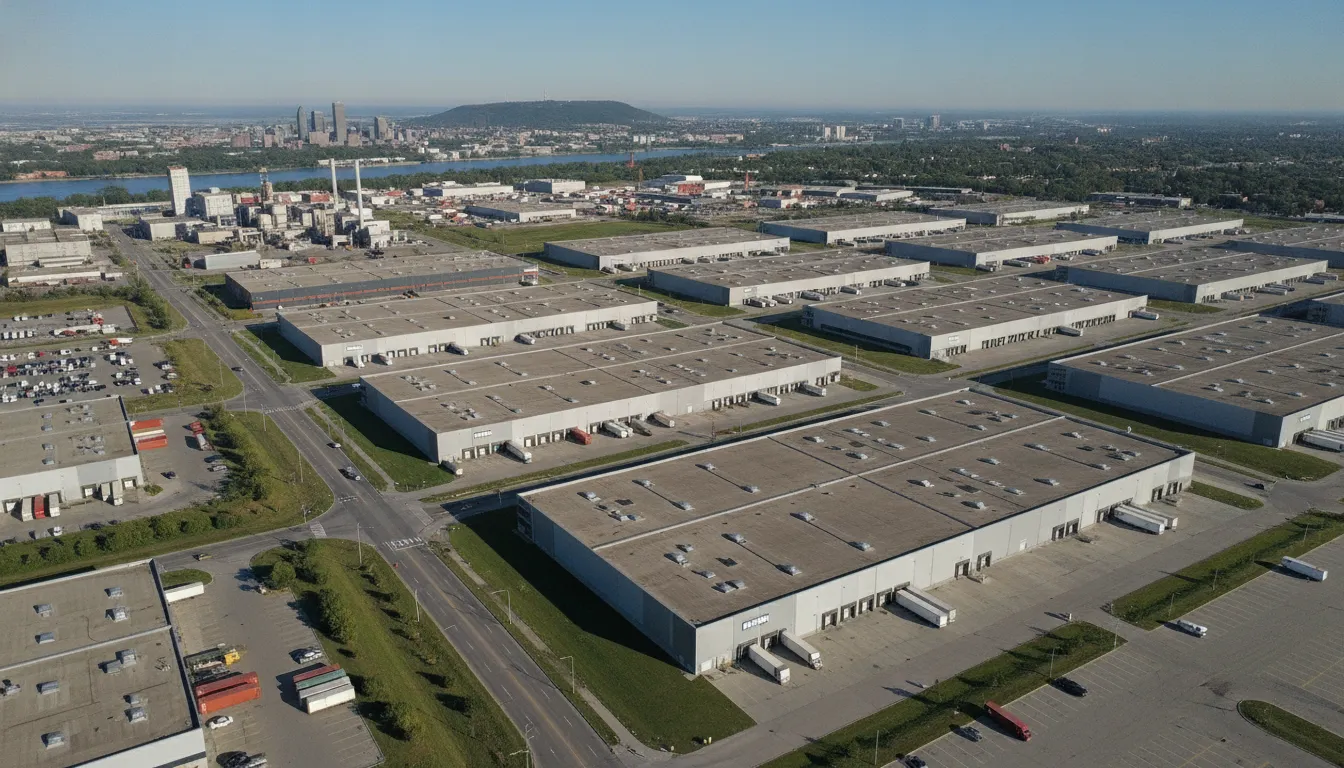
The term “industrial property” covers a wide range of facilities that are the backbone of commerce and logistics. These aren’t just empty warehouses; they are dynamic hubs for manufacturing, distribution, and storage. A skilled manager understands the unique demands of each. For example, a manufacturing plant has different needs related to heavy machinery and safety protocols than a high-volume distribution center with constant truck traffic. Effective management requires a tailored approach that addresses the specific challenges of your asset. Regular property inspections are crucial to stay on top of the specific operational needs of these diverse and complex buildings.

The Challenges of Managing an Industrial Property Yourself

Owning an industrial property is a significant investment, so it’s understandable why you might consider managing it yourself to keep costs down. However, overseeing an industrial space is a completely different challenge than managing a residential unit. These properties come with a unique set of complexities that can quickly consume your time, drain your finances, and expose you to serious risks if not handled with expertise.

From intricate lease agreements to specialized maintenance and strict regulations, the learning curve is steep. Before you take on the full-time job of property manager, it’s important to understand what the role truly entails. It requires a deep understanding of tenant relationships, building upkeep, and the financial operations of the property. Without this specialized knowledge, you may find yourself struggling to keep up with the demands, which can ultimately impact your investment’s profitability and your own peace of mind.

Handling Complex Leases and Tenant Needs

Industrial leases are far more complex than residential ones. They often involve long-term commitments and detailed negotiations on everything from usage clauses and tenant improvement allowances to shared maintenance costs. Your tenants aren’t just looking for a space; they need a facility that supports their specific operations, whether that means heavy machinery, specific power grids, or 24/7 loading dock access. Meeting these specialized needs while protecting your own interests requires a firm grasp of commercial real estate contracts and negotiation tactics. A single misstep in the lease agreement can lead to costly disputes and long-term headaches that are difficult to resolve.

Keeping Up with Regulations and Legal Risks

Industrial properties are subject to a mountain of regulations that simply don’t apply to other types of real estate. You’ll be responsible for complying with strict municipal zoning laws, environmental standards, and workplace safety codes. These rules are complex and constantly evolving, and ignorance is not an excuse. A single compliance failure could result in significant fines, legal battles, or even a mandatory shutdown of operations. Professional property inspections are crucial for identifying potential issues before they become expensive liabilities, ensuring your property and its tenants remain safe and compliant with all local ordinances.

The Demands on Your Time and Finances

The day-to-day reality of self-management is a constant drain on your most valuable resources: time and money. You become the first point of contact for every late-night emergency call, maintenance request, and tenant complaint. Beyond the time commitment, the financial stakes are incredibly high. Finding a new industrial tenant can be a lengthy and expensive process involving marketing, broker commissions, and costly improvements to suit the new occupant. Losing a good tenant can cost you far more in lost rent and turnover expenses than you would ever spend on professional property management, making tenant retention one of the most critical aspects of a profitable investment.

The Advantages of Hiring a Professional Property Manager

Handing over the keys to a professional property manager is one of the smartest moves you can make for your industrial property. It’s not just about outsourcing the day-to-day grind; it’s about bringing in an expert whose entire job is to protect and grow your investment. A great manager does more than just collect rent and fix leaks. They bring a strategic approach to everything from tenant screening to preventative maintenance, all with the goal of making your property more profitable and less of a headache.

Think of it this way: you’re the CEO of your investment, and the property manager is your COO, handling all the operational details so you can focus on the big picture. They have the experience, the network, and the systems in place to run your property more efficiently than you likely could on your own. This professional oversight leads to happier tenants, lower costs, and a healthier bottom line. Let’s look at exactly how they make that happen.

How to Get Your Time Back

If you’ve ever managed a property yourself, you know it’s a full-time job disguised as a side hustle. The constant demands, from late-night emergency calls to chasing down rent payments, can quickly consume your life. A professional property management team takes all of that off your plate. They become the single point of contact for tenants, vendors, and all the administrative work that comes with ownership.

This frees you up to focus on what’s most important to you, whether that’s finding your next investment opportunity, growing your primary business, or simply enjoying your personal time without interruption. Instead of spending your weekends fixing a leaky faucet or screening applicants, you can trust that a capable team is handling it all for you.

Securing Better Leases and Reducing Vacancies

An empty industrial unit doesn’t just mean a lack of income; it means you’re paying for a space that isn’t generating a return. One of the biggest advantages of a property manager is their ability to minimize vacancies. They have a deep understanding of the local market, allowing them to price your property competitively to attract tenants quickly. They also have proven marketing strategies to get your listing in front of the right people.

Beyond just filling a space, a manager is skilled at securing high-quality tenants who are reliable, professional, and more likely to stay for the long term. By thoroughly screening applicants and managing lease negotiations, they help you build a stable and dependable rent roll. This focus on tenant retention is key to protecting your property’s value and ensuring consistent cash flow.

Saving Money Through a Professional Network

While hiring a manager comes with a fee, they often save you more money than they cost. How? Through their extensive network of trusted professionals. When a repair is needed, they aren’t scrolling through Google search results. They have a list of vetted plumbers, electricians, and contractors who provide quality work at competitive rates. These established relationships often lead to better pricing and faster service than you could find on your own.

Furthermore, a good manager is always looking for ways to reduce your operating costs. They handle preventative property inspections to catch small issues before they become expensive problems. They can also analyze utility usage and other expenses to find opportunities for savings, directly improving your property’s financial performance.

Improving Your Net Operating Income (NOI)

Ultimately, every benefit we’ve discussed contributes to one critical metric: your Net Operating Income (NOI). Your NOI is your property’s total income after you subtract operating expenses. A skilled property manager works to improve both sides of that equation. They increase income by reducing vacancies, securing strong leases, and ensuring timely rent collection.

Simultaneously, they lower your expenses by leveraging their vendor network and implementing cost-saving measures. It’s not just about closing a deal; it’s about ensuring the property performs at its peak for years to come. By optimizing lease performance and managing costs effectively, a professional manager helps increase your property’s overall value and deliver the profitable return you’re looking for.

How Property Managers Improve Tenant Retention

Finding a great tenant is only half the battle; keeping them is what truly protects your investment. High tenant turnover is one of the biggest, and most underestimated, drains on a property’s profitability. Every time a tenant leaves, you face a cascade of costs: advertising the space, screening new applicants, cleaning and repairs between occupants, and of course, the lost rent while the unit sits empty. A professional property manager’s main goal is to stop this expensive cycle before it starts. They act as the dedicated point of contact who ensures your tenants feel heard, respected, and valued from day one.

A positive tenant experience is built on a few simple, yet critical, pillars: responsive service, clear communication, and a solid professional relationship. When tenants are happy, they are far more likely to renew their lease, treat the property with care, and provide a stable, predictable income stream. A skilled manager implements the systems needed to deliver this experience consistently, turning your property into a place where good tenants want to stay for the long term. This focus on retention is a core part of a successful property management strategy and is essential for maximizing your return on investment.

Prioritizing Prompt Maintenance and Repairs

Nothing sours a tenant relationship faster than ignored or delayed maintenance requests. A leaky faucet or a broken appliance might seem small, but to your tenant, it’s a daily frustration that shows a lack of care. A property manager makes maintenance a top priority. They have established systems for receiving, tracking, and resolving repair requests efficiently.

Instead of you having to find a reliable plumber at a moment’s notice, your manager already has a network of vetted, professional contractors on call. They handle the coordination and follow-up, ensuring the job is done right and on time. This responsiveness not only keeps your tenants happy but also protects your asset by addressing small issues before they become large, expensive problems.

Keeping Tenants Happy and Informed

Happy tenants are the foundation of a profitable property. Beyond just handling repairs, a property manager fosters a positive environment through clear and consistent communication. They serve as a professional buffer, handling tenant questions and concerns with diplomacy and efficiency. This prevents minor issues from escalating into major conflicts.

A manager also keeps tenants informed about building-wide updates, such as scheduled maintenance or policy changes. This transparency builds trust and makes tenants feel like they are part of a well-managed community. When people feel respected and in the loop, they are more content and cooperative. This proactive approach to tenant relations is crucial for creating a stable and pleasant atmosphere that encourages long-term stays.

Building Strong Relationships to Reduce Turnover

Prompt maintenance and clear communication are the building blocks of a strong tenant-manager relationship. When tenants know they have a reliable and professional point of contact, they feel secure in their home or business space. A good property manager is skilled at talking with tenants, understanding their needs, and handling requests in a way that makes them feel valued.

This positive relationship is what ultimately convinces a tenant to renew their lease year after year. It reduces the likelihood of them looking for other options, which saves you the significant costs associated with turnover and vacancies. By fostering these connections, a manager helps keep your property occupied with reliable tenants, ensuring consistent cash flow and a healthier bottom line.

Using Technology to Manage More Effectively

Let’s be honest, managing an industrial property with a paper ledger and a Rolodex just doesn’t cut it anymore. Technology is a game-changer for modern property management, making everything from rent collection to maintenance requests run smoother. For you, the owner, this means more efficiency, better transparency, and ultimately, a healthier return on your investment. A professional manager uses a suite of digital tools to handle daily tasks, giving tenants the convenience they expect and providing you with clear, accessible data about your property’s performance.

It’s about replacing outdated, time-consuming processes with smart, automated systems that save time and reduce headaches for everyone. Think about it: instead of you personally fielding calls, a system can log requests. Instead of you driving to the bank, rent is deposited automatically. This isn’t just about convenience; it’s about creating a professional operation that tenants trust and appreciate. By embracing these tools, a property manager can offer a level of service that’s simply impossible to achieve on your own. They can analyze data to spot trends, proactively address issues before they become major problems, and ensure your property operates like a well-oiled machine. This tech-forward approach is key to maximizing your property’s value and minimizing your stress.

Streamlining Rent Collection and Financials

Remember the days of waiting for checks in the mail and manually updating spreadsheets? Technology puts an end to that. With modern property management software, tenants can pay their rent online through a secure portal. The system can even send out automatic reminders before the due date and apply late fees if needed. This simple switch makes the process easier for tenants and ensures you get your money faster and more reliably. For you, this means no more chasing payments or dealing with bounced checks. You get clear, real-time financial reports that show exactly who has paid and when, making bookkeeping straightforward and transparent.

Automating Maintenance Requests and Workflows

When a pipe bursts or a security light goes out, the last thing you want is a frantic game of phone tag. Technology streamlines the entire maintenance process. Tenants can submit a work order through an online portal, complete with photos and a detailed description of the issue. This request is instantly logged, and the system can automatically notify the right vendor for the job. A good property manager uses this system to track every request from start to finish, ensuring nothing falls through the cracks. This not only leads to faster repairs and happier tenants but also creates a detailed maintenance history for your property, which is invaluable for planning and budgeting for future proactive inspections.

Improving Communication for Everyone Involved

Clear and consistent communication is the foundation of a good landlord-tenant relationship. Technology provides a central hub for all important messages, eliminating the confusion of scattered emails and missed calls. A property manager can send out building-wide announcements about maintenance schedules or emergency alerts in just a few clicks. They can also communicate with individual tenants about lease renewals or specific inquiries directly through the portal. This keeps tenants informed and feeling valued. For you as the owner, it means you get concise, relevant updates without being copied on every single email. It also helps attract quality tenants by showing that your property is managed professionally and efficiently, which helps fill vacancies faster.

Managing Risk and Staying Compliant

Owning an industrial property comes with a significant amount of responsibility, especially when it comes to rules and regulations. It’s a complex world of zoning laws, safety codes, and environmental standards that are constantly evolving. Staying on top of it all is more than a full-time job; it’s a specialized skill. This is where a professional property manager becomes an essential partner in protecting your investment.

A great manager doesn’t just react to problems. They proactively manage risk, ensuring your property and its operations are always up to code. This shields you from potential fines and legal issues that can quickly erode your profits and damage your reputation. By handling the intricate details of compliance, a manager allows you to focus on the bigger picture of your investment portfolio, confident that your asset is in safe and capable hands. It’s about creating a secure, stable, and profitable environment for both you and your tenants.

Understanding Local Zoning, Safety, and Environmental Rules

Industrial properties aren’t one-size-fits-all, and neither are the rules that govern them. A property manager’s job is to understand exactly what activities are permitted on your site according to local Montreal zoning. They evaluate potential tenants to ensure their business is a good fit not just for the building, but for the neighborhood and municipality.

This goes beyond a simple background check. It involves a deep knowledge of safety codes, fire regulations, and environmental laws that apply to industrial operations. A professional manager ensures that your property and its tenants are compliant from day one and stay that way through ongoing monitoring. This prevents violations that could lead to costly fines or operational shutdowns, protecting the long-term viability of your investment.

How a Manager Protects You from Liability

Every property owner knows that liability is one of the biggest risks in real estate. An accident, a tenant dispute, or a compliance oversight can lead to expensive legal battles. An experienced property manager acts as your first line of defense. They are experts in local and provincial laws, from the specifics of commercial lease agreements to the requirements of the Régie du logement.

By ensuring your property strictly follows all applicable rules, a manager significantly reduces your exposure to liability. They handle tenant issues professionally, maintain the property to high safety standards, and keep meticulous records. This comprehensive approach to property management means problems are often prevented before they can even begin, giving you invaluable peace of mind and protecting your financial interests.

Using Proactive Inspections to Prevent Costly Issues

The best way to handle a major repair is to prevent it from ever happening. This is the philosophy behind proactive property inspections. Instead of waiting for a tenant to report a leaky roof or a faulty HVAC system, a professional manager implements a regular inspection schedule to catch small issues before they become catastrophic failures. This foresight saves you thousands in emergency repair costs and prevents operational downtime for your tenants.

Modern property inspections use technology to streamline the process, with digital checklists and photo documentation creating a clear and transparent record of the property’s condition. This systematic approach ensures that maintenance is handled efficiently, your property is well-maintained, and its value is preserved for years to come.

Is Hiring a Property Manager a Good Investment?

Let’s get straight to the point: is hiring a property manager worth the money? It’s the biggest question on any property owner’s mind. Seeing a management fee come off your revenue can feel like a pure cost, but it’s important to frame it differently. A great property manager isn’t an expense; they are a partner who generates value. The right management team doesn’t just collect rent, they actively work to protect and grow your investment.

Think of it as the difference between simply owning a property and running a successful real estate business. A manager handles the day-to-day operations that drain your time and energy, from tenant issues to emergency repairs. More importantly, their expertise helps you secure better tenants, reduce costly vacancies, and control operating expenses. They turn a passive asset into a well-oiled machine that produces consistent returns. The real question isn’t whether you can afford a property manager, but whether you can afford the risks and missed opportunities of going it alone.

The Real Story on Management Costs

When you see a management fee, it’s easy to focus on the number. But that fee is an investment in your property’s long-term health and profitability. Professional property management is designed to protect and increase your asset’s value over time. A good manager brings expertise that translates directly into financial gains, like stronger tenant retention and fewer vacancies.

They have systems in place to control operating expenses and optimize lease performance, which are two of the biggest factors affecting your bottom line. By keeping your property well-maintained and your tenants happy, they reduce turnover, which is one of the most significant costs an owner can face. This proactive approach helps maintain a steady cash flow and increases your property’s long-term value and Net Operating Income (NOI).

Calculating the True Cost of Doing It Yourself

Managing a property yourself might seem like a great way to save money, but have you calculated the true cost? Managing an industrial property is a full-time job. The hours you spend screening tenants, chasing down rent, coordinating maintenance, and marketing vacancies add up quickly. This is time you could be spending on your primary career, with your family, or finding your next investment.

Beyond your time, there are financial risks. Without the right experience, even a great property can underperform. A poorly drafted lease can leave you exposed, a slow response to a maintenance issue can lead to a costly repair, and a bad tenant can result in months of lost rent and legal fees. The cost of one of these mistakes can easily surpass a full year of management fees.

How Professional Management Drives Long-Term ROI

A professional manager’s primary goal is to make your property run well and generate profit without you having to do everything yourself. They drive your return on investment (ROI) by applying industry expertise to every aspect of your property. This starts with keeping good tenants and ensuring rent is collected on time, which stabilizes your cash flow.

They also leverage a network of vetted contractors to handle maintenance and repairs efficiently, saving you from overpaying for subpar work. Furthermore, a manager helps you plan for the future by overseeing building improvement projects and conducting proactive inspections to prevent small issues from becoming expensive problems. By optimizing income and minimizing expenses, they ensure your investment is not just maintained, but is actively growing in value.

Frequently Asked Questions

I own a smaller industrial building. Is it still worth hiring a property manager? Absolutely. The complexity of industrial properties isn’t just about size; it’s about the specialized nature of the leases, tenants, and regulations. Even with a single property, you’re still dealing with commercial contracts, zoning laws, and specialized maintenance needs. A professional manager brings expertise that protects your investment and saves you time, regardless of whether you own one building or twenty.

How are management fees typically structured? I’m worried about the cost. It’s smart to think about the financial side. Most property management fees are structured as a percentage of the monthly rent collected. This model actually aligns the manager’s goals with yours. They are motivated to find you a reliable tenant and ensure rent is paid on time because their success is tied directly to your property’s income. Think of it less as a fixed cost and more as a partnership in your property’s profitability.

My biggest headache is finding good tenants. How does a manager handle this differently than I would? A professional manager has a much wider reach and a more systematic process. Where you might post an ad online, they use targeted marketing strategies and a network of industry contacts to find qualified tenants. They also have a rigorous screening process that goes beyond a simple credit check, looking into a business’s operational needs and financial stability to ensure they are a good long-term fit for your specific property.

What happens during an emergency, like a major flood or power outage at 2 AM? This is exactly where a manager proves their worth. Instead of you getting the call, they do. They become the 24/7 point of contact and immediately put their emergency plan into action. They have an established network of trusted, on-call vendors, so they can dispatch a plumber or electrician right away to control the situation and minimize damage. You get peace of mind, and your tenants get a fast, professional response.

How involved do I have to be after I hire a manager? You can be as involved, or as uninvolved, as you want to be. The goal is to free you from the daily operational tasks. Your manager will handle all the tenant communication, rent collection, and maintenance coordination. They will provide you with regular, detailed financial reports and consult with you on major decisions, like approving a large repair or a new lease. You get to step back from the day-to-day grind and focus on the big picture.

Being a landlord can quickly turn into a second job you never applied for. Between screening applicants, answering tenant calls at all hours, and coordinating repairs, the “passive income” from your rental property can start to feel very active. Your time is your most valuable asset, and this is where professional management comes in. Many owners hesitate, wondering, “how much do property managers charge in Quebec?” They weigh the fee against their rental income but often forget to factor in the hours they’ll get back. This guide breaks down the costs of hiring a manager in Montreal, but it also frames it in the context of value. We’ll explore how handing over the day-to-day operations not only frees up your schedule but also protects your investment through expert oversight and proactive property inspections.

Key Takeaways

  • Compare the three main fee structures: Most managers in Quebec charge a percentage of rent, typically 6% to 12%, but you will also find flat-fee and per-unit models. Understanding how each one works helps you choose the best financial fit for your specific property.
  • Ask about fees beyond the monthly rate: The standard management fee covers daily tasks, but services like placing new tenants, account setup, and lease renewals often cost extra. Always request a full fee schedule so you can budget accurately and avoid financial surprises.
  • Calculate the true value of professional management: A manager’s fee is an investment in your time and your property’s long-term health. By preventing costly vacancies, handling repairs efficiently, and managing legal compliance, their service often pays for itself through saved money and stress.

What Does a Property Manager Actually Do?

Before we get into the numbers, let’s talk about what you’re actually paying for. The role of a property manager goes far beyond just collecting rent checks. A great manager acts as your partner, handling the daily complexities of property ownership so you can focus on your investment’s growth. They are the frontline for your tenants, the coordinator for repairs, and the administrator for your finances. Understanding the scope of their work is the first step in seeing the true value they provide. Many myths surround property management, but the reality is that a good manager handles the essential, and often stressful, tasks that come with owning property.

A Look at Core Services

At its heart, property management is about handling the day-to-day operations of your real estate investment. Think of it as the engine that keeps your property running smoothly. This includes the crucial task of collecting rent on time and following up on any late payments. A manager also fields all tenant communications, from simple questions to urgent maintenance requests. They coordinate repairs with trusted vendors, ensuring work is done correctly and at a fair price. Behind the scenes, they manage the bookkeeping, providing you with clear financial statements. This kind of comprehensive property management frees you from the administrative grind and protects the value of your asset.

Managing Residential, Commercial, and Industrial Properties

Not all properties are created equal, and a skilled manager knows how to adapt their approach to fit the specific needs of your investment. For residential properties, the focus is on tenant relations, lease renewals, and understanding Quebec’s housing regulations. With commercial properties, the game changes to managing longer-term leases, calculating common area maintenance (CAM) fees, and supporting business tenants. Industrial properties bring another layer of complexity with unique zoning laws, specialized maintenance needs, and safety protocols. A versatile manager is essential for filling vacancies and ensuring profitability across any type of portfolio, from a single-family home to a large industrial complex.

How Much Do Property Managers Charge in Quebec?

When you start looking for a property manager, one of the first questions you’ll have is about cost. In Quebec, there isn’t a single sticker price for property management. Instead, the fees depend on your property’s type, its location, and the specific services you need. Most companies structure their pricing in one of three ways: as a percentage of rent, a fixed flat fee, or a per-unit rate for larger buildings.

Understanding these models is the key to figuring out what you can expect to pay and which structure works best for your investment goals. While it’s easy to focus only on the numbers, remember that a good property manager does more than just collect rent. They protect your investment, free up your time, and handle the day-to-day headaches of ownership. The right property management partner provides value that goes far beyond their monthly fee. Think of it as an investment in your own peace of mind and your property’s long-term profitability. A lower fee might seem attractive initially, but it could mean fewer services or less experienced management, which can cost you more in the long run through vacancies or poorly handled maintenance. Let’s break down the most common fee structures you’ll encounter in the Montreal market so you can make an informed choice.

Understanding Percentage-Based Fees

The most common pricing model you’ll find in Montreal is a percentage-based fee. With this structure, the property management company charges a percentage of the monthly rent collected from your property. In Quebec, this rate typically falls between 6% and 12%. For example, if your property rents for $2,000 a month and the management fee is 8%, you would pay the manager $160.

This model is popular because it aligns the manager’s interests with yours. Since their income is directly tied to the rent they collect, they are motivated to find and keep reliable tenants who pay on time. It’s a good idea to clarify whether the fee is based on rent collected or rent due, as this can make a difference if a unit is ever vacant. This fee guide offers more detail on how to price services competitively.

Exploring Flat-Fee Models

Another option you might come across is a flat-fee model. Instead of a percentage, you pay a fixed amount every month, regardless of the rental income. These fees can vary widely depending on the market and services included, but some sources suggest an average of around $300 per month. This structure offers predictability, which makes it easier to budget your monthly expenses without any surprises.

A flat-fee arrangement can be appealing if you have a high-rent property, as the fee might be lower than a percentage-based charge. However, the fee is usually due even if your property is vacant, so it’s important to factor that into your calculations. This model is best for property owners who prioritize a consistent, predictable management cost each month.

How Per-Unit Pricing Works

If you own a multi-unit building, like an apartment complex or a commercial plaza, you’ll likely encounter per-unit pricing. This is essentially a volume-based flat fee, where you pay a set price per door. For instance, a manager might charge $100 per unit each month. This approach often provides economies of scale, making the cost per unit lower than it would be to manage a single property.

This model is efficient for owners of larger portfolios because it simplifies billing and recognizes the efficiencies of managing multiple units at one location. It allows a company to streamline tasks like maintenance, showings, and tenant communication. By centralizing the management of all your vacancies, you can create a more consistent and professional experience for all your tenants.

What Other Fees Should You Expect?

While the monthly management fee covers the day-to-day operations of your property, it’s important to know that it usually doesn’t cover everything. Think of it like a base salary; there are other costs associated with specific events or services. Understanding these additional charges upfront helps you budget accurately and avoid surprises down the road. Most professional property management companies are transparent about their fee structure, so you should always ask for a complete list. Let’s walk through some of the most common fees you’ll encounter.

Fees for Finding New Tenants

When your property is empty, your primary goal is to fill it with a reliable tenant as quickly as possible. A property manager handles this entire process, but it comes at a cost. This tenant placement fee covers advertising your rental, showing the unit, and thoroughly screening applicants. In Quebec, you can expect this fee to be between 50% to 100% of one month’s rent. While it might seem like a lot, paying for a professional to find a quality tenant can save you from the much higher costs associated with difficult tenants and frequent vacancies.

One-Time Setup Fees

When you first partner with a property management company, they need to onboard your property into their system. This involves setting up your account, collecting property data and documents, and creating a financial profile for rent collection and expense tracking. To cover these administrative tasks, many companies charge a one-time setup fee. This initial charge typically ranges from $200 to $500. It’s a standard cost for getting everything organized from the start, ensuring that the management of your property begins on the right foot.

Charges for Maintenance Coordination

One of the biggest benefits of having a property manager is that you’re no longer the one getting calls about a leaky faucet at 10 p.m. The management company coordinates all repairs, but there can be a fee for this service. Some companies add a markup on vendor invoices, which is often between 5% and 15%. This charge compensates them for the time spent vetting contractors, scheduling the work, and ensuring it’s completed correctly. It’s the price of convenience and knowing that experienced professionals are overseeing any necessary property inspections and repairs.

Lease Renewal Costs

Keeping a great tenant is almost always more cost-effective than finding a new one. When a lease is up for renewal, your property manager will handle the negotiations and paperwork. For this service, they often charge a lease renewal fee. This fee is usually a flat rate, commonly falling between $200 and $500. It covers the administrative work of drafting the new lease, ensuring all terms comply with Quebec’s regulations, and getting the documents signed. It’s a small investment to secure continued occupancy and maintain a stable return on your property.

What Influences Property Management Costs in Quebec?

When you’re looking for a property manager, you’ll quickly find that there’s no single price tag. The cost of professional management isn’t arbitrary; it’s shaped by a few key factors specific to your investment. Understanding these variables will help you see exactly what you’re paying for and why the investment is worthwhile. From the type of building you own to the specific services you need, let’s break down what influences the final cost of managing your property in Quebec.

Your Property’s Type

The kind of property you own is one of the biggest factors in determining management fees. Residential properties, like single-family homes or multi-unit apartment buildings, typically have fees calculated as a percentage of the monthly rent, often falling between 8% and 12%. Commercial and industrial properties, on the other hand, can have different fee structures. Their leases are often more complex, tenants have different needs, and maintenance requirements can be more specialized. A manager experienced in comprehensive property management for all property types will adjust their pricing to reflect the work involved, ensuring your investment is handled correctly no matter its size or use.

Location: Montreal vs. Smaller Markets

Where your property is located matters. You can expect management fees in a major urban center like Montreal to differ from those in smaller, more rural markets. While some sources suggest a wide range of 6% to 12% across the province, rates in Montreal often sit at the higher end of that spectrum. This isn’t a downside; it reflects the city’s competitive rental market, higher operating costs, and the greater potential for rental income. A manager who knows the Montreal market inside and out provides immense value by setting competitive rents, attracting quality tenants, and keeping your vacancies to a minimum.

The Level of Service You Need

Not every landlord needs the same level of support, and management fees reflect that. You can choose a basic service package that only covers rent collection, or you can opt for a full-service agreement that handles everything. A comprehensive plan might include tenant screening, marketing your property, coordinating maintenance, and conducting regular property inspections to protect your asset. The more tasks you hand over to your property manager, the higher the fee will be. This flexibility allows you to find a balance that fits your budget while freeing up your time and reducing your stress.

Handling Quebec’s Regulations

Quebec has a unique and complex set of rules governing landlord-tenant relationships, primarily overseen by the Tribunal administratif du logement (TAL). A professional property manager’s expertise in this area is invaluable. They understand the legal requirements for leases, rent increases, and eviction procedures, protecting you from potential legal issues and fines. This expertise is a built-in part of their service fee. Staying compliant with all provincial regulations, including those outlined by official legal sources, is a non-negotiable part of successful property ownership, and a good manager handles it for you.

How Do Quebec’s Fees Compare to Other Provinces?

If you’re a property owner in Quebec, you might wonder how your local management fees stack up against the rest of the country. The good news is that Quebec’s rates are quite competitive. Typically, you can expect to see fees ranging from 8% to 12% of the monthly rent for residential properties. This aligns closely with the national average, so you aren’t paying a premium just for being in La Belle Province.

When you look at other major markets, the numbers tell a similar story. In provinces like Ontario and British Columbia, property management fees generally fall between 6% and 12%. The costs can vary significantly across Canada, with major urban centers like Toronto and Vancouver sometimes commanding higher rates due to their high cost of living and demanding rental markets. This often makes Montreal’s fees look even more attractive by comparison.

While percentage-based fees are the most common, some managers in other provinces are starting to offer flat-fee options. It’s also becoming more popular for companies to offer tiered services, allowing you to choose a package that fits your needs and budget. Ultimately, the key isn’t just the percentage but the value you receive. A slightly higher fee might be well worth it if it includes comprehensive services like rigorous tenant screening, 24/7 maintenance coordination, and detailed financial reporting, which save you time and protect your investment in the long run.

What’s Included in a Standard Management Fee?

When you see a property management fee, it’s easy to wonder what you’re really paying for. Think of it less as a single cost and more as a comprehensive service package designed to protect your investment and free up your time. A standard management fee bundles together all the essential, day-to-day tasks of running a rental property. From finding great tenants to handling late-night repair calls, your property manager takes on the responsibilities of being a landlord so you don’t have to. Let’s break down exactly what those core services look like.

Screening Tenants and Filling Vacancies

An empty property doesn’t generate income, but filling it with the wrong tenant can be even more costly. A key part of a manager’s job is to market your property effectively to attract a pool of qualified applicants for your vacancies. They handle everything from professional photos and listing descriptions to property showings. More importantly, they conduct thorough tenant screening, which includes credit checks, employment verification, and past rental history reviews. This rigorous process is your best defense against future issues and is fundamental to securing a profitable, low-stress tenancy. It’s all about finding someone reliable who will pay on time and care for your property.

Handling Rent Collection

Chasing down rent payments every month is one of the biggest headaches for property owners. Your management fee covers a streamlined rent collection process, ensuring you receive your income on time. Your manager acts as the direct point of contact for all payment-related matters, which creates a professional buffer between you and your tenants. They also handle the uncomfortable parts, like enforcing late fees and, if necessary, managing the formal procedures for non-payment. This consistent and professional approach to rent collection is crucial for maintaining steady cash flow from your investment property and is a cornerstone of effective property management.

Coordinating Maintenance and Inspections

Keeping your property in excellent condition not only preserves its value but also keeps your tenants happy. A standard management fee includes the coordination of all maintenance and repairs. When a tenant reports a leaky pipe or a broken appliance, your manager fields the call and dispatches a trusted professional from their network to fix it. This service also includes proactive care. By scheduling routine property inspections, your manager can identify and address small issues before they become expensive problems. This ensures your property remains safe, compliant with regulations, and a desirable place for tenants to live.

Managing Your Books and Finances

Proper financial tracking is essential for understanding your investment’s performance and for simplifying things come tax season. Your property manager handles the bookkeeping for your property, providing you with clear and detailed financial reports. These statements typically break down all income and expenses, giving you a transparent overview of your cash flow each month. They track everything from rent payments to repair costs, so you have organized records without having to manage the spreadsheets yourself. This financial oversight helps you make informed decisions about your property and ensures you have everything you need for accurate financial planning and reporting.

Fielding Tenant Calls and Issues

Your time is valuable. One of the greatest benefits of hiring a property manager is having them serve as the primary point of contact for your tenants. Instead of you getting a call at 10 p.m. about a plumbing emergency, your manager handles it. They are on the front lines for all tenant communications, from simple questions to urgent requests and complaints. This creates a professional and responsive experience for your tenants, which can lead to higher retention rates. For you, it means freedom from the day-to-day demands of being a landlord and the peace of mind that comes with knowing any issues are being handled promptly and professionally.

Common Myths About Property Management Fees

When you’re thinking about hiring a property manager, the fees are often the biggest question mark. The numbers can feel abstract, and it’s easy to get caught up in misconceptions about the cost versus the value. Let’s clear up a few common myths so you can make a confident decision for your investment property.

Myth #1: “It’s too expensive to be worth it.”

It’s natural to focus on the cost, but it’s more accurate to see it as an investment. While you do pay a fee, a great manager saves you money and time in ways that often offset the price. Think about the financial drain of a vacant property, the cost of a bad tenant, or the hours you spend dealing with maintenance issues. Professional property management is designed to minimize these costs by securing quality tenants, ensuring timely rent collection, and handling problems efficiently. The service pays for itself not just in dollars, but in peace of mind.

Myth #2: “The management fee covers everything.”

This is a frequent point of confusion. Your monthly management fee typically covers the day-to-day operational tasks: collecting rent, communicating with tenants, and coordinating maintenance. However, it doesn’t usually include the cost of the actual repairs, like the plumber’s bill or a new appliance. Other services, such as finding and placing a new tenant, handling an eviction, or conducting in-depth property inspections, may also be billed separately. A trustworthy property manager will always provide a clear agreement that outlines exactly what is and isn’t included in the standard fee.

Myth #3: “Only large portfolios need a manager.”

Whether you own one rental condo or twenty, the responsibilities are the same. You still have to screen tenants, handle late-night emergency calls, chase down rent, and stay on top of Quebec’s specific rental laws. For many single-property owners, these duties can quickly become a stressful, part-time job. Hiring a manager allows you to reclaim your time and makes your investment truly passive. It’s not about the size of your portfolio; it’s about the quality of your life and the professional oversight your asset deserves.

Myth #4: “All property managers charge the same.”

This couldn’t be further from the truth. Fee structures and service levels vary significantly from one company to the next. Some managers charge a percentage of the monthly rent, while others have a flat-fee model. More importantly, what’s included for that price can differ. One company’s fee might include marketing and filling vacancies, while another charges extra for it. When comparing options, look past the sticker price and dig into the details of the service agreement to understand the full value you’re receiving.

Full-Service vs. Basic Management: Which Is Right for You?

Choosing a property manager is a bit like deciding how involved you want to be with your investment property. It’s not a one-size-fits-all service, and companies generally offer a spectrum of options that fall into two main camps: full-service and basic management. Think of it as the difference between hiring a wedding planner to coordinate every last detail versus just hiring a florist for the bouquets. One is a complete, hands-off partnership, while the other is a targeted solution for a specific need.

Your decision really boils down to what you value most: your time, your level of control, or your budget. A comprehensive property management plan is built for the owner who wants peace of mind knowing every detail is handled professionally. This covers everything from marketing your property and screening tenants to collecting rent and managing late-night maintenance calls. On the other hand, basic or à la carte services are geared toward the more hands-on landlord who just needs an expert to handle a specific, time-consuming task, like filling a vacancy. Figuring out which approach aligns with your goals is the key to finding a service that truly fits your needs.

What to Expect from Full-Service Management

This is the “set it and forget it” option for property owners. With full-service management, you’re handing over the day-to-day operations to a professional team. Their job is to protect your investment and keep it profitable without you having to lift a finger. This typically includes marketing your property, conducting showings, running thorough tenant screenings, and handling lease agreements. Once a tenant is in place, the manager takes care of rent collection, maintenance requests, regular property inspections, and financial reporting. It’s the ideal solution if you live far from your property, have a demanding career, or simply prefer not to deal with the headaches of being a landlord. While it costs more, usually a percentage of the monthly rent, the value comes from saved time and fewer costly mistakes.

When Basic Management Makes Sense

If you’re a hands-on landlord who enjoys managing your property but dreads one part of the job, basic or “à la carte” services might be your best fit. The most common offering here is a tenant placement or “lease-only” service. In this scenario, the property manager markets your unit, shows it to prospective tenants, runs background checks, and gets the lease signed. Once the tenant has the keys, the manager hands everything back to you. You’re then responsible for collecting rent and handling all communication and maintenance. This is a great option if you live nearby and have the time to be responsive but want to ensure you start with a high-quality, properly vetted tenant. It costs less upfront, but remember that all ongoing responsibilities will fall on your shoulders.

Is a Property Manager in Quebec Worth the Cost?

Deciding to hire a property manager is a big step, and it’s natural to wonder if the expense is justified. While there is a cost for professional property management, it’s helpful to think of it as an investment rather than just another bill. The right manager doesn’t just collect rent; they protect your asset, save you time, and can even increase your property’s profitability over the long run.

Think about the hours you spend dealing with tenant calls, coordinating repairs, or chasing down payments. A property manager takes all of that off your plate, giving you back your time and peace of mind. They also bring expertise in Quebec’s rental laws, helping you avoid costly legal mistakes. When you weigh the management fee against the potential costs of a prolonged vacancy, a difficult eviction, or an emergency repair gone wrong, the value becomes much clearer. The goal is to find a partner who helps your investment thrive without you having to handle the day-to-day grind.

When Does It Make Financial Sense?

Hiring a property manager makes financial sense when the cost of management is less than the value of your own time and the potential expenses you’d incur managing it yourself. If you own multiple properties, live far from your rental, or simply don’t have the bandwidth to be a landlord, a manager is often a smart move. In Quebec, management fees typically range from 8% to 12% of the monthly rent. While that might seem like a significant slice, a good manager can offset that cost by minimizing vacancies and securing reliable, long-term tenants. They also have a network of trusted contractors, ensuring maintenance is handled efficiently and affordably, preventing small issues from becoming expensive problems.

Questions to Ask Before You Sign a Contract

Before you partner with a property management company, it’s crucial to know exactly what you’re signing up for. A clear contract is the foundation of a good relationship. To avoid surprises and accurately forecast your investment’s profitability, you need to understand all the fees in detail. Start by asking for a complete breakdown of their fee structure. What services are included in the standard management fee? Are there extra charges for things like tenant placement, lease renewals, or coordinating major repairs? Also, ask about their process for handling maintenance, tenant screening, and property inspections. A professional manager will be transparent and happy to walk you through every line of the agreement.

Red Flags to Watch For

While most property managers are professionals dedicated to helping you succeed, there are a few red flags to keep an eye out for. Be cautious of companies that are not transparent about their fees or have overly complicated contracts. Poor communication from the start is another major warning sign; if they’re hard to reach before you’ve even signed, imagine what it will be like when there’s an issue. You should also be wary of any manager who suggests collaborating with competitors to set rental prices. The Competition Bureau of Canada warns that landlords agreeing to fix rental prices is illegal. A trustworthy manager focuses on maximizing your property’s value through excellent service, not by bending the rules.

How to Find the Right Property Manager in Montreal

Finding the right property manager in Montreal is about more than just handing over the keys. You’re looking for a partner who will protect your investment and help it grow. Choosing the right team is one of the most important decisions you’ll make as a property owner, so it’s worth taking the time to do your research and find a great fit.

Start by talking to people in your network. Ask other property owners or your real estate agent for recommendations. Word-of-mouth is powerful, but you should also do your own digging online. A company’s website can tell you a lot about their approach and the types of properties they manage. Look for a company that has experience with your specific type of property, whether it’s a residential apartment building, a commercial space, or an industrial complex. A manager who specializes in your niche will understand its unique challenges.

Once you have a shortlist, it’s time to check their reputation. Look for online reviews and testimonials from current and past clients. A solid track record of keeping properties well-maintained and filling vacancies quickly is a great sign. Make sure you get a clear list of their property management services. Do they handle everything from marketing and tenant screening to rent collection and maintenance coordination?

Finally, interview your top candidates. This is your chance to see if your communication styles match. Ask them about their process for tenant screening, how they conduct property inspections, and how they manage bookkeeping. A professional manager will have clear, confident answers. Remember, you’re building a long-term relationship, so finding a team you trust is the most important step.

Frequently Asked Questions

Do I still have to pay the management fee if my property is vacant? This depends entirely on the fee structure you agree to. If your manager charges a percentage of the monthly rent, you typically only pay when rent is actually collected. This means if the property is empty, you don’t owe a management fee. However, if you choose a flat-fee model, you usually pay that fixed amount every month, regardless of whether the unit is occupied. It’s important to clarify this detail before signing an agreement.

Why shouldn’t I just choose the property manager with the lowest fee? While a low fee can be tempting, it often reflects the level of service you’ll receive. A cheaper rate might mean less experienced staff, slower response times, or fewer services included, which can lead to costly problems like long vacancies or poorly handled repairs. Think of the fee as an investment in protecting your asset. A quality manager saves you money in the long run by securing reliable tenants and maintaining your property professionally.

How much say do I have in decisions, like choosing a tenant or approving repairs? You still have significant control. The relationship is a partnership where you set the guidelines. For instance, you can set a pre-approved spending limit for repairs, requiring your approval for any costs above that amount. You also have the final say on which applicant you accept as a tenant after the manager presents you with a shortlist of qualified candidates. A good management agreement will clearly outline these approval processes.

Are all those extra fees for things like tenant placement really necessary? Yes, these fees cover specific, labor-intensive tasks that fall outside of day-to-day management. Finding a new tenant, for example, involves marketing your property, conducting multiple showings, and performing thorough background checks on several applicants. These one-time charges compensate the manager for the focused effort required to complete these important projects, which are crucial for securing a profitable and stable tenancy.

What’s the real difference between managing a residential building and a commercial one? The required expertise is quite different. Managing residential properties focuses heavily on tenant relations, quick maintenance turnarounds, and navigating Quebec’s specific housing laws through the Tribunal administratif du logement (TAL). Commercial property management involves more complex, long-term leases, calculating common area maintenance (CAM) fees, and understanding the unique needs of business tenants. Each requires a distinct skill set to manage effectively and ensure profitability.

When you first bought your investment property, managing it yourself probably seemed manageable. But as your portfolio grows, so do the complexities. What worked for one unit becomes overwhelming with three or four. Suddenly, you’re juggling multiple leases, coordinating maintenance across different locations, and struggling to give each property the attention it deserves. This is a common growing pain for successful investors. To scale your business without sacrificing your sanity or the quality of your management, the next logical step is to hire a rental property manager. It’s how you transition from being a hands-on landlord to a strategic investor focused on your next opportunity.

Key Takeaways

  • Think beyond rent collection: A professional manager is your partner in the investment, handling everything from marketing and tenant screening to legal compliance and late-night maintenance calls, which frees up your time.
  • Prioritize value over the lowest price: The cheapest management fee can hide poor service or extra costs. Instead, focus on finding a company with a transparent fee structure and a thorough tenant screening process to protect your long-term profits.
  • Weigh your time against the cost: Managing a property yourself can work if you have the time, live nearby, and enjoy the work; however, if you value your free time or want a more passive investment, hiring a professional is often the smarter decision.

What Does a Property Manager Actually Do?

If you’ve ever wondered what a property manager really does to earn their fee, you’re not alone. It’s a fair question. On the surface, it might seem like they just collect rent and call a plumber once in a while. But the reality is that a great property manager is your partner in the investment, handling the complex, time-consuming, and often stressful tasks that come with owning a rental property. Think of them as the CEO of your property, overseeing everything from marketing and finance to maintenance and legal compliance.

A comprehensive property management service is designed to protect your investment, minimize your costs, and maximize your income, all while saving you the one thing you can’t get back: your time. They act as the essential buffer between you and the daily demands of your property and tenants. Instead of getting calls about a broken appliance at dinner, you get a clear, concise report at the end of the month. Let’s break down exactly what that looks like day-to-day.

Finding and Placing Great Tenants

One of the most critical roles a property manager plays is finding and placing high-quality tenants. This goes far beyond just putting a “For Rent” sign in the window. It starts with professionally marketing your property across various channels to attract a wide pool of applicants. They handle all the inquiries and schedule showings, saving you countless hours.

Once applications start coming in, the real work begins. A manager conducts a thorough screening process, which typically includes credit checks, employment verification, and calling previous landlord references. This step is crucial for finding someone who will pay rent on time and take good care of your property. By handling the advertising, showings, and rigorous vetting, they fill your vacancies faster and with more reliable tenants.

Handling Rent and Keeping the Books

Let’s be honest: chasing down rent is often the least enjoyable part of being a landlord. A property manager professionalizes this process entirely. They set clear expectations for payment and provide convenient ways for tenants to pay, which dramatically improves consistency. When rent is late, they are the ones who enforce late fees and follow the proper procedures, taking the awkwardness and emotion out of the situation for you.

Beyond collection, they manage all the finances for your property. This includes paying for maintenance and other property-related bills on your behalf. At the end of each month or quarter, you’ll receive a detailed financial statement showing all the income and expenses. This organized bookkeeping not only gives you a clear picture of your investment’s performance but also makes tax time significantly less stressful.

Managing Maintenance and Property Inspections

When a tenant calls about a leaky pipe at 2 a.m., who do you want answering the phone? A property manager handles all maintenance requests, from minor repairs to full-blown emergencies. They have a network of trusted and vetted contractors, so you can be sure the work is done correctly and at a fair price. This saves you the headache of finding a reliable plumber or electrician on short notice.

Good management is also proactive, not just reactive. Regular property inspections are a key part of their service. By walking through the property periodically, they can identify and address small issues before they turn into large, expensive problems. This preventative approach helps protect the long-term value of your asset and keeps your property in top condition.

Staying on Top of Leases and Legal Rules

Landlord-tenant laws are complex and can change frequently. A simple mistake in a lease or an improper eviction process can lead to serious legal and financial trouble. Property managers are experts in these regulations and ensure your property operates in full compliance with local and provincial laws, like those overseen by Quebec’s Tribunal administratif du logement.

From drafting a rock-solid lease agreement to handling lease renewals and terminations, they manage all the paperwork and legal formalities. They understand the correct procedures for everything, including handling security deposits, serving notices, and, if necessary, navigating the eviction process legally and efficiently. This expertise is one of the most valuable protections a property manager offers, safeguarding you from costly legal disputes.

What’s the Real Cost of a Property Manager?

When you’re thinking about hiring a property manager, the first question on your mind is probably about the cost. It’s a practical concern, and understanding the numbers is key to deciding if it’s the right move for your investment. The good news is that the fee structure is usually straightforward, but it’s more than just a single monthly number.

Think of it as an investment in your property and your own time. You’re paying for professional property management services that handle the daily headaches, from late-night repair calls to finding reliable tenants. The total cost is typically broken down into a few key areas: a recurring management fee, one-time fees for placing new tenants, and the actual costs for maintenance. Let’s break down what you can expect to see in a typical property management agreement so you can budget accordingly and see the value behind the price tag.

The Monthly Management Fee

The most common cost is the monthly management fee. This is the core payment for the day-to-day oversight of your property. Most companies charge a percentage of the monthly rent collected, which typically ranges from 8% to 12%. For example, if your property rents for $2,000 a month, you could expect the management fee to be between $160 and $240. This fee covers the ongoing services that keep your investment running smoothly, like collecting rent, communicating with tenants, and handling administrative tasks. It’s the price of having a professional partner dedicated to your property’s success.

One-Time Leasing and Setup Fees

When your property is vacant, a manager’s top priority is to fill it with a qualified tenant. The work involved in marketing the property, showing it to prospective renters, screening applications, and handling the lease signing is covered by a one-time leasing fee. This fee can vary, but it often falls between 25% and 100% of the first month’s rent, with 50% being a common rate. It’s a fee for the specific service of securing a new tenant for your vacancies, so it’s important to ask when this fee is charged and what services are included in it.

Extra Costs for Maintenance and Repairs

Maintenance and repair costs are separate from the management fee. While your property manager will coordinate all the work, the actual cost of the repair (parts and labor) is paid by you, the owner. A good management company will have a network of trusted vendors, but it’s smart to clarify how they handle these costs. To avoid any surprises on your monthly statement, you can set a pre-approved spending limit, say $250 or $500. This means the manager can handle small, routine repairs immediately but must get your approval for any larger expenses. Regular property inspections can also help catch small issues before they become expensive problems.

Should You Hire a Pro or Manage It Yourself?

Deciding whether to manage your rental property yourself or hire a professional is a major crossroads for any landlord. On one hand, the DIY route seems like a great way to save money and stay in control. On the other, professional management promises peace of mind and freedom from late-night emergency calls. There’s no single right answer, but weighing the realities of both paths will help you make the best choice for your investment, your lifestyle, and your sanity.

The Reality of Being a DIY Landlord

Going it alone can be rewarding, but it’s also a serious commitment. Many first-time landlords underestimate the time and expertise required, leading to avoidable mistakes that can result in costly repairs, legal disputes, and high tenant turnover. You’re not just a property owner; you’re the marketer, the bookkeeper, the repair coordinator, and the legal expert. Without a deep understanding of Quebec’s rental laws or a network of reliable contractors, you can quickly find yourself overwhelmed. The day-to-day demands of tenant communication and maintenance can easily turn your passive investment into a full-time job, which is why many owners eventually seek professional property management.

The Perks of Hiring a Property Manager

The biggest benefit of hiring a property manager is reclaiming your time and gaining peace of mind. A good manager handles all the daily tasks, from marketing your property and screening potential tenants to collecting rent and coordinating repairs. They already have a list of trusted, vetted contractors to handle maintenance issues promptly and professionally. More importantly, they are experts in landlord-tenant law and ensure every lease agreement is solid. This expertise protects you from legal trouble and helps secure quality tenants who are more likely to care for your property and pay rent on time. This frees you up to focus on your life, not on chasing down rent checks or fixing leaky faucets.

The Potential Downsides

Of course, hiring a professional comes with its own considerations. The most obvious is the cost, which typically ranges from 8% to 12% of the monthly rent. For some owners, this fee can feel like a significant cut into their profits. You also give up some direct control. While you set the overall direction, you’re paying the manager to make day-to-day decisions on your behalf, and their choices might not always be exactly what you would have done. If a company manages many properties, you might also worry that your unit won’t get the individual attention you’d give it yourself. It’s a trade-off between hands-on control and hands-off convenience.

When Does Managing It Yourself Make Sense?

Self-management can be a great fit if you have the time, skills, and desire to be actively involved. If you own a single property or a small number of units (fewer than ten is a common benchmark) and live nearby, the DIY approach is much more manageable. It also makes sense if you genuinely enjoy the process, from finding tenants to handling maintenance. If you’re looking to keep as much of your rental income as possible and have a flexible schedule to deal with unexpected issues, managing it yourself could be the right path. However, if you lack the time or live far away, the cost of a manager often outweighs the stress of going it alone.

How to Choose the Right Property Management Company

Finding the right property management company is less like hiring a contractor and more like choosing a business partner. This is the team you’ll trust to protect one of your most significant assets, so it’s a decision that deserves careful thought. A great property manager does more than just collect rent; they safeguard your investment, handle the headaches, and work to ensure your property remains profitable and well-maintained. They act as your representative, dealing with tenants, contractors, and legal requirements on your behalf.

When you start your search, you’ll find plenty of options, and it can be tough to tell them apart. The key is to look past the sales pitch and focus on the substance of their services. You want a partner who is organized, transparent, and has a deep understanding of the local Montreal market. A company with a solid reputation and clear, fair processes will make your life as a landlord infinitely easier. By focusing on a few critical areas, you can confidently select a company that aligns with your goals as a property owner. Let’s walk through what to look for to make sure you find a team that’s the perfect fit for you and your property.

Look for Local Expertise and a Proven Track Record

A property manager’s experience is one of the most important factors to consider. You want a team with a long history of success, not someone who just decided to get into the business. A company with a proven track record demonstrates stability and a deep understanding of the industry. For instance, a firm that has been providing property management since the 1980s has weathered multiple market cycles and has a system that works. Local expertise is just as critical. A manager who knows Montreal’s neighborhoods, rental rates, and municipal regulations can give you a significant advantage. They’ll price your property correctly and understand the specific laws that apply to your investment.

Examine Their Tenant Screening Process

The quality of your tenants can make or break your experience as a landlord. A thorough tenant screening process is your first line of defense against late payments, property damage, and costly evictions. Don’t be afraid to ask detailed questions about how a company vets potential renters. A common mistake owners make is not asking about a property manager’s process for screening, which can lead to major issues later. A professional company should have a standardized process that includes credit checks, employment verification, rental history, and reference checks. This diligence helps secure reliable tenants who will treat your property with respect and pay their rent on time.

Clarify Their Communication and Reporting Style

Clear and consistent communication is the foundation of a good relationship with your property manager. You need to know how they’ll keep you informed about your investment. Will you receive monthly financial statements? How will they notify you about maintenance issues or tenant concerns? A professional firm should have a clear protocol for owner communication. They should be easy to reach and provide regular, detailed reports on your property’s performance. This transparency gives you peace of mind, allowing you to stay informed without getting bogged down in the day-to-day operational details.

Understand All Fees and Contract Terms

Before you sign anything, make sure you have a complete understanding of the company’s fees and contract terms. The monthly management fee is just one part of the equation. Ask for a full fee schedule to avoid any surprises. Are there separate charges for finding a new tenant, handling evictions, or coordinating major repairs? Failing to ask the right questions about the fee structure is a frequent pitfall. Take the time to read the management agreement carefully. Pay close attention to the contract length, termination clauses, and the scope of services included to ensure it aligns with your expectations.

5 Key Questions to Ask Before You Sign

You’ve done your research and narrowed down your list of potential property managers. Now it’s time for the interview. This is your chance to dig deeper and make sure a company is the right partner for you and your investment. Going in with a clear set of questions will help you compare your options and sign a contract with confidence. Think of it as hiring for a critical role in your business, because that’s exactly what it is. These five questions will give you the clarity you need to make the right choice.

What is your tenant screening process?

The quality of your tenants can make or break your experience as a landlord. A property manager’s screening process is your first line of defense against late rent, property damage, and costly evictions. Don’t make the common mistake of overlooking this step. Ask them to walk you through their exact procedure. Do they run credit and background checks? Do they verify employment and income? Do they contact previous landlords for references? A thorough, consistent process is a sign of a professional company that aims to protect your asset by finding reliable tenants for your available properties. A vague answer is a major red flag.

How do you handle maintenance requests and emergencies?

Things will inevitably break, leak, or stop working. When they do, you want a manager who responds quickly and effectively. A great property manager can stay on top of any and all issues, from minor repair requests to late-night emergencies. Ask about their system. How can tenants submit a maintenance request? What is the guaranteed response time for non-urgent issues versus emergencies? Do you have an in-house maintenance team or a network of vetted, insured contractors? Understanding their approach to property inspections and maintenance will tell you a lot about how they’ll care for your property and keep your tenants happy.

What does your fee structure include—and what doesn’t it?

While it’s tempting to choose the company with the lowest monthly fee, focusing too much on cost is a frequent misstep. The cheapest option isn’t always the best value. Ask for a complete and transparent breakdown of all potential charges. The monthly management fee is just one piece of the puzzle. Are there separate fees for finding and placing a new tenant? What about lease renewal fees? Do they charge an additional percentage to oversee major repairs or renovations? Understanding the full fee structure upfront ensures there are no surprises on your monthly statement and helps you accurately budget for your investment property.

How will you keep me informed about my property?

Clear and consistent communication is the foundation of a good relationship with your property manager. You need to trust that you’ll be kept in the loop on everything that matters. Ask them how they deliver updates and financial reports. Will you receive a detailed statement each month? Is there an online owner portal where you can access information 24/7? How will they notify you about maintenance issues or tenant concerns? Establishing these expectations from the start ensures you get the information you need without having to chase it down. Professional property management means you can be hands-off without being left in the dark.

What are the terms for ending our agreement?

While you hope for a long and successful partnership, it’s smart to understand the exit strategy before you even begin. Not reading the fine print is a mistake that can lock you into a situation that isn’t working. Ask about the length of the contract and the specific conditions for termination. What is the process if you decide to part ways? Is there a penalty for ending the agreement early, and if so, how is it calculated? How much notice do you need to provide? A transparent company will have a clear and fair policy, giving you the confidence that you’re entering a professional agreement, not a trap.

Common Hiring Mistakes to Avoid

Choosing a property manager is a major decision for your investment, and it’s easy to stumble along the way. To make sure you find a partner who will protect and grow your asset, let’s walk through a few common missteps property owners make during the hiring process. Knowing what to watch out for is the first step toward making a confident and profitable choice.

Focusing on Price Over Value

It’s tempting to go with the property manager offering the lowest fee, but this can be a costly mistake. A low price tag might reflect a lack of experience, a lower standard of service, or a fee structure loaded with hidden costs. Instead of focusing only on the monthly percentage, consider the overall value. An experienced manager with a proven track record might cost slightly more upfront but will save you money in the long run by securing quality tenants, reducing vacancies, and handling issues efficiently. True value lies in the peace of mind and profitable returns that professional property management provides.

Skipping Your Research and Reference Checks

Hiring a property manager without doing your homework is like handing your keys to a stranger. Before you commit, take the time to vet potential companies thoroughly. Read online reviews, browse their current listings, and most importantly, ask for references from other property owners they work with. Failing to ask the right questions or properly research a company can lead you to a partnership that isn’t the right fit. A reputable firm will be transparent and happy to provide the information you need to feel secure in your decision.

Not Reading the Fine Print

The property management agreement is a legally binding contract, so it’s critical to understand every detail before you sign. Some owners get excited to hand off the workload and just skim the document, leading to future misunderstandings about fees and services. Pay close attention to the fee structure, the contract length, the process for termination, and exactly which services are included. Are repairs and maintenance extra? What happens if a tenant needs to be evicted? Clarifying these points ensures you and your manager are on the same page from day one.

Underestimating Their Legal Knowledge

Landlord-tenant law is complex and varies significantly by location. Without a deep understanding of all the rules, you could easily make a mistake with a lease, security deposit, or eviction process that results in legal trouble. A professional property manager is an expert in these regulations and ensures your property remains compliant, protecting you from potential lawsuits and fines. Their expertise in legal matters, from tenant screening to property inspections, is one of the most significant protections they offer you as a property owner.

So, Is a Property Manager Worth It for You?

Okay, let’s get to the heart of it. Is hiring a property manager actually worth the cost? The honest answer is: it depends entirely on you, your property, and your goals. It’s not a one-size-fits-all solution, but making the right choice can be a game-changer for your investment. A great property manager brings a ton of value to the table. For starters, experienced managers know the local rental market inside and out, which helps them find new tenants quickly and set competitive rent prices. This expertise minimizes costly vacancy periods and ensures you’re getting the most out of your property. On the flip side, you have to consider the cost. Management fees typically run from 4% to 12% of the monthly rent, which is a significant expense. For some landlords, especially those with just one property or who enjoy the hands-on work, that cost might not feel justified.

However, with a growing number of rental owners identifying as intentional investors, a property manager becomes less of an expense and more of a strategic partner who protects and grows your asset. The key is finding the right one. One of the most common mistakes landlords make is failing to properly vet a manager’s background, which can lead to headaches down the road. Ultimately, the decision comes down to weighing your time, your stress levels, and your financial goals against the cost. If you have multiple properties, live far away, or simply want to free up your time, a property manager is often a very wise investment.

Frequently Asked Questions

What if I only have one rental property? Is it still worth hiring a manager? Absolutely. The value of a property manager isn’t just for large portfolios; it’s about protecting your time and your investment, regardless of size. Even with a single property, you are still responsible for marketing, tenant screening, rent collection, 24/7 maintenance, and legal compliance. A manager takes on all that work, which is especially helpful if you don’t live near the property or if you want your investment to be a source of income, not a second job.

How much control do I actually lose when I hire a property manager? You don’t lose control; you gain a professional partner. Think of it as delegating the day-to-day tasks, not giving up your authority as the owner. You still make the major decisions, like setting the rent price, approving large repairs, and deciding on pet policies. A good manager works with you to execute your strategy, handling the operational details so you can focus on the big picture. It’s a collaboration designed to make your life easier.

Are maintenance costs included in the monthly management fee? No, and it’s important to understand this distinction. The monthly management fee covers the service of managing your property, which includes coordinating repairs, communicating with tenants, and dispatching trusted contractors. The actual cost for parts and labor for any maintenance work is a separate expense paid by you, the owner. A professional company will provide clear statements detailing these costs so you always know where your money is going.

What happens if a tenant you place doesn’t pay rent or needs to be evicted? This is where a property manager’s expertise becomes invaluable. If a tenant pays late, the manager handles all communication, enforces late fees according to the lease, and works to collect the payment. If the situation escalates and an eviction becomes necessary, they manage the entire legal process. They know the specific laws and procedures required, ensuring everything is handled correctly to protect you from costly legal mistakes.

Can I set a budget for repairs so I don’t get surprise bills? Yes, and you absolutely should. Setting a pre-approved spending limit for repairs is a standard part of most management agreements. For example, you can authorize your manager to handle any repair under a certain amount, like $300, without needing to contact you first. For any expense that exceeds that limit, they would need to get your approval before proceeding. This gives you financial control while still allowing them to handle minor issues efficiently.

Did you know that your standard property insurance might not cover damages if your building is left vacant for an extended period? Many property owners are surprised to learn that insurers require proof of regular monitoring to maintain coverage on an unoccupied property. Beyond insurance, you’re also still responsible for complying with all of Montreal’s local bylaws for safety and maintenance. Neglecting these duties can lead to denied claims, fines, and significant liability. Engaging professional vacant home inspection services Montreal is the most reliable way to meet these obligations, providing the documentation you need to stay compliant and ensuring your valuable asset remains fully protected.

Key Takeaways

  • Protect your asset from silent threats: An unoccupied property is vulnerable to costly problems like water damage, structural issues, and pest infestations. Regular inspections are essential for catching these issues early, satisfying insurance requirements, and complying with Montreal’s local bylaws.
  • Understand what a thorough inspection covers: A professional check-up is a detailed process, not a quick walkthrough. It includes a review of the building’s exterior, foundation, roof, and key internal systems like plumbing and electrical, plus a specific search for moisture, mold, and security risks.
  • Hire a qualified professional for the job: When choosing an inspector, verify they hold the proper Quebec certifications and have local expertise. Always ask for a sample report to check for clarity and confirm they can provide the consistent, regular visits your vacant property needs for true peace of mind.

So, What Is a Vacant Home Inspection?

An unoccupied property might seem peaceful, but silence can hide a lot of problems. A vacant home inspection is a specialized service designed to check on a property that has been unoccupied for a while. Think of it as a wellness check for your investment. This process is crucial for catching small issues that can arise from a lack of daily use and maintenance before they turn into major, expensive headaches. It’s not just about looking around; it’s about a systematic review to ensure the property remains secure, sound, and valuable.

How It’s Different From a Standard Inspection

While a standard home inspection gives a great overview of a property’s condition, a vacant home inspection zooms in on the unique risks of an unoccupied building. Without regular occupancy, issues like slow plumbing leaks, mold growth in damp corners, or pest infestations can go unnoticed for weeks or months. Professional property inspections pay special attention to these silent threats. We also look for developing structural problems, like foundation cracks or roof damage, that are more common in properties exposed to the elements without the buffer of daily life.

Do You Need One?

If you own a property that’s currently unoccupied, the short answer is yes. Whether you’re between tenants, preparing to sell, or holding onto an investment, a vacant home inspection is a smart, proactive step. Ignoring potential problems can lead to serious financial and safety consequences down the road. A small leak can cause thousands in water damage, and a security vulnerability can invite vandalism. Investing in regular inspections is a core part of responsible property management that protects your asset’s value and gives you priceless peace of mind.

Why Your Vacant Montreal Property Needs Extra Care

Leaving a property unattended for any length of time can feel like a roll of the dice. In a city with weather as dynamic as Montreal’s, a small issue can quickly become a major problem without anyone there to catch it. From burst pipes during a winter freeze to a leaky roof after a summer storm, the potential for damage is always present. Beyond physical damage, you also have to think about security risks and meeting specific legal and insurance obligations. Regular check-ins are not just a good idea; they are an essential part of protecting your investment. Let’s look at why your vacant property deserves this extra attention.

The Risks of an Unmonitored Property

An unoccupied property is vulnerable. A slow drip from a pipe can go unnoticed for weeks, leading to widespread water damage and mold. Similarly, minor foundation cracks can worsen during Montreal’s freeze-thaw cycles, threatening the building’s structural integrity. Research shows that structural issues are more common than you might think and can escalate into costly repairs if ignored. Pests can also move in and cause significant damage without a tenant to report the problem. Regular inspections act as your eyes and ears, catching these small problems before they turn into expensive, time-consuming disasters that can impact your property’s value and safety.

Meeting Insurance Requirements

Did you know your standard insurance policy might not cover your property if it’s vacant for an extended period? Most insurers have specific clauses requiring regular monitoring to maintain coverage. If a fire or flood occurs and you can’t prove the property was being checked, your claim could be denied, leaving you with a massive financial loss. Skipping regular inspections is a significant risk that can jeopardize your entire investment. A vacant home inspection provides the documentation you need to prove due diligence to your insurance provider, ensuring your asset remains protected no matter what.

Montreal’s Local Rules and Bylaws

As a property owner in Montreal, you are responsible for keeping your building safe and compliant with local regulations, even when it’s not occupied. The city has bylaws related to property standards and safety that apply to all buildings, vacant or not. Furthermore, the province has specific standards for the people who perform these checks. In Québec, inspectors must complete a certified program to obtain a certificate, ensuring they are qualified to assess properties according to local codes. Working with a professional service that understands these rules helps you avoid potential fines and legal issues while ensuring your property is in good hands.

What’s on the Vacant Home Inspection Checklist?

A vacant home inspection isn’t just a quick walkthrough. It’s a detailed review designed to catch problems that can escalate in an unoccupied building. A professional inspector follows a comprehensive checklist, focusing on the areas most vulnerable when a property is empty. This process is key to protecting your investment and making sure the property stays safe, secure, and ready for your next tenants. Here’s a closer look at what a thorough inspection covers.

Exterior and Structural Integrity

An inspector starts with the building’s first line of defense: the exterior. This means a thorough check of the roof for missing shingles or signs of wear, an examination of the foundation for cracks, and a review of siding and brickwork for damage. Even small issues, like a crack in the foundation, can signal significant structural problems that worsen over time. Regular property inspections are designed to spot these concerns early. The goal is to confirm the building’s envelope is secure and weatherproof, protecting your asset from the elements and preventing minor issues from becoming costly repairs down the road.

Key Systems: Plumbing, Electrical, and HVAC

Inside a vacant property, the essential systems can fail without anyone noticing. An inspection includes a careful check of the plumbing, electrical, and HVAC systems. For plumbing, this means looking for slow leaks or drips that could lead to water damage, and in winter, ensuring pipes are protected from freezing. The electrical panel is checked for faulty wiring or fire hazards. The HVAC system is tested to make sure it’s functioning correctly, which is vital for controlling humidity. Proper property management involves keeping these systems in working order to prevent surprises when it’s time to find a new tenant.

Searching for Moisture, Mold, and Pests

Where there’s moisture, mold and pests are often not far behind. A key part of a vacant home inspection is actively searching for signs of water intrusion. Inspectors check basements, attics, bathrooms, and around windows for dampness, water stains, or musty odors. A small roof leak or a crack in the foundation can let in enough moisture to encourage mold growth, which can damage materials and pose health risks. This damp environment is also an open invitation for pests. Catching these problems early is essential to keeping your property clean, healthy, and ready for new tenants.

Assessing Security and Vandalism Risks

An empty property can be an attractive target for break-ins, vandalism, or squatters. A thorough inspection includes a full security assessment. An inspector will check all doors and windows to ensure they are properly secured, look for signs of forced entry, and report any evidence of vandalism. This provides peace of mind that your property is safe. A professional has the training to spot vulnerabilities you might miss and can offer an unbiased report on the property’s security status. These routine security checks are a simple but effective way to deter unwanted activity and protect your investment from harm.

Common Problems Found in Vacant Properties

An unoccupied property might seem peaceful, but it can quickly become a magnet for problems. Without daily oversight, small issues can spiral into costly repairs. Regular property inspections are your first line of defense, catching these common culprits before they cause serious damage to your investment. From the foundation to the roof, here are the key areas that need a watchful eye.

Foundation Cracks and Structural Damage

Even minor shifts in the ground can affect your property’s foundation. What starts as a hairline crack can widen over time, compromising the building’s integrity. In fact, foundation problems are among the top structural issues found during inspections. Left unchecked, these issues can lead to uneven floors, sticking doors, and significant safety risks. A professional inspector knows how to spot the early warning signs of foundation distress, helping you address them before they turn into a major financial headache.

Water Leaks and Mold Growth

A slow drip from a pipe or a small leak in the roof can go unnoticed for months in a vacant property. By the time it’s discovered, you could be facing extensive water damage and a serious mold problem. Mold not only damages building materials but also poses health risks. A thorough inspection examines everything from the roof to the plumbing systems to find potential water leaks before they saturate drywall, warp floors, and allow mold to thrive. Consistent monitoring is the only way to protect your property from the silent but destructive power of water.

Failing Electrical and Plumbing Systems

Out of sight shouldn’t mean out of mind, especially when it comes to your property’s core systems. Electrical and plumbing issues are common finds during home inspections and can present serious safety hazards. A frayed wire could create a fire risk, while a burst pipe in winter can cause catastrophic flooding. Since no one is there to spot flickering lights or hear a running toilet, these systems can fail without warning. Regular checks as part of a property management plan ensure that your building’s components remain in safe, working order, preventing emergencies that are expensive and difficult to manage from afar.

Unwanted Guests: Pest Infestations

A quiet, unoccupied building is an open invitation for pests like rodents, insects, and other wildlife seeking shelter. These unwelcome tenants can cause a surprising amount of damage, from chewing through wires and insulation to compromising structural wood. Pest infestations are a frequent concern in vacant properties because a small problem can quickly multiply without intervention. Regular inspections help identify entry points and signs of activity, allowing you to handle any pest issues before they lead to costly exterminations and repairs.

What to Look For in a Montreal Inspection Service

Choosing an inspection service for your vacant property is a big decision. You’re not just hiring someone to walk through a building; you’re trusting them to be your eyes and ears, protecting one of your most significant assets. A great inspector gives you the clarity and confidence to manage your property from afar. To find the right fit, you need to look beyond a simple Google search and evaluate a few key areas. Focus on their qualifications, the quality of their reports, their scheduling flexibility, and how they answer your questions. Doing this homework upfront will save you from headaches down the road and ensure your property is in capable hands. It’s about finding a partner who understands the unique risks of an unmonitored property and has the expertise to mitigate them effectively. This person or company will be your first line of defense against everything from slow water leaks to security breaches, making your choice a critical part of your property management strategy. A thorough inspector doesn’t just identify existing problems; they help you anticipate future ones, allowing you to budget for repairs and maintenance proactively. This foresight is invaluable for any property owner, especially when you can’t be there yourself.

Credentials and Local Expertise

First things first, you need to verify an inspector’s qualifications. In Quebec, this isn’t just a suggestion, it’s a requirement. The Régie du bâtiment du Québec (RBQ) mandates that inspectors complete specific training to obtain a residential building inspector certificate. Beyond this, look for certifications from respected organizations like InterNACHI, which requires its members to pass regular exams to stay current. This proves they are committed to their profession. Just as important is their local expertise. A great inspector understands Montreal’s unique climate, common building materials, and neighborhood-specific issues, giving them an edge in spotting potential problems before they become costly disasters.

Clear, Comprehensive Reporting

The inspection report is the most critical piece of the puzzle. A verbal summary isn’t enough; you need a detailed, written document that clearly outlines the property’s condition. A quality report should arrive promptly, usually within 48 hours, and be easy to understand. Look for a service that provides reports filled with high-resolution photos and straightforward explanations, not confusing technical jargon. This document is your roadmap for maintenance and repairs. At PGK Montreal, we rely on thorough property inspections to create proactive maintenance plans that protect your investment and keep your property in top shape, whether it’s vacant or occupied.

Availability for Regular Check-Ins

A vacant property needs consistent monitoring, not just a one-time look. Your inspection service should be available for regular check-ins, whether weekly, bi-weekly, or monthly. This is especially important if you don’t live nearby. Look for a company that offers flexible scheduling to fit your needs. The best services can conduct inspections at various times to ensure someone is always keeping an eye on things. This ongoing relationship is the foundation of effective property management, giving you peace of mind that your investment is secure. Consistent oversight helps catch small issues like a minor leak or a broken window before they escalate into major damage.

Smart Questions to Ask Before You Hire

Before you commit, take the time to interview potential inspectors. Think of them as an impartial partner whose job is to educate you on the property’s condition. Don’t be shy about asking direct questions to gauge their expertise and professionalism. Start with the basics: “Are you certified and insured?” and “Can I see a sample report?” Then, dig a little deeper with questions like, “What is your experience with vacant properties in this specific Montreal neighborhood?” and “How do you handle the discovery of urgent issues?” Their answers will reveal a lot about their process and whether they are the right fit to help you protect your asset.

Finding a Reputable Inspector in Montreal

Choosing the right inspector is a critical step in protecting your investment. A thorough inspection gives you a clear picture of your property’s health, but finding a reliable professional can be challenging. It comes down to knowing what to look for, what questions to ask, and which warning signs to take seriously. A great inspector provides more than just a report; they offer peace of mind and a clear path forward for maintaining your property.

Why Property Owners Trust PGK Montreal

Finding a qualified, unbiased inspector on your own can feel like a job in itself. That’s why many Montreal property owners turn to us. At PGK Montreal, we’ve spent years building a network of trusted professionals who meet our high standards. When you partner with us, you don’t have to vet inspectors because we’ve already done the work. We manage the entire process, scheduling regular property inspections to ensure your investment is protected. We know what to look for and coordinate with experts who provide an honest, clear view of your building’s condition, giving you one less thing to worry about.

Final Questions to Confirm Your Choice

Whether you’re hiring an inspector yourself or want to understand our process, there are a few final checks that confirm you’ve found a true professional. Always ask about their certifications. Many reputable inspectors in Montreal are InterNACHI Certified Professional Inspectors (CPIs), which means they’ve passed rigorous exams and adhere to a strict code of ethics. You should also ask to see a sample report to ensure it’s detailed and easy to understand. A good inspector will be happy to walk you through their findings and answer any questions you have. This transparency is key to a trustworthy relationship.

Red Flags to Watch Out For

A good inspection helps you spot potential “red flags” before they become expensive nightmares. These are signs of underlying problems that could lead to major repairs down the road. Some of the most common and serious issues include structural problems like foundation cracks, which are found in a surprising number of homes. Other red flags are signs of water damage, outdated or faulty electrical wiring, and plumbing leaks. An inspector who rushes, downplays serious issues, or provides a vague report should also be a cause for concern. Your inspector should be your advocate, giving you the unvarnished truth about your property.

How Much Does a Vacant Home Inspection Cost in Montreal?

Let’s get straight to the question on every property owner’s mind: what’s the price tag for this peace of mind? In Montreal, the cost for a vacant home inspection typically falls between $300 and $1,500. It’s a wide range because no two properties are exactly alike. For a standard, single-family home, you can generally expect the price to be somewhere in the ballpark of $450 to $650 before tax.

Of course, this is just a starting point. The final quote you receive will depend on the unique characteristics of your property. Think of it less like buying a product off the shelf and more like commissioning a custom service tailored to your home’s specific needs. The goal isn’t just to check boxes; it’s to get a clear and accurate picture of your property’s condition. Understanding the factors that shape the final cost will help you budget effectively and choose the right service for your investment. A professional inspection is a key part of a solid property management strategy, ensuring your asset is protected even when it’s unoccupied.

What Influences the Cost?

Several key factors determine the final price of your inspection. First is the property’s size. A larger home or a multiplex with multiple units simply takes more time and effort to inspect thoroughly than a small condo, and the price will reflect that. The age and condition of your property also play a significant role. An older home might have outdated plumbing or electrical systems that require a more detailed assessment, which can add to the inspection time and cost. Finally, the scope of the inspection matters. A basic inspection covers the essentials, but you might opt for additional services like testing for mold or checking for pests, which would be added to the total.

Budgeting for Ongoing Peace of Mind

It’s helpful to think of an inspection not as a one-time expense, but as a small investment in your property’s long-term health. A typical inspection might take a few hours, but the information it provides is invaluable. Catching a small leak or a minor electrical issue early can save you from thousands of dollars in major repairs down the road. That’s why regular inspections are so important for a vacant property. By budgeting for these check-ins, you’re not just paying for a service; you’re actively protecting your investment and ensuring that small problems don’t become costly disasters while you’re away. This proactive approach is the cornerstone of smart property ownership.

Frequently Asked Questions

How often should my vacant property be inspected? The ideal frequency depends heavily on your insurance policy. Many insurers require weekly or bi-weekly checks on an unoccupied property to maintain full coverage, so you should always start by confirming their specific requirements. Beyond that, consider factors like the season, as Montreal winters might call for more frequent visits to check on pipes. A professional property manager can help you create a schedule that satisfies your insurer and properly protects your asset.

Can I just have a neighbor or friend check on the property instead? While it’s tempting to ask a friend for help, a professional inspection is a completely different service. A certified inspector is trained to spot the early signs of structural issues, moisture problems, or system failures that an untrained eye would easily miss. They also provide detailed, time-stamped reports that serve as crucial documentation for insurance claims. Relying on a professional ensures your property is assessed with expertise and that you have the proof needed to protect your investment.

What happens if the inspection uncovers a serious problem? If an inspector finds an urgent issue, like a leak or a security breach, their first step is to notify you immediately. A good report will include clear photos and a straightforward explanation of the problem so you understand the situation fully. If you work with a property management company, this is where their service truly shines. They can coordinate with trusted contractors to handle the repairs for you, managing the entire process to resolve the issue efficiently and keep your property secure.

Is this inspection different from the one I got when I bought the property? Yes, they serve two distinct purposes. A pre-purchase inspection is a comprehensive snapshot meant to inform a buying decision, covering the entire property from top to bottom. A vacant home inspection is an ongoing wellness check focused on the specific risks of an unoccupied building, such as security vulnerabilities, pest infestations, or problems caused by a lack of use. Think of it as proactive monitoring to maintain the property’s condition over time, rather than a one-time evaluation.

My property will only be vacant for a month or two. Do I still need an inspection? Even short-term vacancies carry risks. A lot can happen in just a few weeks, from a slow leak turning into significant water damage to a security issue inviting vandalism. It’s also important to remember that many insurance policies have clauses that kick in after a property has been unoccupied for just a few days, not months. Investing in at least a few professional check-ins during that time provides peace of mind and ensures you remain compliant with your insurance.