Did you know that your standard property insurance might not cover damages if your building is left vacant for an extended period? Many property owners are surprised to learn that insurers require proof of regular monitoring to maintain coverage on an unoccupied property. Beyond insurance, you’re also still responsible for complying with all of Montreal’s local bylaws for safety and maintenance. Neglecting these duties can lead to denied claims, fines, and significant liability. Engaging professional vacant home inspection services Montreal is the most reliable way to meet these obligations, providing the documentation you need to stay compliant and ensuring your valuable asset remains fully protected.
Key Takeaways
- Protect your asset from silent threats: An unoccupied property is vulnerable to costly problems like water damage, structural issues, and pest infestations. Regular inspections are essential for catching these issues early, satisfying insurance requirements, and complying with Montreal’s local bylaws.
- Understand what a thorough inspection covers: A professional check-up is a detailed process, not a quick walkthrough. It includes a review of the building’s exterior, foundation, roof, and key internal systems like plumbing and electrical, plus a specific search for moisture, mold, and security risks.
- Hire a qualified professional for the job: When choosing an inspector, verify they hold the proper Quebec certifications and have local expertise. Always ask for a sample report to check for clarity and confirm they can provide the consistent, regular visits your vacant property needs for true peace of mind.
So, What Is a Vacant Home Inspection?
An unoccupied property might seem peaceful, but silence can hide a lot of problems. A vacant home inspection is a specialized service designed to check on a property that has been unoccupied for a while. Think of it as a wellness check for your investment. This process is crucial for catching small issues that can arise from a lack of daily use and maintenance before they turn into major, expensive headaches. It’s not just about looking around; it’s about a systematic review to ensure the property remains secure, sound, and valuable.
How It’s Different From a Standard Inspection
While a standard home inspection gives a great overview of a property’s condition, a vacant home inspection zooms in on the unique risks of an unoccupied building. Without regular occupancy, issues like slow plumbing leaks, mold growth in damp corners, or pest infestations can go unnoticed for weeks or months. Professional property inspections pay special attention to these silent threats. We also look for developing structural problems, like foundation cracks or roof damage, that are more common in properties exposed to the elements without the buffer of daily life.
Do You Need One?
If you own a property that’s currently unoccupied, the short answer is yes. Whether you’re between tenants, preparing to sell, or holding onto an investment, a vacant home inspection is a smart, proactive step. Ignoring potential problems can lead to serious financial and safety consequences down the road. A small leak can cause thousands in water damage, and a security vulnerability can invite vandalism. Investing in regular inspections is a core part of responsible property management that protects your asset’s value and gives you priceless peace of mind.
Why Your Vacant Montreal Property Needs Extra Care
Leaving a property unattended for any length of time can feel like a roll of the dice. In a city with weather as dynamic as Montreal’s, a small issue can quickly become a major problem without anyone there to catch it. From burst pipes during a winter freeze to a leaky roof after a summer storm, the potential for damage is always present. Beyond physical damage, you also have to think about security risks and meeting specific legal and insurance obligations. Regular check-ins are not just a good idea; they are an essential part of protecting your investment. Let’s look at why your vacant property deserves this extra attention.
The Risks of an Unmonitored Property
An unoccupied property is vulnerable. A slow drip from a pipe can go unnoticed for weeks, leading to widespread water damage and mold. Similarly, minor foundation cracks can worsen during Montreal’s freeze-thaw cycles, threatening the building’s structural integrity. Research shows that structural issues are more common than you might think and can escalate into costly repairs if ignored. Pests can also move in and cause significant damage without a tenant to report the problem. Regular inspections act as your eyes and ears, catching these small problems before they turn into expensive, time-consuming disasters that can impact your property’s value and safety.
Meeting Insurance Requirements
Did you know your standard insurance policy might not cover your property if it’s vacant for an extended period? Most insurers have specific clauses requiring regular monitoring to maintain coverage. If a fire or flood occurs and you can’t prove the property was being checked, your claim could be denied, leaving you with a massive financial loss. Skipping regular inspections is a significant risk that can jeopardize your entire investment. A vacant home inspection provides the documentation you need to prove due diligence to your insurance provider, ensuring your asset remains protected no matter what.
Montreal’s Local Rules and Bylaws
As a property owner in Montreal, you are responsible for keeping your building safe and compliant with local regulations, even when it’s not occupied. The city has bylaws related to property standards and safety that apply to all buildings, vacant or not. Furthermore, the province has specific standards for the people who perform these checks. In Québec, inspectors must complete a certified program to obtain a certificate, ensuring they are qualified to assess properties according to local codes. Working with a professional service that understands these rules helps you avoid potential fines and legal issues while ensuring your property is in good hands.
What’s on the Vacant Home Inspection Checklist?
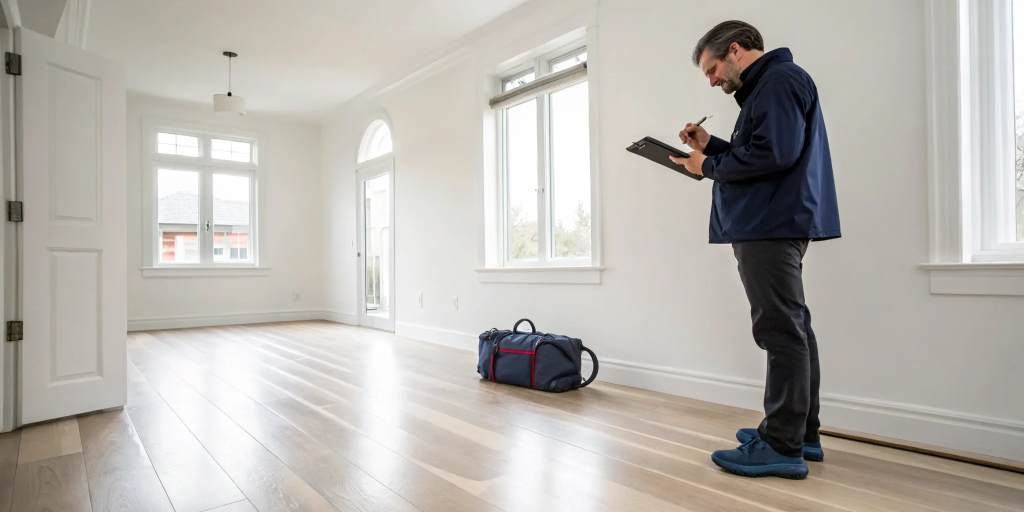
A vacant home inspection isn’t just a quick walkthrough. It’s a detailed review designed to catch problems that can escalate in an unoccupied building. A professional inspector follows a comprehensive checklist, focusing on the areas most vulnerable when a property is empty. This process is key to protecting your investment and making sure the property stays safe, secure, and ready for your next tenants. Here’s a closer look at what a thorough inspection covers.
Exterior and Structural Integrity
An inspector starts with the building’s first line of defense: the exterior. This means a thorough check of the roof for missing shingles or signs of wear, an examination of the foundation for cracks, and a review of siding and brickwork for damage. Even small issues, like a crack in the foundation, can signal significant structural problems that worsen over time. Regular property inspections are designed to spot these concerns early. The goal is to confirm the building’s envelope is secure and weatherproof, protecting your asset from the elements and preventing minor issues from becoming costly repairs down the road.
Key Systems: Plumbing, Electrical, and HVAC
Inside a vacant property, the essential systems can fail without anyone noticing. An inspection includes a careful check of the plumbing, electrical, and HVAC systems. For plumbing, this means looking for slow leaks or drips that could lead to water damage, and in winter, ensuring pipes are protected from freezing. The electrical panel is checked for faulty wiring or fire hazards. The HVAC system is tested to make sure it’s functioning correctly, which is vital for controlling humidity. Proper property management involves keeping these systems in working order to prevent surprises when it’s time to find a new tenant.
Searching for Moisture, Mold, and Pests
Where there’s moisture, mold and pests are often not far behind. A key part of a vacant home inspection is actively searching for signs of water intrusion. Inspectors check basements, attics, bathrooms, and around windows for dampness, water stains, or musty odors. A small roof leak or a crack in the foundation can let in enough moisture to encourage mold growth, which can damage materials and pose health risks. This damp environment is also an open invitation for pests. Catching these problems early is essential to keeping your property clean, healthy, and ready for new tenants.
Assessing Security and Vandalism Risks
An empty property can be an attractive target for break-ins, vandalism, or squatters. A thorough inspection includes a full security assessment. An inspector will check all doors and windows to ensure they are properly secured, look for signs of forced entry, and report any evidence of vandalism. This provides peace of mind that your property is safe. A professional has the training to spot vulnerabilities you might miss and can offer an unbiased report on the property’s security status. These routine security checks are a simple but effective way to deter unwanted activity and protect your investment from harm.
Common Problems Found in Vacant Properties
An unoccupied property might seem peaceful, but it can quickly become a magnet for problems. Without daily oversight, small issues can spiral into costly repairs. Regular property inspections are your first line of defense, catching these common culprits before they cause serious damage to your investment. From the foundation to the roof, here are the key areas that need a watchful eye.
Foundation Cracks and Structural Damage
Even minor shifts in the ground can affect your property’s foundation. What starts as a hairline crack can widen over time, compromising the building’s integrity. In fact, foundation problems are among the top structural issues found during inspections. Left unchecked, these issues can lead to uneven floors, sticking doors, and significant safety risks. A professional inspector knows how to spot the early warning signs of foundation distress, helping you address them before they turn into a major financial headache.
Water Leaks and Mold Growth
A slow drip from a pipe or a small leak in the roof can go unnoticed for months in a vacant property. By the time it’s discovered, you could be facing extensive water damage and a serious mold problem. Mold not only damages building materials but also poses health risks. A thorough inspection examines everything from the roof to the plumbing systems to find potential water leaks before they saturate drywall, warp floors, and allow mold to thrive. Consistent monitoring is the only way to protect your property from the silent but destructive power of water.
Failing Electrical and Plumbing Systems
Out of sight shouldn’t mean out of mind, especially when it comes to your property’s core systems. Electrical and plumbing issues are common finds during home inspections and can present serious safety hazards. A frayed wire could create a fire risk, while a burst pipe in winter can cause catastrophic flooding. Since no one is there to spot flickering lights or hear a running toilet, these systems can fail without warning. Regular checks as part of a property management plan ensure that your building’s components remain in safe, working order, preventing emergencies that are expensive and difficult to manage from afar.
Unwanted Guests: Pest Infestations
A quiet, unoccupied building is an open invitation for pests like rodents, insects, and other wildlife seeking shelter. These unwelcome tenants can cause a surprising amount of damage, from chewing through wires and insulation to compromising structural wood. Pest infestations are a frequent concern in vacant properties because a small problem can quickly multiply without intervention. Regular inspections help identify entry points and signs of activity, allowing you to handle any pest issues before they lead to costly exterminations and repairs.
What to Look For in a Montreal Inspection Service
Choosing an inspection service for your vacant property is a big decision. You’re not just hiring someone to walk through a building; you’re trusting them to be your eyes and ears, protecting one of your most significant assets. A great inspector gives you the clarity and confidence to manage your property from afar. To find the right fit, you need to look beyond a simple Google search and evaluate a few key areas. Focus on their qualifications, the quality of their reports, their scheduling flexibility, and how they answer your questions. Doing this homework upfront will save you from headaches down the road and ensure your property is in capable hands. It’s about finding a partner who understands the unique risks of an unmonitored property and has the expertise to mitigate them effectively. This person or company will be your first line of defense against everything from slow water leaks to security breaches, making your choice a critical part of your Montreal property management services strategy. A thorough inspector doesn’t just identify existing problems; they help you anticipate future ones, allowing you to budget for repairs and maintenance proactively. This foresight is invaluable for any property owner, especially when you can’t be there yourself.
Credentials and Local Expertise
First things first, you need to verify an inspector’s qualifications. In Quebec, this isn’t just a suggestion, it’s a requirement. The Régie du bâtiment du Québec (RBQ) mandates that inspectors complete specific training to obtain a residential building inspector certificate. Beyond this, look for certifications from respected organizations like InterNACHI, which requires its members to pass regular exams to stay current. This proves they are committed to their profession. Just as important is their local expertise. A great inspector understands Montreal’s unique climate, common building materials, and neighborhood-specific issues, giving them an edge in spotting potential problems before they become costly disasters.
Clear, Comprehensive Reporting
The inspection report is the most critical piece of the puzzle. A verbal summary isn’t enough; you need a detailed, written document that clearly outlines the property’s condition. A quality report should arrive promptly, usually within 48 hours, and be easy to understand. Look for a service that provides reports filled with high-resolution photos and straightforward explanations, not confusing technical jargon. This document is your roadmap for maintenance and repairs. At PGK Montreal, we rely on thorough property inspections to create proactive maintenance plans that protect your investment and keep your property in top shape, whether it’s vacant or occupied.
Availability for Regular Check-Ins
A vacant property needs consistent monitoring, not just a one-time look. Your inspection service should be available for regular check-ins, whether weekly, bi-weekly, or monthly. This is especially important if you don’t live nearby. Look for a company that offers flexible scheduling to fit your needs. The best services can conduct inspections at various times to ensure someone is always keeping an eye on things. This ongoing relationship is the foundation of effective property management, giving you peace of mind that your investment is secure. Consistent oversight helps catch small issues like a minor leak or a broken window before they escalate into major damage.
Smart Questions to Ask Before You Hire
Before you commit, take the time to interview potential inspectors. Think of them as an impartial partner whose job is to educate you on the property’s condition. Don’t be shy about asking direct questions to gauge their expertise and professionalism. Start with the basics: “Are you certified and insured?” and “Can I see a sample report?” Then, dig a little deeper with questions like, “What is your experience with vacant properties in this specific Montreal neighborhood?” and “How do you handle the discovery of urgent issues?” Their answers will reveal a lot about their process and whether they are the right fit to help you protect your asset.
Finding a Reputable Inspector in Montreal
Choosing the right inspector is a critical step in protecting your investment. A thorough inspection gives you a clear picture of your property’s health, but finding a reliable professional can be challenging. It comes down to knowing what to look for, what questions to ask, and which warning signs to take seriously. A great inspector provides more than just a report; they offer peace of mind and a clear path forward for maintaining your property.
Why Property Owners Trust PGK Montreal
Finding a qualified, unbiased inspector on your own can feel like a job in itself. That’s why many Montreal property owners turn to us. At PGK Montreal, we’ve spent years building a network of trusted professionals who meet our high standards. When you partner with us, you don’t have to vet inspectors because we’ve already done the work. We manage the entire process, scheduling regular property inspections to ensure your investment is protected. We know what to look for and coordinate with experts who provide an honest, clear view of your building’s condition, giving you one less thing to worry about.
Final Questions to Confirm Your Choice
Whether you’re hiring an inspector yourself or want to understand our process, there are a few final checks that confirm you’ve found a true professional. Always ask about their certifications. Many reputable inspectors in Montreal are InterNACHI Certified Professional Inspectors (CPIs), which means they’ve passed rigorous exams and adhere to a strict code of ethics. You should also ask to see a sample report to ensure it’s detailed and easy to understand. A good inspector will be happy to walk you through their findings and answer any questions you have. This transparency is key to a trustworthy relationship.
Red Flags to Watch Out For
A good inspection helps you spot potential “red flags” before they become expensive nightmares. These are signs of underlying problems that could lead to major repairs down the road. Some of the most common and serious issues include structural problems like foundation cracks, which are found in a surprising number of homes. Other red flags are signs of water damage, outdated or faulty electrical wiring, and plumbing leaks. An inspector who rushes, downplays serious issues, or provides a vague report should also be a cause for concern. Your inspector should be your advocate, giving you the unvarnished truth about your property.
How Much Does a Vacant Home Inspection Cost in Montreal?
Let’s get straight to the question on every property owner’s mind: what’s the price tag for this peace of mind? In Montreal, the cost for a vacant home inspection typically falls between $300 and $1,500. It’s a wide range because no two properties are exactly alike. For a standard, single-family home, you can generally expect the price to be somewhere in the ballpark of $450 to $650 before tax.
Of course, this is just a starting point. The final quote you receive will depend on the unique characteristics of your property. Think of it less like buying a product off the shelf and more like commissioning a custom service tailored to your home’s specific needs. The goal isn’t just to check boxes; it’s to get a clear and accurate picture of your property’s condition. Understanding the factors that shape the final cost will help you budget effectively and choose the right service for your investment. A professional inspection is a key part of a solid property management strategy, ensuring your asset is protected even when it’s unoccupied.
What Influences the Cost?
Several key factors determine the final price of your inspection. First is the property’s size. A larger home or a multiplex with multiple units simply takes more time and effort to inspect thoroughly than a small condo, and the price will reflect that. The age and condition of your property also play a significant role. An older home might have outdated plumbing or electrical systems that require a more detailed assessment, which can add to the inspection time and cost. Finally, the scope of the inspection matters. A basic inspection covers the essentials, but you might opt for additional services like testing for mold or checking for pests, which would be added to the total.
Budgeting for Ongoing Peace of Mind
It’s helpful to think of an inspection not as a one-time expense, but as a small investment in your property’s long-term health. A typical inspection might take a few hours, but the information it provides is invaluable. Catching a small leak or a minor electrical issue early can save you from thousands of dollars in major repairs down the road. That’s why regular inspections are so important for a vacant property. By budgeting for these check-ins, you’re not just paying for a service; you’re actively protecting your investment and ensuring that small problems don’t become costly disasters while you’re away. This proactive approach is the cornerstone of smart property ownership.
Frequently Asked Questions
How often should my vacant property be inspected? The ideal frequency depends heavily on your insurance policy. Many insurers require weekly or bi-weekly checks on an unoccupied property to maintain full coverage, so you should always start by confirming their specific requirements. Beyond that, consider factors like the season, as Montreal winters might call for more frequent visits to check on pipes. A professional property manager can help you create a schedule that satisfies your insurer and properly protects your asset.
Can I just have a neighbor or friend check on the property instead? While it’s tempting to ask a friend for help, a professional inspection is a completely different service. A certified inspector is trained to spot the early signs of structural issues, moisture problems, or system failures that an untrained eye would easily miss. They also provide detailed, time-stamped reports that serve as crucial documentation for insurance claims. Relying on a professional ensures your property is assessed with expertise and that you have the proof needed to protect your investment.
What happens if the inspection uncovers a serious problem? If an inspector finds an urgent issue, like a leak or a security breach, their first step is to notify you immediately. A good report will include clear photos and a straightforward explanation of the problem so you understand the situation fully. If you work with a property management company, this is where their service truly shines. They can coordinate with trusted contractors to handle the repairs for you, managing the entire process to resolve the issue efficiently and keep your property secure.
Is this inspection different from the one I got when I bought the property? Yes, they serve two distinct purposes. A pre-purchase inspection is a comprehensive snapshot meant to inform a buying decision, covering the entire property from top to bottom. A vacant home inspection is an ongoing wellness check focused on the specific risks of an unoccupied building, such as security vulnerabilities, pest infestations, or problems caused by a lack of use. Think of it as proactive monitoring to maintain the property’s condition over time, rather than a one-time evaluation.
My property will only be vacant for a month or two. Do I still need an inspection? Even short-term vacancies carry risks. A lot can happen in just a few weeks, from a slow leak turning into significant water damage to a security issue inviting vandalism. It’s also important to remember that many insurance policies have clauses that kick in after a property has been unoccupied for just a few days, not months. Investing in at least a few professional check-ins during that time provides peace of mind and ensures you remain compliant with your insurance.