
An empty property is never truly dormant. While it may look quiet from the outside, silent threats can be taking hold within its walls. A slow leak can be causing structural rot, pests can be making a new home in the attic, and a small crack in the foundation can be widening with every freeze and thaw cycle. These issues often go unnoticed until they’ve become major, expensive disasters. The key is to stop them before they start. This guide will show you how to secure a vacant property by addressing these hidden risks head-on. We’ll cover the essential maintenance, security, and inspection tasks that protect your building from the inside out.
Key Takeaways
- Create Layers of Security: Protecting a property between tenants means more than just a new lock. Secure all entry points, including windows, and use simple tech like timed lights and security cameras to make the property appear lived-in and deter unwanted attention.
- Perform Consistent Maintenance: Regular upkeep is essential for preventing small problems from turning into costly disasters. Schedule frequent inspections to check for leaks or damage, keep the exterior tidy to show the property is cared for, and address any repairs immediately.
- Verify Your Insurance Coverage: Your standard property insurance likely will not cover a building that has been vacant for over 30 days. You must contact your insurance provider to secure a specific vacant property policy to protect your investment from risks like fire, water damage, and liability.
What Happens When a Property Sits Empty?
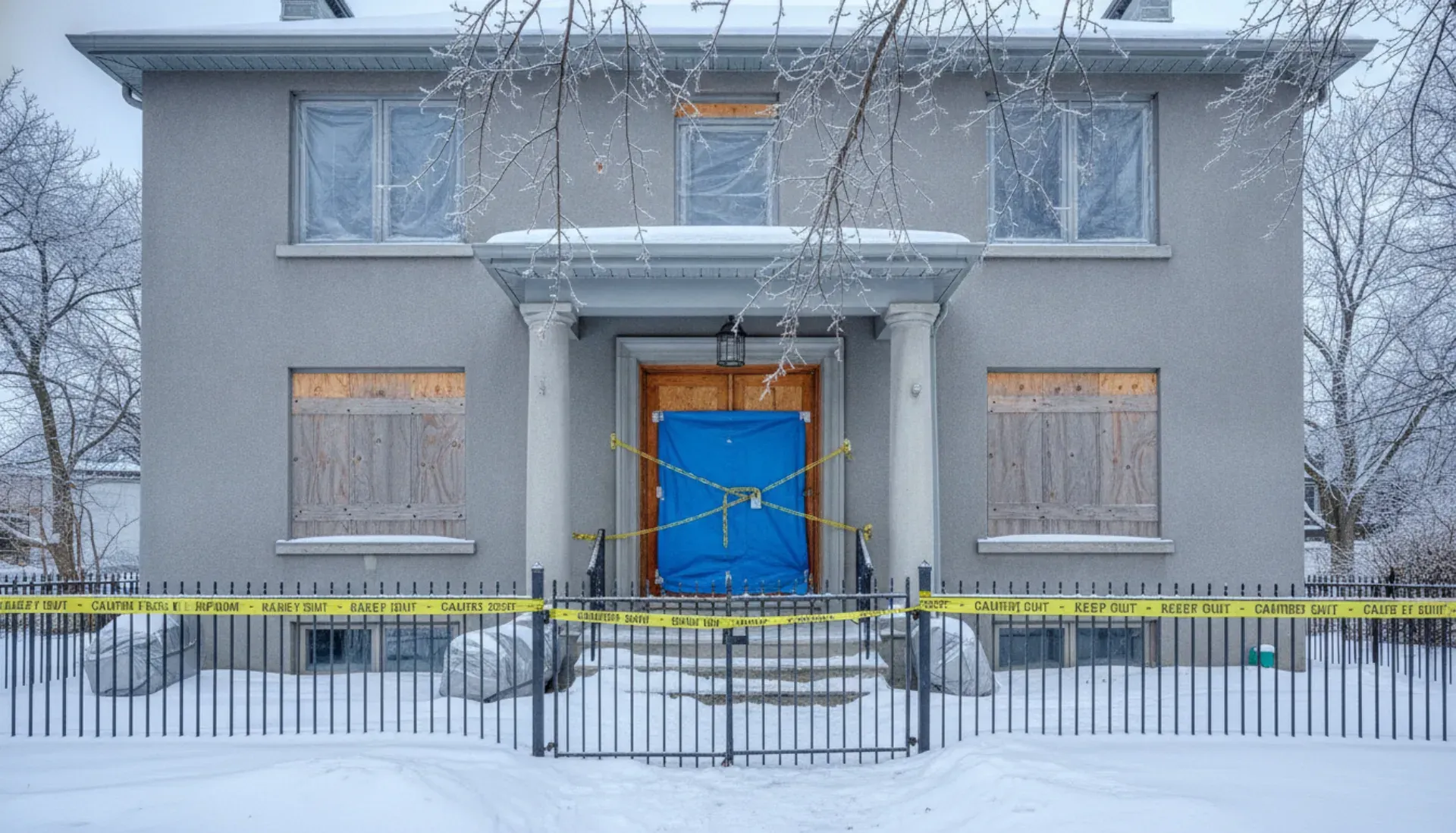
An empty property might seem like a quiet asset, but leaving it unattended is one of the biggest risks a landlord can take. Beyond the lost rental income, a vacant building is a magnet for problems that can quickly spiral into expensive disasters. When no one is around to keep an eye on things, your investment is exposed to everything from criminal activity to catastrophic maintenance failures.
Think of it this way: an occupied property has tenants who act as daily monitors. They notice the dripping faucet, report the strange noise, and their simple presence deters would-be troublemakers. When a property is empty, that first line of defense is gone. Small issues fester and grow, while the lack of activity can send a clear signal to people with bad intentions. Understanding these risks is the first step toward protecting your investment, whether it’s a residential home, a commercial storefront, or an industrial warehouse. With the right strategy, you can secure your property and ensure it remains a valuable asset, not a liability.
Vandalism, theft, and squatters
An empty building is an open invitation to criminals. Properties without regular activity are often targeted by vandals, thieves, and squatters simply because there’s no one there to stop them. This can range from graffiti and broken windows to more serious issues like thieves stripping copper pipes and wiring from the walls. In some cases, you might find that squatters have moved in, leading to a complicated and costly legal process to remove them. These incidents aren’t just a nuisance; they can cause significant damage, delay your ability to rent the property, and decrease its value. Taking steps to protect vacant properties is essential to prevent them from becoming a neighborhood problem.
Costly water damage and pipe bursts
In a city like Montreal, with its freezing winters, one of the most significant threats to a vacant property is water. A pipe can burst during a cold snap, and without anyone present to notice, it can flood the property for days or even weeks. What might have been a simple plumbing fix can quickly become a catastrophic failure, causing tens of thousands of dollars in damage to floors, walls, and foundations. This kind of disaster often leads to secondary problems like mold growth, which requires extensive remediation. Even a slow, minor leak from a roof or appliance can cause serious structural rot over time when left unchecked.
Pest infestations and structural issues
When a property is empty, it can quickly become a home for unwanted guests of the non-human variety. Rodents, insects, and other pests are drawn to quiet, sheltered spaces. Once inside, they can chew through wires, destroy insulation, and create unsanitary conditions that are difficult and expensive to resolve. Beyond pests, small maintenance issues can worsen without anyone to report them. A small crack in the foundation can widen, a loose shingle can lead to a leaky roof, and minor drafts can signal developing structural problems. Regular property inspections are critical for catching these issues before they become major repairs, ensuring the building remains safe, secure, and ready for future tenants.
Insurance gaps and liability risks
Many property owners don’t realize that their standard insurance policy may not cover their property when it’s vacant. Most policies include a “vacancy clause” that can void coverage if the property is empty for a specific period, often 30 to 60 days. This means if a fire, flood, or break-in occurs, you could be left paying for all the damages out of pocket. Insurance carriers view vacant homes as a higher risk because there’s no one on-site to prevent or mitigate damage. You also remain liable for anything that happens on your property. If a trespasser is injured, you could still face a lawsuit. It’s crucial to understand your policy and secure specialized vacant property insurance to avoid these devastating financial gaps.
How to Secure Your Vacant Property: A Checklist
An empty property can feel like a magnet for trouble, but a few proactive steps can make all the difference. Protecting your investment is about creating layers of security that deter potential issues before they start. This checklist walks you through the essential actions you should take to secure your property, giving you peace of mind while it’s unoccupied. Think of it as your go-to to-do list for safeguarding your asset, whether it’s between tenants, undergoing renovations, or waiting for a sale. By following these steps, you can significantly reduce the risks that come with a vacant building, from vandalism and squatters to weather-related damage like burst pipes. It’s about being prepared and taking control of the situation.
Change the locks and secure entry points
The moment a property becomes vacant, your first move should be to change the locks. You never know who might have a spare key from previous tenants or contractors. Always re-key or install new, high-quality deadbolts on all exterior doors. Don’t forget about sliding doors, garage doors, and any other potential entry points. For added security, you can reinforce the door frames and use longer screws for the strike plates to make them more resistant to being forced open. This simple, immediate action is the most fundamental step in securing your property against unauthorized entry and is a standard practice for any responsible owner.
Secure all windows and access points
After securing the doors, turn your attention to the windows and any other access points. Intruders often look for the path of least resistance, which can easily be a ground-floor window or a basement hatch. Walk through the property and check that all window locks are functional and securely fastened. For properties that will be vacant long-term, you might consider adding security film to the glass to make it harder to break, or even boarding up windows in areas with higher risk. Make sure any gates, sheds, or garages on the property are also locked and secured, leaving no easy way for someone to gain access.
Manage your utilities
Utilities can pose a significant risk in a vacant property, especially in a climate like Montreal’s. To prevent a costly disaster like a burst pipe, it’s wise to shut off the water at the main stopcock and drain the system if the property will be empty for an extended period. For shorter vacancies during the winter, you should keep the heat on a low setting, around 12 to 15 degrees Celsius, to prevent pipes from freezing. It’s a small expense that can save you from thousands of dollars in water damage. Also, consider shutting off non-essential electrical circuits at the breaker box to reduce fire risk.
Clear out valuables and hazards
An empty property should look empty. Remove anything that could be perceived as valuable and might tempt a break-in, including appliances, copper piping, and light fixtures if you’re concerned about theft. It’s also crucial to clear the exterior and interior of any potential hazards. Get rid of flammable materials like piles of paper, cardboard, old paint cans, or chemicals. A clean, clutter-free property is not only less attractive to thieves but also reduces the risk of fire or other accidents, which is a key part of professional property management.
Make it look lived-in
A property that appears occupied is a powerful deterrent. Simple tricks can create the illusion that someone is home, making it a less appealing target for vandals or squatters. Use automatic timers to turn lights on and off in different rooms during the evening. Arrange for mail and flyers to be collected regularly so they don’t pile up at the door, which is a clear sign of an empty home. If possible, ask a neighbor to park a car in the driveway occasionally. These small efforts disrupt the appearance of vacancy and can make a big difference in protecting your property.
Alert your neighbors and local authorities
Your community can be your best security asset. Inform trusted neighbors that the property will be vacant and give them your contact information. Ask them to keep an eye out and report any suspicious activity to you and the local authorities immediately. You can also notify the local police department that the property is unoccupied; some offer vacation watch services or can arrange for extra patrols in the area. While neighbors are a great first line of defense, they can’t replace the thoroughness of regular property inspections to ensure that everything remains secure and to address any issues before they escalate.
What Technology Can Protect Your Empty Property?
When you can’t be there in person, technology is your best friend for keeping an eye on a vacant property. Modern security tools offer peace of mind by providing a virtual presence, deterring potential issues before they start, and alerting you the moment something is wrong. Integrating a few key pieces of tech can make a world of difference in protecting your investment from afar.
Security cameras and remote monitoring
Visible security cameras are a powerful deterrent. The mere sight of one can convince a potential intruder to move on. For you, the owner, they provide invaluable peace of mind. Modern systems allow you to check a live feed of your property from anywhere in the world using your smartphone. You can see if a package was delivered, check for storm damage, or verify that the landscaping service showed up. Even placing signs that advertise a security system can be an effective, low-cost way to protect vacant homes. Choose a system that offers motion-activated recording and sends alerts directly to your phone so you’re immediately aware of any unexpected activity.
Monitored alarm systems
While cameras let you see what’s happening, a monitored alarm system takes action. These systems connect to a professional monitoring center that can dispatch emergency services like the police or fire department if an alarm is triggered. This is crucial for a vacant property where no one is around to hear a siren. Look for a flexible system that doesn’t rely on Wi-Fi, which can be disconnected, and instead uses a cellular connection. Many providers offer monthly monitoring services, which are a small price to pay for 24/7 protection against break-ins, fires, and floods.
Smart lighting and motion sensors
A dark property is an open invitation for trouble. Smart lighting is a simple yet effective tool for making a property look occupied and deterring trespassers. Install outdoor lights with motion sensors over entryways, driveways, and backyards. A sudden flood of light can startle anyone lurking in the shadows. Inside, use smart plugs or bulbs on timers to have lights turn on and off in different rooms, especially those facing the street. This creates a convincing illusion that someone is home, following a normal evening routine.
Tools to simulate occupancy
Beyond lighting, you can use other smart devices to make it seem like business as usual at your property. Smart plugs can be connected to a radio or a television and set on a timer to create noise at strategic times. Some advanced smart lighting systems can even learn and replicate your typical daily patterns, making the simulation even more realistic. While these tools are fantastic for deterrence, they don’t replace the need for physical checks. Technology can’t spot a small leak or a pest problem, which is why regular property inspections are still a critical part of managing a vacant building.
How to Maintain a Vacant Property
Securing your property is the first critical step, but the work doesn’t stop there. Ongoing maintenance is essential to protect your investment from the elements, pests, and gradual decay. A vacant property left unchecked can quickly develop problems that are expensive and time-consuming to fix. By creating a simple maintenance plan, you can keep your property in top condition, making it easier to rent or sell when the time comes.
Schedule regular inspections
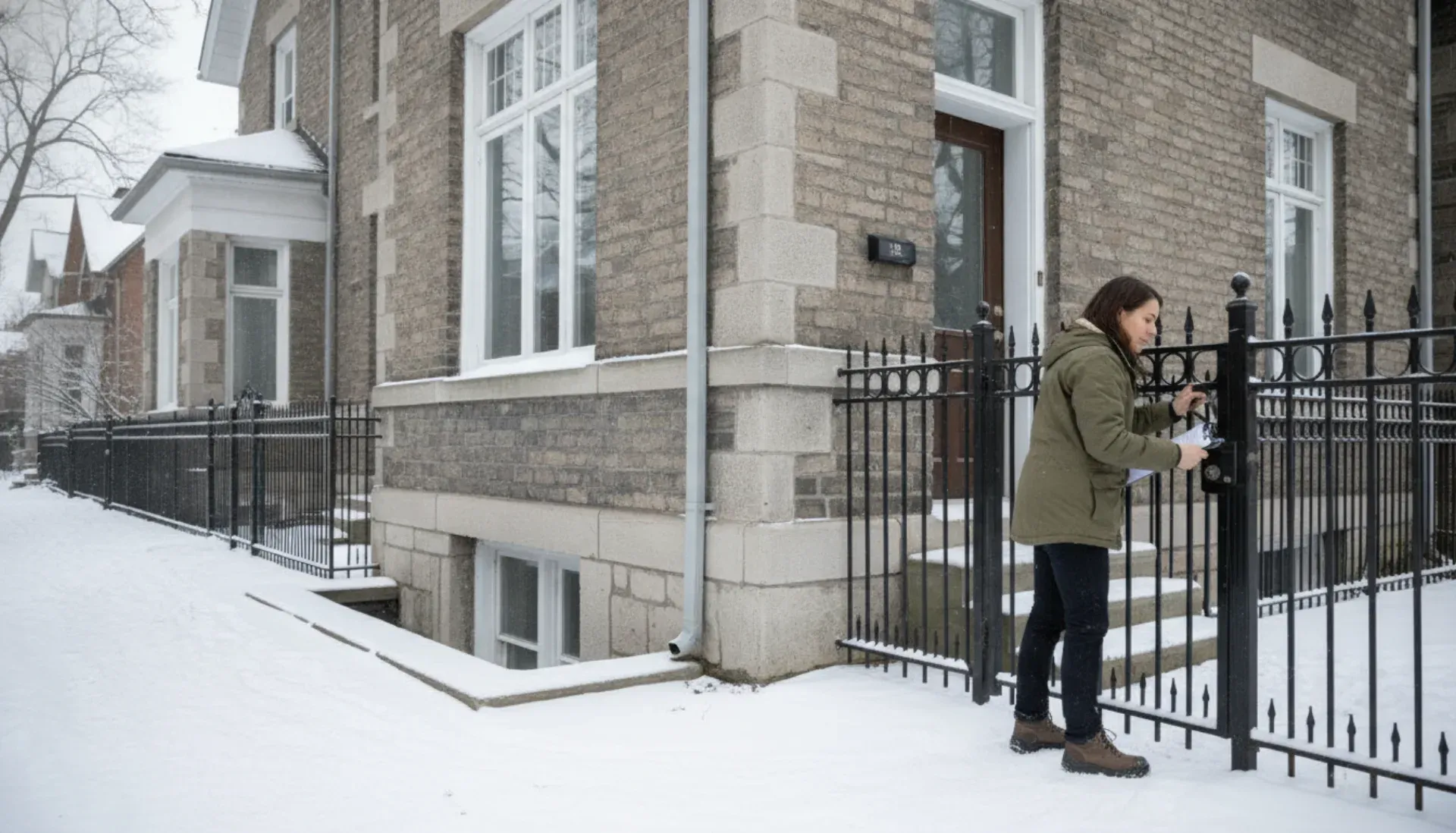
Having someone check on the property frequently is one of the most effective ways to prevent trouble. Regular visits deter trespassers and allow you to catch small issues before they become major disasters. During a walkthrough, you or your representative should look for signs of forced entry, water leaks from pipes or ceilings, pest infestations, or new structural cracks. It’s also a good time to test smoke detectors and security alarms. Documenting each visit with photos and notes creates a valuable record for insurance purposes. These regular property inspections are your first line of defense, providing peace of mind that your asset is being monitored and protected even when you’re not there.
Maintain landscaping and curb appeal
An overgrown lawn, weed-filled garden beds, and a pile of flyers at the door are clear signs that a property is vacant. This can attract unwanted attention from vandals, squatters, or thieves. Maintaining your property’s exterior makes it look occupied and cared for, which is a powerful deterrent. Simple tasks like mowing the lawn, trimming shrubs, and raking leaves make a huge difference. Be sure to arrange for mail and newspaper delivery to be stopped or forwarded. If possible, ask a neighbor to remove any stray flyers or packages that get left behind. A tidy exterior not only protects your property but also preserves its value and keeps you on good terms with the neighborhood.
Winterize the property
In a city like Montreal, winterizing a vacant property isn’t just a good idea; it’s a necessity. The risk of frozen pipes bursting can lead to catastrophic water damage, costing thousands in repairs. To prevent this, you should shut off the main water supply and drain all the pipes, toilets, and hot water tanks. If you can’t turn off the water, keep the heat set to a low but consistent temperature (around 12-15°C) to prevent freezing. It’s also wise to have the furnace serviced before winter hits to ensure it runs reliably. Taking these steps protects the plumbing and structure of your property from the harsh winter weather, saving you from potentially devastating and costly damage.
Handle repairs immediately
A small drip from a leaky pipe or a single cracked window might not seem like a big deal, but in a vacant property, these minor issues can escalate quickly. Water damage can lead to mold growth and structural rot, while a broken window can be an open invitation for pests or criminals. That’s why it’s crucial to address any needed repairs as soon as they are discovered during your regular inspections. Having a list of trusted contractors (plumbers, roofers, electricians) on hand can save you valuable time in an emergency. By fixing problems immediately, you prevent them from spiraling into larger, more expensive headaches and keep the property secure and in good condition.
How a property manager can help
For many owners, especially those who live far away or have busy schedules, managing a vacant property is a significant burden. This is where a professional can make all the difference. A dedicated property manager handles all the essential tasks, from conducting regular inspections and coordinating maintenance to managing security and responding to emergencies 24/7. Hiring a property management company ensures your investment is protected by experts who know exactly what to look for. They take the stress off your shoulders by keeping your property secure, well-maintained, and ready for its next chapter, whether that’s welcoming a new tenant or going on the market.
Does Your Vacant Property Have the Right Insurance?

Let’s talk about something that’s easy to overlook but can have huge financial consequences: insurance. You might assume your standard property insurance has you covered, but when a property sits empty for an extended period, that’s often not the case. Insurers see vacant properties as a higher risk for things like vandalism, undetected water damage, and fire. Because of this, most standard policies have specific rules about how long a property can be empty before coverage changes or is canceled altogether. Getting this wrong can leave you responsible for the full cost of repairs and liability.
Protecting your investment means making sure you have the right policy in place before a problem occurs. It’s not just about covering the building itself; it’s about protecting yourself from the financial fallout of an unexpected event. Imagine a pipe bursting in the middle of a Montreal winter or vandals causing significant damage. Without the correct insurance, the repair bills fall squarely on your shoulders. This is why understanding the fine print of your policy and the specific products available for vacant properties is so important. It’s a critical piece of the puzzle, so let’s get clear on what you need to know to stay protected.
Vacant vs. unoccupied: Know the difference
First things first, let’s clear up some insurance jargon. The terms “vacant” and “unoccupied” might seem interchangeable, but your insurer sees them very differently. A property is generally considered vacant when it’s empty of people and the personal property needed for daily life, like furniture, appliances, and clothes. Think of a rental property between tenants. An “unoccupied” property, on the other hand, is furnished and has all the necessities for living, but the residents are temporarily away, like on an extended vacation. Knowing which term applies to your situation is the first step in getting the right coverage.
Why your standard policy isn’t enough
Here’s the catch with most standard insurance policies: they contain what’s known as a vacancy clause. This clause essentially states that if your property is vacant for a specific period, typically 30 to 60 consecutive days, your coverage may be significantly limited or even voided entirely. This means that if a fire, theft, or other disaster happens after that period, your claim could be denied, leaving you with a massive financial burden. Your standard policy is designed for an occupied home where someone is around to notice problems quickly, not for a property sitting empty for months.
What vacant property insurance covers
Since your standard policy won’t cut it, you’ll need a specialized product. Vacant property insurance is designed specifically for these higher-risk situations. Because the potential for issues like fire, weather damage, and vandalism is greater, this type of insurance typically costs more. However, that cost buys you peace of mind. Policies can be customized but often cover specific perils like fire, explosion, and windstorms. You can also add coverage for vandalism and liability. It’s a necessary expense to protect your asset when it’s most vulnerable.
Watch for key exclusions and clauses
Even with a specialized policy, you need to read the fine print. It’s important to know that an empty property can void an insurance policy if you don’t follow the rules. Some vacant home policies might exclude coverage for things like water damage from frozen pipes unless you can prove you took steps to winterize the property. Other common exclusions can include theft of building materials or glass breakage. Always review the policy documents carefully and ask your insurance provider to walk you through exactly what is and isn’t covered. Don’t make any assumptions.
Understand your liability
The risks of improper insurance go beyond property damage. Imagine a pipe bursts during a hard freeze and floods your property. As one homeowner learned, their standard policy excluded coverage because the house had been vacant for over 60 days, leaving them with a devastating and expensive mess. You are liable for what happens on your property, even when you’re not there. If a fire starts and damages a neighboring building or someone gets injured on your property, you could be facing a lawsuit without the protection of liability coverage. The right insurance isn’t just about fixing your building; it’s about protecting your financial future.
How to choose the right policy
The best way to secure the right coverage is to have a frank conversation with your insurance broker. Be completely transparent about the property’s status, how long you expect it to be vacant, and what steps you’re taking to secure it. Your broker can help you find a policy that matches your specific exposures. Having a professional property manager conduct regular property inspections can also be a major advantage. It not only helps prevent issues but also demonstrates to insurers that you are proactively managing risk, which can sometimes help with securing coverage. It’s all about showing you’re a responsible owner.
Frequently Asked questions
My property is only going to be vacant for a month or two between tenants. Do I really need to worry about all this? Yes, absolutely. Problems like a break-in, a burst pipe, or a squatter moving in can happen in a matter of days, not months. Many standard insurance policies can even limit or void your coverage after just 30 days of vacancy. At a minimum, you should change the locks, make sure the property looks cared for from the outside, and have a clear plan for who will check on it regularly. A short vacancy can quickly turn into a long and expensive problem if left completely unattended.
What are the very first things I should do the day my property becomes empty? Your immediate priorities should be securing the building and making sure your insurance is in order. The moment the property is yours to manage, change the locks on all exterior doors. You have no way of knowing who might still have a key. Next, do a full walk-through to confirm every window and other potential entry point is securely fastened. Finally, call your insurance broker right away to inform them of the vacancy and discuss your coverage options.
Is it better to shut off the water completely or just leave the heat on low during the winter? Shutting off the water at the main valve and draining the pipes is the most foolproof way to prevent a catastrophic flood from a burst pipe. It completely removes the risk. However, if you can’t do that, leaving the heat on a low but consistent temperature, around 12 to 15 degrees Celsius, is your next best defense. It’s a small utility cost that acts as insurance against tens of thousands of dollars in potential water damage.
My standard insurance policy is comprehensive. Why wouldn’t it cover my property when it’s vacant? Insurers view an empty property as a much higher risk than an occupied one. When no one is living there, a small issue like a water leak can go unnoticed for weeks, causing massive damage. The property is also a bigger target for theft and vandalism. Because of this increased risk, most standard homeowner policies include a “vacancy clause” that reduces or cancels coverage after a set period, often 30 or 60 days. You need a specific vacant property policy to be properly protected.
I don’t live nearby. What’s the most effective way to manage a vacant property from a distance? Managing a property from afar is a real challenge. While security cameras and smart home devices are great for monitoring, they can’t fix a leak or deal with a sudden issue. The most effective solution is to have a trusted person or professional service on the ground. Hiring a Montreal property management company ensures someone is conducting regular inspections, coordinating any necessary maintenance, and can respond immediately to emergencies. It provides true peace of mind that your investment is being actively protected, not just passively watched.