Many landlords find themselves in a constant state of reaction, putting out fires as they appear. A late-night call about a leak, a dispute between neighbors, or a sudden vacancy can derail your entire week. A professional approach, however, is proactive, not reactive. This is the core of effective tenant management. But what is tenant management if not a system designed to prevent problems before they start? It’s about implementing a rock-solid screening process, crafting iron-clad leases, and establishing clear communication channels. This framework creates stability, reduces your stress, and transforms your property from a liability into a smoothly running asset.
Key Takeaways
- Prioritize Proactive Screening and Clear Leases: The best way to ensure a smooth tenancy is to get it right from the start. A detailed screening process helps you choose reliable tenants, while a comprehensive lease agreement prevents future misunderstandings by setting clear rules for everyone.
- Build Loyalty with Communication and Responsiveness: Happy tenants are long-term tenants, which is great for your bottom line. Responding quickly to maintenance requests and maintaining open, professional communication shows you value their tenancy, reducing costly turnover and keeping your income steady.
- Safeguard Your Asset with Legal and Procedural Diligence: Treat your property like the valuable investment it is. Stay compliant with Quebec’s landlord-tenant laws, conduct regular inspections to catch issues early, and use professional systems to manage the details, protecting you from liability and stress.
What Is Tenant Management?

Tenant management is all about handling the relationship with the people who rent your property. Think of it as the human side of being a landlord. It covers the entire tenant lifecycle, from screening applicants and signing leases to collecting rent, handling maintenance requests, and managing the move-out process. The goal is to create a professional, positive, and clear relationship that works for both you and your tenants, making sure everyone is on the same page from day one. It’s less about the bricks and mortar and more about the people who call your property home.
When done right, good tenant management is the key to a successful investment. It helps you attract and keep high-quality tenants who pay on time and take care of your property. This stability is what reduces turnover, minimizes vacant periods, and ensures a steady, predictable income stream. While it’s just one piece of the puzzle, it’s arguably the most important for securing your property’s long-term profitability and giving you peace of mind. It’s a core function of comprehensive property management services, and it’s what separates a stressful, unpredictable rental from a smoothly running asset.
How Is It Different from Property Management?
It’s easy to use these terms interchangeably, but there’s a key difference. Property management is the broad umbrella that covers every aspect of your real estate asset. It includes financial oversight like bookkeeping, physical maintenance of the building, and ensuring the property complies with all regulations. It’s about managing the investment as a whole.
Tenant management is a specialized and crucial part of that larger picture. It zooms in to focus specifically on the people inside the property. While a property manager handles the budget for a new roof, a tenant manager is the one who communicates with residents about the work schedule. One is about the asset; the other is about the people who make that asset profitable.
Why Great Tenant Management Is a Game-Changer
Investing in a great tenant management strategy isn’t just about being a good landlord; it’s a smart business decision that directly impacts your bottom line. When tenants feel respected and heard, they are more likely to stay longer. This high retention rate is the secret to maximizing your return on investment. Every time a tenant moves out, you face costs for advertising, cleaning, and potential repairs, not to mention the lost income from vacancies.
Happy, long-term tenants are also more likely to treat your property as their own home. They tend to report maintenance issues promptly, preventing small problems from turning into major headaches. This proactive care helps preserve the value of your asset and avoids expensive emergency repairs down the road. Ultimately, great tenant management creates a stable, stress-free investment.
What Does Smart Tenant Management Actually Involve?
Effective tenant management is so much more than just collecting rent checks and waiting for a lease to end. It’s a proactive, ongoing strategy that protects your investment, keeps your property in great shape, and builds a positive relationship with the people living in your building. When you get it right, you attract and keep great tenants who pay on time and treat your property with respect. This means fewer vacancies, less stress, and a more profitable investment for you.
Think of it as a complete cycle that starts long before a tenant moves in and continues well after they’ve settled. Smart management involves a few key pillars: finding and choosing the right people, creating crystal-clear agreements, maintaining open lines of communication, handling repairs with urgency, and always staying on the right side of the law. Getting these pieces right is the secret to turning a good investment into a great one. It’s about creating a stable, professional, and respectful environment that benefits everyone. When tenants feel valued and secure, they’re more likely to stay long-term, which is the ultimate goal for any property owner. This consistent tenancy not only ensures reliable cash flow but also reduces the wear and tear and costs associated with frequent turnover.
Find and Choose the Right Tenants
The first step to successful tenant management is finding the right people to live in your property. This process begins with creating an attractive and informative listing that highlights the best features of your rental. Once the applications start coming in, a thorough screening process is your best defense against future problems. Don’t skip this part. A proper screening should include a careful review of each applicant’s credit report, background, and rental history. Reaching out to past landlords can give you invaluable insight into how they’ll treat your property. Taking the time to find reliable tenants from the start saves you countless headaches down the road and sets the stage for a smooth and profitable rental experience.
Craft Clear Lease Agreements
Your lease agreement is the single most important document in your relationship with a tenant. It’s the rulebook that you both agree to follow, so it needs to be clear, comprehensive, and legally sound. A strong lease goes beyond rent due dates and amounts. It should clearly outline responsibilities for maintenance and repairs, rules about guests or pets, and the consequences for any violations. Make sure your agreement complies with all local and provincial housing laws to protect yourself from legal trouble. A well-crafted lease prevents misunderstandings and gives you a solid framework for addressing any issues that may come up, ensuring everyone is on the same page from day one.
Keep Communication Open and Productive
Great tenant relationships are built on a foundation of clear and consistent communication. When tenants feel heard and respected, they are more likely to be cooperative and take better care of your property. Make it easy for them to get in touch with you to report issues or ask questions. Whether it’s through email, a dedicated phone line, or a tenant portal, having a simple and reliable system is key. Responding to messages in a timely and professional manner shows that you care about their well-being. This open dialogue helps you solve small problems before they become big, expensive ones, fostering a sense of partnership and mutual respect.
Handle Maintenance and Repairs Promptly
Nothing shows a tenant you care more than responding quickly to maintenance requests. A leaky faucet or a broken appliance can be a major inconvenience, and your response time directly impacts your tenant’s comfort and satisfaction. Beyond handling repairs as they come up, proactive upkeep is just as important. Regular property inspections help you catch potential issues early, preventing them from turning into costly emergencies. This approach not only keeps your tenants happy but also protects the long-term value of your investment. A well-maintained property is a sign of a professional landlord, and it’s one of the best ways to encourage great tenants to renew their lease year after year.
Stay Compliant with Local Laws
Being a landlord comes with a lot of legal responsibilities, and the rules can be complex and ever-changing. From tenant privacy rights to proper eviction procedures, you need to know and follow the landlord-tenant laws in Quebec to the letter. Staying compliant isn’t just about avoiding fines or lawsuits; it’s about operating your rental business ethically and professionally. This includes providing proper notice before entering a unit, handling security deposits correctly, and ensuring your property meets all health and safety codes. Understanding your legal obligations is fundamental to protecting yourself and your investment, which is why many owners rely on professional property management to get it right.
How to Create a Rock-Solid Tenant Screening Process

Finding the right tenant is the single most important step in protecting your investment property. A thorough screening process isn’t just about avoiding worst-case scenarios; it’s about setting the stage for a smooth, profitable, and positive landlord-tenant relationship from day one. When you have a clear, consistent system for evaluating applicants, you significantly reduce the risk of late payments, property damage, and stressful disputes. It’s your first and best line of defense for ensuring a steady return on your investment.
Think of your screening process as a framework for making objective, informed decisions. By applying the same criteria to every applicant, you not only find the most qualified person but also ensure you’re following fair housing practices. A well-documented process protects you legally and gives you confidence that you’ve chosen someone who will treat your property with respect. The goal is to find reliable tenants who pay on time and communicate well, which is the foundation of successful property management. The following steps will help you build a screening process that does exactly that, filtering for quality and giving you peace of mind long after the lease is signed. It all starts with gathering the right information.
Run Credit and Background Checks
Once you have an application in hand, the first step is to look into the applicant’s financial and personal history. A credit check gives you a snapshot of their financial responsibility. It shows you their debt levels, payment history, and credit score, which helps you gauge their ability to consistently pay rent on time. A background check complements this by revealing any relevant criminal history or past evictions that might be a red flag. These checks aren’t about being nosy; they are essential tools for verifying that an applicant is reliable and can meet their financial commitments.
Verify Rental History and References
An application only tells you part of the story. To get the full picture, you need to verify the information by speaking with past landlords and employers. Contacting previous landlords is crucial for understanding what an applicant is like as a tenant. Did they pay rent on time? Did they maintain the property? Were there any complaints from neighbors? Similarly, verifying their employment confirms they have a stable source of income to afford the rent. This step helps you move beyond the application and make a decision based on a proven track record of responsibility.
Establish Your Tenant Criteria Upfront
Before you even list your vacancy, you should decide on your ideal tenant qualifications and write them down. This list of criteria should be the same for every single applicant. It might include a minimum credit score, a certain income-to-rent ratio (a common standard is an income of three times the monthly rent), and a clean rental history with no prior evictions. Having these standards established upfront makes your decision-making process fair and consistent. It also helps you justify your choice if an applicant is denied and ensures the person you choose is well-equipped to care for your property, which you can monitor with regular property inspections.
Your Guide to Leases and Legal Compliance
A well-crafted lease and a solid understanding of local laws are the bedrock of successful tenant management. Think of your lease as the official rulebook for your property; it protects you, your tenant, and your investment by making sure everyone is on the same page. Getting this part right from the beginning prevents so many headaches down the road. It’s not just about collecting rent, it’s about creating a clear, legal, and professional relationship. Staying compliant isn’t just good practice, it’s a requirement that safeguards you from potential disputes and legal issues. Let’s walk through what you need to know to keep your leases tight and your practices compliant.
Must-Have Clauses for Your Lease Agreement
Your lease agreement is your most important tool. To make it effective, it needs to be clear, comprehensive, and legally sound. Start with the basics, like payment terms for rent and security deposits, and be sure to specify what happens if a payment is late. It’s also wise to include a “use of premises” clause that outlines how the property can and cannot be used. Another key item is a severability clause, which ensures the rest of your lease remains valid even if one part is found to be unenforceable. Finally, an early termination clause can provide a clear, structured exit path for both you and your tenant if circumstances change. Including these essential lease clauses will protect your property and clarify expectations from day one.
How to Handle Renewals and Violations
Managing the lifecycle of a lease, from renewal to potential violations, requires a proactive and consistent approach. For renewals, establish a clear notification period in your lease so everyone knows the timeline for deciding whether to renew or terminate the agreement. When it comes to violations, having a documented procedure is critical. This isn’t about being punitive; it’s about being fair and consistent. Outline the steps you will take, from a friendly warning to more formal notices, as this maintains a professional relationship and ensures you’re following legal protocols. Handling these situations effectively is a core part of professional property management and keeps your investment running smoothly.
Key Landlord-Tenant Laws in Quebec You Need to Know
As a property owner in Montreal, you must operate within the legal framework of Quebec. The Civil Code of Quebec is the primary document outlining the rights and responsibilities for both landlords and tenants, covering everything from maintenance obligations to eviction processes. For example, the province has specific regulations on how and when you can increase rent. Understanding these rules is non-negotiable for avoiding legal trouble. Staying compliant also involves practical steps, like conducting regular property inspections to ensure your property meets all safety and habitability standards. Keeping up with these laws is essential for protecting your investment and maintaining a positive, lawful relationship with your tenants.
How to Build a Positive Relationship with Your Tenants
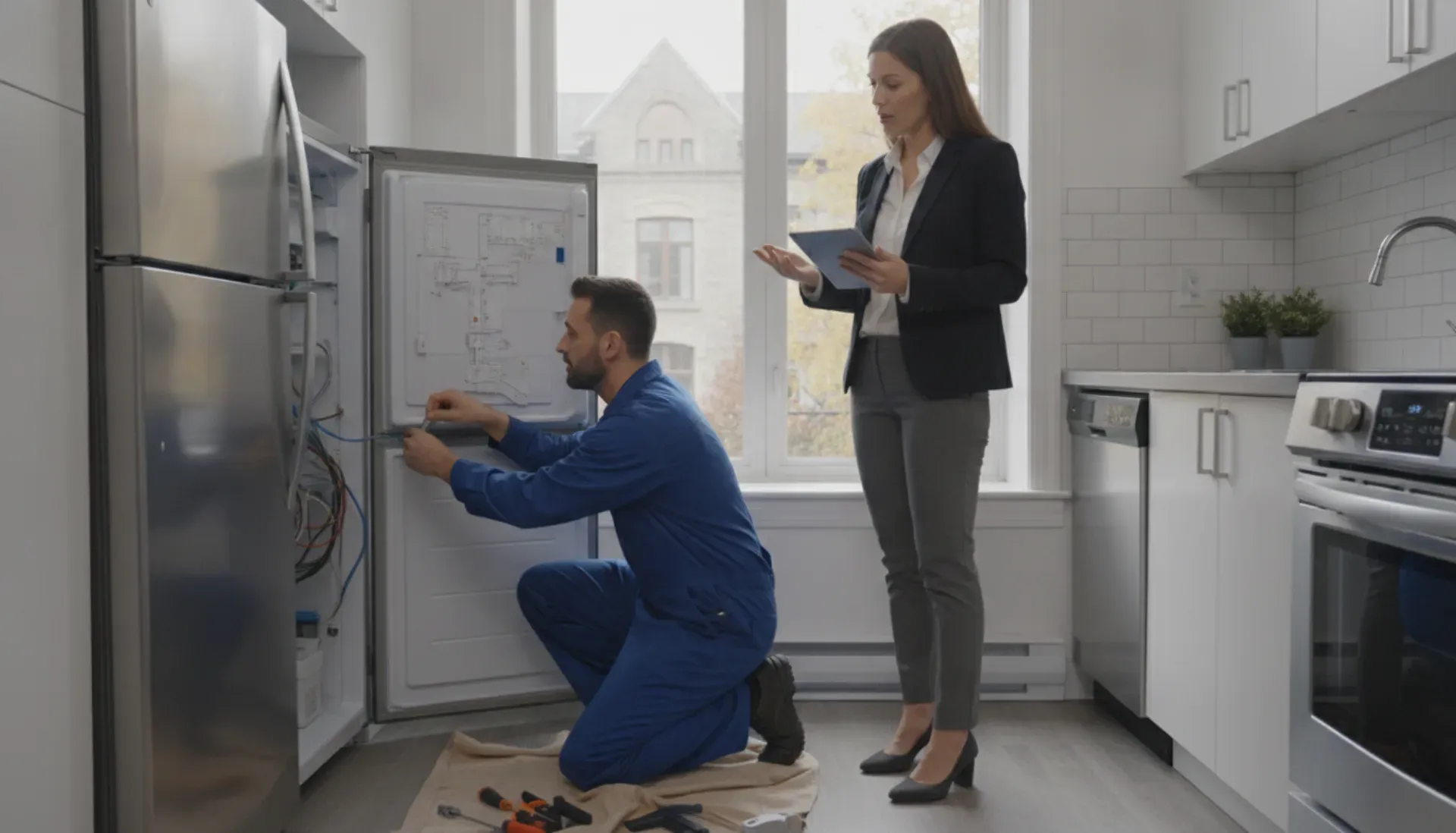
Great tenants are the heart of a successful rental property. When you have a positive relationship with them, they’re more likely to pay rent on time, take care of your property, and stay for the long haul. This isn’t about being a pushover; it’s about building a foundation of mutual respect and clear communication. A strong landlord-tenant relationship protects your investment by reducing turnover costs and making your life as a property owner much easier. It transforms the dynamic from a simple transaction into a partnership where both sides feel valued and understood. By putting in a little effort to foster this connection, you create a more stable and profitable environment for everyone involved.
Set Clear Expectations from the Start
The best relationships begin with clear communication, and the same is true for you and your tenants. Your lease agreement is the perfect place to start. Think of it as the rulebook for your property. A thorough lease should clearly outline everything from rent due dates and accepted payment methods to house rules and maintenance responsibilities. Make sure it specifies who is responsible for what, like lawn care or minor repairs. Having these details in writing from day one prevents misunderstandings down the road. It’s also crucial that your lease follows all local and provincial housing laws to keep you and your investment protected.
A Better Way to Handle Complaints and Disputes
Even with the best tenants, issues will pop up. The key is how you respond. Creating an open and straightforward line of communication is essential. Make it easy for your tenants to report problems or ask questions, whether it’s through a dedicated email address, a tenant portal, or even text messages. When they reach out, be responsive and keep them in the loop about what you’re doing to address their concerns. Good communication can stop a small leak from becoming a major conflict. This proactive approach is a core part of professional property management, as it shows tenants you’re a reliable and attentive landlord.
Use Tenant Feedback to Keep Great Tenants Longer
Making your tenants feel valued is one of the most effective ways to encourage them to stay. Small gestures can go a long way. Treat your tenants with respect, check in with them from time to time, and consider sending a simple holiday greeting. When they offer feedback, listen. You may not be able to act on every suggestion, but showing that you hear their concerns makes them feel like a respected part of the community. Regular property inspections are also a great opportunity to connect, ask if everything is okay, and show you care about maintaining a quality home for them. Happy tenants are more likely to renew their lease, saving you the time and expense of finding new ones.
Using Tech to Simplify Tenant Management
Managing tenants doesn’t have to mean juggling spreadsheets, chasing down rent checks, and losing track of maintenance requests in your inbox. Technology offers powerful tools that can automate your most time-consuming tasks, giving you more freedom and your tenants a better experience. By adopting the right software, you can centralize communication, streamline payments, and keep a clear, organized record of everything related to your property.
This isn’t about adding more complexity to your plate. It’s about finding smart, simple systems that do the heavy lifting for you. Think of it as having a digital assistant who handles the day-to-day details, so you can focus on the bigger picture: protecting your investment and keeping your properties filled with great tenants. From rent collection to repair requests, the right tech stack makes professional property management more efficient and far less stressful. It also provides a level of service that modern tenants have come to expect, making your property more attractive in a competitive market.
Streamline Rent Collection and Tracking
Chasing late rent payments is one of the biggest headaches for any landlord. Moving your rent collection process online is a simple change that makes a huge difference. Modern property management platforms allow tenants to pay their rent through various methods, including credit cards, debit cards, or direct bank transfers. Many of these tools, like TenantCloud, also let you set up automatic payments. This simple feature significantly reduces late payments because tenants can “set it and forget it.” For you, it means a more predictable cash flow and no more awkward reminder calls. It also creates an automatic digital record of all transactions, which simplifies bookkeeping and tracking.
Manage Maintenance Requests Digitally
When a pipe bursts or an appliance breaks, tenants want help fast. A digital system for maintenance requests ensures nothing gets lost in the shuffle. Instead of relying on phone calls or emails, tenants can submit a request through an online portal. This creates an instant, time-stamped record of the issue, which you can use to track progress and communicate updates. This process makes it easier to manage and prioritize repairs efficiently, ensuring that problems are addressed promptly. A clear and responsive maintenance process is key to tenant satisfaction and helps you stay on top of your property’s condition through regular property inspections and timely fixes.
Leverage Software and Automation
A good property management system (PMS) brings all these functions together in one place. These platforms are designed to automate repetitive tasks, from sending rent reminders to generating financial reports. According to RentalReady, the advantages of property management systems include saving time and giving residents easy access to services. By automating the administrative work, you free up valuable time and mental energy. This allows you to focus on more important activities, like building positive tenant relationships, finding quality occupants for your vacancies, and exploring opportunities to grow your investment portfolio. It’s a strategic move that makes management smoother for everyone involved.
Common Tenant Management Mistakes to Avoid
Even the most experienced landlords can make missteps. The key is to learn from common mistakes so you can protect your investment and build a positive reputation. Managing tenants involves more than just collecting rent; it requires a proactive approach to communication, maintenance, and legal diligence. By steering clear of these frequent oversights, you can foster better relationships with your tenants and ensure your property remains a profitable, well-maintained asset for years to come.
Skipping the Full Screening Process
It’s tempting to rush a new tenant into a vacant unit to get the rent flowing, but cutting corners on screening is a mistake that can cost you dearly. A quick chat and a handshake aren’t enough to verify if someone will be a reliable tenant. A thorough screening process is your first line of defense. This means you should always check credit reports, run a background check, and verify their rental and employment history. Taking these steps helps you find responsible individuals who are more likely to pay on time and take care of your property, which is fundamental to attracting quality tenants.
Letting Maintenance Requests Pile Up
When a tenant reports a leaky faucet or a broken appliance, they’re not just asking for a repair; they’re testing your responsiveness as a landlord. Letting maintenance requests accumulate sends a clear message that you don’t prioritize their comfort or the upkeep of your property. This can quickly lead to tenant dissatisfaction and more significant, costly repairs down the line. Responding promptly shows you care and helps build a foundation of trust and respect. A well-maintained property not only keeps current tenants happy but also protects the long-term value of your investment.
Using a Vague or Incomplete Lease
Your lease agreement is the most important document in your landlord-tenant relationship. A vague or generic lease is a recipe for future conflict. Your agreement should be detailed and crystal clear, outlining everything from rent due dates and late fees to guest policies and maintenance responsibilities. It also needs to comply with all local and provincial housing laws to be legally enforceable. A strong, comprehensive lease sets clear expectations from day one and provides a solid framework for resolving any disputes that may arise, protecting both you and your tenant.
Forgetting About Regular Property Inspections
Some landlords avoid inspections because they don’t want to intrude on their tenants, but this is a missed opportunity for proactive property care. Conducting regular property inspections (with proper notice, of course) is not about checking up on your tenants; it’s about protecting your investment. These visits allow you to catch small issues, like a minor leak under the sink or a loose railing, before they turn into major structural problems. It also shows your tenants that you are a diligent and attentive landlord who is committed to keeping the property in excellent condition for everyone.
Simple Ways to Improve Tenant Retention
Keeping great tenants is one of the smartest financial moves you can make as a property owner. Every time a tenant leaves, you face the costs of cleaning, repairs, and marketing, not to mention the lost income from an empty unit. Happy, long-term tenants provide a stable and predictable return on your investment. The good news is that retaining them often comes down to a few simple, consistent practices that show you value their tenancy. By focusing on creating a positive living experience, you can significantly reduce turnover and avoid the headache of filling frequent vacancies. These strategies build a foundation of respect and reliability that encourages good tenants to call your property home for years to come.
Respond Quickly to Maintenance Needs
Nothing makes a tenant feel more valued than a swift response to a maintenance request. When a tenant reaches out about a leaky faucet or a broken appliance, they’re looking for reassurance that their comfort and safety matter. Responding quickly shows you care and helps build a strong sense of trust. Timely repairs also prevent small issues from turning into larger, more expensive problems down the road. A well-maintained property is a key part of the comprehensive property management that keeps tenants happy. Even if a fix isn’t immediate, communicating a clear timeline lets your tenants know they’ve been heard and that a solution is on the way.
Communicate Policies and Changes Clearly
Open and honest communication is the bedrock of any healthy landlord-tenant relationship. From the very beginning, make sure your tenants understand your policies and know the best way to reach you with questions or concerns. Whether it’s through email, a text, or a tenant portal, having a clear channel for communication prevents small misunderstandings from escalating. It’s also important to give tenants plenty of notice about any changes, such as scheduled maintenance or updates to building rules. These simple tenant management tips help tenants feel respected and informed, which goes a long way in fostering a positive and cooperative atmosphere.
Stay Informed on Local Rental Trends
Setting the right rent is a delicate balance. If it’s too high, you risk pushing away great tenants at renewal time. If it’s too low, you could be leaving money on the table. To find that sweet spot, you need to stay informed on what similar properties are renting for in your area. Researching local rental trends allows you to set a price that is both fair and competitive, making your property an attractive option for the long term. When tenants feel they are getting good value, they are far more likely to stay. This market awareness is crucial for making strategic decisions that support both tenant retention and your financial goals.
When Is It Time to Hire a Property Management Company?
Managing a property on your own can feel like a second full-time job. While it can be rewarding, there often comes a point where the daily demands start to outweigh the benefits. If you’re feeling overwhelmed or simply want to get your time back, it might be the right moment to consider bringing in a professional. A property management company isn’t just for large-scale investors; it’s for any owner who wants to protect their asset and their peace of mind.
Signs You Could Use an Expert’s Help
If you’re on the fence, here are a few signs that it’s time to call in an expert. You’re spending more time fielding tenant calls and coordinating repairs than you are on your own priorities. Your property has persistent vacancies, or you’re struggling to find reliable tenants who pay on time. Keeping up with maintenance is becoming a constant headache, and you don’t have a trusted network for quick fixes or routine property inspections. You also might feel uncertain about handling Quebec’s specific landlord-tenant laws and worry about making a costly mistake. If any of this sounds familiar, a property manager can step in to handle these exact challenges.
How PGK Montreal Makes Tenant Management Stress-Free
Our entire approach is built to give you back your time and make owning property profitable, not stressful. We handle all the day-to-day operations, starting with tenant communication. Forget late-night calls or chasing down rent; we manage everything professionally and promptly. Our team has deep expertise in Quebec’s housing laws, so you can feel confident that your property is managed ethically and legally. We coordinate all maintenance and repairs with our vetted network of professionals, ensuring issues are resolved quickly. With our comprehensive property management services, you get to enjoy the financial benefits of your investment without the daily operational burdens.
Frequently Asked Questions
What’s the difference between tenant management and property management again? Think of it this way: property management is the entire operation of your real estate asset, covering everything from bookkeeping and building maintenance to long-term financial strategy. Tenant management is a specialized, people-focused part of that. It’s all about managing the relationship with the individuals who live in your property, from screening and leasing to communication and rent collection. One manages the investment, the other manages the people who make it profitable.
What’s the most critical step for preventing future tenant problems? Without a doubt, it’s a thorough and consistent screening process. While it’s tempting to fill a vacancy quickly, taking the time to properly vet applicants is the single best thing you can do to protect your investment. This means doing your due diligence by running credit and background checks and, most importantly, speaking with past landlords. A solid screening process helps you find reliable people who will pay on time and care for your property, saving you from countless potential headaches.
I’m busy. Can I just use a standard lease template I find online? I would strongly advise against it. A generic lease you find online is not tailored to your specific property and, more importantly, may not be fully compliant with Quebec’s detailed landlord-tenant laws. Your lease is your most important legal tool. A well-crafted agreement should be comprehensive, clear, and legally sound to protect you and your investment. It’s worth the effort to create a solid lease that sets clear expectations from the start.
How can I keep good tenants without lowering the rent too much? Tenant retention is less about offering the cheapest rent and more about providing great value and a positive living experience. Being a responsive and respectful landlord is key. When you handle maintenance requests promptly and communicate clearly, tenants feel valued and are more likely to stay. You should also keep your rent fair and competitive by staying aware of local market trends. Good tenants are often willing to pay a fair price for a well-maintained home and a professional landlord.
My portfolio is small. When does it actually make sense to hire a professional? It’s less about the size of your portfolio and more about the impact on your time and peace of mind. If you find yourself constantly stressed by late-night tenant calls, struggling to coordinate repairs, or feeling uncertain about legal compliance, it’s probably time to consider getting help. A property management company steps in to handle the daily operational tasks, freeing you to focus on your own priorities while still enjoying the financial benefits of your investment.