Many property owners believe that a vacant unit is their biggest financial threat, but the reality is that a bad tenant can be far more costly. The process of eviction, repairing damages, and covering months of lost rent can quickly erase any profits. This is why finding and keeping great tenants is the most critical part of your job as a landlord. It all comes down to your management approach. A professional system not only attracts better applicants but also encourages them to stay long-term. In the following sections, we’ll detail the key tenant management best practices that help you reduce risk, improve retention, and build a more secure financial future.
Key Takeaways
- Proactive systems are your best defense: Implement clear, consistent processes for tenant screening, rent collection, and maintenance. This approach prevents small issues from becoming expensive problems and reduces the daily stress of being a landlord.
- Communication is a core business strategy: Build trust and improve retention by communicating effectively. Set clear expectations in the lease, respond quickly to requests, and keep tenants informed to create a positive relationship that minimizes costly vacancies.
- Hiring a professional is a strategic move: Recognize when self-management is costing you time and peace of mind. Hiring a property manager is a smart business decision to handle complex issues, protect your investment, and reclaim your focus.
What Is Tenant Management (and Why Should You Care)?
At its core, tenant management is how you handle the entire relationship with the people living in your property. It’s a process that goes far beyond just collecting a rent check each month. It covers everything from screening applicants and signing lease agreements to handling maintenance requests and maintaining clear, open communication. Think of it as the complete system for overseeing the landlord-tenant relationship to ensure both sides are meeting their obligations.
So, why should this be a top priority for you? Because effective tenant management is the key to a profitable and stress-free rental property. When tenants feel respected and their concerns are addressed promptly, they are far more likely to stay long-term. This is a huge win for you. Happy tenants help you improve tenant retention, which means lower turnover costs, fewer vacancies, and a more stable income stream. Every month a unit sits empty is a month of lost revenue, so keeping good tenants is one of the smartest financial moves you can make.
Beyond just filling vacancies, strong tenant management directly protects your investment. It’s about building a positive, professional relationship that encourages tenants to treat your property with care. When you have a solid system in place, you can ensure rent is paid on time, maintenance issues are resolved before they become costly disasters, and disputes are handled fairly. This is where professional property management makes all the difference, turning the daily demands of ownership into a seamless, profitable operation.
How to Screen Tenants Like a Pro

Finding the right tenant is the single most important step in protecting your real estate investment. A great tenant pays on time, cares for the property, and communicates openly, while a difficult one can lead to financial loss and endless headaches. That’s why a thorough screening process isn’t just a suggestion; it’s your first line of defense. As one legal expert puts it, tenant screening is the “cornerstone of successful property ownership” and serves to build trust from the very beginning.
A professional screening process goes far beyond a simple gut feeling. It’s a systematic approach to verifying information and assessing risk, ensuring you find reliable occupants for your vacancies. By establishing clear criteria and consistently applying them, you not only find better tenants but also protect yourself from potential legal issues. Let’s walk through the essential steps to screen applicants like a seasoned professional.
Set Your Tenant Criteria Upfront
Before you even list your property, decide on your ideal tenant profile and write it down. This isn’t about personal preferences; it’s about creating objective, business-based standards that apply to every single applicant. Your criteria should include minimum income requirements (typically three times the monthly rent), a minimum credit score, and a clean rental history with no prior evictions. Having these standards in place from the start ensures you are fair and consistent. Using a set of screening tools not only reduces your risk but also strengthens your compliance with Fair Housing laws by treating every applicant equally.
Run Background, Credit, and Rental History Checks
Once you have an application, it’s time to verify the information. Comprehensive checks are non-negotiable for managing risk. A background check can reveal relevant criminal history, a credit check shows an applicant’s financial responsibility, and a rental history report uncovers past evictions or late payments. This isn’t about digging for dirt; it’s about confirming that the applicant is reliable and has a track record of meeting their obligations. A thorough screening process is a key part of professional property management, as it helps prevent issues like unpaid rent and property damage before they ever start.
Spot and Avoid Fraudulent Applications
In a competitive rental market, fraudulent applications are more common than you might think. Applicants may submit fake pay stubs, altered bank statements, or even provide phony references to appear more qualified. These deceptive practices can lead to significant “financial losses for landlords and property managers,” including the high costs of eviction. To protect yourself, look for inconsistencies. Does the company name on the pay stub match the one listed for their employer? Do the numbers on the bank statement look legitimate? Cross-referencing every piece of information is your best defense against fraud.
Verify Employment and Check References
Never take an application at face value. Always take the extra step to personally verify employment and speak with an applicant’s references, especially previous landlords. When you call an employer, confirm the applicant’s position, salary, and length of employment. When speaking to a past landlord, ask direct questions: Did they pay rent on time? Did they maintain the property well? Were there any complaints from neighbors? Would you rent to them again? This initial contact also sets the stage for good landlord-tenant communication, which is a cornerstone of successful property management and helps build a positive relationship from day one.
Simplify Lease Management and Rent Collection
Managing leases and collecting rent are the bread and butter of being a landlord, but they can also be the biggest sources of stress. Juggling different renewal dates, chasing late payments, and handling lease-related questions can feel like a full-time job in itself. The good news is that with the right systems, you can streamline these tasks, reduce friction with your tenants, and get your time back. It all starts with a solid foundation and a little help from technology. By creating clear agreements and automating routine processes, you can shift your focus from tedious administration to what really matters: protecting and growing your investment.
Write Clear, Detailed Lease Agreements
Think of your lease agreement as the instruction manual for a successful tenancy. A vague or incomplete lease leaves too much room for interpretation, which can lead to disputes down the line. Your goal is to create a document that is clear, comprehensive, and leaves no one guessing. Effective communication is the cornerstone of any good landlord-tenant relationship, and that communication begins with the lease.
Your agreement should spell out all the important details: the exact rent amount and due date, policies for late fees, who is responsible for which utilities, and rules regarding pets, guests, or property alterations. By setting clear expectations from the start, you create a transparent and trusting environment. A well-written lease agreement protects both you and your tenant, preventing simple misunderstandings from turning into major problems.
Track Renewals, Expirations, and Rent Increases
As a property owner, dates on a calendar represent critical financial moments. Forgetting a lease is about to expire can lead to an unexpected vacancy, and missing a planned rent increase directly impacts your profitability. If you manage multiple properties, especially commercial ones, keeping track of these details becomes even more complex. You need a reliable system to stay ahead of deadlines.
A simple digital calendar or spreadsheet can work, but many landlords find that dedicated software is a better long-term solution. These tools can send you automatic reminders for renewals and other key dates. Of course, this is also a core part of what a property management company does. We handle all the tracking and paperwork so you can focus on your investment returns without getting bogged down in administrative details.
Automate Rent Collection to Get Paid on Time
The days of waiting for checks in the mail are over. Automating your rent collection is one of the single best things you can do to ensure you get paid on time, every time. Setting up an online payment system makes the process effortless for both you and your tenants. They can schedule automatic payments, and you get consistent cash flow without having to send reminders or make awkward phone calls.
By using technology to automate rent collection, you’re not just making your life easier; you’re freeing up valuable time. Instead of spending hours on administrative tasks, you can focus on maintaining your property and finding new investment opportunities. It’s a simple switch that transforms a recurring chore into a seamless, professional transaction that benefits everyone involved.
Can Better Communication Really Improve Tenant Retention?
The short answer is yes, absolutely. When tenants feel heard, respected, and informed, they are far more likely to renew their lease. Think about it: moving is a huge hassle. Most people will happily stay put if they feel comfortable and secure in their home. Great communication is the foundation of that feeling. It builds trust, minimizes misunderstandings, and shows tenants you care about their experience, not just the rent check. This isn’t just about being friendly; it’s a core business strategy.
Consistent, clear communication directly impacts your bottom line. Happy tenants lead to lower turnover rates, which means fewer costly vacancies, less time spent marketing your property, and a more stable, predictable income stream. This is a cornerstone of professional property management, where the goal is to create a positive environment that encourages long-term stays. By setting a professional and approachable tone from the beginning, you create a relationship built on mutual respect, which is invaluable for retaining high-quality tenants and protecting your investment.
Establish Clear Communication Channels from Day One
From the moment a tenant signs the lease, they should know exactly how to reach you or your property manager. Provide them with a primary point of contact, including a phone number and email address, and be clear about business hours for non-emergency issues. This simple step prevents frustration and ensures tenants don’t feel ignored. Establishing these ground rules early on helps build positive relationships and reduces potential conflicts down the road. Whether you use a dedicated tenant portal, email, or phone calls, consistency is key. When tenants know what to expect, they feel more secure and respected.
Give Tenants a Thorough Orientation
A great way to start your landlord-tenant relationship on the right foot is with a thorough orientation. This can be a welcome packet or a brief walk-through that covers all the essentials. Include information on how to pay rent, how and when to submit maintenance requests, emergency contact numbers, and specific building rules like garbage disposal or parking policies. This proactive approach helps foster a sense of transparency and trust right away. It also minimizes future questions and potential misunderstandings by giving tenants all the information they need to settle in smoothly and live comfortably in your property.
Use Automated Reminders for Important Updates
No one likes unpleasant surprises, especially when it comes to their home. Proactive communication is a simple yet powerful tool for keeping tenants happy. Use automated emails or texts to send friendly reminders for important events. This could include upcoming rent due dates, scheduled maintenance that might affect them, or planned property inspections. These small gestures show respect for your tenants’ time and personal space. By keeping them in the loop, you demonstrate that you’re an organized and considerate landlord, which goes a long way toward building goodwill and encouraging them to stay for the long term.
Create a System for Tenant Feedback
Communication should always be a two-way street. To truly understand your tenants’ experience, you need a system for gathering their feedback. This doesn’t have to be complicated; it can be as simple as an annual survey or just letting them know you’re open to suggestions. The most important part is to acknowledge what you hear and, when appropriate, act on it. When tenants see that their concerns are taken seriously, they feel valued. This process can also help you identify and fix small issues before they become major problems that cause good tenants to start looking at other vacancies.
Protect Your Property with Smart Maintenance and Inspections

Keeping your property in top shape is about more than just aesthetics; it’s about protecting your investment and keeping your tenants happy. A well-maintained building not only holds its value better but also leads to fewer vacancies and a more stable rental income. When tenants see that you care for the property, they are more likely to care for it too. This creates a positive cycle that benefits everyone.
Effective maintenance isn’t just about fixing things when they break. It’s a three-part strategy that involves proactive planning, regular check-ups, and swift action when issues arise. By creating solid systems for each of these areas, you can prevent small problems from turning into costly disasters and show your tenants that their comfort and safety are a priority. This is a core part of what a professional property management team handles, turning a huge time commitment into a seamless, automated process for you.
Build a Proactive Maintenance Schedule
Waiting for something to break is a recipe for stress and unexpected bills. Unpredictable maintenance expenses are a huge financial drain for property owners. The best way to avoid this is to shift from a reactive to a proactive approach. A proactive maintenance plan involves scheduling regular service for your property’s key systems, like HVAC, plumbing, and roofing.
Think of it like a health checkup for your building. Create a yearly calendar with reminders for seasonal tasks: service the air conditioning in the spring, clean the gutters in the fall, and inspect the heating system before winter. Budgeting for these tasks and other capital expenditures in advance helps prevent the financial shock of emergency repairs and can significantly extend the lifespan of your building’s most important assets.
Conduct Regular Property Inspections
Regular inspections are your first line of defense against hidden problems. The goal isn’t to be intrusive but to catch issues like a small leak under the sink before it causes major water damage and mold. These routine checks are essential for maintaining the safety and integrity of your property. For example, regular maintenance of a property’s stormwater management system can prevent flooding and keep paved areas safe.
Plan for property inspections at key moments: before a tenant moves in, after they move out, and at least once a year during their tenancy (with proper notice, of course). During these walkthroughs, take detailed notes and photos to document the property’s condition. This creates a clear record and helps you prioritize repairs and plan for future maintenance.
Respond to Maintenance Requests Quickly
Nothing makes a tenant feel more valued than a quick response to their concerns. When a tenant reports an issue, how you handle it speaks volumes. A property manager who engages with residents and quickly addresses their concerns can turn more of them into long-term tenants. On the other hand, if a tenant raises an issue and gets silence or a delayed reply, their confidence in you can erode quickly.
Create a simple, clear process for tenants to submit maintenance requests. Even if you can’t fix the problem immediately, acknowledging the request right away shows you’re on top of it. This simple act of communication builds trust and can make all the difference in a tenant’s decision to renew their lease.
How to Handle Tenant Disputes
Even with the best tenants, disagreements can happen. From noise complaints to arguments over shared spaces, tenant disputes are a part of being a landlord. How you handle these situations can make the difference between a quick resolution and a long, drawn-out conflict. Having a clear, consistent strategy is key. It not only helps you resolve issues fairly but also protects your investment and your reputation as a landlord. The goal is to address problems head-on with a process that is both firm and fair, ensuring your property remains a peaceful place to live.
Create a Formal Complaint Process
The first step in managing disputes is to stop them from becoming a game of “he said, she said.” Establishing a formal complaint process is the best way to do this. This system should be straightforward and easy for all tenants to use. Think of a simple online form or a dedicated email address where residents can submit their concerns. When you create this process, communicate it clearly to everyone during orientation and include it in your welcome packet. A structured approach ensures that you address complaints promptly and fairly, which goes a long way in maintaining a positive and respectful atmosphere in your property.
Document Everything
If I can give you one piece of advice that will save you countless headaches, it’s this: document everything. From the initial complaint to the final resolution, keeping detailed records is one of the most critical aspects of professional property management. Make a note of every phone call, save every email, and keep copies of any formal letters or notices sent. Your records should include dates, times, the people involved, and a summary of what was discussed or decided. This paper trail is not just for your protection in a potential legal scenario. It also provides a clear, objective history of the issue, which helps you track progress toward a resolution and ensures everyone is held accountable.
Know When to Escalate the Issue
As a landlord, you can’t solve every problem on your own, and that’s okay. Knowing when to step back and escalate an issue is a crucial skill. If you’ve tried to mediate a dispute between tenants and aren’t making headway, or if a problem involves complex legal matters, it’s time to call in reinforcements. This could mean bringing in a professional mediator or seeking legal counsel. Recognizing that a situation is beyond an informal chat can save you time and resources in the long run. It’s not a sign of failure; it’s a sign of a smart, responsible property owner who knows how to use their resources effectively.
Residential vs. Commercial: How Tenant Management Differs
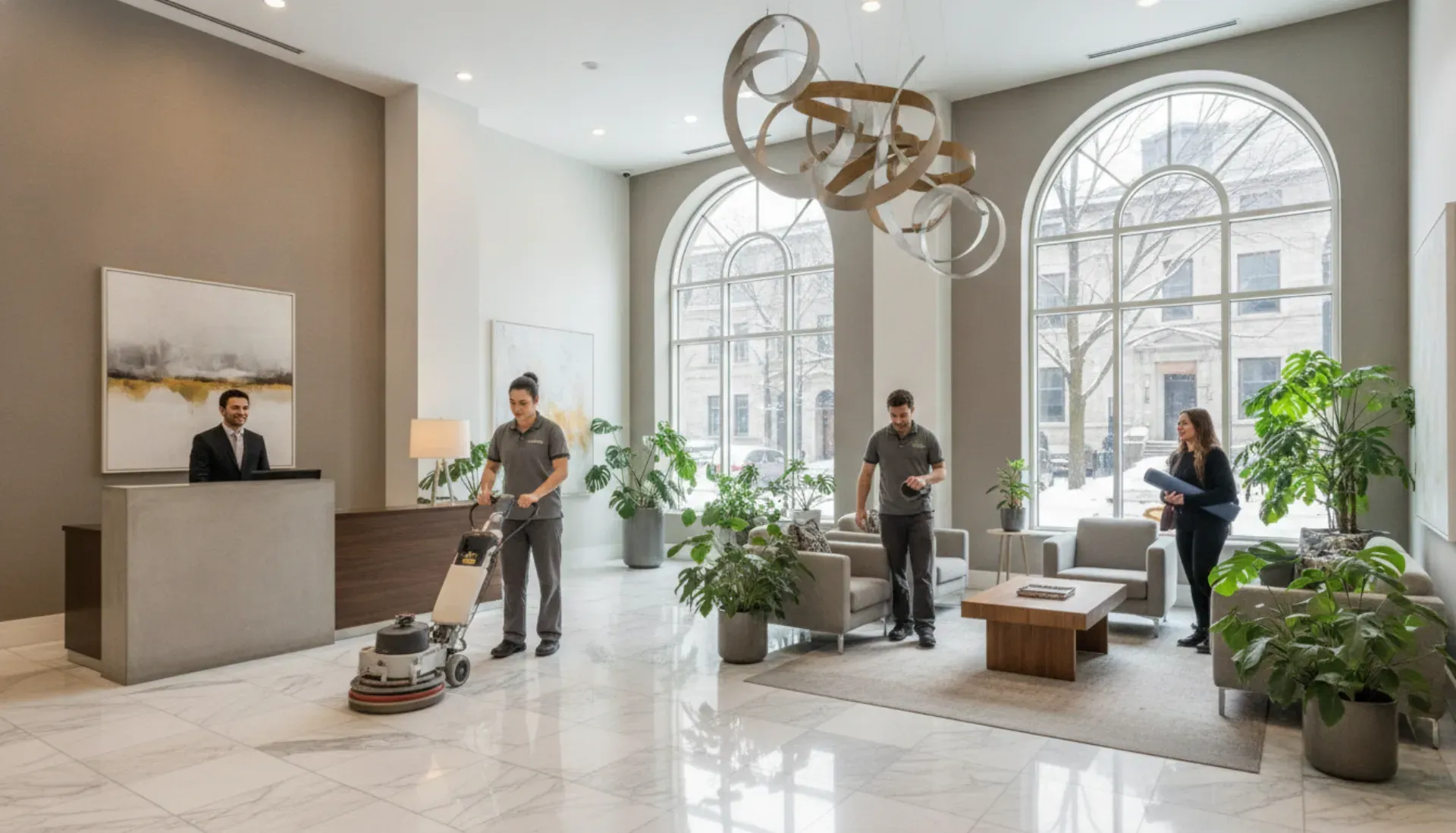
Managing tenants looks very different depending on whether you own a residential apartment building or a commercial retail space. While the goal is always to keep good tenants happy and your property profitable, the strategies you’ll use will vary quite a bit. Residential tenants are looking for a home, while commercial tenants are running a business. This fundamental difference shapes everything from the lease agreement to your day-to-day responsibilities.
Understanding these distinctions is key to effective management. Let’s break down the main areas where tenant management diverges between residential and commercial properties.
Lease Structures and Tenant Expectations
Residential leases are typically straightforward. They’re often standard, one-year agreements where the terms are clearly defined and consistent for every tenant in the building. The tenant’s primary expectation is a safe, comfortable, and well-maintained living space.
Commercial leases, on the other hand, are far more complex and customized. These agreements are often multi-year contracts tailored to the specific business. They can include clauses for things like Common Area Maintenance (CAM) fees or percentage rent, where a tenant pays a portion of their revenue. Because of this complexity, commercial lease administration requires meticulous tracking. A commercial tenant expects a partner who helps their business operate smoothly, ensuring the property supports their financial success.
Maintenance Responsibilities and Compliance Rules
In most residential settings, the landlord is responsible for nearly all maintenance and repairs, from a leaky faucet to a broken appliance. Your job is to keep the units and common areas in good working order according to provincial standards.
For commercial properties, maintenance duties are often split. The lease agreement specifies who handles what; for example, the tenant might be responsible for their interior space while you manage the building’s structure, roof, and parking lot. Commercial properties also face a different set of compliance rules related to zoning, accessibility, and business operations. Managing these properties requires a deep understanding of finance, operations, and risk management to protect your investment and ensure everything is up to code.
Different Strategies for Tenant Retention
Keeping a great residential tenant often comes down to creating a positive living experience. This means being responsive, handling repairs quickly, and fostering a sense of community with well-kept shared spaces or resident events. When tenants feel at home and respected, they are much more likely to renew their lease.
Retaining a commercial tenant is more of a business-to-business relationship. While responsiveness is still critical, their decision to stay is based on whether the location works for their business. To encourage renewals, you need to demonstrate that your property is a valuable asset. This involves maintaining the property’s professional appearance, ensuring high visibility and accessibility, and building strong tenant relationships that show you are invested in their success.
When Is It Time to Hire a Property Manager?
Juggling everything yourself can be rewarding at first, but there often comes a point when the demands of property ownership start to outweigh the benefits. If you feel like you’re constantly putting out fires instead of focusing on your investment’s growth, it might be time to bring in a professional.
One of the biggest signs is when property management starts to feel like a second full-time job. If late-night maintenance calls, endless administrative tasks, and weekend showings are eating into your personal time or distracting you from your primary career, it’s a clear signal. The same goes for distance. If you live far from your property, managing emergencies and routine property inspections becomes a logistical challenge that a local manager can easily solve.
Another key factor is complexity. Managing a property requires expertise in finance, operations, and local regulations. If you’re spending more time trying to understand tenant laws than you are enjoying your life, professional help is a smart move. This is also true for tenant relations. If you’re struggling with high turnover, constant disputes, or just can’t seem to find and keep good tenants, a property manager can implement proven strategies for retention.
Ultimately, the decision comes down to this: Is managing your property preventing you from enjoying the financial rewards of owning it? If the answer is yes, it’s time to consider professional property management. It’s not about giving up control; it’s about making a strategic move to protect your asset and get your time back.
Frequently Asked Questions
I only have one rental property. Do I really need a formal tenant screening process? Yes, absolutely. Think of it this way: even one difficult tenant in one property can lead to months of lost rent, legal fees, and property damage. A thorough and consistent screening process is your best tool for protecting your investment, no matter the size of your portfolio. It helps you verify that an applicant is financially responsible and has a history of being a good tenant. It also ensures you are applying the same fair standards to everyone, which is crucial for staying compliant with housing laws.
My tenant seems great. Why should I bother with regular property inspections? Regular inspections are less about checking up on your tenant and more about checking in on your property. They are a proactive way to protect your investment. A quick walkthrough can help you spot a small leak before it causes major water damage, notice a fraying wire before it becomes a safety hazard, or identify other minor issues that can turn into expensive repairs if left alone. It shows you care about maintaining a safe, quality home, which tenants appreciate, and it gives you a clear picture of your property’s condition over time.
What’s the single biggest benefit of automating rent collection? The biggest benefit is consistency, for both you and your tenant. Automating rent removes the monthly guesswork and the awkwardness of sending payment reminders. For you, it means a predictable and reliable cash flow, which makes managing your finances much easier. For your tenants, it offers convenience and helps them avoid late fees. It transforms rent from a recurring chore into a seamless transaction and frees up your time to focus on more important aspects of your investment.
Is managing a commercial property really that different from a residential one? Yes, the approach is quite different. Residential management focuses on creating a comfortable home and community, with fairly standard lease agreements. Commercial management is a business-to-business relationship. The leases are far more complex, often lasting for many years and including detailed clauses about property use and maintenance responsibilities. Your success as a commercial landlord is tied to your tenant’s business success, so your management style needs to be focused on supporting their operations and maintaining the property as a valuable business asset.
When does it make financial sense to hire a property manager? It makes sense when the time and stress of managing the property yourself start to outweigh the cost of the service. Calculate the hours you spend on administrative tasks, tenant communication, and maintenance coordination. If that time could be better spent on your career, with your family, or finding new investments, it’s a sign. A property manager also reduces the risk of costly mistakes, like tenant law violations or extended vacancies. The decision becomes financial when you realize that professional management can protect your asset and improve your returns more effectively than you can alone.