
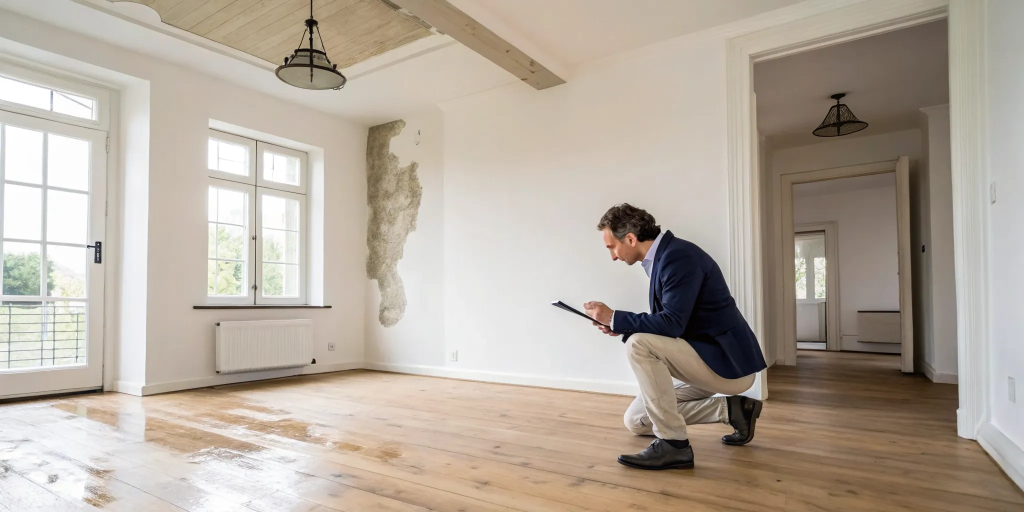
It’s tempting to think skipping a walkthrough on an empty property saves money, but this is one of the costliest gambles an owner can make. The price of neglect is always higher than the cost of prevention. A tiny drip you can’t see, a cracked window inviting pests, or a failing HVAC system can quickly spiral into thousands of dollars in repairs and lost rental income. This is exactly why inspect a vacant property is not just about maintenance, but about financial protection. A consistent inspection schedule is your best defense against these hidden costs, ensuring your investment remains profitable.
Key Takeaways
- Proactive inspections are non-negotiable: A vacant property is vulnerable to silent damage, security risks, and pests. Regularly checking on your building is the only way to catch small problems like a minor leak or a cracked window before they turn into expensive, value-destroying disasters.
- Document everything with a detailed checklist: Your inspection is only as good as its record. Use a systematic checklist covering structure, water, electrical, and exterior systems, and document your findings with photos and notes. This creates a legal safety net, validates insurance claims, and gives you a clear roadmap for repairs.
- Know when to call a professional: While your own checks are important, a professional property manager can spot hidden issues, handle complex insurance claims, and manage repairs effectively. Their expertise is essential for long-term vacancies or after severe weather, protecting your investment and your peace of mind.
Why Are Vacant Properties So Risky?
As a property owner, you might think a vacant building is just a pause button on your investment. In reality, an unoccupied property is an open invitation for problems that can quickly spiral out of control, turning a valuable asset into a significant financial drain. Without daily activity and oversight, your building is vulnerable to everything from structural decay and security breaches to environmental hazards. These aren’t just minor inconveniences; they are serious threats that can diminish your property’s value and create massive liabilities.
Effectively managing these risks is the key to protecting your investment. It requires a proactive approach that goes beyond simply locking the doors and hoping for the best. Professional property management services are designed to address these vulnerabilities head-on, ensuring that your building remains secure, well-maintained, and profitable even when it’s between tenants. Understanding the specific dangers of vacancy is the first step toward creating a solid plan to safeguard your property for the long term.
The Silent Damage of Neglect
When a property sits unoccupied, small maintenance issues can quietly grow into catastrophic failures. A tiny drip from a pipe, a few cracked shingles, or a small fissure in the foundation won’t fix themselves. Without anyone there to spot them, these problems worsen over time. Neglecting property upkeep can lead to unsafe structures and a significant decrease in property value. What could have been a simple repair can become a full-blown renovation project, costing you thousands. Regular property inspections are your first line of defense, catching these silent damages before they compromise your building’s integrity and your bottom line.
Unwanted Guests: Vandalism and Squatters
An obviously vacant property is a magnet for trouble. Broken windows, graffiti, and stolen copper piping are common signs of vandalism that can appear almost overnight. These issues are not just cosmetic; they signal to others that the property is unprotected, inviting further damage. Beyond vandalism, squatters pose an even greater threat. Removing them can be a lengthy and expensive legal process, all while they may be causing extensive damage to the interior. These security risks can escalate quickly if not addressed, creating serious liability issues and making it difficult to manage your vacancies effectively.
When Pests and Wildlife Move In
You may have locked the doors, but that won’t stop pests and wildlife from finding a way in. Rodents, insects, birds, and even raccoons see a vacant building as a perfect shelter. Once inside, they can wreak havoc by chewing through electrical wires, destroying insulation, and leaving behind unsanitary waste. An infestation can cause thousands of dollars in damage and create serious health hazards that must be remediated. Regular inspections are essential for finding and sealing entry points before you have a full-blown pest problem on your hands. Taking these preventive measures is far more cost-effective than dealing with an established infestation.
The Hidden Spread of Mold and Moisture
Moisture is one of the most insidious threats to a vacant property. A small roof leak, a failing HVAC system, or a burst pipe in the basement can release a surprising amount of water. Without proper ventilation or anyone to notice the issue, this moisture accumulation creates the perfect breeding ground for mold. Mold can spread rapidly through drywall, wood, and insulation, causing irreversible structural damage and posing serious health risks. The cost of professional mold remediation is substantial, and its presence can make a property nearly impossible to rent or sell until the issue is fully resolved.
The High Cost of Skipping an Inspection
It’s easy to think of an empty property as being in a state of pause, but the reality is that risks don’t stop when the tenants move out. Skipping regular inspections on a vacant property isn’t a savvy way to save a few dollars; it’s a gamble that can lead to staggering costs. From minor issues that spiral into financial disasters to legal headaches and insurance nightmares, the price of neglect is always higher than the cost of a simple walkthrough. Think of it this way: an unattended building is an open invitation for trouble, whether it’s from a slow leak, a sudden pest infestation, or a broken window.
Protecting your investment means being proactive. A consistent inspection schedule is one of the most effective tools you have. It allows you to catch problems before they become catastrophes, ensuring your property remains a valuable asset instead of a financial drain. When you know the exact condition of your property, you hold all the cards. You can plan for repairs, budget accurately, and keep your asset in top shape for the next tenant or a potential sale. Let’s break down exactly what you’re risking when you leave a vacant property unchecked.
How Small Issues Become Major Expenses
A tiny drip from a pipe or a small crack in the foundation might seem insignificant, but in a vacant property, these minor issues can quickly become major financial burdens. Without anyone around to notice, a small leak can lead to widespread water damage, structural rot, and a serious mold problem. Environmental factors like rain and snow are especially harsh on unattended buildings, turning what would have been a simple fix into a massive repair project. Professional property management helps you stay ahead of these issues. Catching a problem early is the difference between a quick, affordable repair and a costly, complex renovation that drains your profits and keeps your property off the market even longer.
The Insurance Trap: Are You Really Covered?
Many property owners assume their insurance policy is a safety net that will catch any and all problems. Unfortunately, that’s a dangerous assumption. Most insurance policies have clauses that exclude damage resulting from neglect. If you can’t prove that you’ve been taking reasonable steps to maintain the property, your insurer may deny your claim, leaving you to cover the full cost of repairs out of pocket. From property damage and losses due to extended vacancy to legal fees, the cost of inaction quietly eats away at your bottom line. Professional property inspections provide the documentation you need to show you’re a responsible owner, protecting you from financial vulnerability.
Staying on the Right Side of Montreal’s Laws
Property ownership comes with a set of rules, and Montreal is no exception. While laws often focus on occupied units, understanding your responsibilities for vacant properties is crucial. For vacant buildings, the legal concerns shift toward ensuring the property is secure and not becoming a neighborhood nuisance or violating municipal bylaws. Regular inspections demonstrate due diligence and help you avoid potential fines. This not only protects you from legal trouble but also maintains a positive relationship with the community, which is invaluable when you’re ready to manage future vacancies and find a new tenant.
Your Vacant Property Inspection Checklist
Inspecting a vacant property requires a different mindset than checking on one that’s occupied. Without the daily eyes and ears of a tenant, small issues like a slow drip or a drafty window can quietly become catastrophic problems. Neglect is a powerful force, and it can quickly devalue your investment. That’s why having a systematic checklist is so important. It helps you move past a quick glance and conduct a thorough assessment to catch potential issues before they spiral into costly repairs.
Think of this checklist as your guide to protecting your asset. Each point covers a critical area where vacant properties are most vulnerable. By regularly and methodically checking these systems and structures, you can address problems early, maintain the property’s condition, and ensure it’s ready for the right tenants when the time comes. A professional property management team makes these checks routine, but if you’re managing the property yourself, this list is your new best friend. It’s your roadmap to spotting trouble and safeguarding your investment from the foundation to the roof.
Check the Bones: Foundation and Structure
Start with the skeleton of the building. The foundation and structural components are the most critical and often the most expensive to repair. Walk through the interior and around the exterior, specifically looking for signs of stress. Are there visible cracks in the foundation walls or basement floor? Look for horizontal or stair-step cracks in brickwork, as these can indicate shifting. Inside, check for bowing walls, sloping floors, or doors and windows that stick or don’t close properly. These aren’t just cosmetic quirks; they can signal serious instability that needs immediate attention from a structural engineer. Catching these issues early is key to preventing a major financial headache.
Spot Leaks and Water Damage Risks
Water is the number one enemy of a vacant property. A small, undetected leak can lead to widespread rot, mold, and structural decay. During your inspection, be a detective. Look for dark stains on ceilings, walls, and floors. Pay close attention to areas under sinks, around toilets, and near water heaters. Use your nose, too; a persistent musty smell is a dead giveaway for hidden moisture. Remember that water can come from many places: failing plumbing, a leaky roof, or even a malfunctioning HVAC unit. Proactively checking for and repairing any source of water intrusion will save you from extensive and expensive remediation work down the road.
Identify Electrical and Fire Hazards
Faulty electrical systems are a significant fire risk in any building, but the danger is amplified in a vacant property where no one is around to spot the warning signs. As you inspect, look for obvious red flags like old or damaged wiring, exposed wires, and outdated two-prong outlets. Check the electrical panel to see if it’s old, overloaded, or disorganized. While you should never perform electrical work without a license, you can identify potential hazards that require a professional’s touch. These property inspections are not just about protecting your investment from damage; they are about ensuring the safety of the building and anyone who enters it, including future tenants.
Test the HVAC and Air Quality
A functional heating, ventilation, and air conditioning (HVAC) system is crucial, even in a vacant property. In Montreal, a failed heating system during winter can lead to frozen and burst pipes, causing massive water damage. Test the system to ensure it runs properly. Beyond the mechanics, consider the air quality. Vacant properties are an open invitation for pests. Look for droppings, nests, or signs of gnawing. Check for and seal any gaps or holes in the exterior, around pipes, or in the foundation where rodents and insects could get in. Taking these preventive measures helps you avoid a full-blown infestation and ensures a healthier environment for future occupants.
Inspect the Exterior, Roof, and Drainage
The exterior of your property is its first line of defense against the elements. Start by walking the perimeter. Examine the roof for missing or damaged shingles, and check the gutters and downspouts to ensure they are clear of debris and directing water away from the building. Look at the siding, brick, or stucco for cracks or damage. Ensure all windows and doors are securely locked to prevent vandalism or unauthorized entry. Finally, check the grading of the land around the property. The ground should slope away from the foundation to prevent water from pooling and seeping into the basement, protecting the structural integrity of your investment.
How an Inspection Protects Your Property’s Value
An inspection is more than just a formality; it’s a strategic tool for protecting your investment. For a vacant property, it’s your first line of defense against the silent creep of decay and unexpected financial hits. Think of it as a detailed health report for your building. This report gives you the critical information needed to make smart, profitable decisions, whether you’re preparing to sell, looking to buy, or simply holding the asset. A thorough inspection ensures you aren’t caught off guard by problems that could have been easily managed if found sooner. It puts you in control, safeguarding the long-term value of your real estate.
Uncover Hidden Costs Before You Buy or Sell
A vacant property can be deceptive. Without the daily wear and tear of occupancy, it might look fine on the surface, but hidden issues could be lurking. A professional inspection digs deeper to uncover problems you can’t see, like faulty wiring, slow leaks in the plumbing, or structural weaknesses. Knowing about these issues before a transaction gives you a clear picture of the property’s true condition and potential future expenses. This information is crucial for accurately pricing a property or budgeting for a purchase. With professional property inspections, you can avoid costly surprises and ensure the price reflects the property’s actual state, not just its appearance.
Gain the Upper Hand in Negotiations
An inspection report is one of the most powerful tools you can bring to the negotiating table. If you’re a buyer, a detailed list of necessary repairs gives you concrete evidence to negotiate a lower price or request that the seller covers the fixes before closing. For sellers, conducting a pre-listing inspection allows you to address problems on your own terms. This transparency can build trust with potential buyers, justify your asking price, and lead to a smoother, faster sale. Either way, having a clear, objective assessment of the property’s condition removes guesswork and empowers you to negotiate from a position of strength and confidence.
Stop Your Property’s Value from Dropping
A vacant property is a depreciating asset if left unchecked. Small issues like a clogged gutter or a cracked window can quickly spiral into major problems such as water damage, mold, or pest infestations. These issues don’t just lead to expensive repairs; they actively erode your property’s value. Regular inspections are the key to catching these problems early and stopping the decline. By identifying and addressing maintenance needs proactively, you prevent minor issues from becoming value-destroying disasters. This consistent oversight is a core part of comprehensive property management and is essential for preserving, and even increasing, the worth of your investment over time.
Avoid These Common Inspection Mistakes
When you own a vacant property, the to-do list can feel endless. It’s tempting to cut corners to save time and money, but a hasty or incomplete inspection can lead to serious regrets. A proper evaluation is your best defense against hidden problems that can drain your bank account and damage your investment. By avoiding a few common missteps, you can ensure your property remains safe, secure, and valuable.
Trying to “Save Money” by Skipping a Pro
I understand the desire to handle things yourself to keep costs down, but inspecting a vacant property isn’t the place to DIY. It’s a completely different ballgame than checking on a lived-in home. A professional knows exactly what to look for in a property where systems have been shut down and small issues can hide in plain sight. They ask the right questions and use specialized tools to uncover problems you might not notice. Think of it this way: you’re not just paying for an inspection; you’re investing in peace of mind. Our team performs professional property inspections that catch the subtle signs of trouble before they become full-blown disasters, protecting your asset from the ground up.
Underestimating the True Cost of Repairs
One of the biggest risks of a surface-level inspection is getting blindsided by the actual cost of repairs. A quick walkthrough might not reveal the corroded pipes behind a wall or the faulty wiring in the attic. A thorough inspection report gives you a clear and realistic picture of the property’s condition. It identifies immediate safety risks, existing damage, and future maintenance needs. This allows you to create an accurate budget and prioritize repairs effectively. Addressing these issues promptly not only ensures the property is safe and ready for tenants but also prevents small, inexpensive fixes from turning into major, costly renovations down the line.
Forgetting About the Exterior and Zoning Rules
It’s easy to focus on the interior of a vacant property, but the outside is just as important. The exterior is your first line of defense against the elements, pests, and intruders. An inspection should always include a careful check of the roof, gutters, foundation, and landscaping for any signs of wear or vulnerability. Vacant properties can be targets for vandalism, so securing the perimeter is key. Beyond the physical structure, you also need to be aware of local zoning regulations, which can affect how you use the property. A professional can help you confirm that your plans align with municipal rules, saving you from potential fines and legal headaches.
Ignoring Utilities and Mechanical Systems
In a vacant property, the utilities are often turned off, which can create a false sense of security. Just because the water isn’t running doesn’t mean the plumbing is sound. Inspecting these dormant systems is especially challenging but absolutely critical. A professional knows how to safely test the electrical panel, HVAC units, and plumbing for hidden issues like leaks, faulty wiring, or pressure problems. Catching these problems early prevents a nightmare scenario when you turn everything back on, like a burst pipe flooding the basement or a furnace that won’t start in the middle of a Montreal winter. This is a core part of comprehensive property management and is essential for a smooth transition for your next tenant.
Why You Need to Document Everything
An inspection is only as good as its record. After walking through a vacant property, having a detailed report is what turns observations into actionable insights and protection for your investment. Think of documentation as a core part of your property management toolkit. It’s not just about ticking boxes on a checklist; it’s about creating a clear, undeniable record of your property’s condition at a specific point in time. This is your official story of the property, told through photos, videos, and detailed notes that capture everything from the state of the foundation to the scuff marks on a wall.
This record becomes your single source of truth. It’s what you’ll rely on to defend against false claims from past tenants, validate insurance needs after a storm, and create a smart plan for necessary repairs. Without it, you’re relying on memory, which is not only unreliable but also holds no weight if a dispute arises. Thorough documentation is what separates proactive owners from those who are left scrambling when something goes wrong. It’s your proof that you are taking responsible steps to maintain your asset, protecting its value and your peace of mind. It transforms a subjective walkthrough into objective, hard evidence.
Create Your Legal Safety Net
Good records are your best defense against potential legal headaches. A detailed inspection report with clear photos and notes creates a powerful legal safety net, protecting you from false claims. Imagine a former tenant claims damage existed before they moved in, or a neighbor alleges your unkept property caused an issue on their land. Without proof, it’s your word against theirs.
A time-stamped report provides objective evidence of the property’s condition. It demonstrates your diligence as an owner and can quickly shut down unfounded accusations. This documentation is your proof that you are actively monitoring and maintaining your property, which is crucial for limiting your liability and protecting your financial interests.
Make Your Insurance Claim Stick
When you need to file an insurance claim for vandalism, a burst pipe, or storm damage, your insurer will want proof. A history of regular property inspections with thorough documentation shows you’ve been a responsible steward of your property. It provides a clear “before” picture, making it much easier to prove the extent of the “after” damage.
Without this record, you risk having your claim delayed, reduced, or even denied. Insurers may argue that the damage was pre-existing or resulted from neglect. A well-documented report validates your claim and streamlines the entire process, helping you get the funds you need for repairs without a fight.
Build a Clear Plan for Repairs
An inspection report does more than just identify problems; it gives you a roadmap for fixing them. When an inspector finds damage, they will take pictures and note the severity, which allows you to create a clear and prioritized plan for repairs. You can see exactly what needs attention, from a small leak under a sink to a structural concern in the foundation.
This detailed information empowers you to get accurate estimates from contractors and budget effectively. By addressing these issues methodically, you ensure the property remains safe, well-kept, and ready for its next use, whether that’s selling it or finding new tenants. It’s how you turn findings into action and prevent small issues from becoming major expenses.
How Often Should You Inspect a Vacant Property?
So, what’s the magic number for inspections? The truth is, there isn’t one. The right frequency depends on your property’s specific situation. A building that’s empty for a few weeks between tenants has different needs than one that will be vacant for a year. Your location, the time of year, and even your insurance policy can influence how often you should be stopping by. Let’s break down the key factors to help you create a schedule that truly protects your investment.
Short-Term vs. Long-Term Vacancy
If your property is only vacant for a few weeks, a quick weekly check-in might be enough to catch obvious problems. But for a long-term vacancy, you need a more hands-on approach. The longer a property sits empty, the more attractive it becomes to pests and other unwelcome visitors. Regular inspections are your first line of defense against infestations. This means not just looking for signs of pests but also taking preventive steps, like sealing any small gaps or holes where they might get in. A consistent presence helps ensure your property remains secure and ready for new tenants when the time comes.
Adjusting for Montreal’s Seasons
Here in Montreal, our weather doesn’t mess around. A vacant property is especially vulnerable to damage from heavy snow, freezing rain, and strong winds. A simple plumbing leak or HVAC failure can quickly turn into a catastrophe when no one is there to notice it. That’s why your inspection schedule should adapt to the seasons. Before winter hits, you’ll want to check that the heating is working and pipes are protected from freezing. After a major storm, it’s wise to look for roof or water damage. These seasonal property inspections are non-negotiable for keeping your investment safe from the elements and avoiding costly surprises down the road.
When It’s Time to Call a Professional
Doing your own walkthroughs is a great habit, but there are times when you need an expert eye. If you notice significant damage, signs of a break-in, or complex issues like foundation cracks, it’s time to call for backup. A professional can thoroughly document the property’s condition, which is essential for insurance claims and legal purposes. They know exactly what to look for and can initiate the right preservation actions to prevent further damage. This is where full-service property management becomes invaluable, as a dedicated team can handle these critical checks for you, giving you peace of mind.
Frequently Asked Questions
How often should I really be checking on my vacant property? There isn’t a single magic number, as it depends on your situation. For a short-term vacancy of just a few weeks, a weekly visit to check for obvious issues like leaks or break-ins is a good starting point. However, for a property that will be unoccupied for months, you’ll want to increase the frequency. The key is to adapt to the seasons, especially in Montreal. Before winter, you need to ensure the heat is working to prevent burst pipes, and after a major storm, you should always check for roof and water damage.
My insurance should cover any damage, right? Why is documentation so important? That’s a common and risky assumption. Most insurance policies contain clauses that can void your coverage if the damage results from owner neglect. If you can’t prove you’ve been taking reasonable steps to maintain the property, your insurer could deny your claim. Detailed documentation from regular inspections, complete with photos and notes, serves as your proof. It shows you’re a responsible owner and provides a clear “before” picture, which is essential for getting your claim approved without a fight.
Can’t I just do the inspections myself to save some money? I completely understand the instinct to handle things yourself, but a vacant property inspection is a specialized skill. A professional knows how to spot subtle signs of trouble that are easy to miss, like hidden moisture, early pest activity, or issues with dormant electrical and plumbing systems. Think of it as an investment, not an expense. Paying a professional to catch a small problem early is far cheaper than paying for a major renovation because a hidden issue was allowed to spiral out of control.
What’s the single biggest threat to a vacant property in Montreal? If I had to pick just one, it would be water. Whether it comes from a tiny plumbing leak, a failing roof, or a burst pipe during a winter freeze, water is incredibly destructive in an unoccupied building. With no one around to notice it, a small amount of moisture can quickly lead to widespread structural rot, a serious mold infestation, and thousands of dollars in damage. This is why checking for any signs of water intrusion is the most critical part of any vacant property inspection.
My property will only be vacant for a few weeks between tenants. Is an inspection still necessary? Yes, absolutely. It’s easy to think nothing can go wrong in such a short time, but a lot can happen. A sudden pipe leak, a break-in, or a pest deciding to move in can occur overnight. A quick inspection ensures the property remains secure and problem-free, so it’s in perfect condition for your next tenant. It prevents you from being caught off guard by a surprise issue right before move-in day, which can cause delays and sour your relationship with a new tenant from the start.